

 From the Liveblog of
Friday, June 12, 2026
From the Liveblog of
Friday, June 12, 2026
US official: Subsequent technical talks needed in order to implement Iran nuclear commitments
 Add ToI as a Preferred Source on Google
Jacob Magid is The Times of Israel's US bureau chief
Reporters press the briefing US official on the fact that the MOU being finalized doesn’t appear to actually require Iran to make up-front concessions regarding its nuclear program.
Asked whether the agreement is just creating more talks or if it actually dismantles Iran’s nuclear program, the US official responds, “It’s a direct line to those things.”
“The Iranians commit to destroying and removing the enriched material, but how do you do that? It’s going to take a little bit of time to figure it out,” the US official admits. “The technical details need to be figured out, but I think there’s a commitment to do that. There’s also a commitment to dismantling the nuclear weapons program. There’s a commitment to decommissioning the nuclear sites.”
“We’re going to figure out how to do that in the technical negotiations that will follow, but we think that this is the first and most important step to ensuring that the Iranians do not build a nuclear weapon,” the US official says.
Asked whether Iran has committed to a specific timeline for not developing a nuclear weapon, the senior US official responds, “They are committing indefinitely to never procure or develop nuclear weapons.”
This is a stance Iran has long taken, though, while the US and Israel have doubted Tehran’s sincerity.
“We’re happy with the commitment to not build a nuclear weapon, but we have to verify that, and that’s why the deal is structured in the way that it is to ensure that there’s a verification and inspections regime, and that they don’t receive the benefits of the negotiation until we see that they’re actually taking the affirmative steps in order to dismantle that nuclear program,” he says.
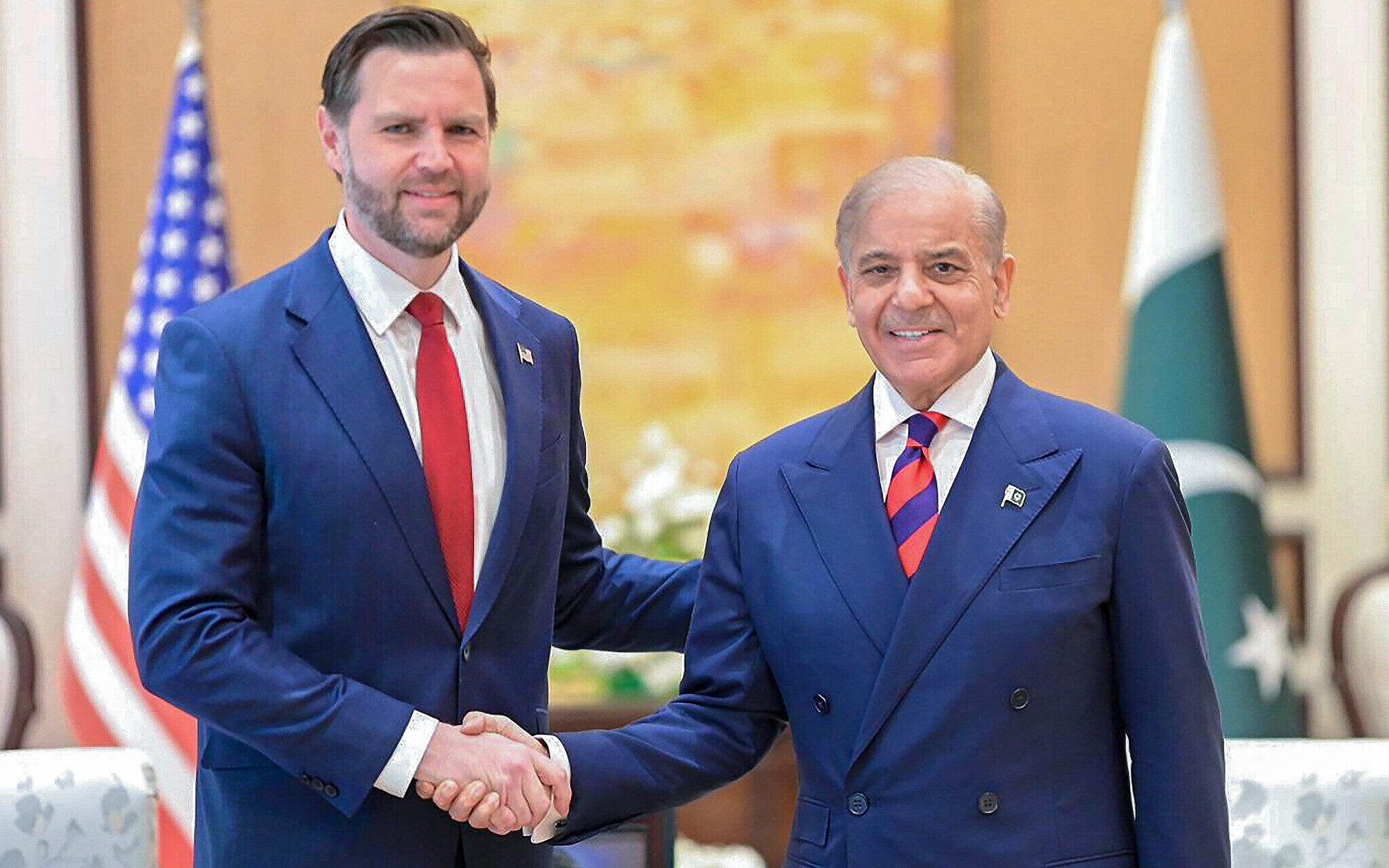
Recalling his snap-trip to Islamabad in April for negotiations with Iran, the senior US official pushes back on the notion that the trip had been fruitless, arguing that it was helpful to be in the room with the Iranians and to start to build trust.
The official claims that through the war, the US succeeded in destroying Iran’s conventional military and robbed Iran of the ability to project power in the Middle East and threaten its neighbors.
Asked whether the US would allow Iran to have a civilian nuclear program, the official says Washington is not principally opposed to the idea but that the infrastructure Iran has built went well beyond civilian purposes.
“We’re not bothered at all by the idea of civilian power plants in Iran. What we’re bothered by is the type of infrastructure that would allow them to jump from civilian power generation to nuclear weapons development,” he says.
If Iran complies with the agreement, US President Donald Trump “has instructed us to construct the kind of sanctions relief that would really integrate Iran into the 21st century economy.”







The Times of Israel Community.