

‘Most comprehensive’ report on Oct. 7 attack updated to include new data, survivor accounts
New testimonies from former hostage Emily Damari and others added to report that UK All-Party Parliamentary Group commissioned to push back on denials of the Hamas-led massacre
 Add ToI as a Preferred Source on Google
Zev Stub is the Times of Israel's reporter on diaspora affairs and Israeli real estate.
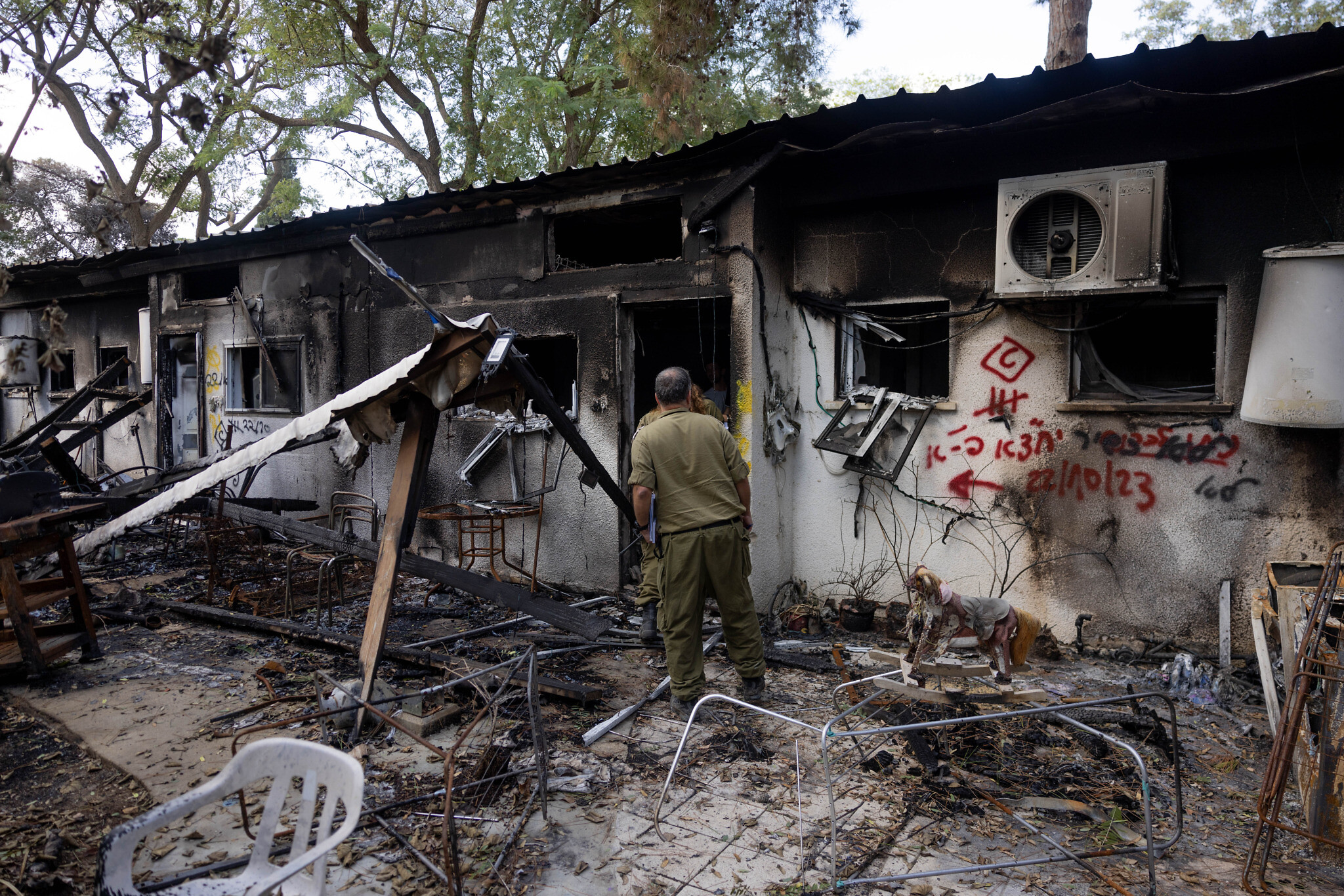
A British parliamentary group on Wednesday morning published an updated version of what has been praised as the most comprehensive English-language report on the Hamas attack of October 7, 2023.
The 340-page report includes new material not included in the first edition released last March, including testimonies from former hostage Emily Damari and Anat Ron-Kendall, the only known British survivor of the attack.
The All-Party Parliamentary Group (APPG) for Israel commissioned the project, chaired by renowned historian Andrew Roberts, as a response to attempts to deny and minimize the atrocities that began even while the massacre was still happening.
“Parliamentarians were saying that they were being confronted with October 7 denial from constituents, so the group decided to put together an authoritative body of work to document what actually happened,” said a source connected with the commission.
The report is not an official parliamentary inquiry, but an initiative of a cross-party group of lawmakers. Roberts oversaw a research team that compiled official data, testimonies and open-source material into the document, whose first version had printed copies mailed to every member of the House of Commons and House of Lords.
The second edition will rely mainly on online distribution, though a limited number of hard copies will be available.
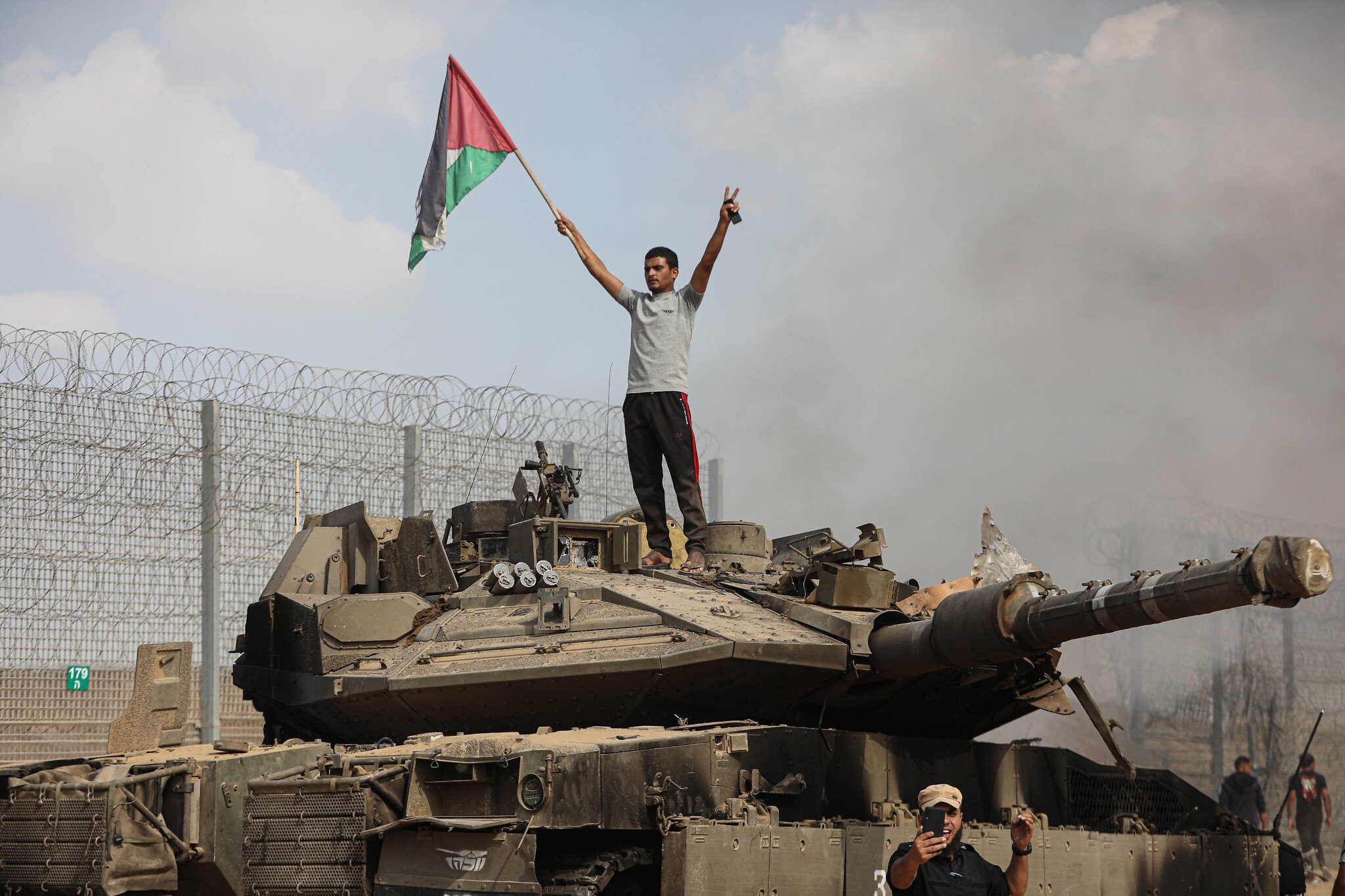
The October 7 attack was one of the worst terror outrages in the annals of history, the report said. Some 7,000 individuals participated in the massacre, in which 1,182 people were murdered, over 4,000 were injured, and 251 were taken hostage.
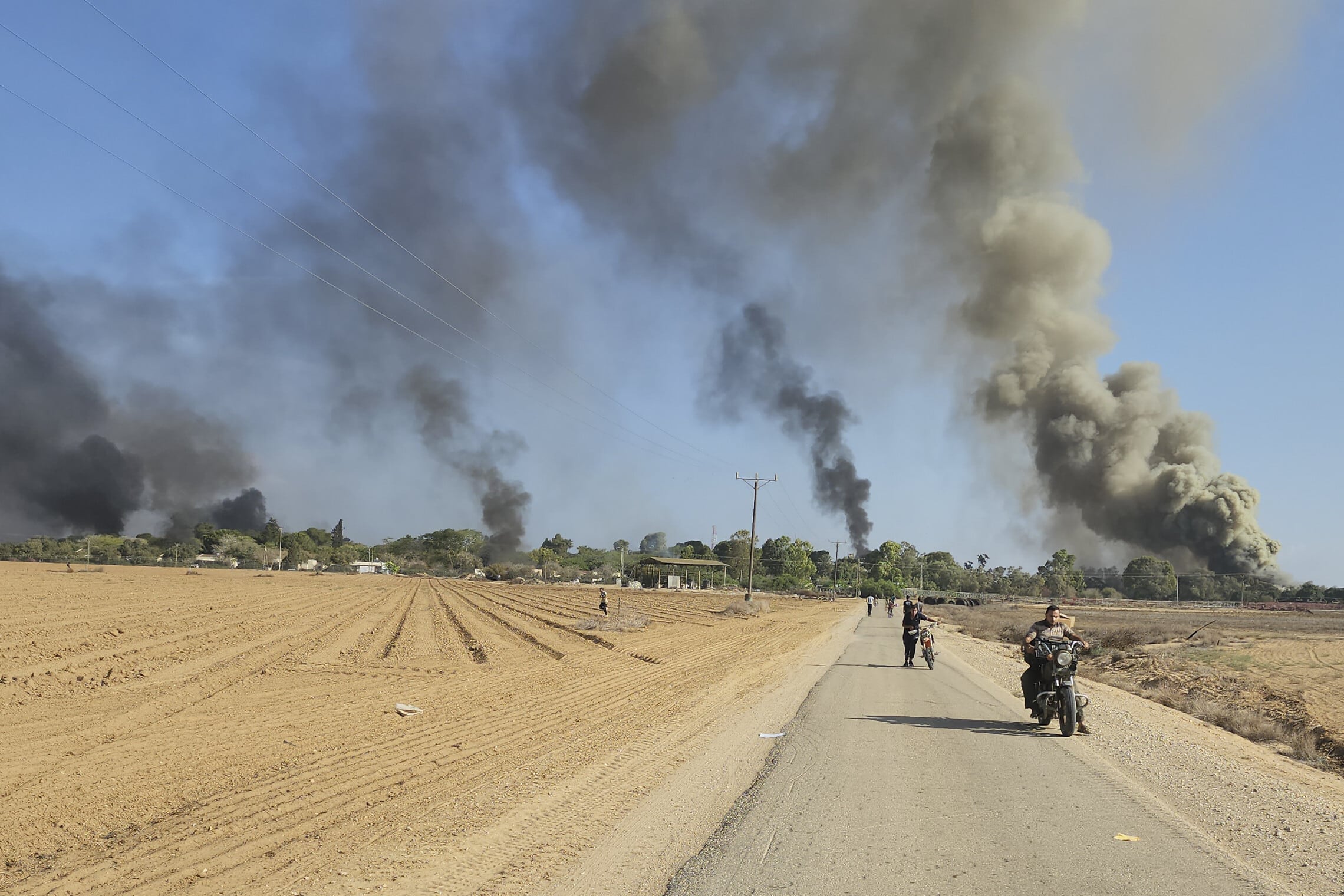
Citizens from 44 nations were either killed or taken hostage by Hamas and other terrorist groups, the report said. These included 18 UK citizens, marking the largest number of UK deaths from a terror attack in the Middle East, and the second highest worldwide since the attacks of September 11, 2001.
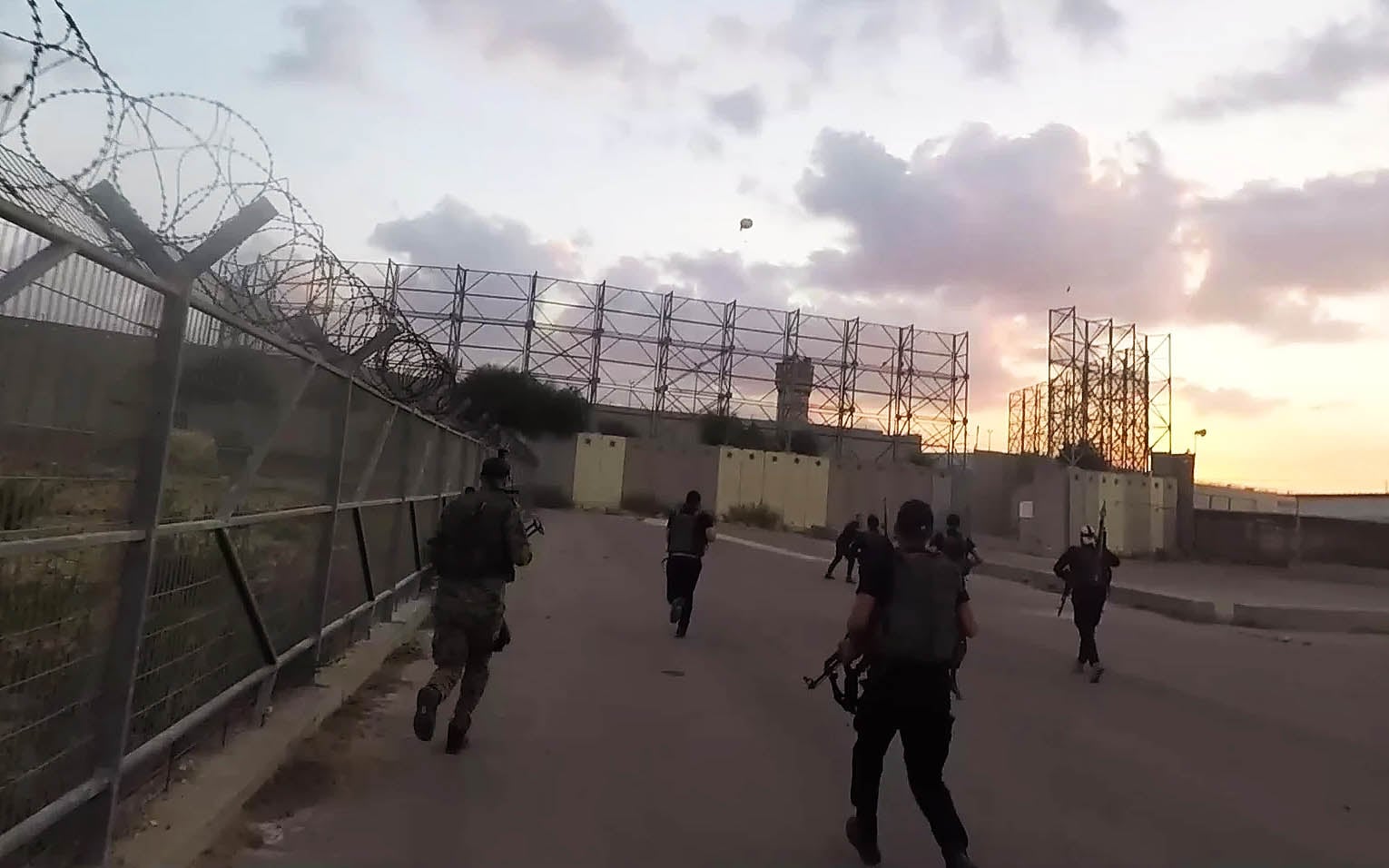
The report details the meticulous planning that went into the massacre, including a 6-page memo by Yahya Sinwar, the former leader of Hamas in Gaza, with instructions for the day. It includes information on the nature and scale of the murders, including Hamas’s youngest victim, a fetus shot in the womb, as well as its oldest victim, a 92-year-old Holocaust survivor killed in his safe room by a grenade.
The updated edition maintains the structure of the original report, but adds fresh material and analysis detailing the murder, torture and sexual violence which took place, and also sheds new light on the planning process and terror organizations involved in the assault, the APPG said in a press release.
This includes testimonies by Damari, Ron-Kendall, and a dozen hostages released after the first edition was published. It also incorporates data from IDF inquiries to display “heat maps” visualizing where terrorists were concentrated and where the worst violence occurred.
Consolidating this information into one English-language volume is critical for lawmakers who do not follow Israeli or Hebrew media closely, the source said.
“This audience doesn’t see a lot of the media that comes out of Israel, so this was a useful way to present the information,” the source said.
The report is written in an unemotional, analytic style that details the attacks without any emotive adjectives or judgment of the events. That allows the document to function as a reference point, rather than a manifesto for one side of the conflict, according to the insider.
The report also fills a gap left by the absence of a formal Israeli state inquiry into the attacks, even as various investigative efforts continue.
Perhaps most importantly, the report comes against a backdrop of rising antisemitism across Britain. Some 3,700 antisemitic incidents were recorded in the United Kingdom in 2025, the second-highest level on record, according to a report released last month by the Community Security Trust.
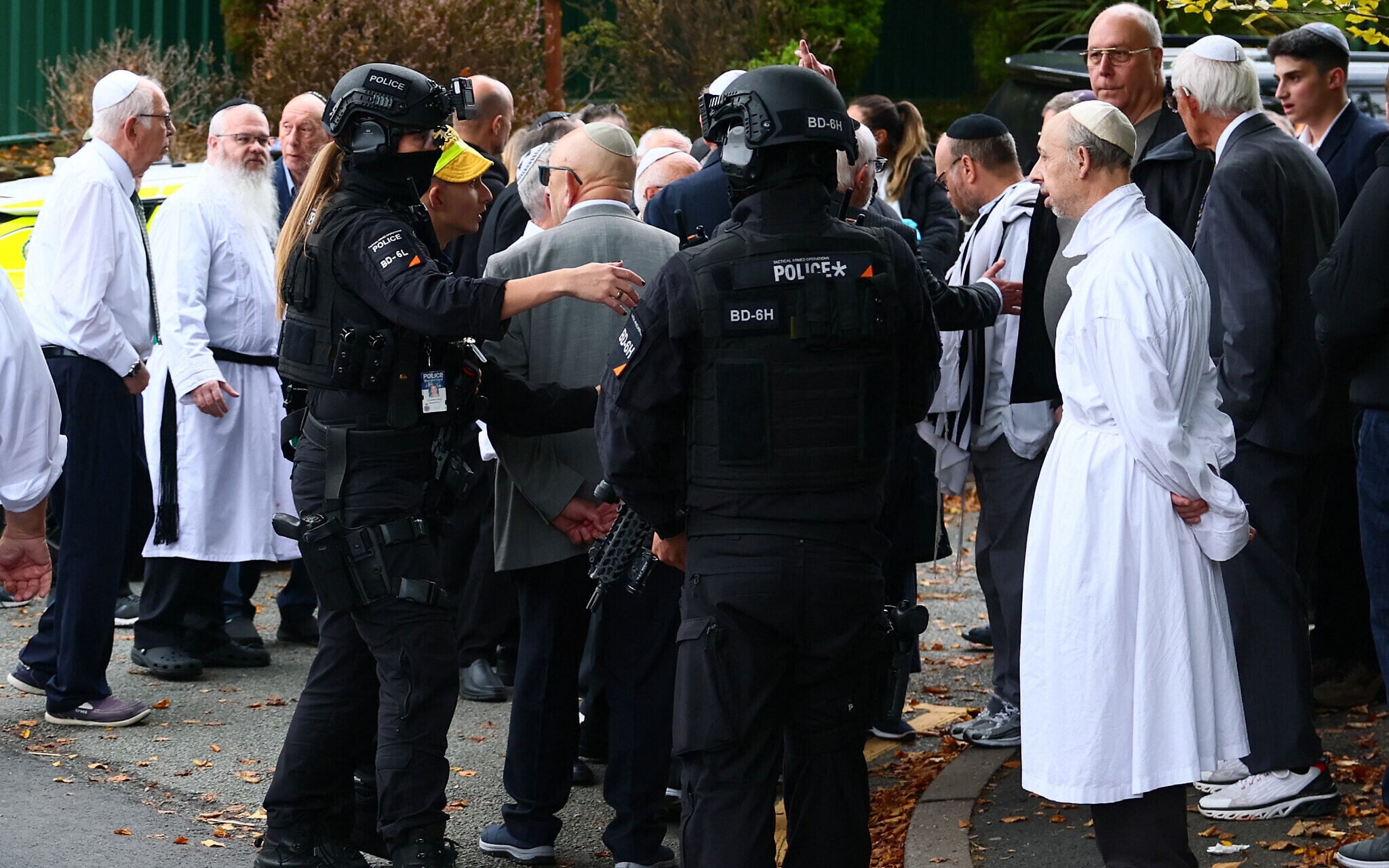
Earlier this week, a poll commissioned by the British Union of Jewish Students showed that one in five university students in the UK would be “reluctant” or unwilling to share an apartment with a Jewish student.
Much of this is built on widespread denial about what actually happened on October 7, which many anti-Israel activists refuse to believe or simply ignore, the source said.
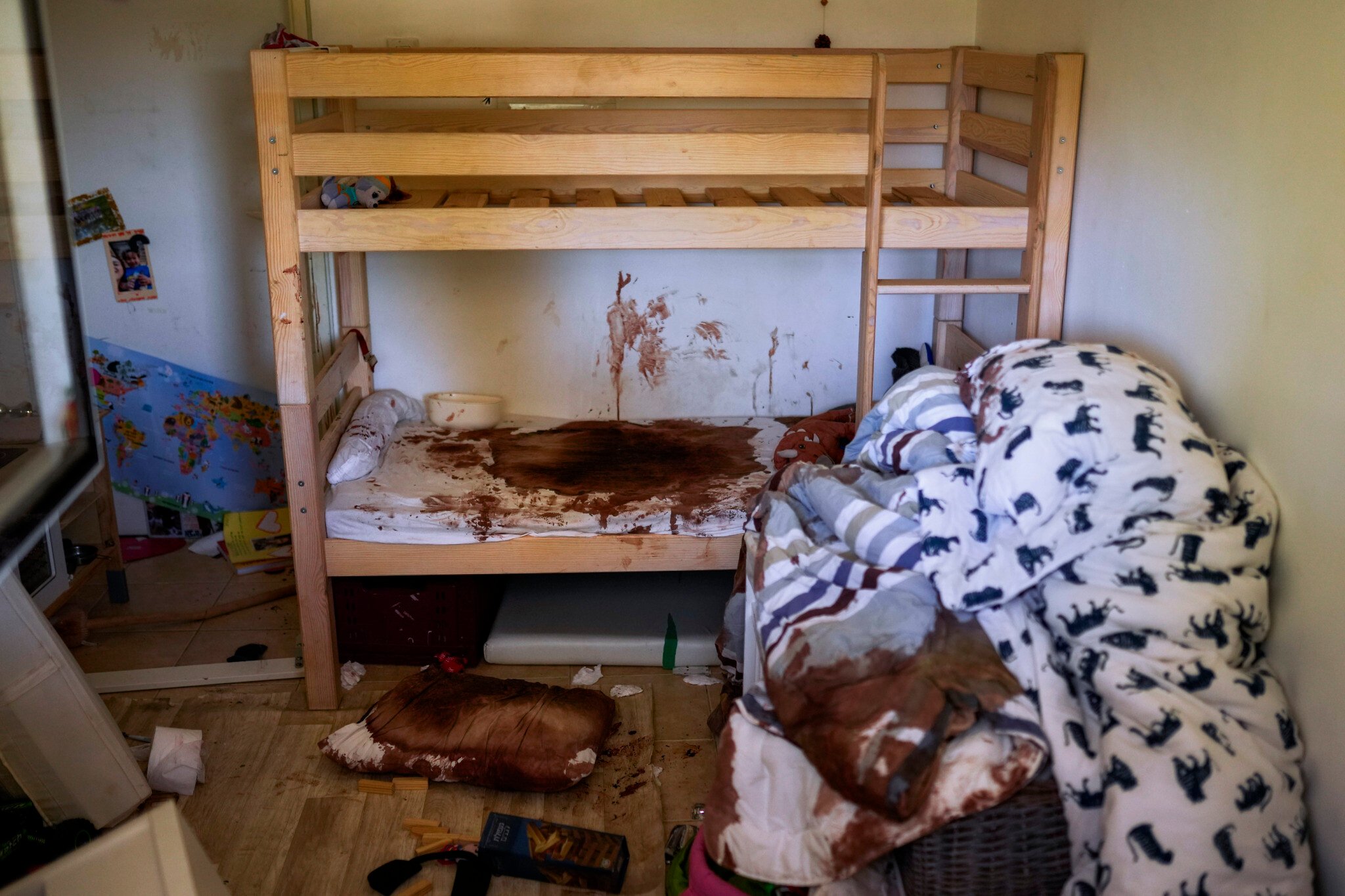
In his introduction to the first version of the report last year, Roberts noted that, while Holocaust denial took years to take root in certain portions of society, denial of the October 7 massacre began just hours after it started.
The first protests against Israel in the UK were already being organized while Hamas was still in the midst of its killing and kidnapping spree in Israel, before the IDF began fighting back, the source alleged.
“This report is there so that people know exactly what happened in the attacks,” said the insider.



The Times of Israel Community.