

Naftali Bennett says first move as PM would be setting term limit for the post
Support for legislation a prerequisite for joining the government, says Bennett; Gantz welcomes announcement but notes that the former PM himself was previously opposed
 Add ToI as a Preferred Source on Google
Sam Sokol is a former political correspondent at The Times of Israel. He was previously a reporter for the Jerusalem Post, Jewish Telegraphic Agency and Haaretz. He is the author of "Putin’s Hybrid War and the Jews"

Former prime minister Naftali Bennett announced on Thursday that the first discussion of his cabinet, should he win the next election, will deal with advancing a quasi-constitutional Basic Law limiting premiers to two terms, in an apparent effort to forestall a single politician from dominating Israel’s politics like Prime Minister Benjamin Netanyahu has.
In a statement, Bennett’s spokesman said that supporting this legislation, which will be part of a larger national “stabilization plan,” will be part of all coalition agreements and serve — alongside agreeing to the establishment of a state commission of inquiry into October 7 — as a precondition for joining the government.
According to Bennett’s proposal, going forward prime ministers will be limited to either two terms or eight years in office, whichever is longer.
“The term of office will be considered consecutive even if the prime minister is temporarily incapacitated, or if less than 4 years have passed between terms of office” and a prime minister “will not be able to run again until after an 8-year cooling-off period,” the statement said, adding that “if, during a term, the prime minister reaches the maximum term of office, he will be permitted to complete the full term until a new government is formed.”
The limits would not apply retroactively. In 2019, current premier Benjamin Netanyahu officially passed David Ben-Gurion to become Israel’s longest-serving prime minister.
Netanyahu was first at the helm in 1996-1999, and then in 2009-2021. He returned to office in 2022 and has been in power since.
Bennett’s position appeared to be in line with a recent term limit plan advanced by Yisrael Beytenu chairman Avidgor Liberman in a proposed “document of principles and guidelines” containing a raft of social, security and economic measures intended to guide the next government.
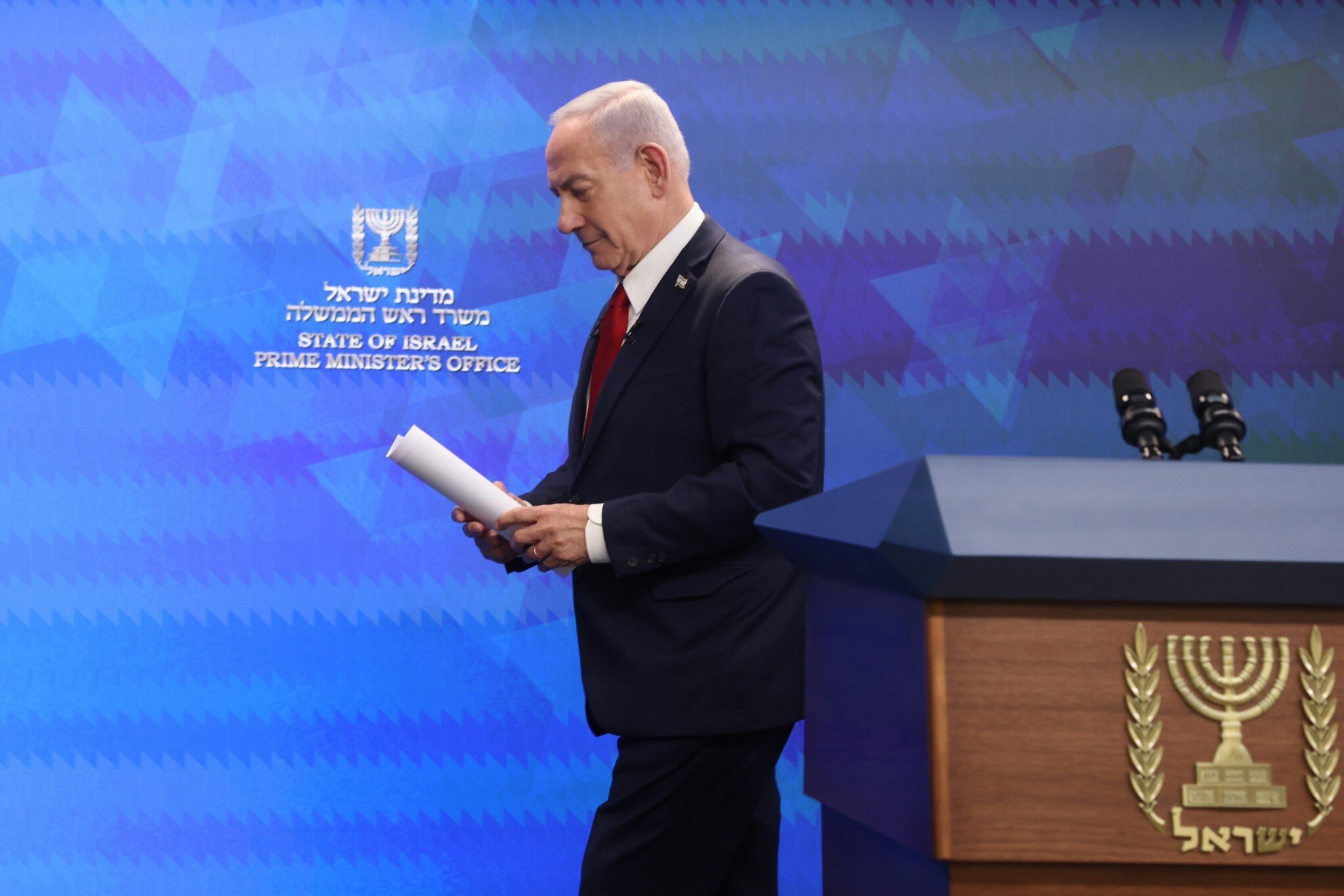
The proposal, which the Maariv daily reported was penned by party MK Oded Forer, aims to create a common policy platform for all of the current Jewish opposition parties in order to establish what Liberman has described as “a national, Zionist, and liberal government.”
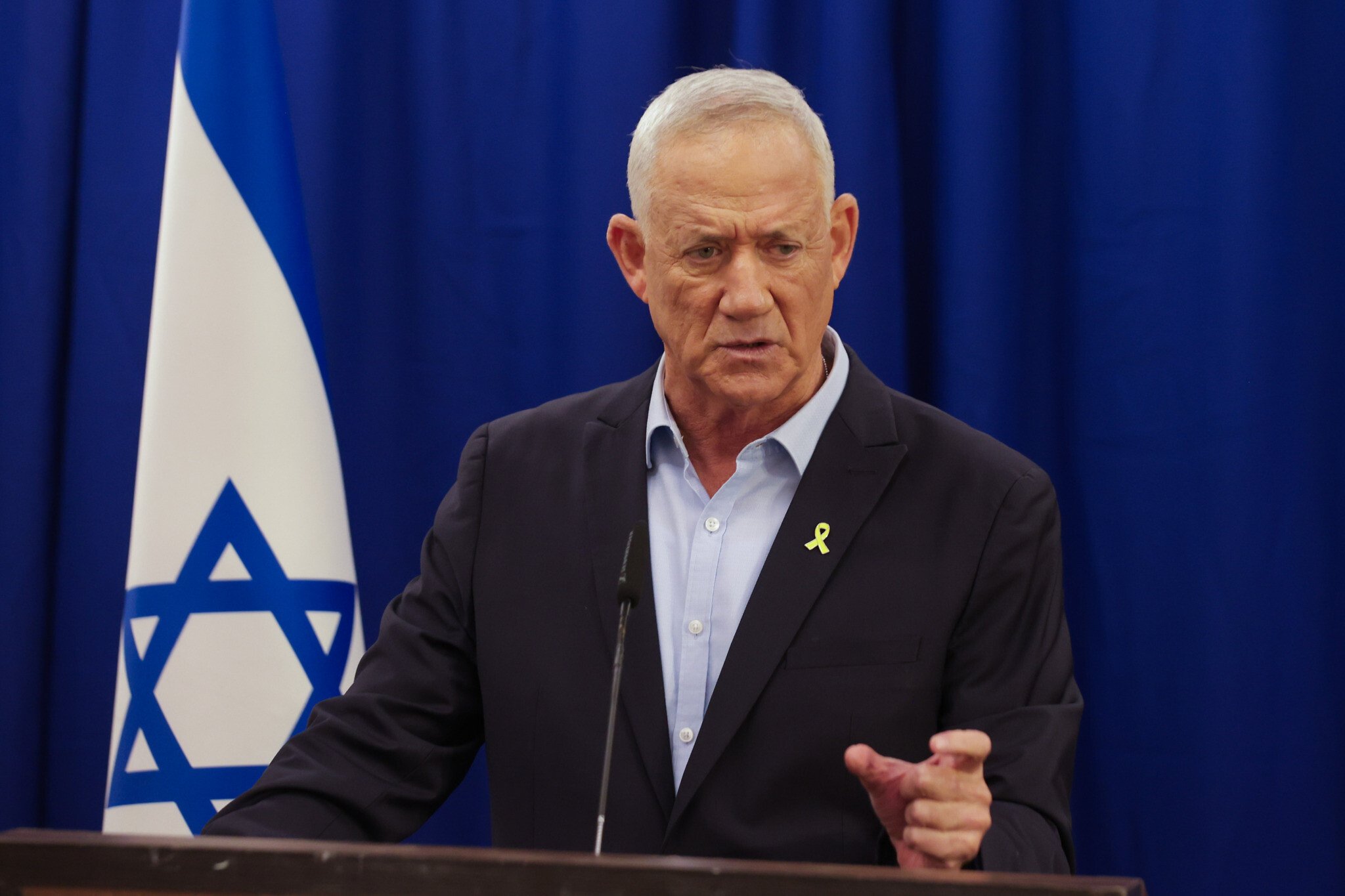
Blue and White-National Unity chairman Benny Gantz welcomed Bennett’s declaration but criticized him for not coming out in support of such a measure earlier in his political career.
“The law to limit the tenure of the prime minister was the first bill I submitted as an MK and one of the first laws I sought to promote in the change government together,” Gantz tweeted, adding that “regrettably, the prime minister at the time, Naftali Bennett, opposed it.”
Gantz added, “I congratulate Bennett for changing his mind, but the lesson from the change government is that such a law can pass only in a broad consensus government that will anchor the rules of the game, and not in a narrow and publicly illegitimate government.”
Bennett, who led the now-defunct right-wing Yamina party, has been out of office since the 2022 collapse of his diverse “change government,” which in 2021 ousted Netanyahu from the premiership following a period of unprecedented political turmoil, including four national elections in three years.
Both Bennett and Liberman are set to attend a meeting of the leaders of the so-called “change bloc” on October 8.
During a previous meeting last week, which Bennett did not attend for personal reasons, the leaders of the bloc announced that they were establishing a “permanent forum” aimed at bringing together the various right-wing, centrist and left-wing parties allied by their opposition to the current, hard-right Netanyahu-led coalition.
As part of their efforts to coordinate ahead of the next national election, the opposition chiefs also announced the establishment of a “professional body” aimed at dealing with “the basic guidelines of the next government,” such as drawing up a national constitution, enshrining universal military conscription, and “preserving the character of the State of Israel as a Jewish, democratic and Zionist state.”
While the change bloc is currently working on coordination between the parties rather than forming a united slate, Lapid and Bennett are both still eyeing a union with “Yashar! With Eisenkot” chief Gadi Eisenkot, formerly the number two MK in the Gantz-led National Unity party, as a way of maximizing the number of seats they receive in the next election, the Kan public broadcaster recently reported.








The Times of Israel Community.