

Calling for constitution, Liberman presents ‘document of principles’ to unite opposition
Proposal aims to establish unified platform for next government, centered around the adoption of a constitution, universal conscription and weakening the religious bureaucracy
 Add ToI as a Preferred Source on Google
Sam Sokol is a former political correspondent at The Times of Israel. He was previously a reporter for the Jerusalem Post, Jewish Telegraphic Agency and Haaretz. He is the author of "Putin’s Hybrid War and the Jews"
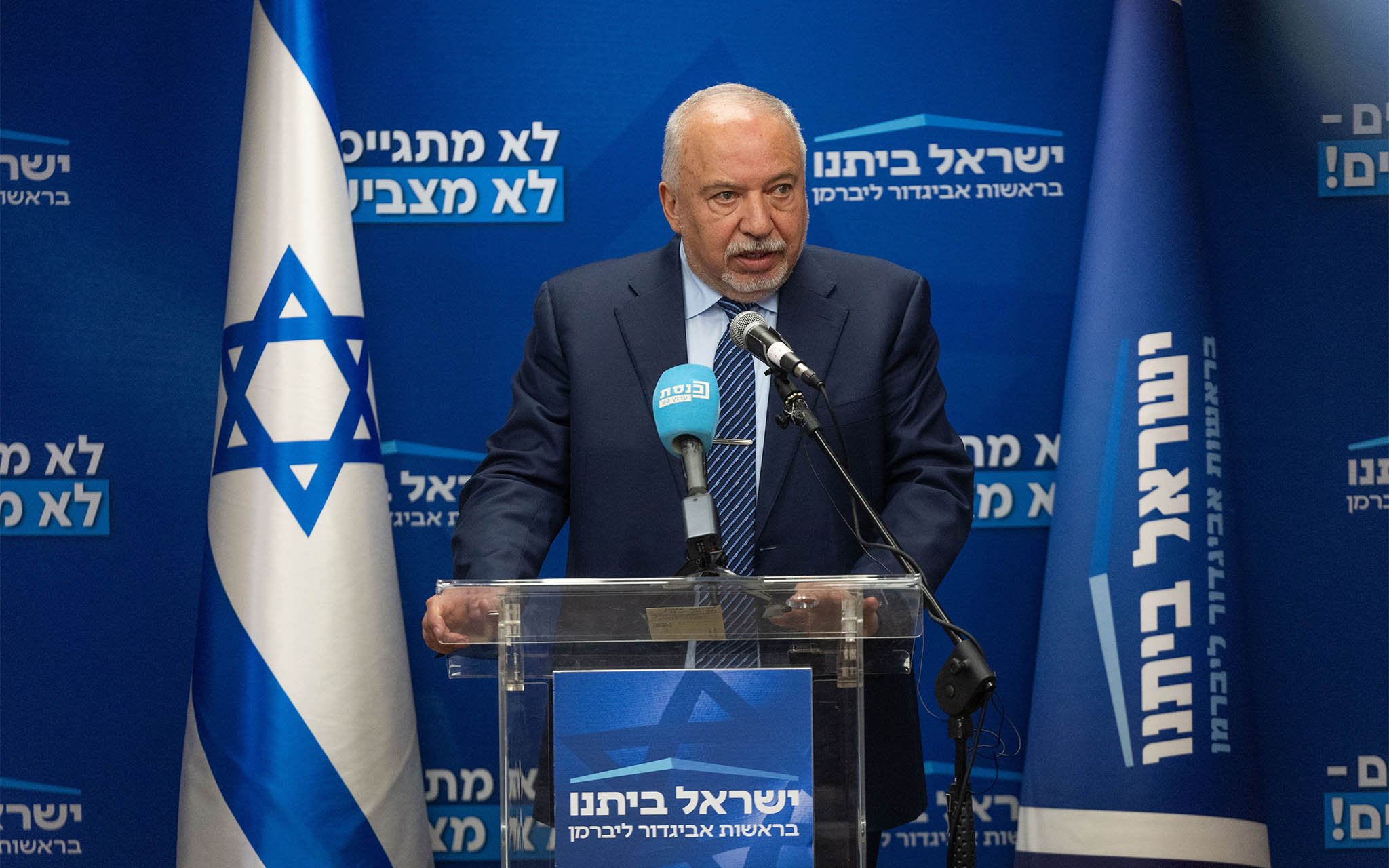
Ahead of a planned meeting of the leaders of the anti-Netanyahu so-called “change bloc next week, Avigdor Liberman’s Yisrael Beytenu party has prepared a proposed “document of principles and guidelines” containing a raft of social, security and economic measures intended to guide the next government, according to a draft published Thursday.
The bloc comprises right-wing, centrist and left-wing parties that seek to provide an alternative to the current Benjamin Netanyahu-led coalition.
The proposal, which the Maariv daily reported was penned by party MK Oded Forer, aims to create a common policy platform for all of the current Jewish opposition parties in order to establish what Liberman described as “a national, Zionist, and liberal government.”
In a post on social media platform X summarizing the document on Thursday afternoon, the hawkish former Netanyahu ally laid out his key principles with an emphasis on defending democracy and the independence of the judicial system through the adoption of a national constitution.
“The constitution will enshrine the principles of democratic governance, human rights, and the separation of powers, limit the prime minister’s term to two terms, reduce the number of ministers, and mandate the sharing of the burden” of military service, Liberman wrote.
Sharing the burden would be accomplished through universal conscription “regardless of religion or origin” and draft evasion would be punishable by “the revocation of rights, including the right to vote for the Knesset,” he continued.
The proposed platform also calls for a state commission of inquiry into the October 7 massacre — which Netanyahu has opposed — mandatory secular studies in all Israeli schools, the establishment of a “national task force” to combat organized crime and the encouragement of immigration from abroad.
At the same time, the government would work to reduce regulations, encourage competition and combat monopolies in the economic realm while diminishing the power of the rabbinate in the field of religion by limiting Israel to only one chief rabbi, instituting civil marriage and allowing public transportation on Shabbat.
The proposal also calls to abolish the government-funded local religious councils which provide state religious services, such as kosher supervision and mikvahs, to communities at the city and regional council levels.
Turning to the security situation, Liberman called to stabilize the West Bank “in close coordination with Jordan” while essentially disengaging from the Gaza Strip for a second time in two decades by closing all crossings and halting the provision of supplies to the coastal territory.
Instead, “responsibility for Gaza will be transferred to an international entity, in coordination with the United States,” he wrote.
In a separate post, Liberman insisted that “the Zionist bloc must present a unified team of experienced people who will work together for the citizens of Israel. The truly important question is not which party will be the largest but how the Zionist parties together reach 63 mandates.”
In yet another post several days earlier, Liberman insisted that “the largest party” should form the government in order to “put an end to political blackmail.”
Speaking with Maariv, Liberman insisted that it is critical for voters to only support one of the “established, stable Zionist parties” in order to ensure “that no vote is wasted” and called on former Blue and White-National Unity party No. 2 Gadi Eisenkot to “join one of the Zionist bloc parties” rather than establish his own separate list.
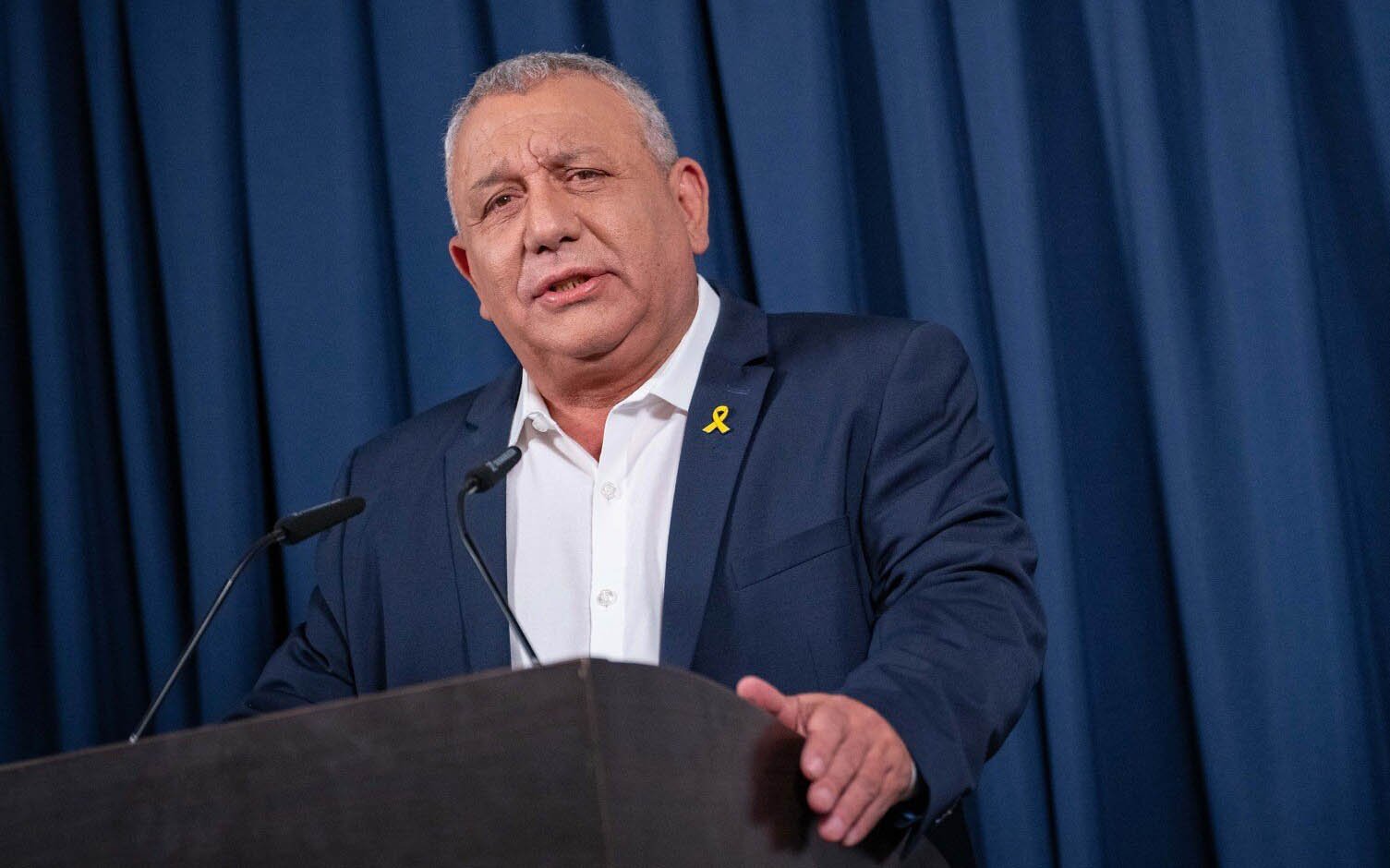
“I told Eisenkot” that “if you want to go with me – there’s a place for you on the Yisrael Beytenu list,” he said.
Eisenkot, who had been No. 2 in Blue and White, quit both the faction and Knesset over the summer, stating that while he and chairman Benny Gantz had worked together for many years and respected each other, their differences eventually drove them apart politically.
Netanyahu rivals boost coordination
Eisenkot met separately Sunday with Opposition Leader Yair Lapid and Bennett 2026 party chairman Naftali Bennett as part of an effort by the leaders of the opposition to coordinate ahead of the next election, which is scheduled for October 2026 but might be held before that.
Speaking with The Times of Israel earlier this week, an opposition source said that while “nothing specific” has yet been achieved, the anti-Netanyahu so-called “change bloc” is “far more coordinated than people realize, especially the central players. What you’ve seen over the past week or so is some of that now being made public.”
There have not yet been any serious efforts at merging any of the opposition parties — which consist of right-wing, centrist and left-wing slates — ahead of the next election, “but everyone is focused on making sure the bloc is built right this time,” the source added.
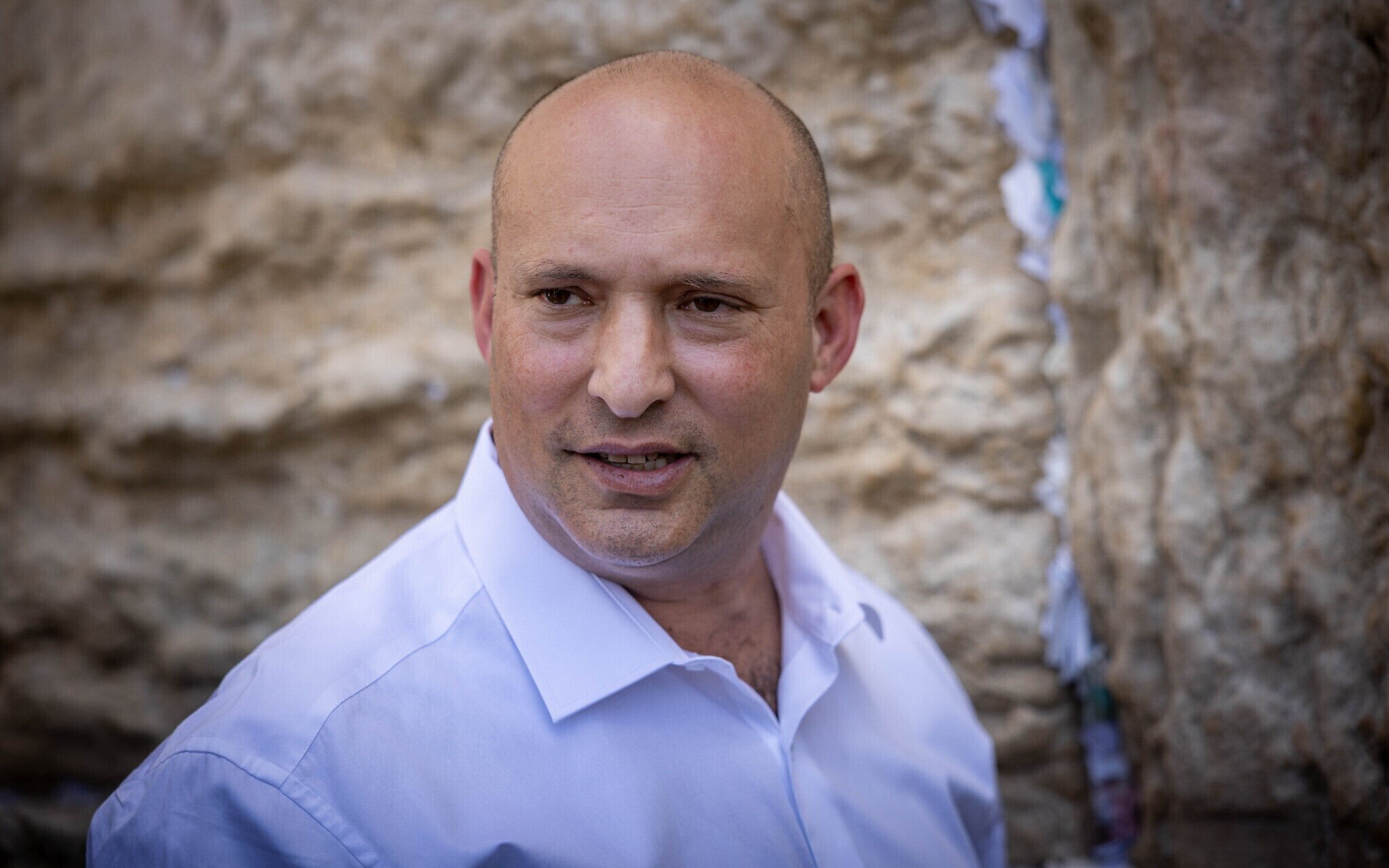
Liberman also met with Bennett last month as he sought to galvanize the “Zionist opposition party heads” to come up with a “basic outline” for the next government.
The August meeting came shortly after Liberman sent a letter to Lapid asking him to call a meeting of the “Zionist opposition party heads” — along with Bennett and Eisenkot — for a discussion on “formulating the basic outlines of the next government.” Liberman told the opposition politicians that they would need to form a united alternative to the current government ahead of the next general elections.
On Wednesday evening, Lapid’s office announced that party chiefs from the anti-Netanyahu camp will meet on September 20 in the “first in a series of meetings aimed at shaping the basic guidelines of the next government.”
The meeting will bring together Eisenkot, Liberman, Gantz and The Democrats party head Yair Golan. According to Channel 12, Bennett will be unable to attend because he will be marking the 10th anniversary of his father’s death, known in Judaism as yahrzeit.
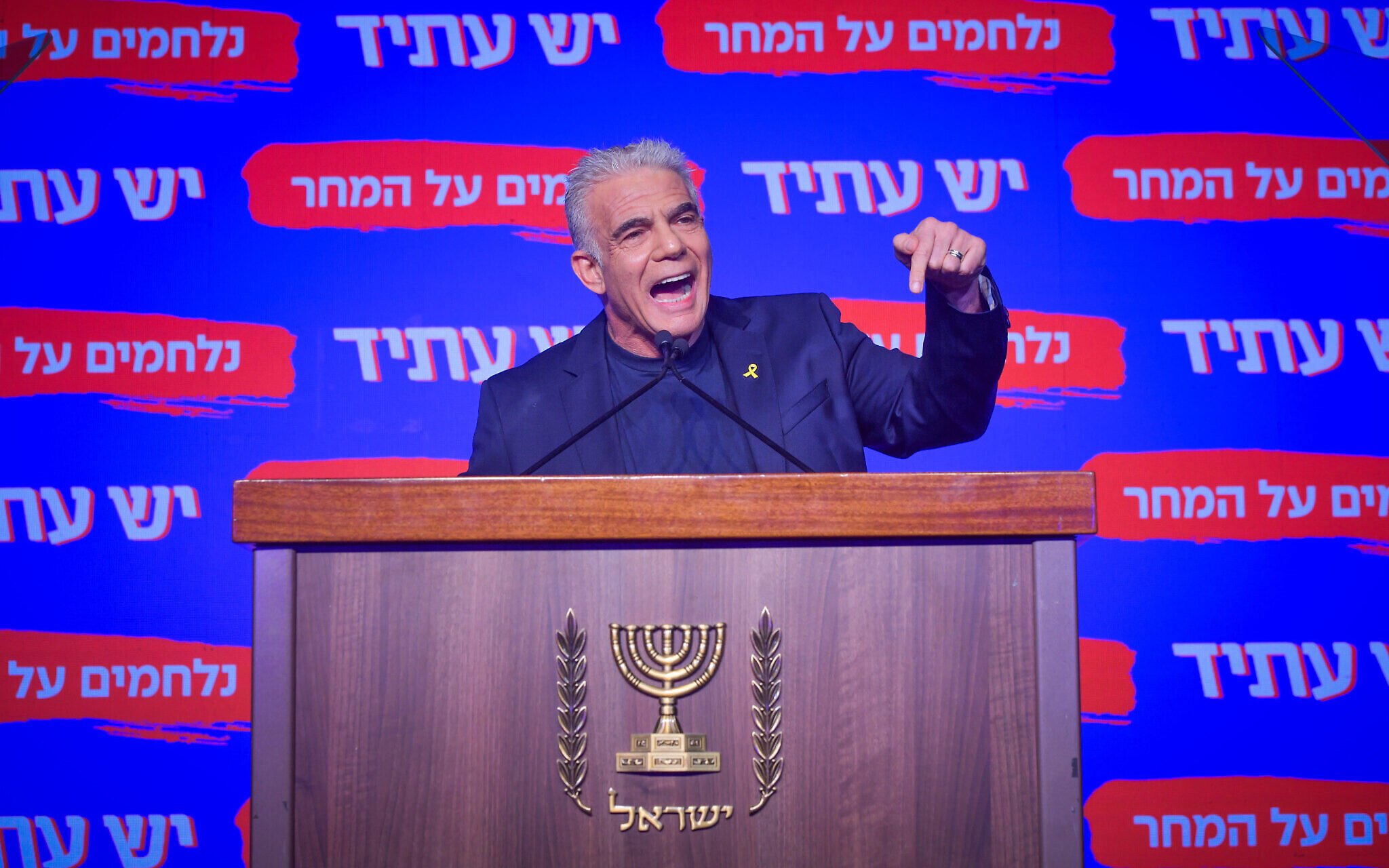
In leaked comments from a speech at a conference in Kfar Saba last week, published by the Walla news site on Sunday, Bennett declared that “we need to form a national Zionist unity government based on the ‘alliance of service’: those who serve and who accept the government’s guiding principles.”
“I have a role, and that is to unite the various centrist parties. We’ll talk to Liberman, to Eisenkot, and get everyone into one big party,” he said, telling the conference audience that their role was to “convince everyone to vote for this party and win a clear and decisive majority.”
Bennett also raised the idea of a “united party with Yisrael Beytenu and Eisenkot” at a house meeting with representatives of Israel’s Russian-speaking community in Herzliya last week, according to an attendee who spoke with The Times of Israel on Monday evening.






The Times of Israel Community.