

Despite founding new party, Eisenkot still looking at merger with other factions
Source says Opposition Leader Yair Lapid holding out hope for possible joint run with new ‘Yashar! With Eisenkot’ party
 Add ToI as a Preferred Source on Google
Sam Sokol is a former political correspondent at The Times of Israel. He was previously a reporter for the Jerusalem Post, Jewish Telegraphic Agency and Haaretz. He is the author of "Putin’s Hybrid War and the Jews"
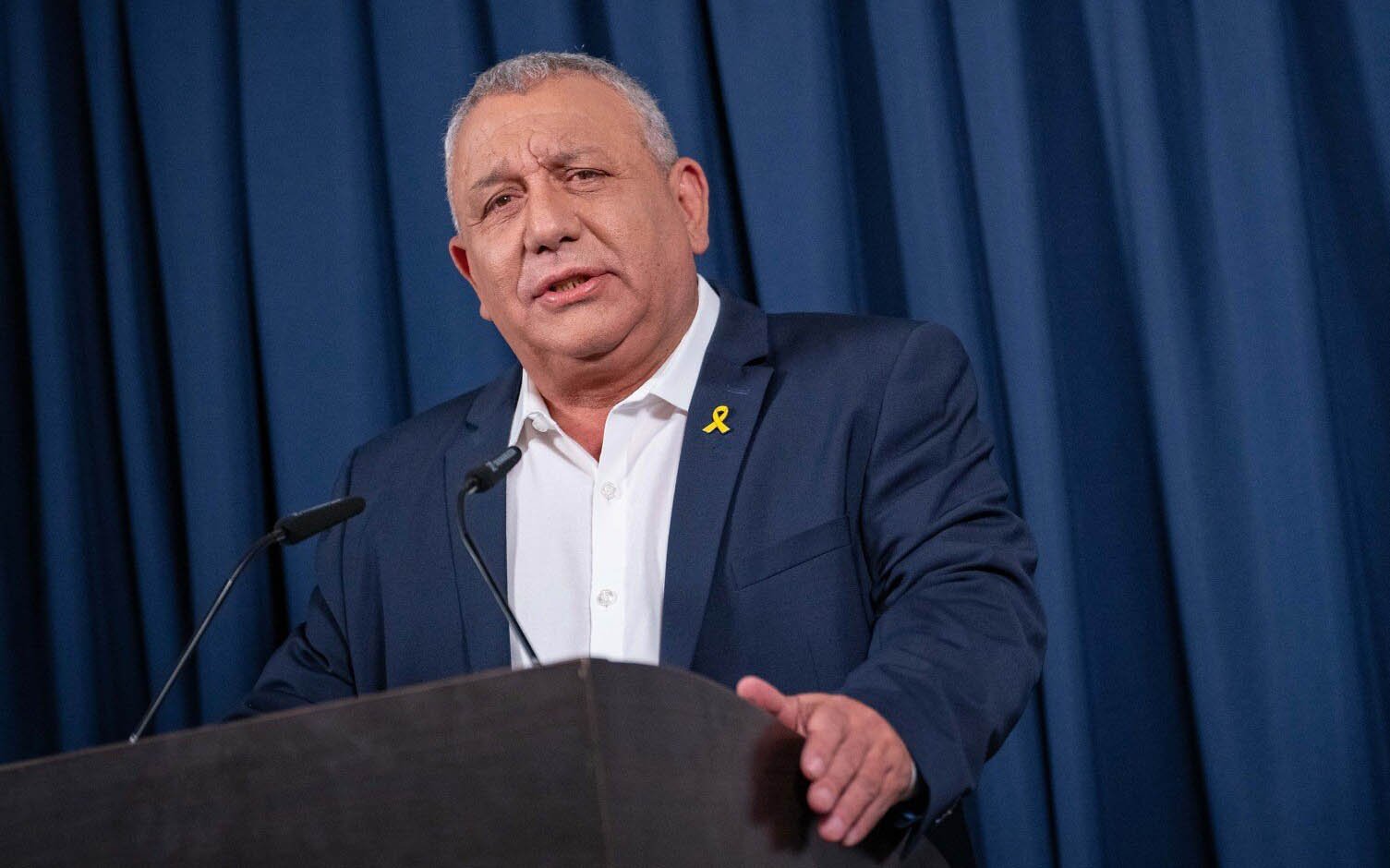
Despite announcing the formation of his own political party, Gadi Eisenkot reportedly still hopes to unite with other opposition factions ahead of the next parliamentary election.
According to public broadcaster Kan, Eisenkot believes that establishing his own party will allow him to maintain political momentum and plans on holding off on any final decision regarding a merger until the last moment.
In a statement on Tuesday evening, the former IDF chief said his new “Yashar! With Eisenkot” party “will place Israel’s security and national interests above all other considerations, establish a broad governing alternative and serve as a foundation for further unity, all to ensure the State of Israel’s existence as Jewish, democratic and strong, in the spirit of the Declaration of Independence.”
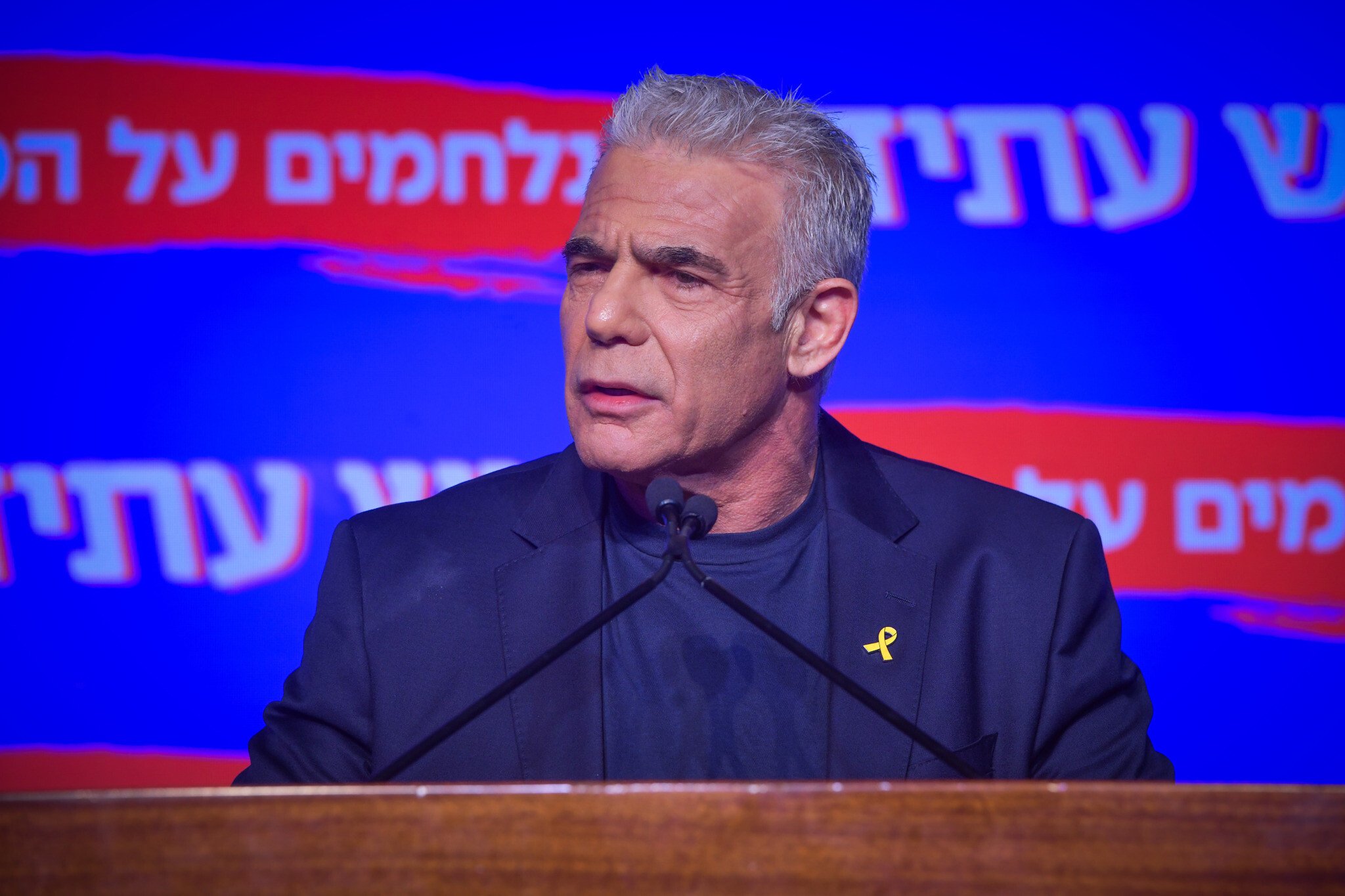
Opposition Leader Yair Lapid and former prime minister Naftali Bennett are both still eyeing a union with Eisenkot, formerly the number two MK in the Blue and White-National Unity party, as a way of maximizing the number of seats they receive in the next election, Kan reported.
A source with knowledge of the matter confirmed to The Times of Israel on Wednesday afternoon that Lapid is indeed still hopeful for an eventual merger or joint run.
Bennett is not currently serving in the Knesset, but his eponymous new party, dubbed Bennett 2026, consistently finishes at or near the top of opinion polls, alongside Prime Minister Benjamin Netanyahu’s Likud party.
Bennett has been out of office since the 2022 collapse of his and Lapid’s diverse coalition government, which in 2021 ousted Netanyahu from the premiership after 12 consecutive years, following a period of political turmoil that saw four national elections held within two years.
A spokesman for Bennett did not immediately respond to a request for comment.
Eisenkot quit both Blue and White and the Knesset over the summer, stating that while he and party chairman Benny Gantz had worked together for many years and respect each other, their differences eventually drove them apart politically. Eisenkot said it was necessary “to build a leadership alternative that would bring about victory in the next elections.”
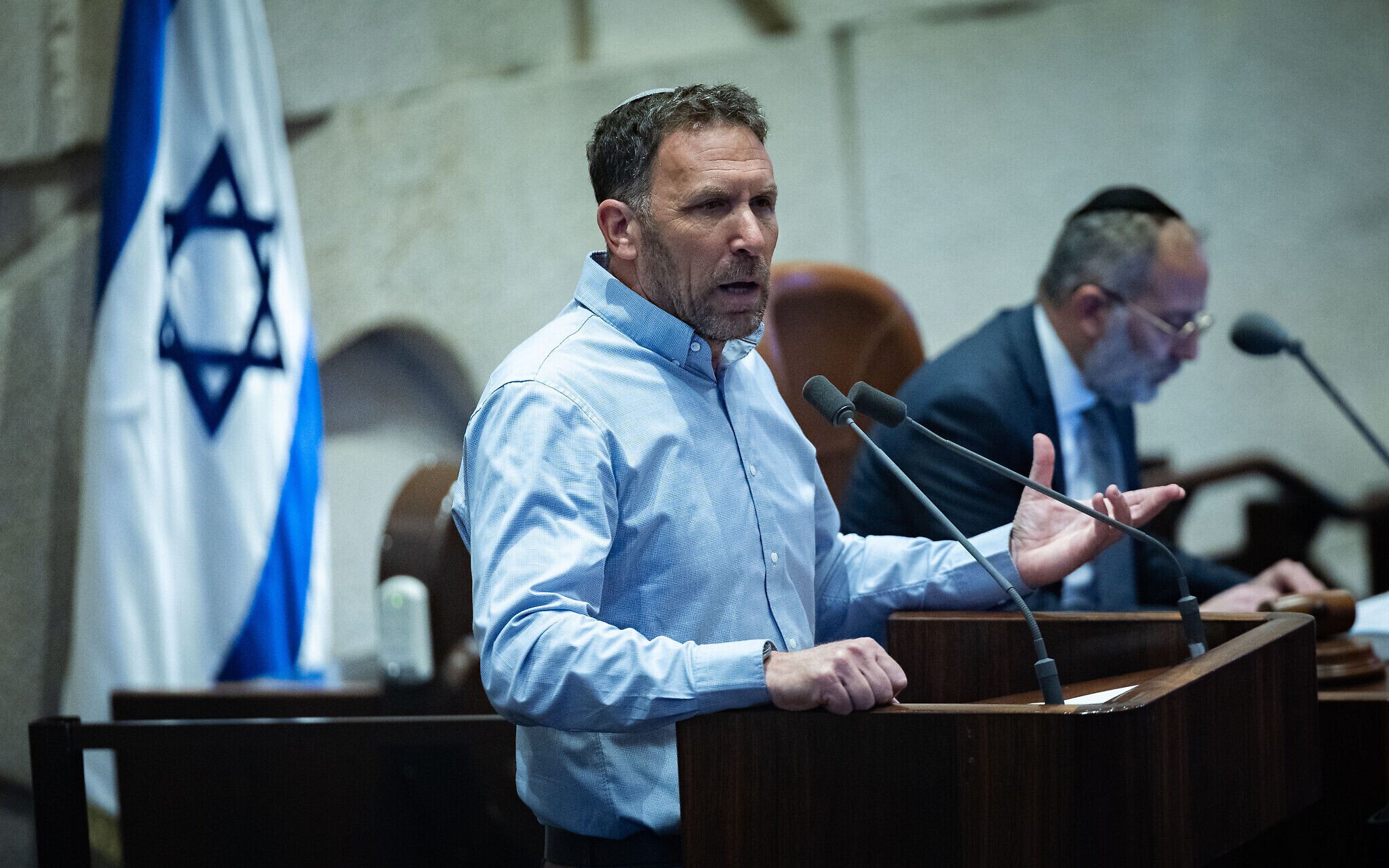
Eizenkot’s departure from Blue and White was quickly followed by those of other members of Gantz’s party, including MK Matan Kahana, who told The Times of Israel at the time that he would try to broker a political alliance with Bennett.
A spokeswoman for Eisenkot did not immediately respond when contacted about the Kan report.
Asked if he believed a union between Bennett and Eisenkot was a possibility, Kahana told The Times of Israel that “all options are open” and that “in my opinion, there is a reasonable chance of joining forces with Bennett.”
Since leaving Blue and White, Eisenkot has held multiple meetings with other opposition party leaders, including Lapid and Bennett, and has agreed to attend a joint meeting of the anti-Netanyahu so-called “change bloc” this coming weekend, “aimed at shaping the basic guidelines of the next government.”
According to Channel 12, Bennett will be unable to attend because he will be marking the 10th anniversary, or yahrzeit, of his father’s death.
A political source close to Bennett’s camp said on Wednesday that Eizenkot was “trying to raise his profile and position in polls to get into a bidding war between the parties.”
In leaked comments from a speech at a conference earlier this month published by the Walla news site, Bennett declared that “we need to form a national Zionist unity government based on the ‘alliance of service’: those who serve and who accept the government’s guiding principles.”
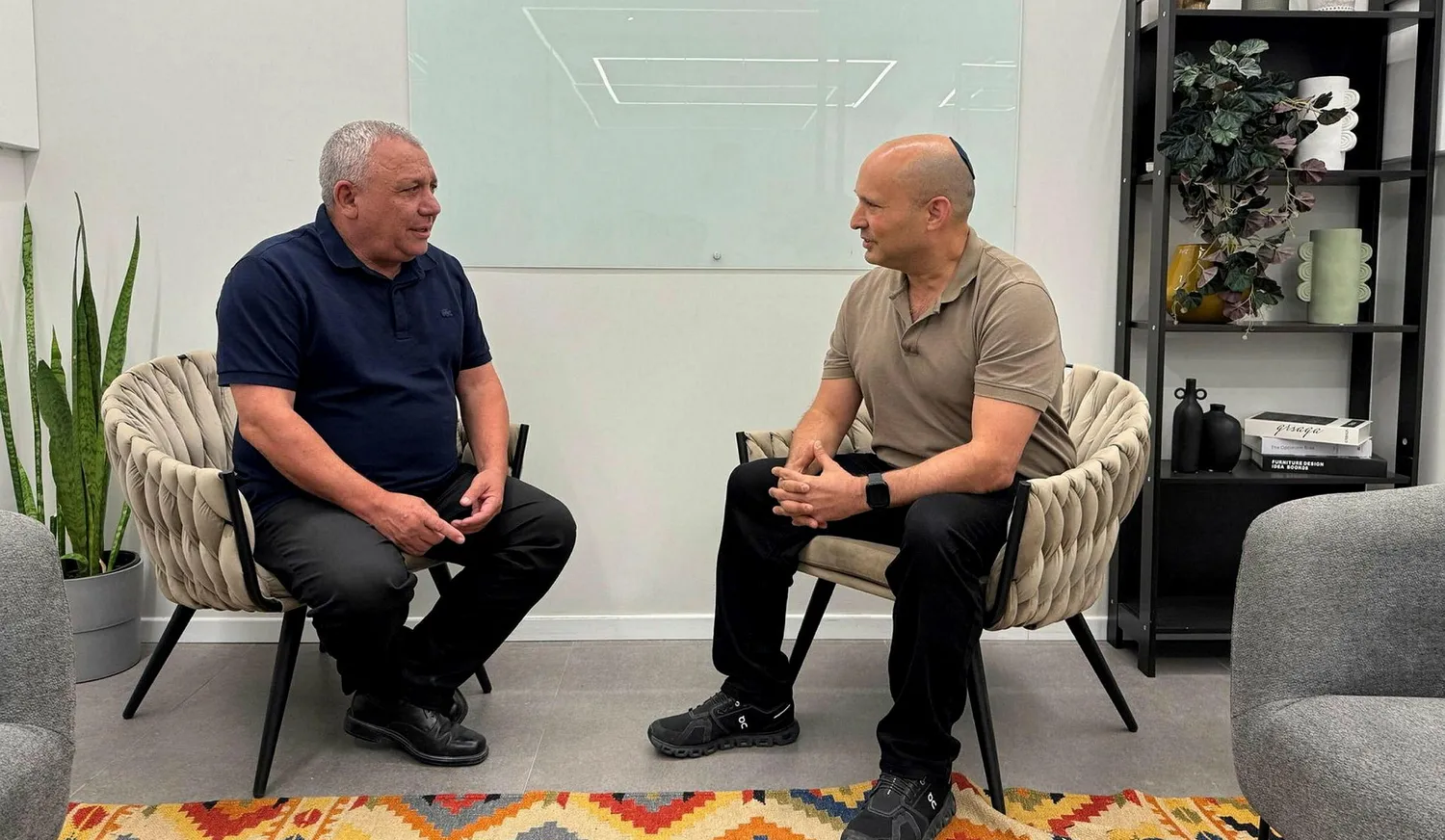
“I have a role, and that is to unite the various centrist parties. We’ll talk to Liberman, to Eisenkot, and get everyone into one big party,” he said, telling the conference audience that their role was to “convince everyone to vote for this party and win a clear and decisive majority.”
Bennett also raised the idea of a “united party with Yisrael Beytenu and Eisenkot” at a house meeting with representatives of Israel’s Russian-speaking community in Herzliya, according to an attendee who spoke with The Times of Israel last week.
“He requested that we vote for him and to persuade our peers and our neighbors and our friends to vote for him. He was careful enough not to say anything bad about Liberman,” said the attendee, who asked to remain anonymous and noted that Bennett “didn’t say that he will never be a part of a government with Likud.”






The Times of Israel Community.