

Pulling mussels for a gel, Technion team creates bio-glue to seal internal wounds
Imitating the way mollusks use natural adhesives to stick to rocks, researchers develop biodegradable, anti-bacterial hydrogel they say can close up bleeding tissue within seconds
 Add ToI as a Preferred Source on Google
Reporter at The Times of Israel
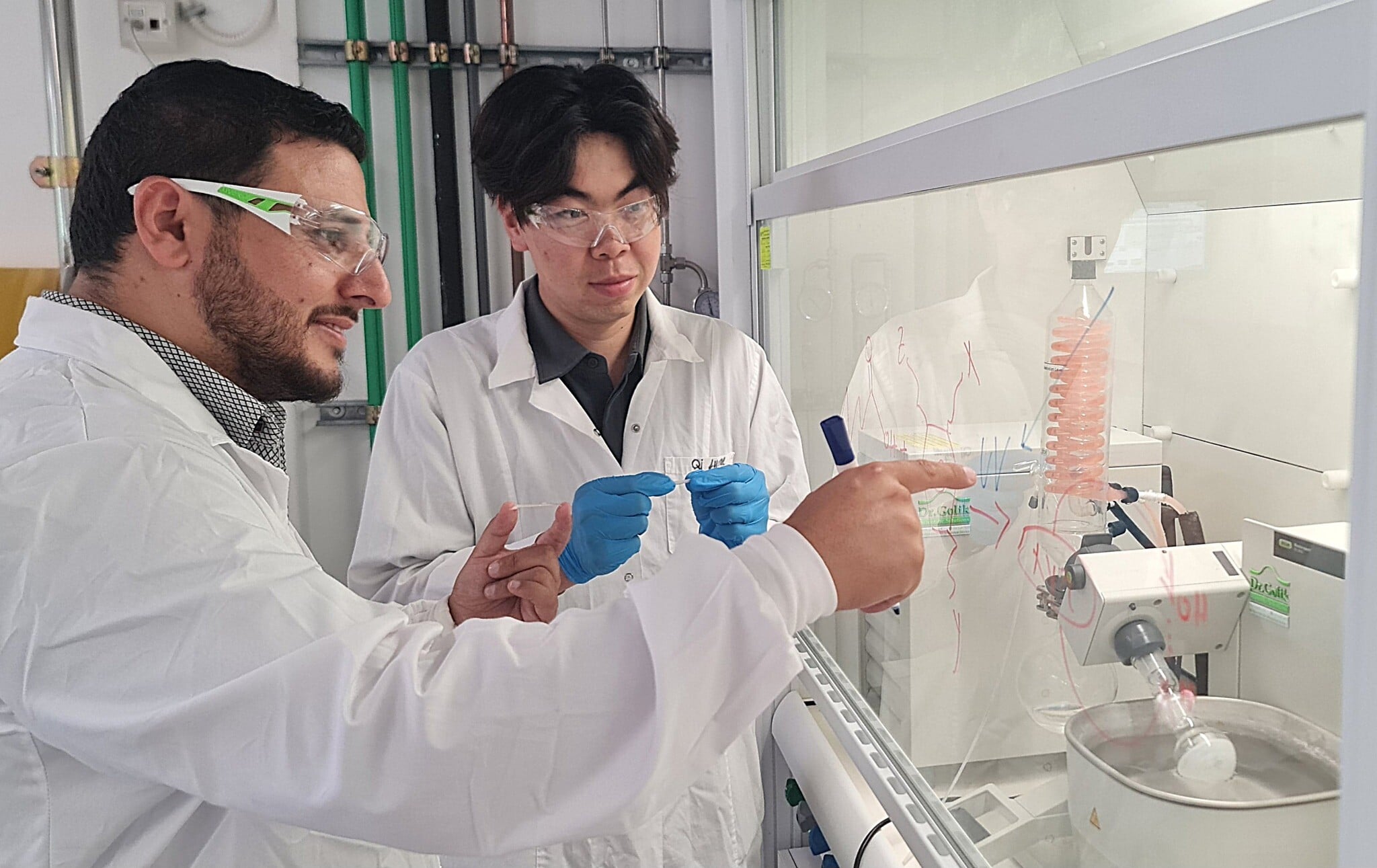
Inspired by the super sticky glue used by mollusks to cling to rocks underwater, an Israeli lab says it has invented an adhesive hydrogel that can seal internal wounds within seconds, potentially saving lives on the battlefield or following surgery.
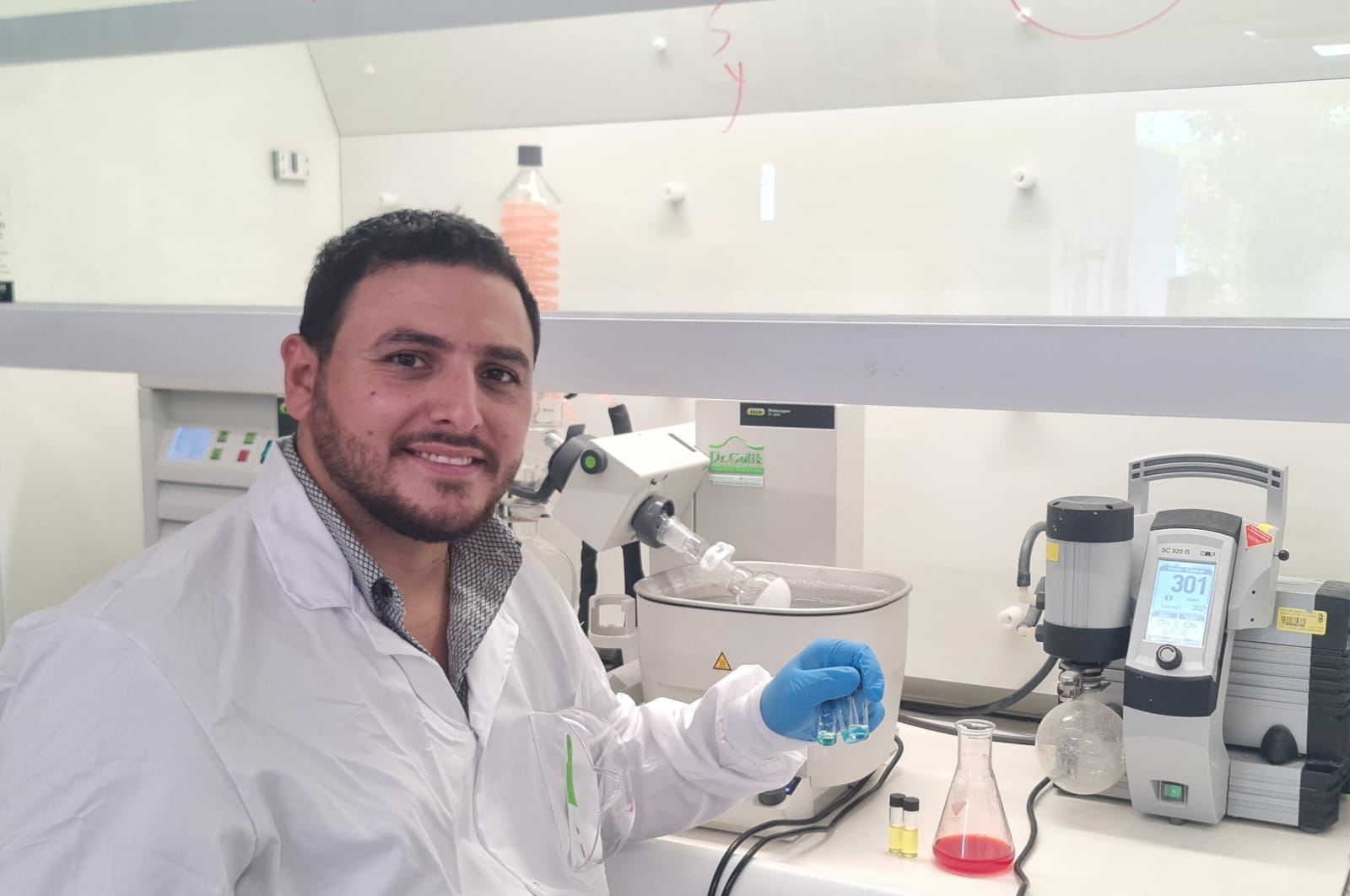
The hydrogel, which is currently in the trial stage and has not yet been tested on humans, is made of a new class of glue that can adhere to wet tissue inside the body to seal wounds on wet or bleeding organs without the need for stitches, sutures or staples, said Shady Farah, head of the Laboratory for Advanced Functional/Medicinal Polymers & Smart Drug Delivery at the Technion-Israel Institute of Technology.
“Nature is the best teacher,” Farah, 39, told The Times of Israel. “We wanted to mimic the adhesive made by mollusks.”
The hydrogel, recently described in the peer-reviewed journal Advanced Materials, can be easily prepared within 10 seconds to be used in areas with limited infrastructure, such as war zones and battlefield hospitals, according to Farah.
“Imagine a scenario where you have massive bleeding,” Farah said. “A vein has exploded, or you have to do surgery and there is an excessive amount of liquids. You can use this hydrogel material inside the body to seal the wound in seconds.”
He paused and then counted out loud, “Just one-two-three-four-five.”
By contrast, stitches, sutures and staples, common in surgeries and wound care, can take much longer to deploy, stealing precious time following traumatic injuries.
The gel can also be 3D printed if needed for a personalized application, increasing its efficiency.
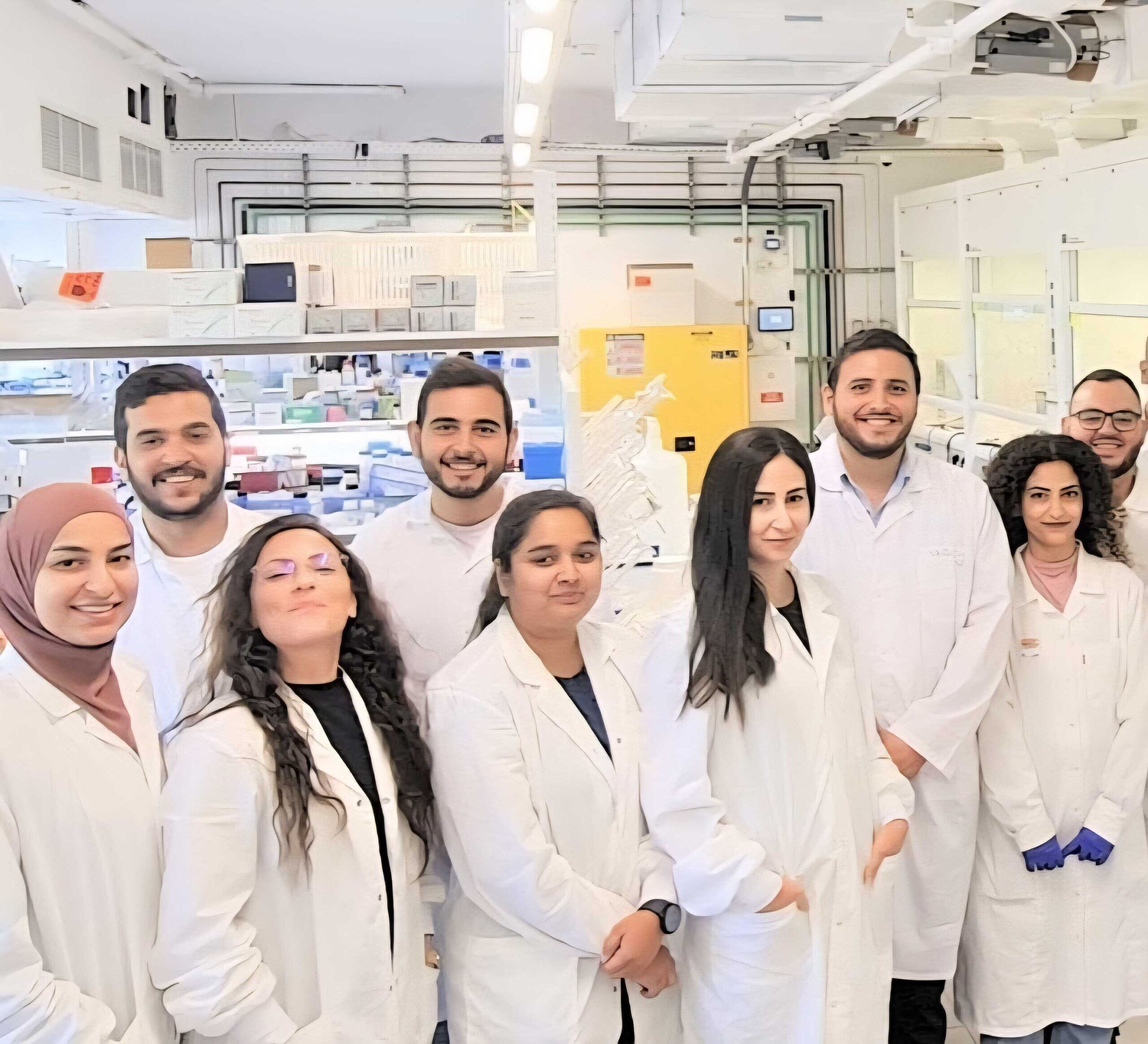
“This can pave the way for next-generation bio-tapes, sealants, and wound care technologies that minimize trauma and improve recovery,” said Farah, who developed the solution along with PhD student Qi Wu.
Prof. Joseph Kost, who holds the Abraham and Bessie Zacks Chair in Biomedical Engineering at Ben-Gurion University, said the bio-adhesive hydrogels represent “a major advancement in medical technology.”
The hydrogels “address a critical need for strong, reliable tissue adhesion in wet or underwater conditions, while 3D printing allows for personalized, complex designs,” Kost, who was not involved in the development of the product, told The Times of Israel in a written comment.
Mussel power
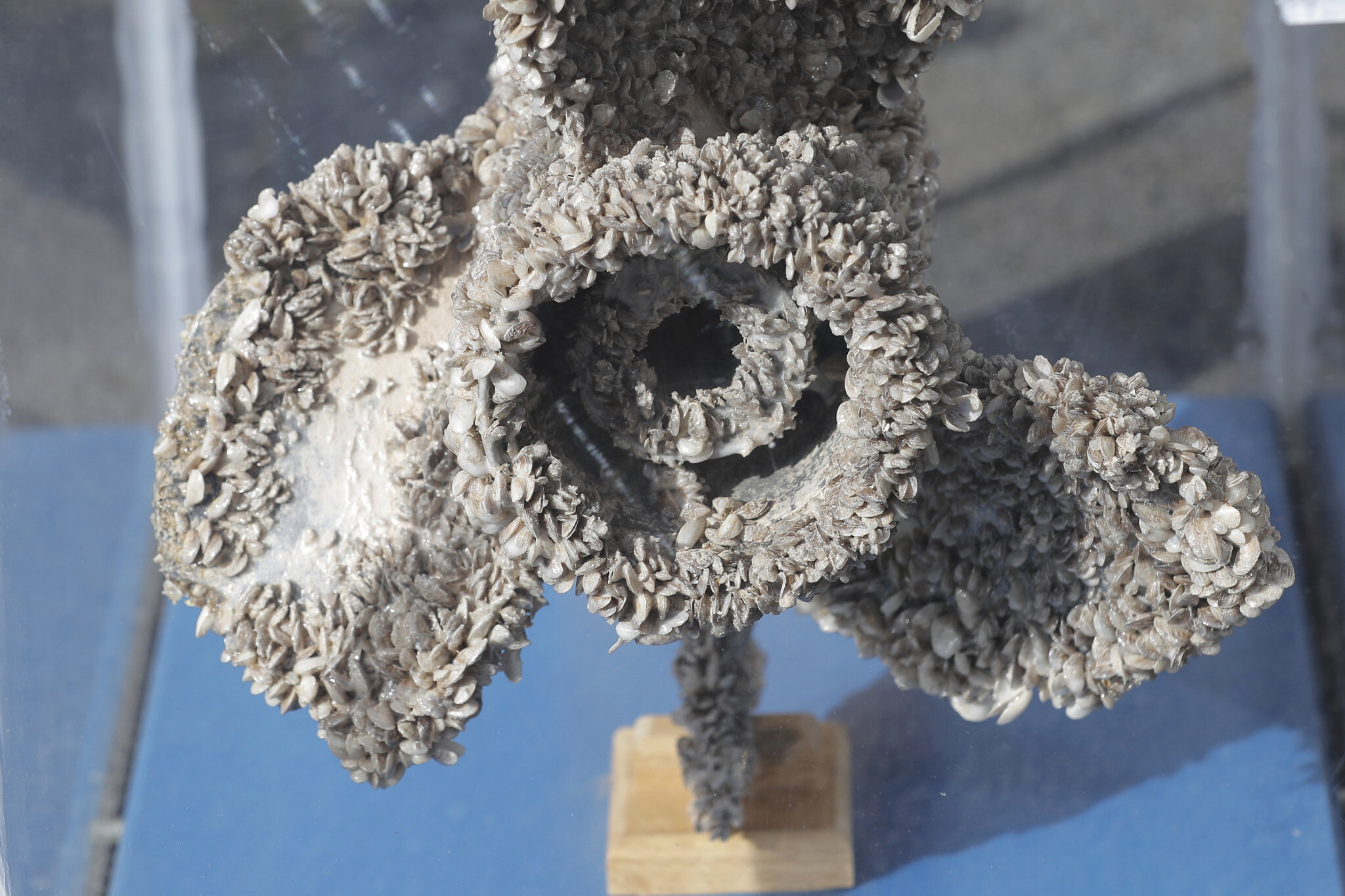
The bio-glue works the same way as the liquid released from the body of a mussel, a type of invertebrate mollusk that lives in the sea, especially in shallow waters near the shore.
Mussels can cling to wet rocks — even as large waves crash over them — because they create a quick-setting liquid protein inside their bodies that they then squeeze into a groove in their foot.
This protein turns into hundreds of sticky threads that have an adhesive that hardens in moments and holds the animal in place.
“We aimed to make a gel that mimics the glue that mussels use,” Farah said. “Something that is friendly to the body, bending and moving, and more like real tissue.”
Farah, who grew up in the Western Galilee town of Kfar Yasif and was a post-doctoral associate at the Massachusetts Institute of Technology, said that the glues that have been used in the past turn stiff or loosen under wet conditions.
“We also wanted a natural material that can prevent infection and bacteria,” Farah said.
“And it’s biodegradable,” Farah said. “After you use it, it disintegrates and you can forget about it.”
To create the hydrogel, the Technion team developed a new class of glue, dubbed Particle Toughened Layer Adhesives, using a water-rich polymer made of long, chain-like molecules that can trap water while maintaining its structure.
The polymer feels almost like jelly, and it is soft and flexible.
One of the adhesive’s most important components is tannic acid, a natural chemical found in tree bark and tea that helps the adhesive cling to living tissues inside the body.
The glue also contains a polymer known as a polylysine, which is used in preservatives to prevent bacterial growth.
Surgical precision
While a potential game-changer for emergency situations, the team also believes the new adhesive can be used to improve post-surgery recovery and care.
According to Farah, some 400 million people undergo surgery each year, and during the first 30 days following surgery, “at least four million die from bleeding, infection and other complications.”
“Infection is a big challenge and a big problem after surgeries,” Farah explained.
When used to close up wounds following a surgery, the gel can be made using high-resolution 3-D printing, with exact shapes and thicknesses personalized for the patient.
The adhesive, which has a shape-memory property, can be printed in advance and then stored, even as a powder. When needed, Farah said, with a “minimally invasive operation,” it is placed in the body.
“Then it changes to fit the desired shape,” Farah said.
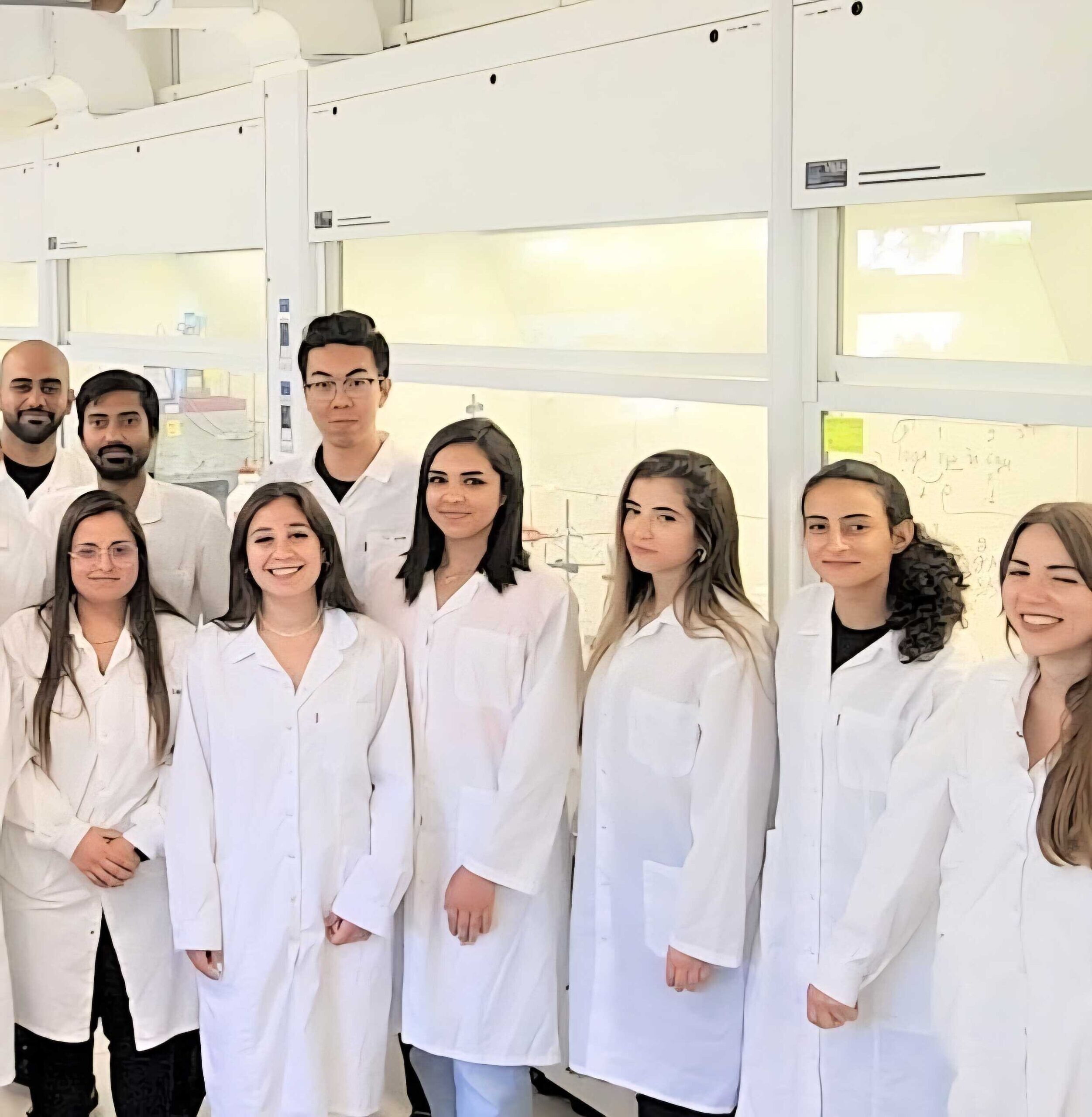
Farah’s team has tested the hydrogel on various tissues, including the heart and liver, as well as in small lab animal models. The next stage is to test the gel on larger animals and then start clinical trials on humans.
“It is super-exciting,” Farah said.









The Times of Israel Community.