

Shots fired at IDF troops on tense Syrian border overnight, causing no injuries
Soldiers shoot back into Syria at unidentified assailants after coming under attack near security barrier, days after large flareup between Israel and Iran in north
 Add ToI as a Preferred Source on Google
Judah Ari Gross is The Times of Israel's religions and Diaspora affairs correspondent.
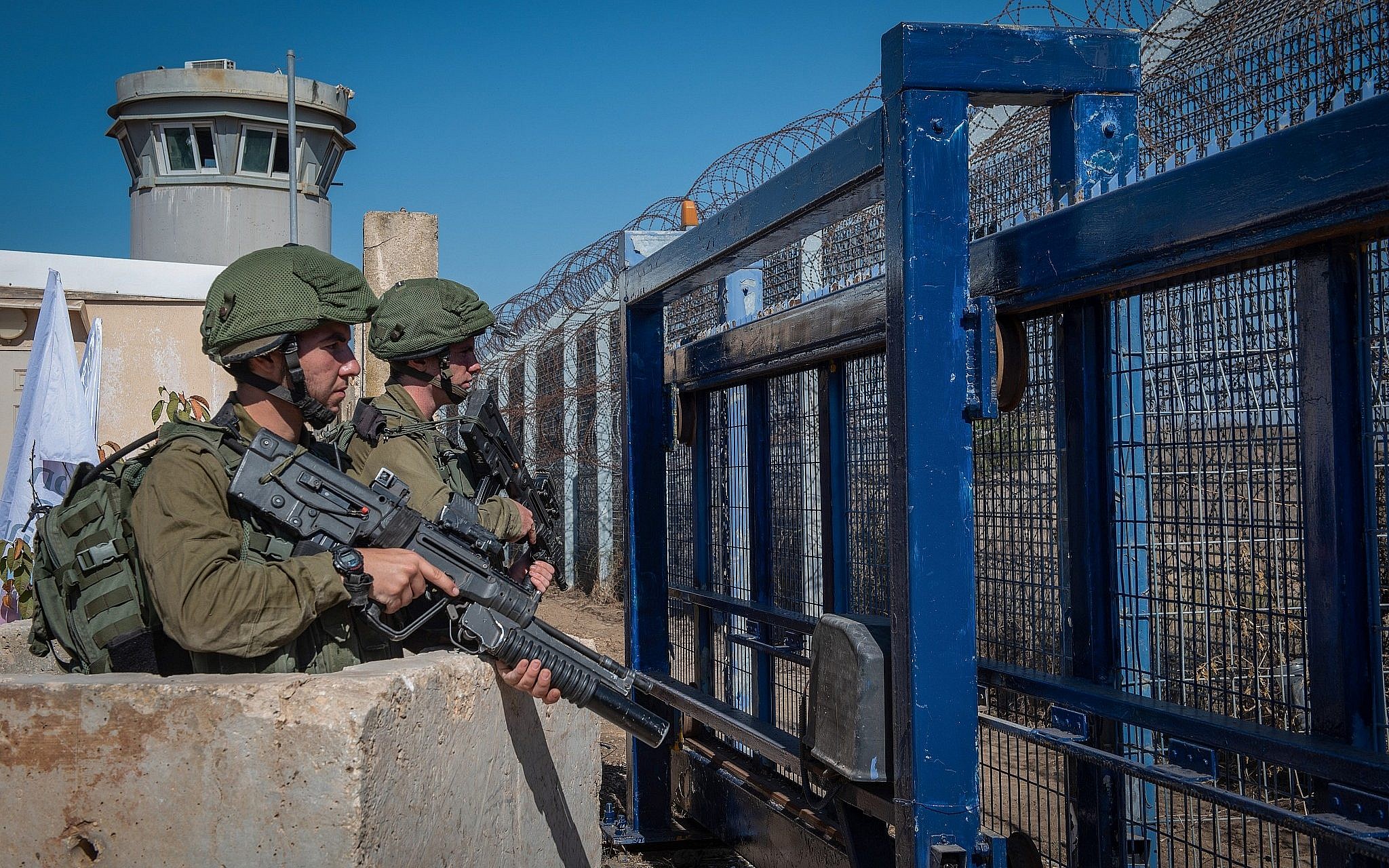
Shots were fired at Israeli soldiers stationed along the Syrian border on Wednesday night, causing no injuries, the Israel Defense Forces said, as tensions remained high along the restive frontier following a flareup earlier in the week.
The IDF troops returned fire at the unidentified assailants. There were no reports of casualties on either side of the exchange. The military said the soldiers were operating in an enclave under Israeli territorial control on the other side of the fence when they saw shots fired at them.
“The soldiers returned fire,” the IDF said.
It was the second Syrian border clash in as many months.
In December, IDF soldiers opened fire at a group of gunmen who crossed the 1974 ceasefire line in the Golan Heights and were approaching Israel’s border fence from Syria, the army said.
No Israeli injuries were reported in the incident. The IDF believed the unidentified individuals had been on an intelligence-gathering operation.
Wednesday night’s limited clash came days after clashes between Israel and Iran in Syria.
On Sunday, Israel reportedly conducted a rare daylight missile attack on Iranian targets in Syria. In response, Iran fired a surface-to-surface missile at the northern Golan Heights, which was intercepted by the Iron Dome missile defense system over the Mount Hermon ski resort, according to the IDF.
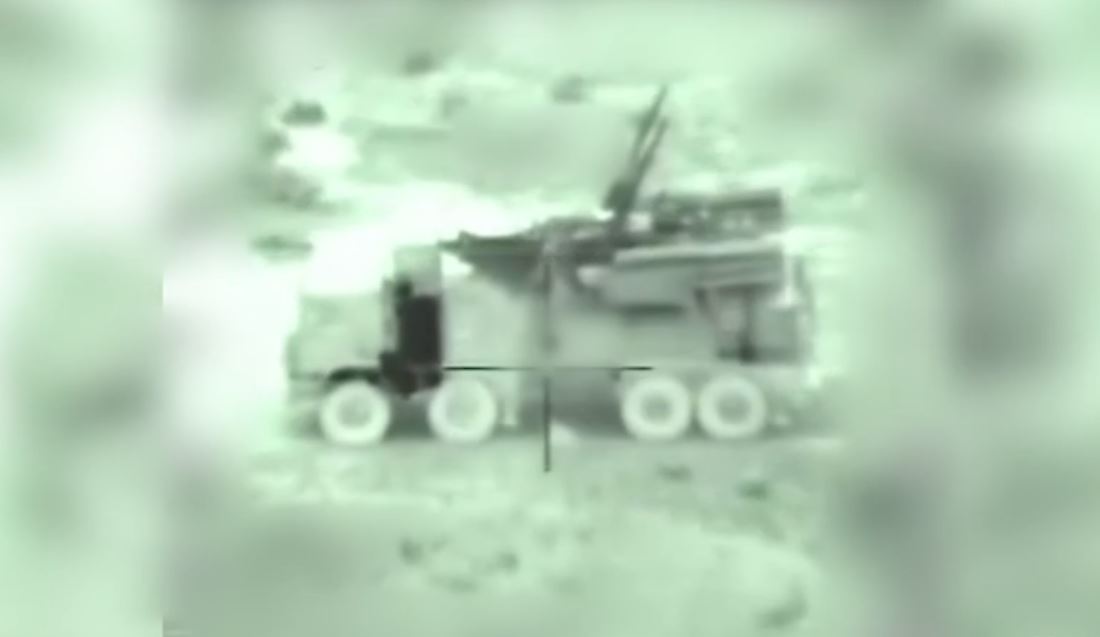
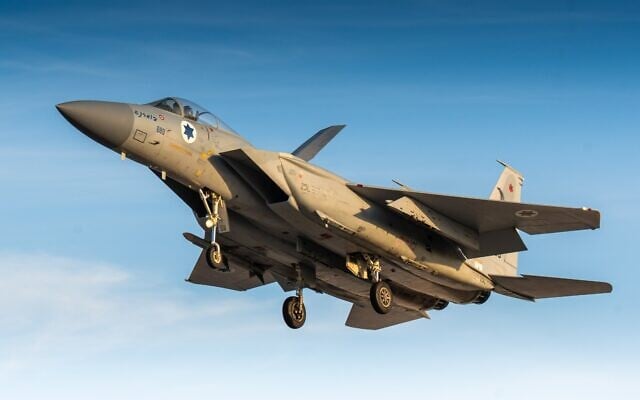
Hours later, in the predawn hours of Monday morning, the Israel Air Force launched retaliatory strikes on Iranian targets near Damascus and on the Syrian air defense batteries that fired upon the attacking Israeli fighter jets, the army said.
Twenty-one people were killed in the Israeli raids in Syria early on Monday, 12 of them Iranian fighters, a Britain-based Syrian war monitor said.
On Tuesday evening, Syria’s envoy to the United Nations threatened that if the world body did not halt Israeli strikes on his country, Syria would retaliate with an attack on Ben Gurion International Airport outside Tel Aviv.
Syrian state media Sana quoted Baashar al-Jaafari as saying that if the UN Security Council didn’t adopt measures to stop Israel, “Syria would practice its legitimate right of self-defense and respond to the Israeli aggression on Damascus International Airport in the same way on Tel Aviv airport.”
On Thursday, the Israeli military said it had deployed the Iron Dome missile defense system in the Tel Aviv metropolitan area.
While Israel has repeatedly hit targets inside Syria in recent years to try to stop the transfer of arms to Hezbollah and the entrenchment of Iranian forces, Syria has rarely responded, beyond firing anti-aircraft missiles at the attacking fighter jets.

It’s unclear if Syria has the ability to strike at Ben Gurion Airport; any attempt to do so would represent a major escalation with significant consequences not only for Israel’s security, but also for its economy and global standing.
The IDF said Monday that the Iranian troops in Syria who launched their missile at the Golan did so in a “premeditated” attack that was aimed at deterring Israel from conducting further airstrikes against the Islamic Republic’s troops and proxies in Syria.
Military spokesperson Jonathan Conricus said the three response sorties destroyed a number of Iranian intelligence sites, training bases and weapons caches connected to the Quds Force, the expeditionary arm of Iran’s Islamic Revolutionary Guard Corps.
According to Conricus, the Iranian retaliatory strike aimed at the northern Golan was “not a spur-of-the-moment” response, but had been planned months in advance, based on intelligence collected by the IDF.
Jacob Magid and Times of Israel staff contributed to this report.





The Times of Israel Community.