

Signaling priority shift, Biden omits Israel from foreign policy adieu
Jewish state barely gets a mention in US vice president’s parting treatise on ‘opportunities for the next administration’
 Add ToI as a Preferred Source on Google
Raphael Ahren is a former diplomatic correspondent at The Times of Israel.
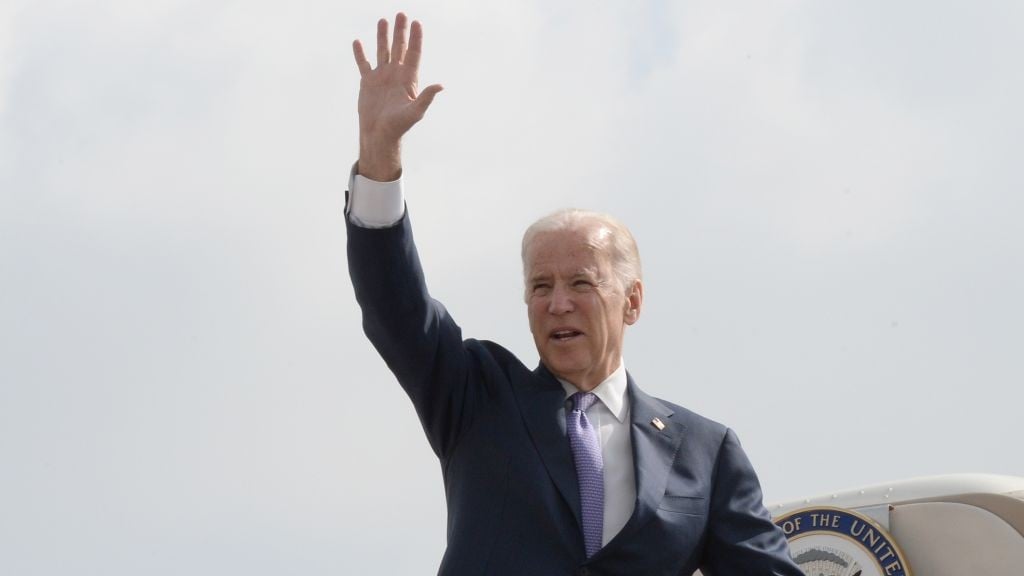
A lengthy article about Washington’s foreign policy challenges written by US Vice President Joe Biden makes no mention of the Israeli-Palestinian conflict, indicating the establishment of a Palestinian state may no longer be a top priority for the current US administration.
As US President Barack Obama enters the last few months of his second term, Israeli officials fear that he could seek to leave his mark on the region by supporting a pro-Palestinian resolution at the United Nations Security Council or making a major foreign policy speech outlining what he views as the general parameters of an eventual peace agreement.
But while US officials have repeatedly stated that they continue to seek a two-state solution, Biden’s striking omission of the Palestinian issue follows Obama’s State of the Union address in January, in which, for the first time in his term, he did not mention Israel or the Palestinians.
Biden’s 4,500-word article in this week’s Foreign Affairs magazine, entitled “Building on Success — Opportunities for the Next Administration,” deals with such issues as America’s relations with China and Russia, Washington’s ties with Asian countries, the Iranian nuclear deal, global terrorism, climate change and cyber-defense. But it only mentions Israel tangentially, in a defense of last year’s landmark nuclear deal with Iran.
“Tehran is neither a friend nor a partner. But our willingness to break taboos and engage the regime directly, combined with our success in mobilizing unprecedented international pressure on Iran to negotiate, peacefully removed one of the greatest threats to global security: the specter of Iran gaining a nuclear weapon,” Biden wrote.
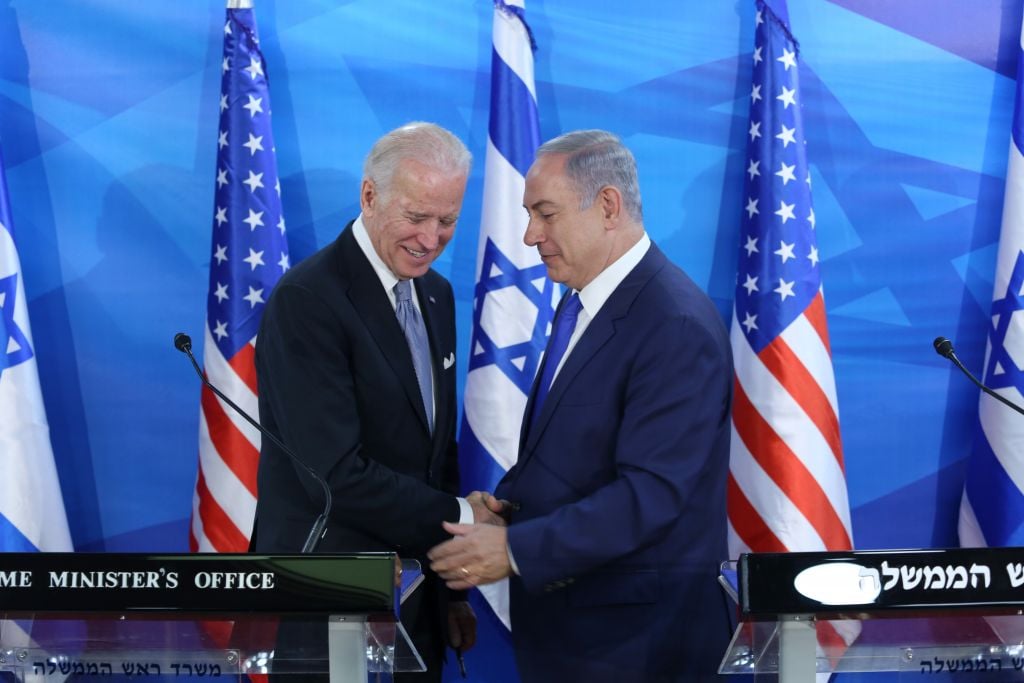
One year after the agreement was signed it is clearly working, the vice president asserted, arguing that it would be dangerous to cancel it. “Tearing up the deal now, as some have proposed, would leave Iran’s nuclear program unconstrained, increase the threat to Israel and our partners in the Gulf, turn the international community against the United States, and sharply raise the prospect of another major war in the Middle East.”
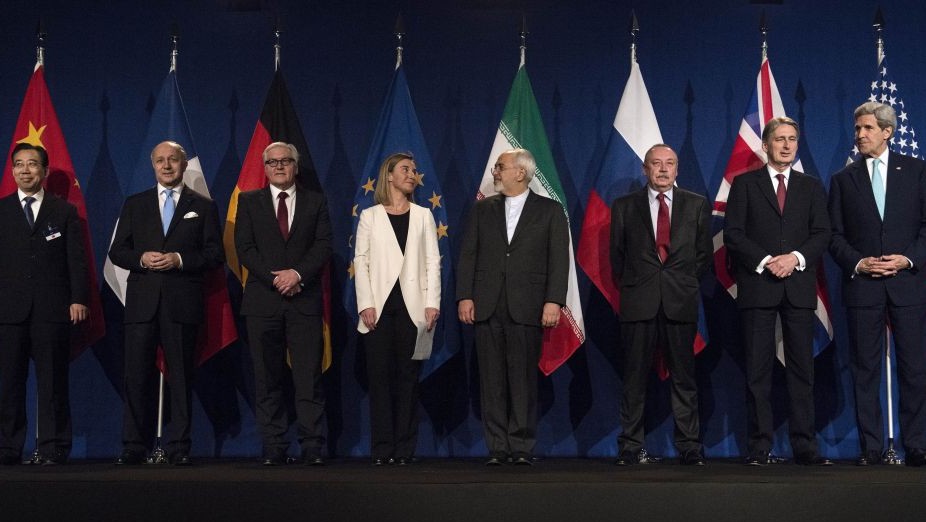
In recent days, the argument between Jerusalem and Washington over the merits of the so-called Joint Comprehensive Plan of Action has been making headlines again. In a press conference, Obama had suggested that today even Israeli security officials agree that it was a good deal. Israel’s defense minister reacted with an usually harsh response, comparing the pact with the Munich Agreement the Allied powers struck with Hitler Germany before World War II broke out. On Monday the Defense Ministry half-apologized for its statement, saying it was “in no way intended to draw comparisons, historical or personal.”
“Critics of engagement should remember that the nuclear deal was never meant to resolve all our problems with Tehran,” Biden wrote in the article. “Engaging Iran need not come at the expense of our ironclad commitments to our allies and partners in the Middle East, including Israel. The United States has retained all the means necessary, including targeted sanctions, to hold Iran accountable for its ballistic missile activities, support for terrorism, and human rights violations, and we are committed to working with our allies and partners to push back against Iran’s destabilizing behavior.”








The Times of Israel Community.