

String of legal challenges still preventing prosecution of October 7 Hamas suspects
Thousands of alleged terrorists await trial due to difficulties with evidence, lack of representation, overloaded justice system, and fears for hostages’ lives
 Add ToI as a Preferred Source on Google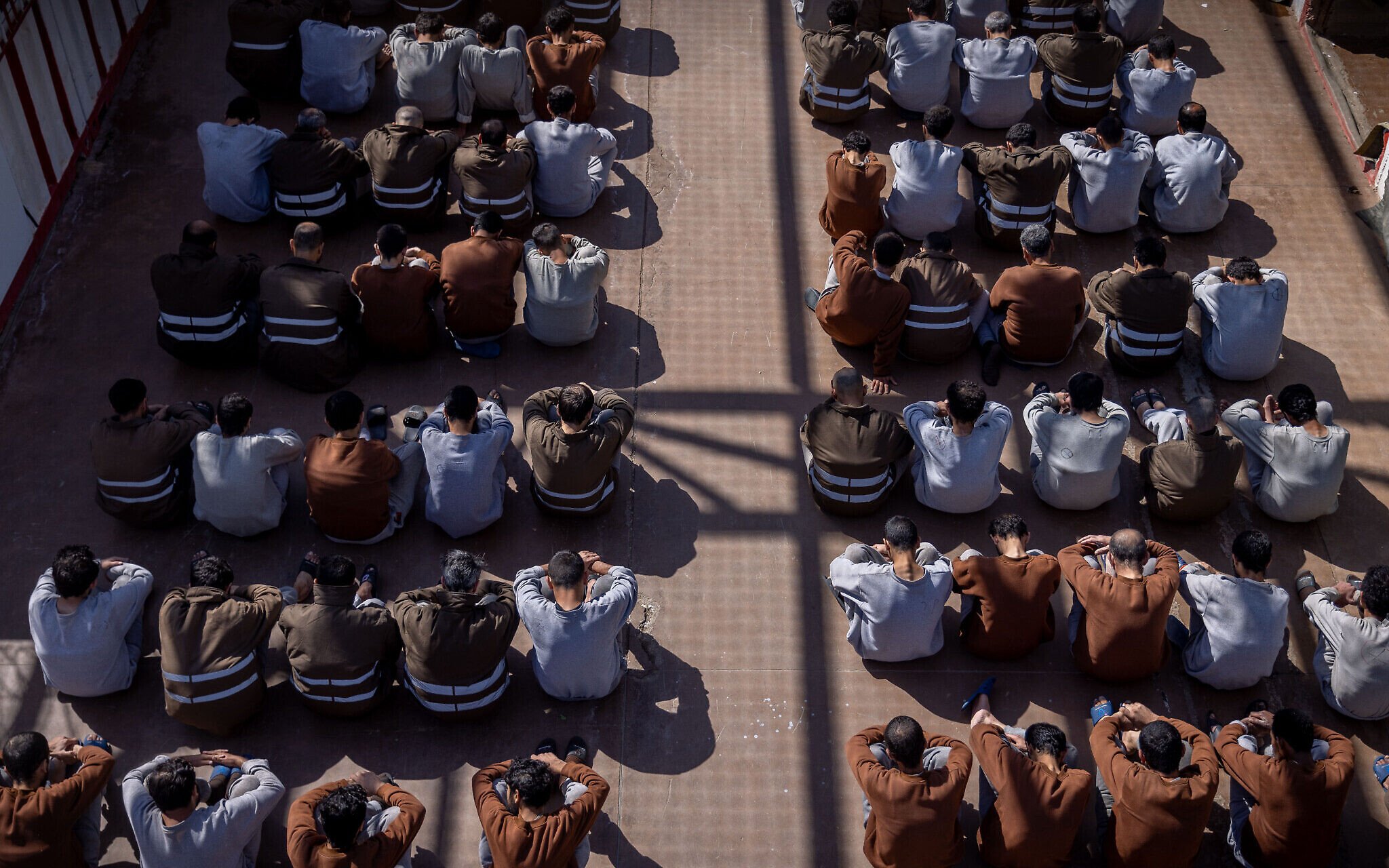
Eleven months after Hamas’s October 7 attack on Israel, a series of legal difficulties are still preventing Israel’s justice system from beginning to prosecute the thousands of terrorism suspects captured in Israel that day or during the resulting war in Gaza.
Citing unnamed sources in the State Attorney’s Office, Haaretz reported last week that the challenges preventing Israel from prosecuting terrorists include inadequate evidence in some suspects’ cases, the extra load on an already struggling justice system, lack of representation for those on trial, and concern that beginning legal proceedings could harm hostages still held in Gaza or the chances of a deal to free them.
According to the report, the investigations into thousands of terrorism suspects arrested on or after October 7 have either been completed or are close to completion, but it is unclear when they will be put on trial.
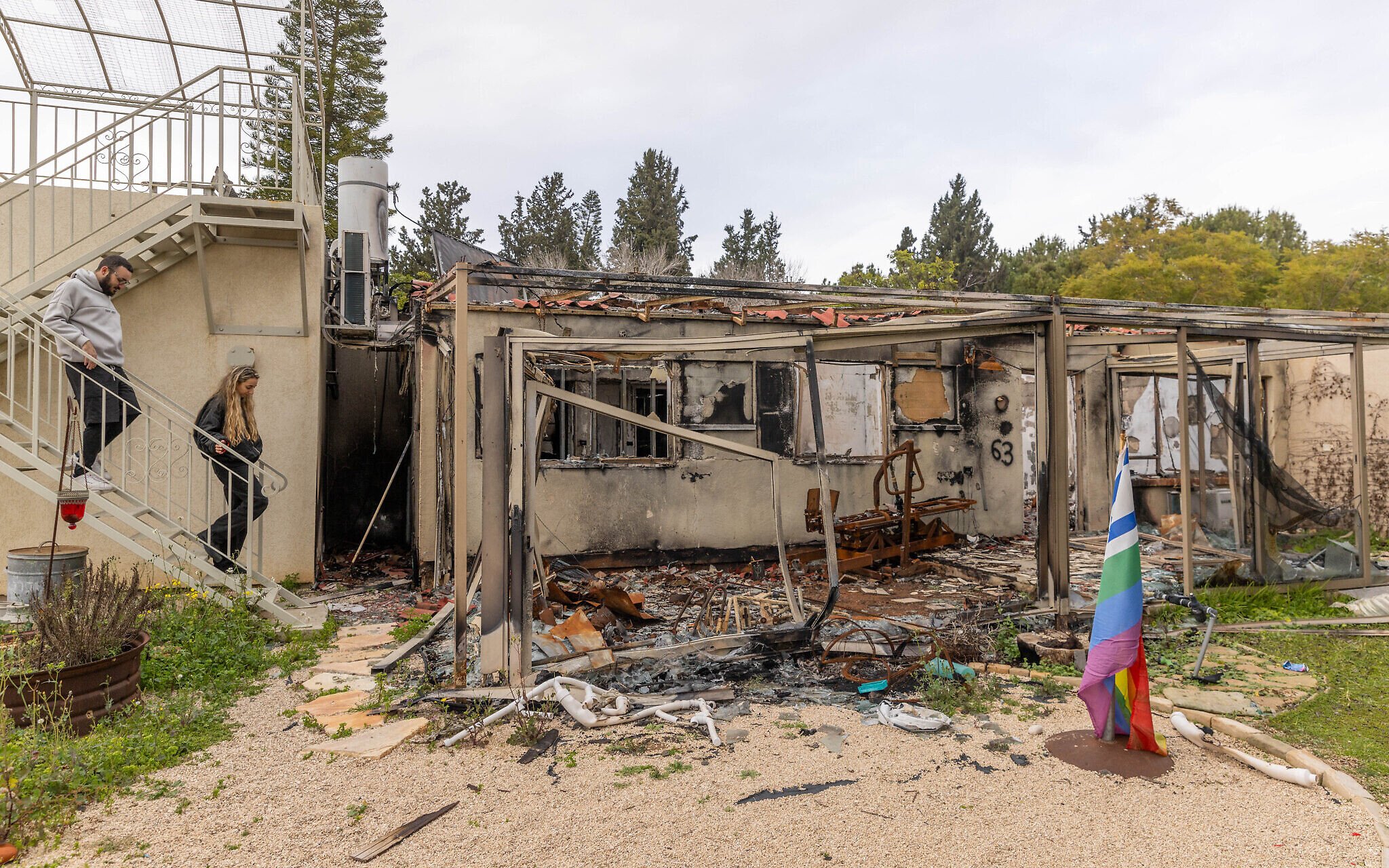
During Hamas’s October 7 attack, more than 3,000 terrorists murdered some 1,200 people, mostly civilians, in towns and bases in Israel’s south, committing widespread atrocities and sexual assault, and took 251 hostages.
Israeli forces killed some 1,000 of the invaders and hundreds more fled back to Gaza. Some 200 were captured alive and several thousand more have been detained in Gaza during the 11 months since, although the IDF has not given detailed numbers and many have been released following questioning.
In some cases, even though the investigation has been completed, prosecutors have little or no evidence that certain suspects took part in the specific murders with which they would be charged, making a conviction unlikely.
Related: Wheels of justice grind slowly for Oct. 7 terrorists, with prosecution a complex affair
One potential solution that has been suggested, Haaretz reported, is to group suspects by the towns they operated in during the attack and put the groups on trial rather than individual suspects. But the International Court of Justice and other forums could declare such trials void because they would not comply with international legal practice.
Meanwhile, a possible solution to the pressure hundreds of trials would place on the justice system would be to hold the trials in military courts instead, the report added.
However, that would still leave the question of who would represent the suspects in their trials, as Israel’s public defenders have refused to represent them. The report did not present any possible solutions. But when faced with a similar issue for the Nazi Holocaust mastermind Adolf Eichmann’s trial in 1961, Israel enlisted foreign lawyers.
The final challenge listed in the report was fear for hostages still held in Gaza as mediators continue to try to reach a deal between Israel and Hamas that would see hostages released in exchange for Israel releasing Palestinian security prisoners and a ceasefire.
At present, the suspects arrested since October 7 are being held mainly in two Israeli prisons, Ofer and Ktziot, and have been split into two groups. The first are people suspected of taking part in or helping plan the October 7 attack and designated to undergo proceedings as criminals, while the second comprises suspects who are being held under administrative detention as illegal fighters.
The suspects have been separated in order to protect the criminal suspects’ rights, Haaretz reported, and thus to avoid accusations of mistrials that would ultimately allow them to go free. However, suspects have been moved between the two groups as recently as in the last few weeks, as new evidence comes to light.
Since the US announced criminal charges against Hamas leaders including Yahya Sinwar last week, soon after six hostages were murdered by their Hamas captors, the State Attorney’s Office has come under criticism by police and citizens for not doing the same or beginning to prosecute October 7 suspects.
However, the former head of the office’s international department, Yuval Kaplinksy, explained to Haaretz that Israel’s legal system does not enable the state to indict Sinwar in the same way as the American system permits.
“Unlike the US, Israel doesn’t indict people who are not under arrest or available for proceedings,” he said.
“The US sees a duty to the Americans harmed by October 7 in filing an indictment,” he added, “but I don’t think there’s a single prosecutor in the US who believes that Sinwar will really be caught and put on trial in the US.”
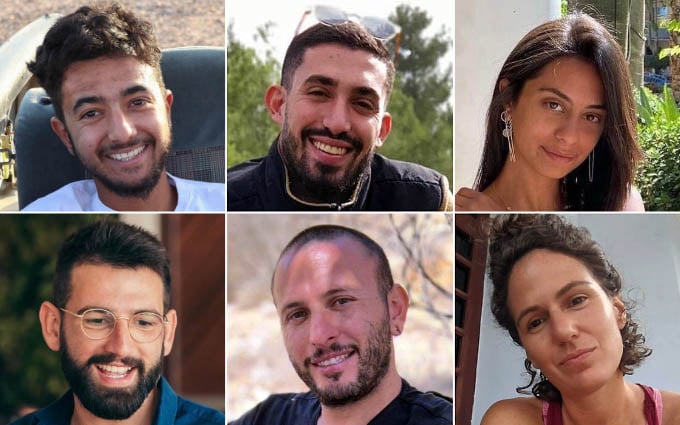
It is believed that 97 of the 251 hostages abducted by Hamas on October 7 remain in Gaza, including the bodies of at least 33 confirmed dead by the IDF.
Hamas released 105 civilians during a weeklong truce in late November, and four hostages were released before that. Eight hostages have been rescued by troops alive, and the bodies of 37 hostages have also been recovered, including three mistakenly killed by the military as they tried to escape their captors.
Hamas is also holding two Israeli civilians who entered the Strip in 2014 and 2015, as well as the bodies of two IDF soldiers who were killed in 2014.








The Times of Israel Community.