

Tel Aviv students threaten Netanyahu with strikes over ultra-Orthodox draft evasion
In letter to PM, union says that failure to draft Haredim places greater annual burden on students who serve in reserve forces, impacting their studies
 Add ToI as a Preferred Source on Google
The Tel Aviv Students Union on Tuesday warned Prime Minister Benjamin Netanyahu that it would take protest action to the point of strikes if the government moves ahead with legislation aimed at continuing to exempt the ultra-Orthodox community from army conscription.
In a letter to Netanyahu, the union argued that denying the Israel Defense Forces the additional manpower of tens of thousands of ultra-Orthodox men who could be conscripted places an additional burden on students, requiring them to do more annual reserve duty, hindering their studies and eventually making it difficult for them to join the job market.
The letter was also sent to Defense Minister Yoav Gallant and Education Minister Yoav Kisch.
“As the legislative process continues, we will take extensive protest measures, even as far as the complete shutdown of studies,” the union said, calling the government’s plans “discriminatory.”
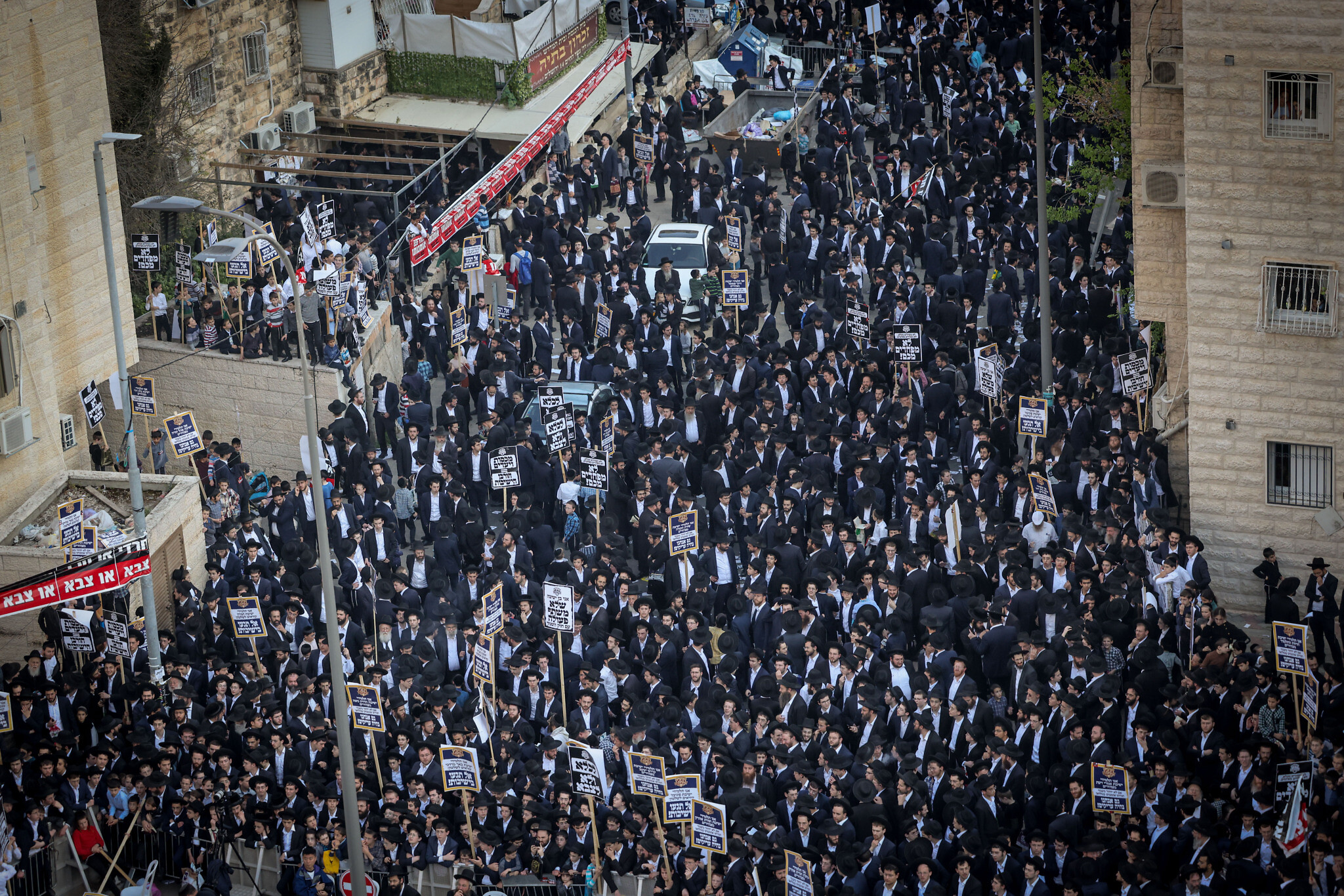
The government is trying to move ahead with legislation that will cement in law the exemption from military service of the ultra-Orthodox community, also known as Haredim, despite opposition to the move within the coalition and pressure in the High Court, where petitions have been filed demanding that eligible men be conscripted. Previous legislation and government orders that shielded the Haredim from the draft expired earlier this year, leaving some 63,000 young ultra-Orthodox men with no legal framework exempting them from service.
The issue has gained added urgency after eight months of war against the Palestinian terror group Hamas in the Gaza Strip, which has placed considerable strain on the army’s resources, requiring that hundreds of thousands of reservists be called up for duty.

The letter noted that army and Defense Ministry data shows there is a shortage of soldiers.
“The lack of manpower will lead to an absurd situation where male and female students will be required to choose between their duty and right to protect the homeland and building their professional future,” the letter said.
Union spokesperson Daria Ovchinikov told The Times of Israel that the group has been in contact with student unions in other universities and is working on getting their cooperation in the strike threat.
Ovchinikov explained that due to the war in the Gaza Strip, annual reserve duty for student-age soldiers has been increased from about 45 days a year to 60, with commanders serving even longer, and that the Israel Defense Forces intends to keep the increase in place for years to come. She said the university has 7,000 students who are reserve soldiers, of whom 2,000 have already served over 100 days in the army since the war started.
Many students are not managing to make up the material they miss when away on reserve duty, Ovchinikov said. However, for the past academic year, the university granted such students exemptions from courses and other benefits to help them, which will not be the case in the future, she said.
“They will fall further and further behind,” Ovchinikov said. “We will use all protest moves at our disposal, on behalf of our friends who are fighting every day for us. We are fighting for them.”
Ovchinikov stressed the students were not attacking Haredim in particular, but rather demanding that all segments of Israeli society share the national service burden. While Jewish Israelis have compulsory service, Arab Israelis do not, but Ovchinikov said that issue is not currently on the legal agenda and therefore was not brought up in the letter to the ministers.
Last month, after failing to agree with his Haredi coalition partners on military service for their traditionally exempt community, Netanyahu announced that he would revive a 2022 bill, which would lower the age of exemption for mandatory service for Haredi yeshiva students from the current 26 to 21 while “very slowly” increasing the rate of ultra-Orthodox enlistment.
The lower army exemption age would mean Haredi yeshiva students wishing not to serve could leave full-time study at a younger age and potentially join the workforce.
The move by Netanyahu was criticized by both minister Benny Gantz, who had initially promoted the bill while serving as defense minister, and Gantz’s successor, Gallant, who said that he would block any draft law “brought unilaterally by some of the coalition factions.”
Gantz pledged that the bill would not pass in the Knesset and would not be tolerated by the High Court of Justice and the Israeli public.
Earlier this week, the High Court heard petitions against the government’s plans to legislate further exemptions, with the panel of nine judges at times sharply and unambiguously criticizing the government’s claims that ultra-Orthodox yeshiva students should not be drafted.
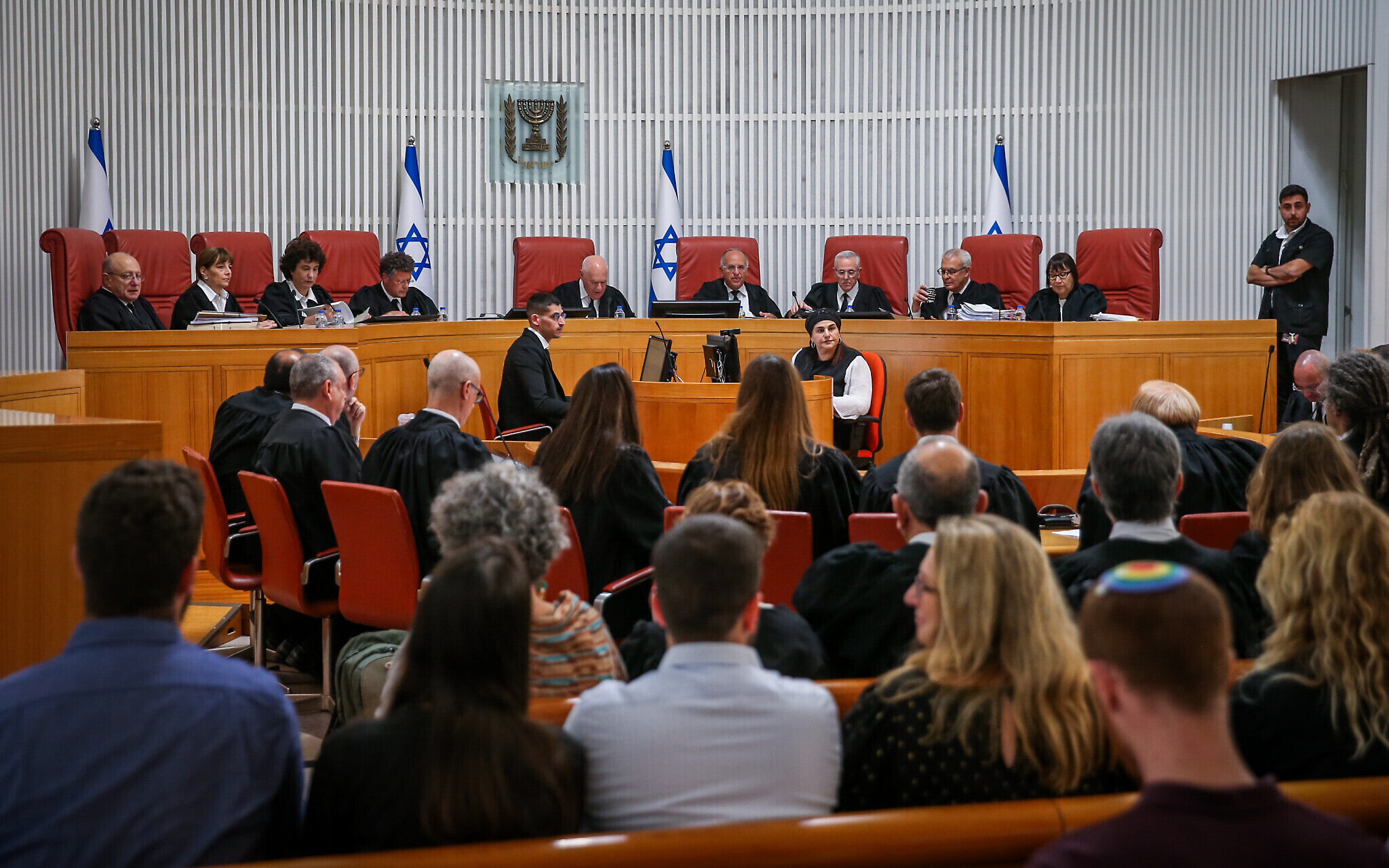
The petitions were filed by the Movement for Quality Government, Brothers in Arms, and other groups following the expiration last June of the highly controversial law which allowed for blanket military service exemptions for Haredi yeshiva students. At the end of March, a government resolution lapsed that instructed the IDF not to draft such men until new legislation is passed.
In 2017, the High Court of Justice invalidated the legal exemption as discriminatory and ordered the government to pass a new conscription law. The government has since been unable to agree on legislation, repeatedly extending the non-conscription policy, while Haredi politicians have sought to pass legislation cementing the exemptions.
Many Haredim believe that studying the Torah helps protect the Jewish people and even the country, and fear that serving time in the army would dilute adherence to their strict ways of life and lead impressionable members of the community astray.
Among non-Haredi Jews, this is widely perceived as draft-dodging by a group that refuses to integrate into mainstream society.








The Times of Israel Community.