

The Capuchin monastery, a modest oasis in upscale Jerusalem
Although they live a communal life, the Capuchin friars are not cloistered in their monasteries. Rather, they go out into society performing charitable activities
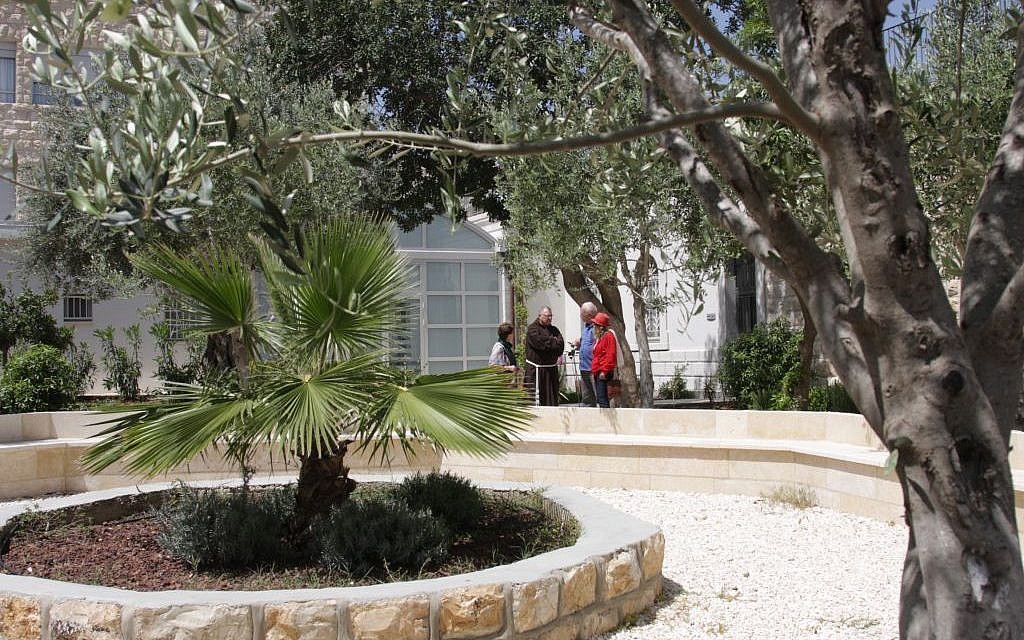
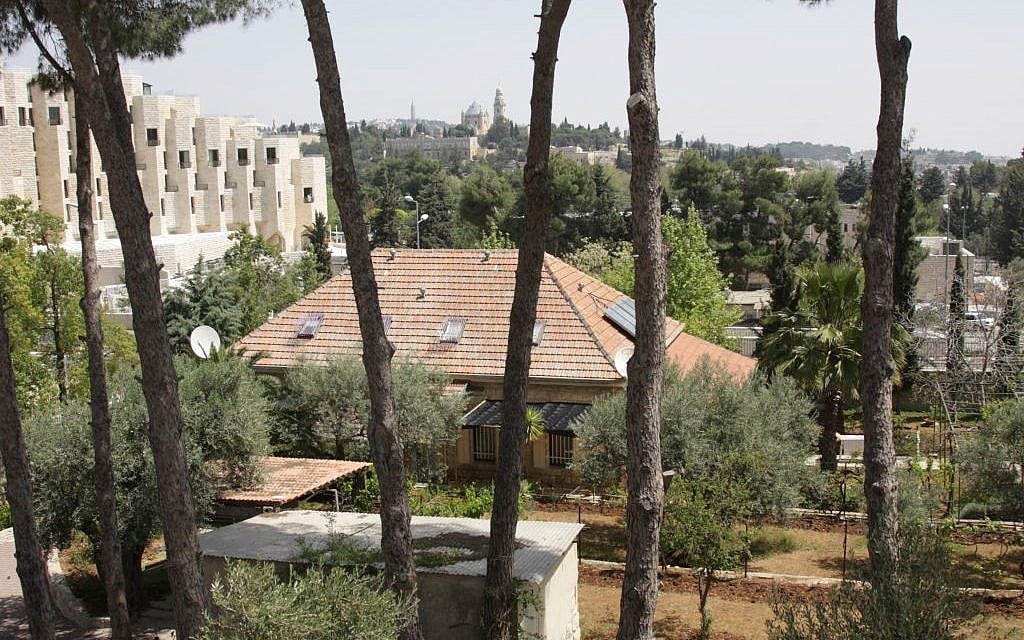
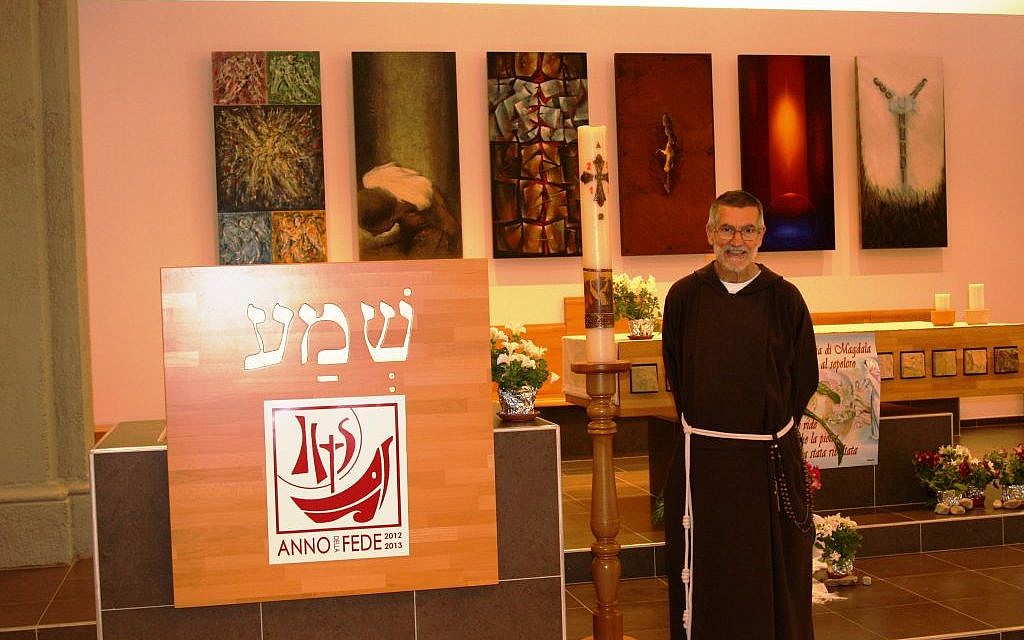
Sometime in the 16th century, as Franciscan friars toiled in the fields of Italy, a group of children ran after them chanting “cappuccino, cappuccino!” What they were referring to were the large hoods worn by friars of one branch of the Franciscan order to keep rain and the hot Italian sun off their necks.
It wasn’t long before those Franciscans became known, worldwide, as Capuchins. And one day we would all call that delicious coffee drink that is the color of their hoods cappuccino.
It is no surprise that there are Franciscan churches, monasteries and friars in the Holy Land – quite a few of them in Jerusalem. What is unusual, however, is the location of the Capuchin monastery, for it stands smack in the middle of Talbieh, one of the city’s most exclusive neighborhoods.
Far less grandiose than many similar establishments, the Capuchn monastery reflects the values of its occupants: Capuchin friars, while Franciscans, prefer a simpler life with more prayer and more penance. Capuchins are among the strictest of Catholic monastic orders and spend significant time communing with the Lord.
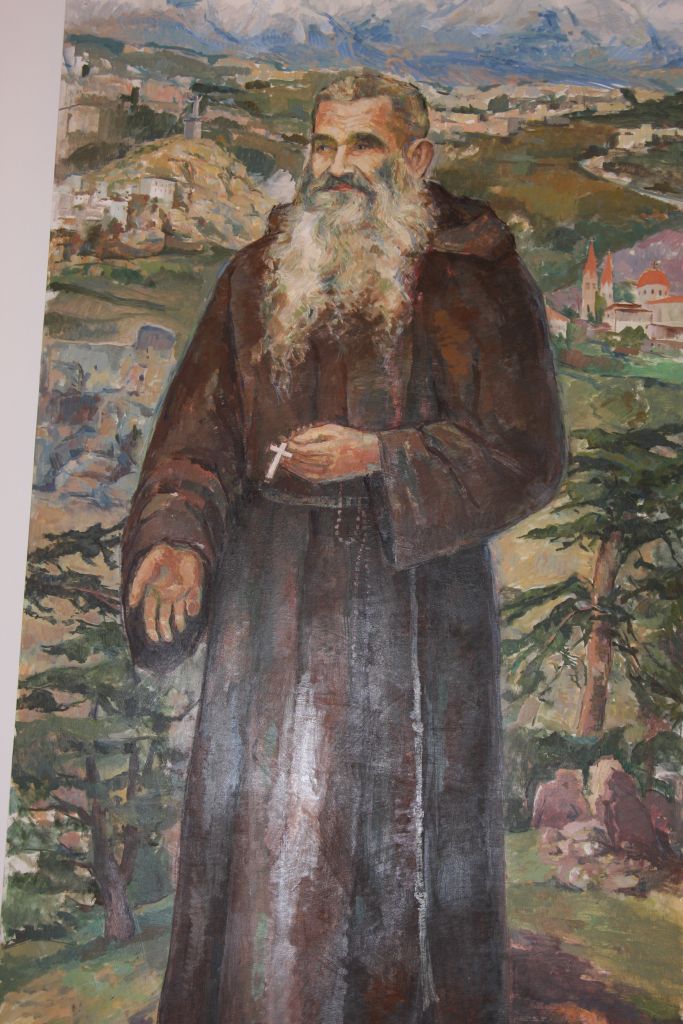
Their Holy Land adventure began back in 1932. At the invitation of the Latin Patriarch, a Capuchin friar working with the poor and needy in Lebanon named Abuna Yacoub was dispatched to Jerusalem. After Abuna Yacoub purchased land in the new neighborhood of Talbieh, construction began on a friary.
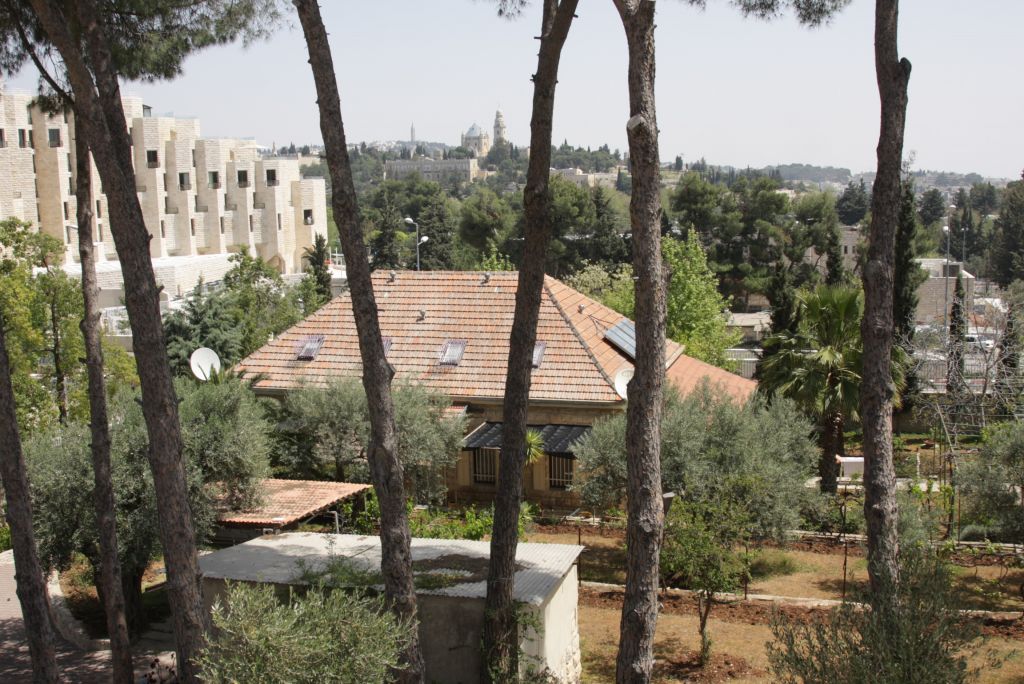
Work on the building, designed by a friar from Lyons, began in 1935. But relations between Italy and Britain deteriorated in the 1930’s. And in 1937, as soon as most of the friary was completed, the British commandeered the property and turned it into a military prison. Two friars remained in a little house in the garden, maintaining the property.
When the British finally left the country, the State of Israel asked the Capuchins for permission to rent the building for use as a psychiatric hospital. The adjoining plot of land served as a therapeutic garden for the patients.
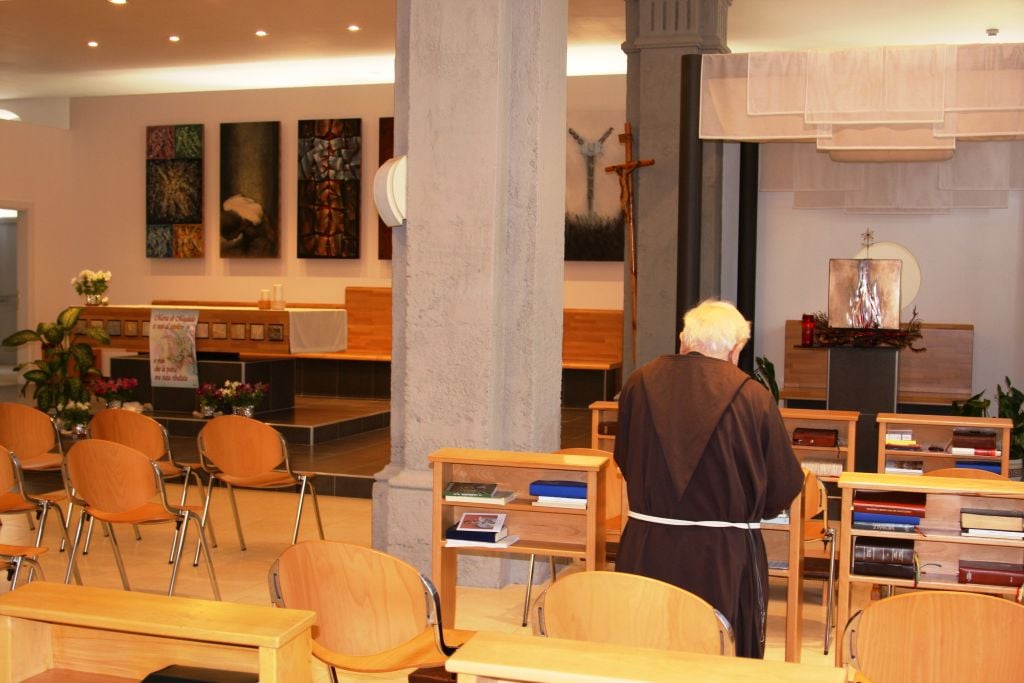
In the late 1990’s, as soon as Israel returned their property, the Capuchins began extensive renovations. Unfortunately, the hospital was in a state of terrible disrepair and full of the asbestos utilized by both the British and the Israelis in their construction.
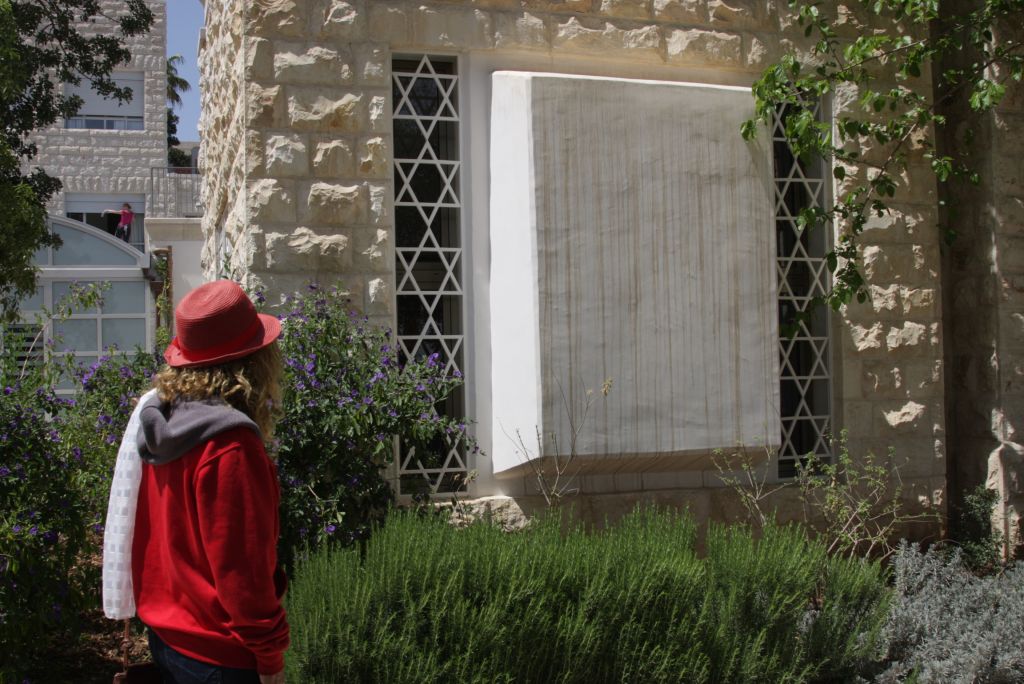
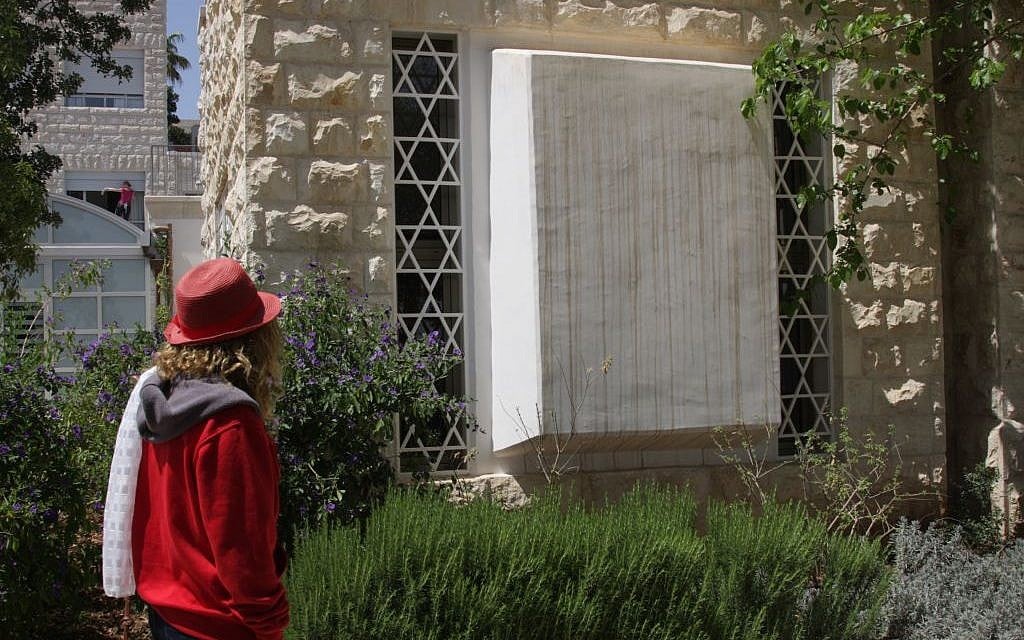
It took over a decade, but by 2010 the Capuchin friars had rebuilt about half of the structures, added a chapel, and removed the asbestos. The former psychiatric hospital’s synagogue remains as it was: the Torah scroll was removed, but the gratings on the windows are still covered with Stars of David.
Although they live a communal life, Capuchin friars are not cloistered in their monasteries. Rather, they go out into society performing charitable activities. Today there are Capuchin friars in 107 different countries, working in needy communities within hospitals, schools, and institutions.
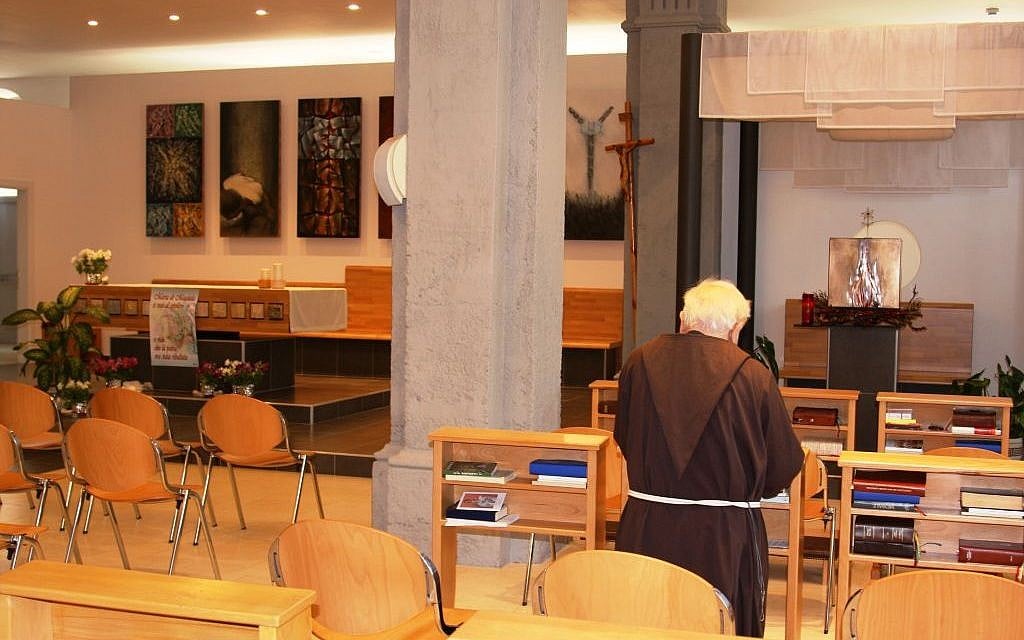
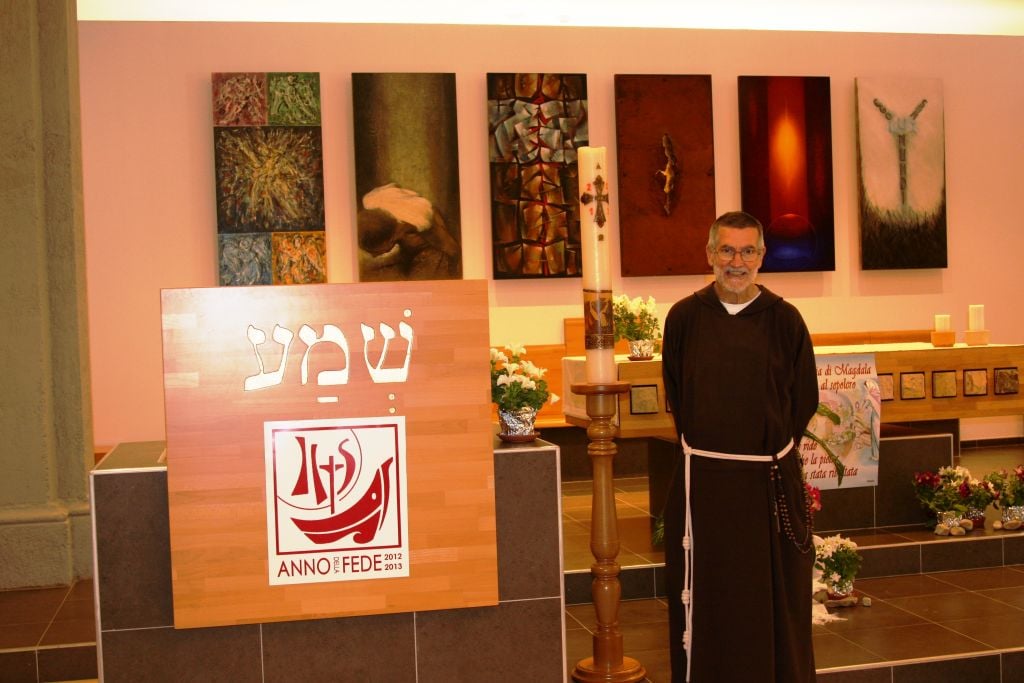
Jerusalem’s Capuchin friars keep busy receiving visitors and pilgrims interested in experiencing a spiritual retreat. Called the Capuchin Center for Spirituality, this tranquil oasis in the midst of Jerusalem provides the theologians, scholars and pilgrims who lodge there with a special atmosphere fitting for the Holy City.
Light plays a large part in the impressive chapel, which features skylights for direct sunlight and inset ceiling panels that provide electric illumination. The white walls and modernistic paintings provide a striking contrast to the heaviness of many older Catholic churches, and reflect the Center’s motto – the New Testament teaching: “I am the light of the world” (John 8:12).
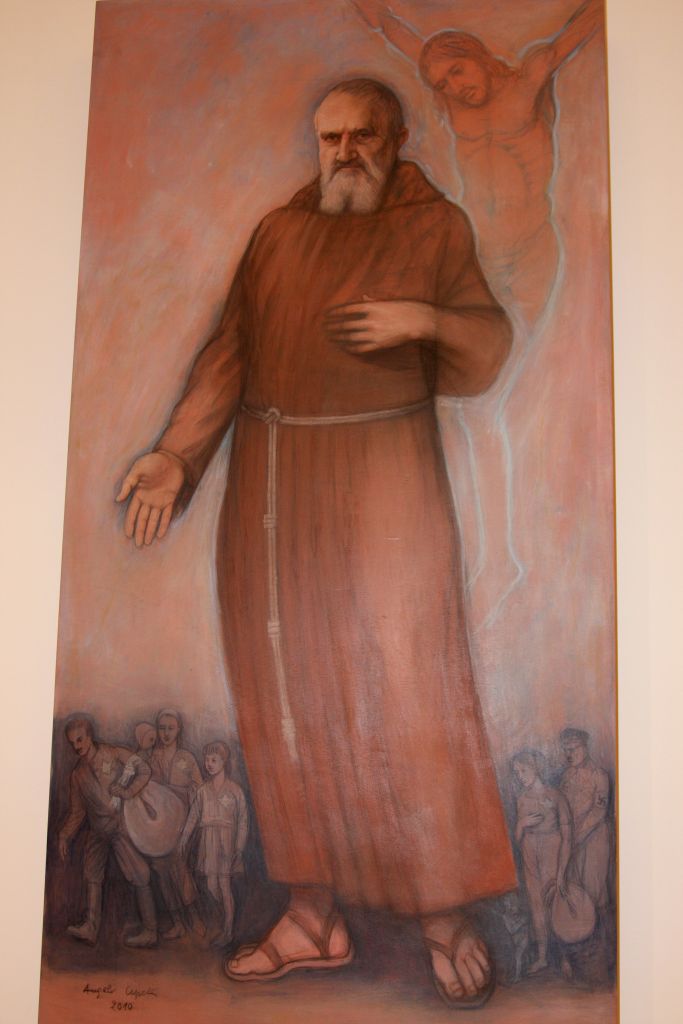
Two life-sized portraits are prominently displayed just inside the entrance, and the monastery’s friars are very proud of both.
One life-sized picture portrays Abuna Yacoub; the other, courageous Capuchin friar Father Pierre-Marie Benoît, credited with saving thousands of Jewish lives during the Holocaust. On April 26, 1966, Capuchin friar Pierre-Marie Benoît was recognized by Yad Vashem as a Righteous among the Nations.
(Many thanks to Father Stephano and Father Joseph for their help in preparing this article.)
———-
Aviva Bar-Am is the author of seven English-language guides to Israel.
Shmuel Bar-Am is a licensed tour guide who provides private, customized tours in Israel for individuals, families and small groups.


The Times of Israel Community.