

To the market, on prime TA property
The first stages of an Italian open-air food emporium open on the former land of the IDF Kirya
 Add ToI as a Preferred Source on Google
Jessica Steinberg, The Times of Israel's culture and lifestyles editor, covers the Sabra scene from south to north and back to the center
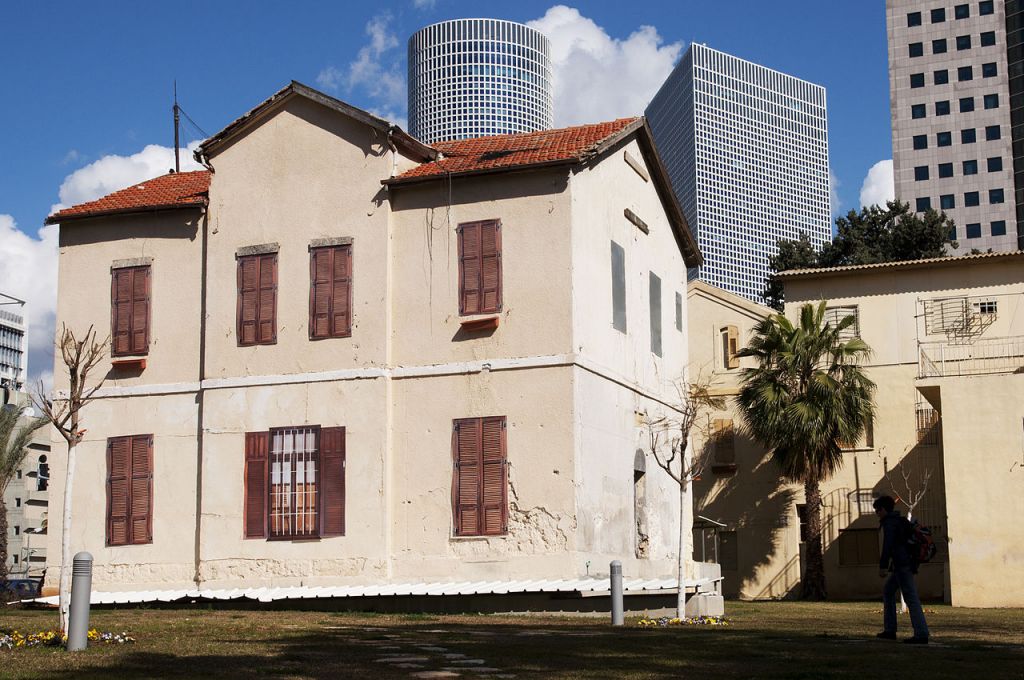
Tel Avivians and tourists now have another place to eat gourmet food and shop for high-end clothing, with the grand opening of the Sarona Market in the former Kirya, the IDF’s historic headquarters in the northern part of the city.
For now, a few of the stalls and stores have opened for the Passover holiday, though there’s no matzah being served here.
Styled as an upper-end market, similar to Mario Batali’s Eataly food emporium in New York, the Italian Quarter will ultimately feature dozens of stalls with (non-kosher) foods from different parts of Italy, served restaurant-style or packed for customers in wicker picnic baskets. There is also a selection of imported designer-clothing stores, housed in some of the restored buildings.
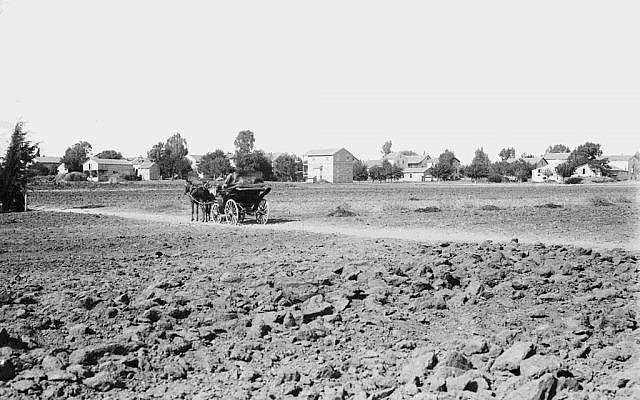
Owned now by Gindi Holdings, a local real estate development company, the entire quarter sits across from the Azrieli buildings, at the corner of Namir Road and Kaplan Street, the site of the former German Templar colony that was purchased in 1871 from a Greek monastery. One of the earliest villages established outside Jaffa, the neighborhood was called Sarona, and settled by German colonists who farmed the marshy land.
British troops took over Sarona in 1917, commandeering other buildings for their own use. During World War II, Sarona and three other agricultural Templar settlements became compounds for interning all Germans living in Palestine. By 1941, nearly 200 people from Sarona were deported to Australia, and the rest left Palestine after the war.
By 1948, the new Israeli government used the Templar houses and British barracks for their own offices. Known as the Kirya, the military compound was used by the Ministry of Defense, the General Staff of the IDF, and other government offices.
As Tel Aviv grew, the Kirya real estate became too valuable for the government to keep and the government decided to sell the land, preserving 30 of the Templar-style historic buildings, according to Yedioth Ahronoth. Most of the army and government offices will eventually be moved to the Negev, the Galilee and Lod.
Given the value of the land, the buildings that aren’t being preserved will be replaced by two residential buildings and two office buildings — one of which is expected to be the tallest in Israel with some 80 floors.









The Times of Israel Community.