

Trump seeks to tie Netanyahu’s hands, as the partnership that went to war 100 days ago collapses
Telling Israel it had better not respond to an Iranian missile attack, the US president — desperate for a deal with the devilish Tehran regime — presented the PM with a stark dilemma

 Add ToI as a Preferred Source on Google
David Horovitz is the founding editor of The Times of Israel. He is the author of "Still Life with Bombers" (2004) and "A Little Too Close to God" (2000), and co-author of "Shalom Friend: The Life and Legacy of Yitzhak Rabin" (1996). He previously edited The Jerusalem Post (2004-2011) and The Jerusalem Report (1998-2004).

One hundred days after they went to war together to thwart Iran’s rogue nuclear weapons program, radically degrade its ballistic missile industry, end its support for the Hezbollah and Hamas terror armies, and create the conditions for the fall of the regime, the US-Israel alliance against the Islamic Republic on Sunday reached its nadir.
With its north battered relentlessly by Hezbollah in recent weeks, Israel resorted to a largely symbolic strike on the terror group’s Dahiyeh stronghold in Beirut, reportedly without telling the disapproving Trump administration ahead of time that it was doing so.
And, as it had warned it would, Iran responded by firing about 10 missiles at northern Israel — again sending that sector of the country rushing to bomb shelters, though causing no injuries or damage.
But as Israel prepared to “respond forcefully” against Iran, in the words of an unnamed senior Israeli official, US President Donald Trump ordered it to think again.
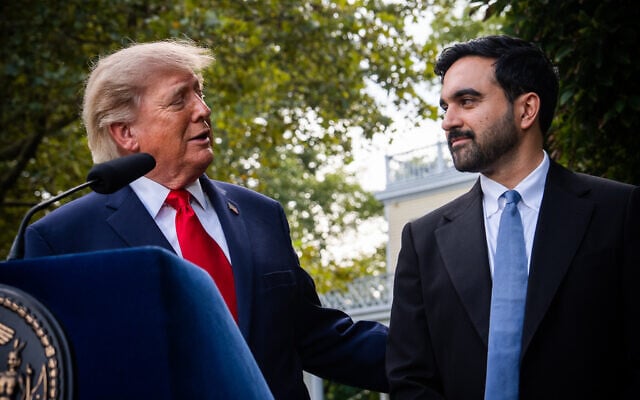
Before he had even spoken to Prime Minister Benjamin Netanyahu, his partner of 100 days ago, the president was telling his favorite Israeli journalist, Barak Ravid, that Israel had better not hit back: “I am going to call Bibi right now and tell him not to retaliate,” Trump vouchsafed. “Each of them had their fun. Israel had its strike and Iran had its strike. We don’t need another one.”
Trump has repeatedly denied claims that Netanyahu dragged him and the United States into the war. But he has made it increasingly clear that he is desperate to end the inadequately planned campaign, even with none of the declared US-Israeli goals achieved. He’s still insisting that he is holding out for terms that will ensure the regime never gets nuclear weapons, but there’s no guarantee of that in the leaked drafts of the memorandum of understanding he’s been working toward. And his overriding priority is to get the Strait of Hormuz reliably open again and alleviate the global energy chaos that Tehran has proved so adept at creating.
Even as Iran was firing on the north, Trump was asserting for the umpteenth time that he is days away from a deal with the manifestly obdurate and duplicitous regime: “I would say an agreement would be signed on Monday, Tuesday or Wednesday of this coming week,” the US president claimed. “And now this takes place,” he groused.
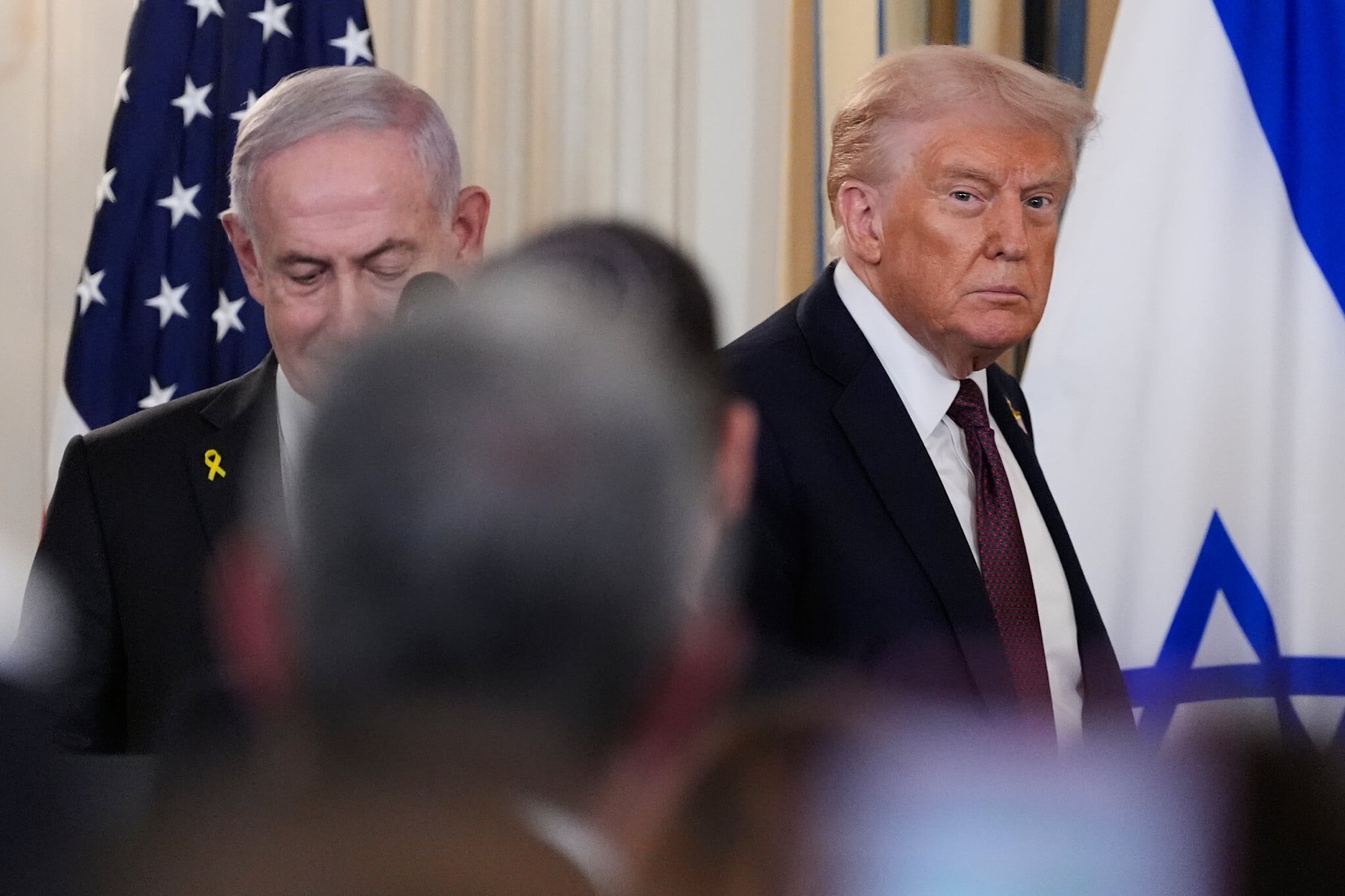
Trump’s “don’t retaliate” demand left Netanyahu with a stark choice. He could indeed surrender to the presidential diktat and hold his fire, destroying more of Israel’s deterrent capability against a gloating, triumphant Tehran, rendering Israel weak in the eyes of the region, sorely undermining its foundational independence, and enfeebling himself politically a few months before elections. Or he could defy the US president and embark on what would almost certainly turn into an escalating war with Iran in which Israel could find itself quite alone.
More than 35 years ago, under Netanyahu’s generally intransigent Likud prime ministerial predecessor Yitzhak Shamir, Israel agreed to hold fire when it came under missile attack — Scud missile attack by Iraq’s Saddam Hussein. But that was to avoid fracturing president George H. Bush’s US-led coalition, including many Middle Eastern nations, bent on taking down a tyrannical aggressor, not accommodating one.
First reports on the Sunday night call, again from Ravid, suggested that Netanyahu tried in vain to overcome Trump’s opposition to an Israeli counterstrike, and that the US believed Netanyahu would not order a retaliatory attack in the near future. First reports, it turned out soon afterward, did not tell the full story.
Michael Oren, the former Israeli ambassador to the United States, speculated that Netanyahu might also have sought Trump’s support for an “under-the-radar” attack on Iran for which Israel would not claim credit or, alternatively, some kind of tangible benefit for its restraint, perhaps in the shape of America’s B-2 stealth bombers, uniquely capable of pounding Iran’s underground nuclear facilities in a future hour of need. The prime minister might also have sought to try, once again, to talk Trump out of the kind of lousy deal he is working toward, under which Iran can reliably expect to stave off any substantive compromise on its nuclear weapons drive.
But all of that seemed unlikely. Netanyahu was facing a president who has not disputed calling him “fucking crazy” last week and telling him that everybody hates him and hates Israel. A president whose domestic political needs require anything but an escalation. A president in a pretty bad mood.
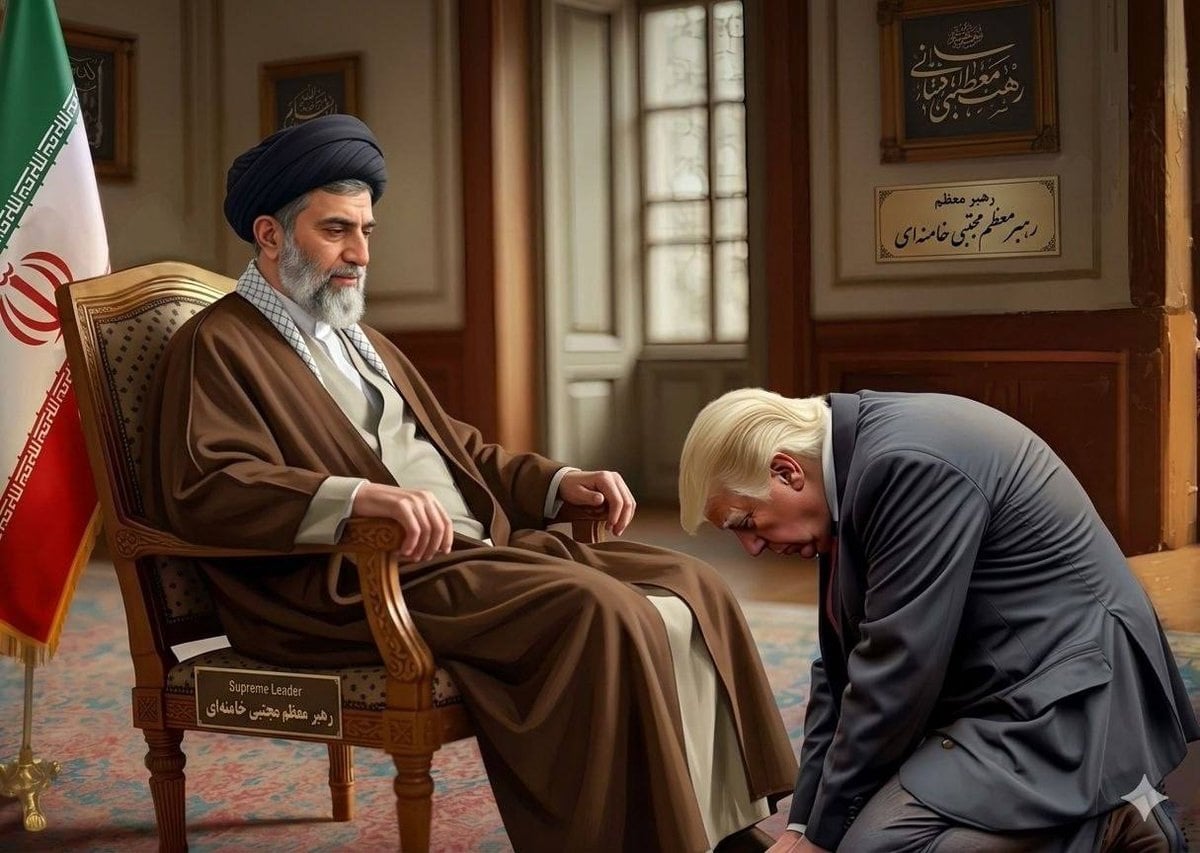
A key question now is whether the regime is feeling so bullish, so emboldened, as to overplay its hand even against a US president so blatantly desirous of a settlement. Could Iran, that is, so frustrate Trump as to compel him, against his will, to do what he ordered Netanyahu not to do, and revive the military campaign?
On past and current performance, the Islamic Republic is too canny to make that mistake. Which leaves a frustrated American president playing the supplicant to a duplicitous Iran, with Israel in the middle.
In another of his Sunday interviews, with the Financial Times, Trump said that if he couldn’t reach a deal with Tehran, he might either “go in and take care of the rest of the place that we didn’t take care of militarily,” or maintain the current blockade.
But he was certain about one thing: Netanyahu would have to accept any deal he agreed with the regime. “He won’t have any choice,” Trump said of Netanyahu. “I call the shots. I call all the shots.”
Not in Iran, he doesn’t.






The Times of Israel Community.