

Committee presents proposed rehab overhaul as war-wounded strain system
Citing unprecedented surge in injured soldiers since October 7, panel recommends NIS 2 billion annual budget increase and expansion of rehabilitation services
 Add ToI as a Preferred Source on Google
Stav Levaton is a military reporter for The Times of Israel
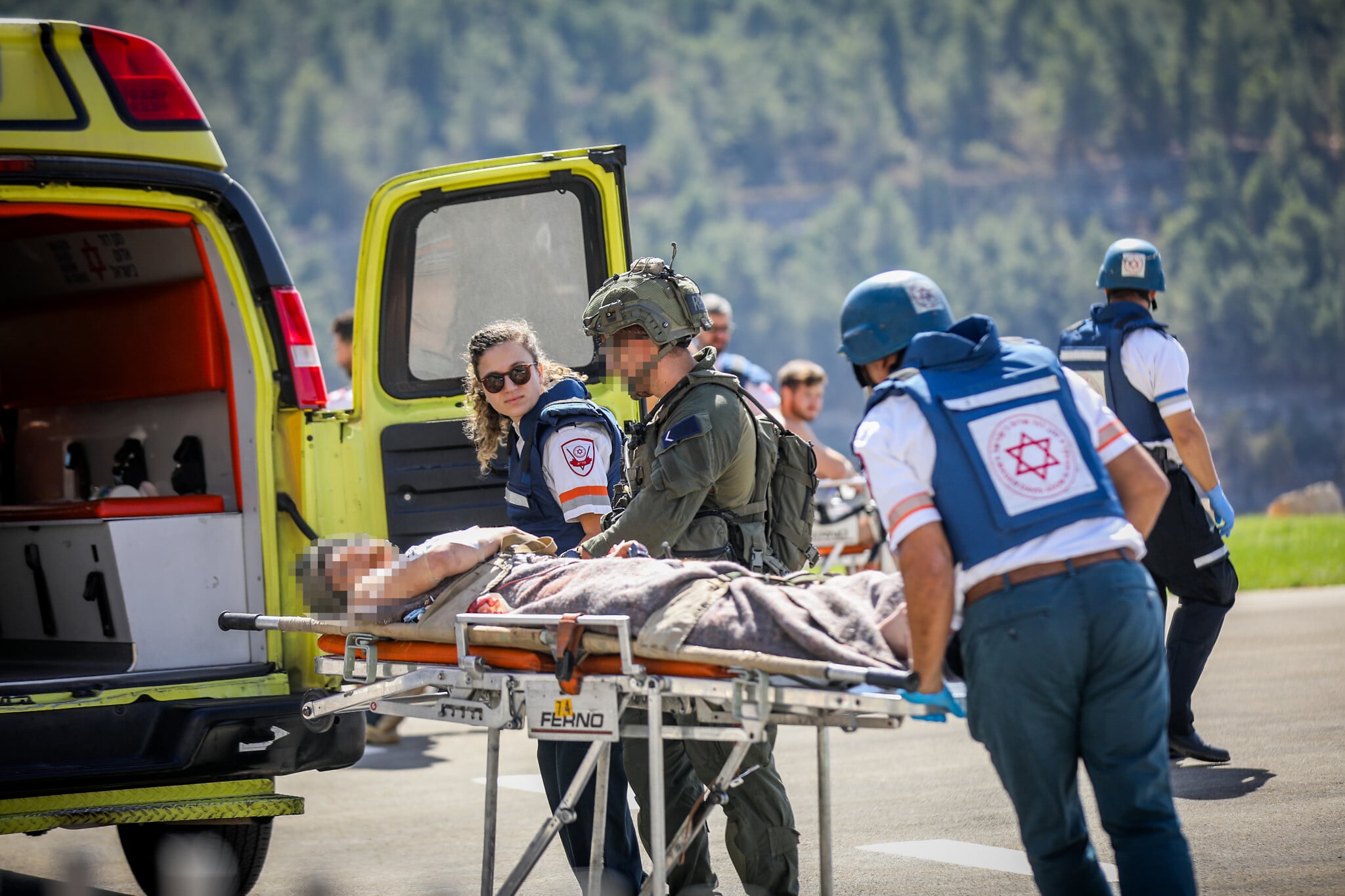
The physical and psychological toll of the longest war in Israel’s history continues to grow, with thousands of soldiers wounded since Hamas’s October 7, 2023, onslaught. Seeking to prepare the country for the long-term consequences, a public committee submitted recommendations to Defense Minister Israel Katz and Finance Minister Bezalel Smotrich on Sunday for a major expansion of rehabilitation and support services for injured veterans.
According to the committee, 25,000 soldiers have been injured in the past two and a half years of war, 70 percent of whom are officially recognized by the government as eligible for disability benefits.
The Defense Ministry’s Rehabilitation Department, responsible for reintegrating injured security personnel into civilian life by providing them with social services and financial support, is currently caring for some 87,000 people from all of Israel’s wars and operations, including disabled underground fighters from the British Mandate era, before the establishment of the state in 1948.
That number is projected to grow, with the committee estimating that by 2028, 100,000 wounded will be under its care, around 50,000 of them suffering from psychological trauma.
In response to what officials have described as the fastest rise in casualties in the history of Israel, Katz and Smotich announced the creation of the public committee in September, headed by Shlomo Mor-Yosef, chairman of Leumit Health Services, in order to formulate recommendations to expand the national response for treating and rehabilitating wounded soldiers and other security personnel.
Despite its budget nearly doubling, from NIS 5.2 billion ($1.8 billion) before Hamas’s October 7 attack to NIS 10 billion ($3.4 billion) today, the Rehabilitation Department has struggled to keep pace with the surge in wounded veterans, some of whom are forced to wait for months for medical committee hearings and other services.
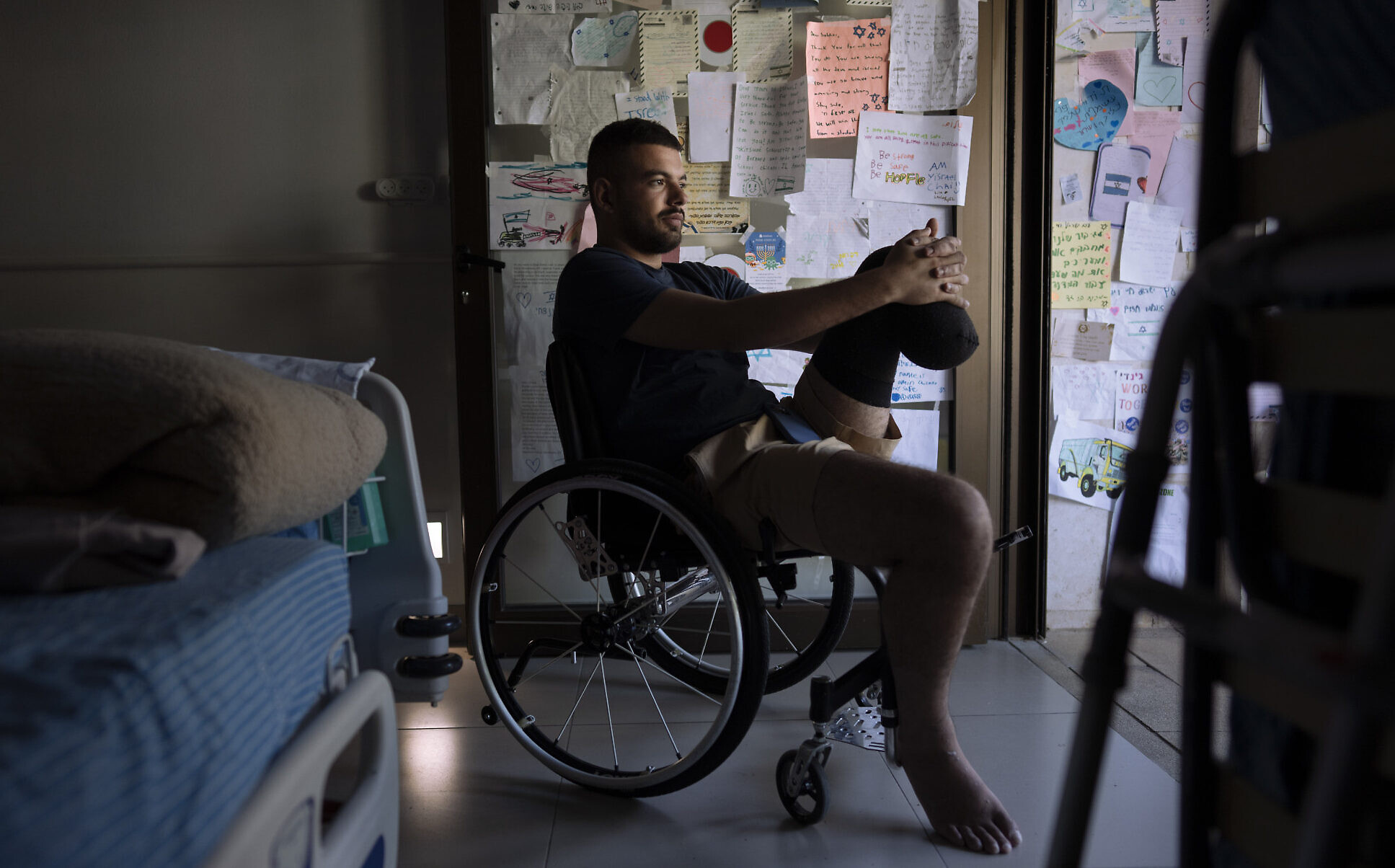
As a result, Mor-Yosef’s committee recommended an increase of the department’s budget by NIS 2 billion ($682 million) per year, in addition to a one-time grant of NIS 500 million ($170 million) in order to implement its recommendations.
Among the committee’s main suggestions is to assign every wounded veteran a dedicated personal case manager to guide them through rehabilitation and help them access benefits and services. The panel argued that the move would increase personal support while allowing Rehabilitation Department staff to focus more on individualized care.
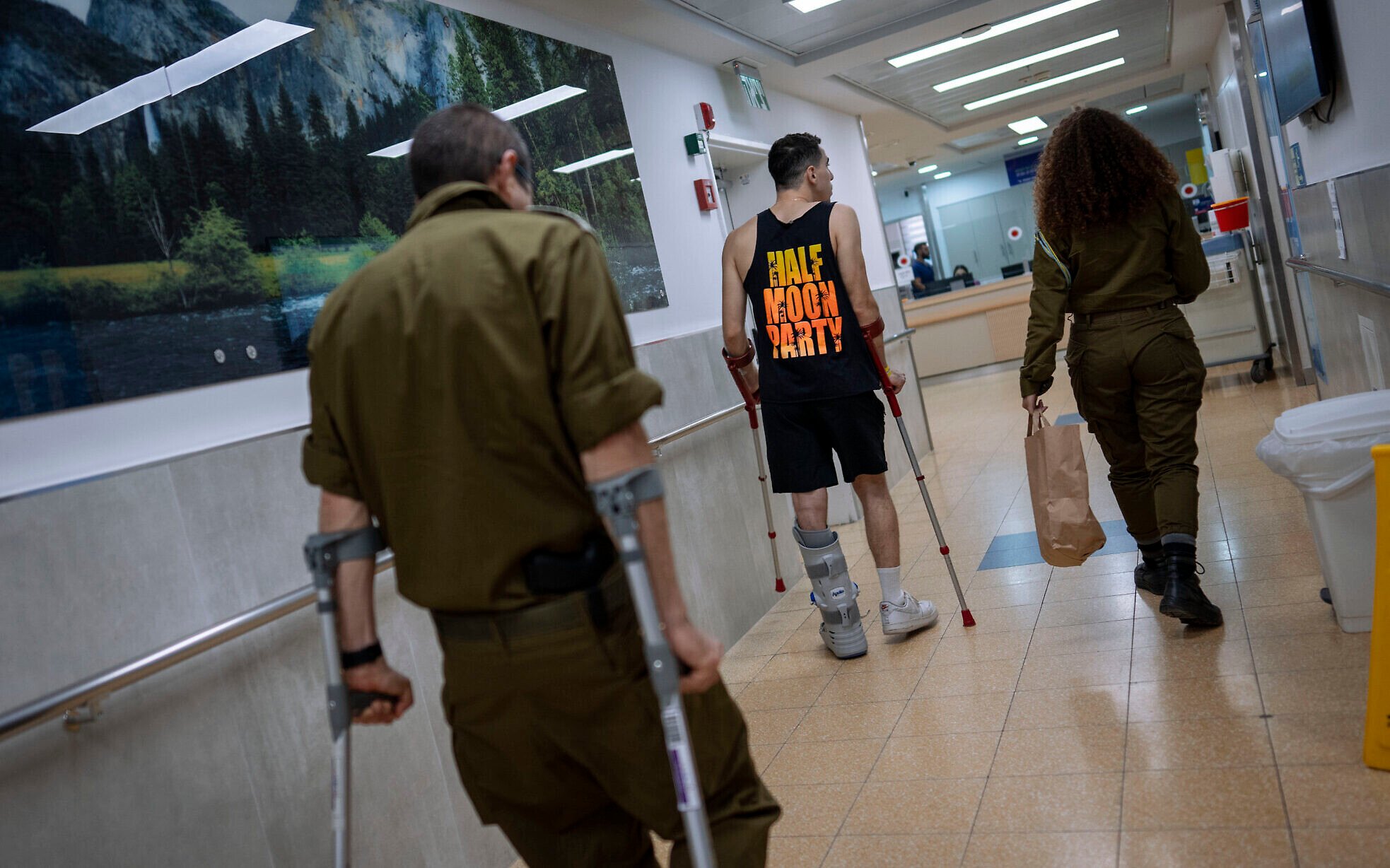
The committee placed particular emphasis on the war’s psychological toll, noting that approximately 15,500 of those wounded since October 7 are grappling with mental health challenges linked to their service.
To address the growing need, it recommended expanding access to alternative therapies, establishing a dedicated national psychiatric department for wounded security personnel, and creating community-based treatment options for veterans struggling with both mental illness and addiction.
Regarding physically wounded veterans, the committee suggested establishing a long-term residential care facility for the most severely brain-injured patients, and creating tailored assistance programs for amputees, wounded women and lone soldiers living both in Israel and abroad.
The report further proposed transforming the Rehabilitation Department into an independent authority within the Defense Ministry, granting it greater managerial autonomy and budgetary flexibility. Committee members argued that such a change would improve efficiency and enable the department to respond more quickly to veterans’ needs.
To improve access to medical care, the committee recommended allowing wounded veterans to choose whether to receive treatment through the Rehabilitation Department or through their health provider, with the Defense Ministry continuing to cover the costs.
The panel also called for increased support for veterans’ families, a modernization of the department’s digital infrastructure, and the use of artificial intelligence tools to simplify bureaucratic processes and cut down on wait times.
Seeking to streamline disability recognition procedures, the committee recommended greater use of document-based medical review boards, reducing the need for veterans to appear in person.
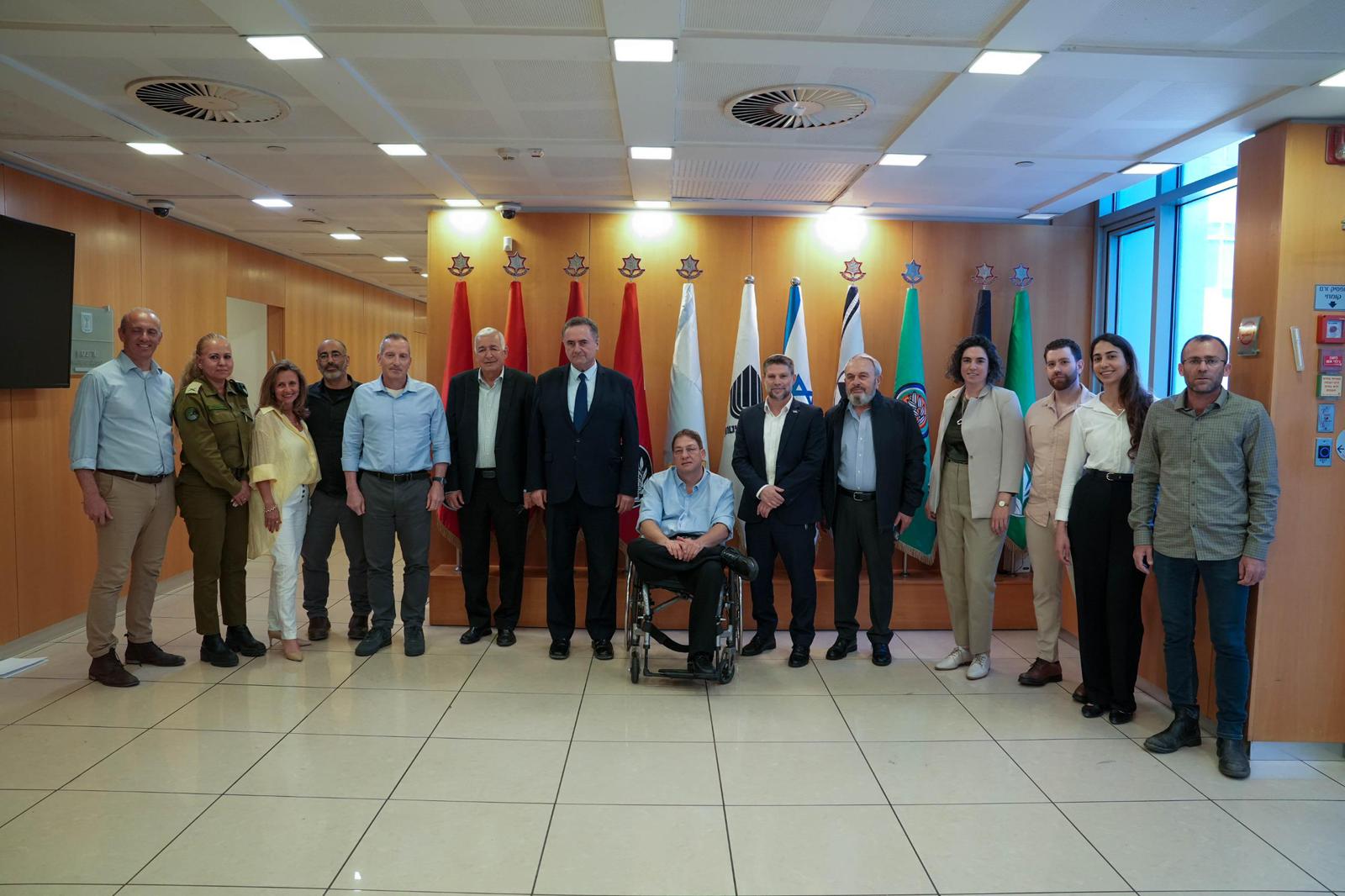
“Israel faces an unprecedented rehabilitation challenge that will require us to care for approximately 100,000 wounded members of the security forces in the coming years, including tens of thousands suffering from psychological injuries and post-traumatic stress,” Katz said following the committee’s presentation of their report. “This reality requires profound change — expanding services, shortening procedures and placing the wounded veteran at the center.”
“We have a deep moral and national debt to those who gave everything for Israel’s security and were wounded physically or mentally,” Smotrich added. “The committee’s work represents a revolution in how the state supports wounded IDF personnel and their families — a revolution in service, efficiency, benefits and comprehensive rehabilitation.”
It remains unclear when the government will bring the recommendations to a vote or begin implementing them. With Israel expected to head to elections in September or October, committee members told reporters that the political transition could delay decisions on the proposed reforms and funding increases.









The Times of Israel Community.