

Updated bill on Oct. 7 probe allows new comptroller to fill spots boycotted by opposition
Michael Rabello, Netanyahu’s former lawyer who argued before High Court against a state commission of inquiry, set to shape politically appointed investigation into massacre – if he keeps the job
 Add ToI as a Preferred Source on Google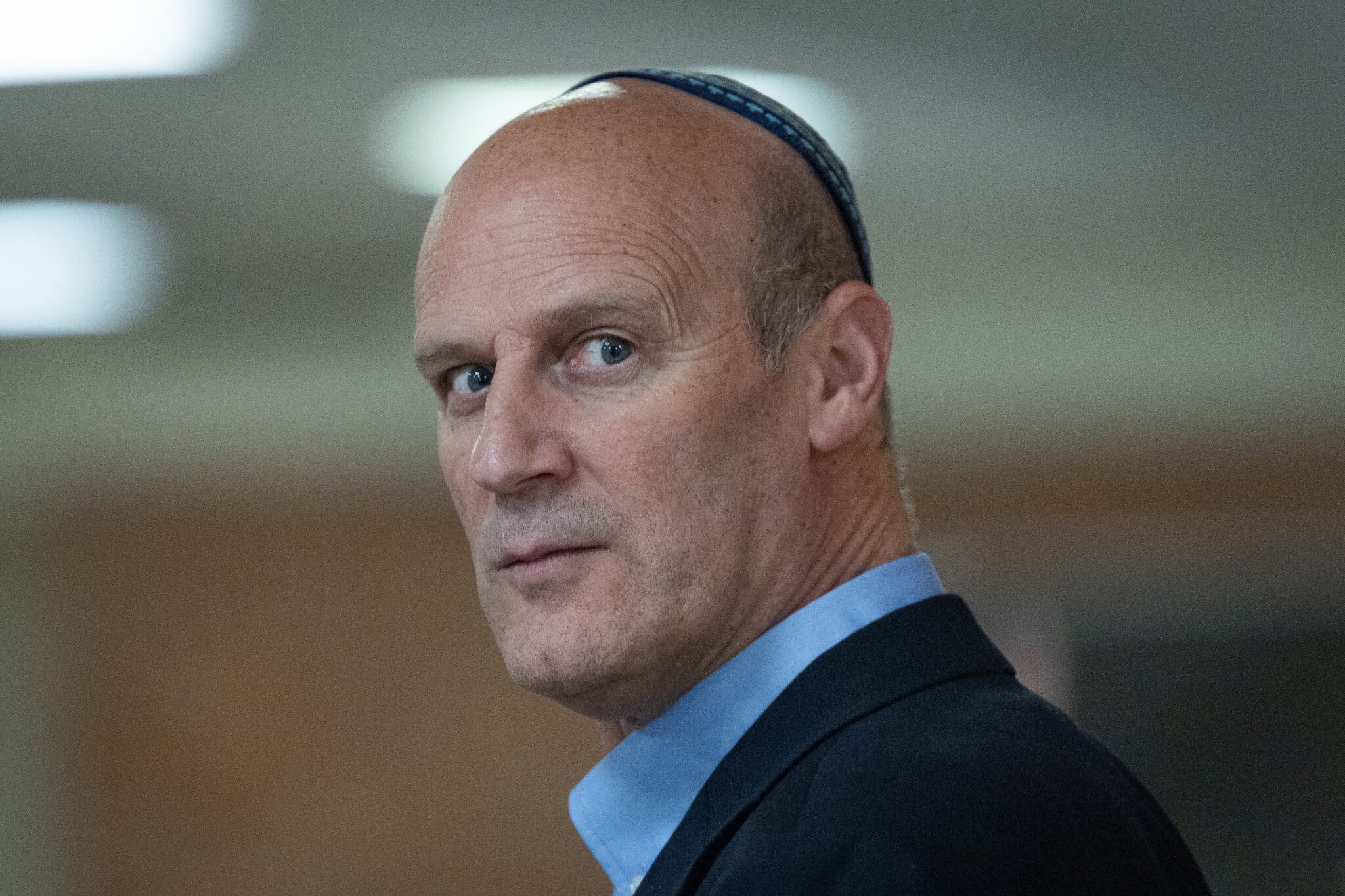
The updated text of the bill establishing a politically appointed commission of inquiry into the October 7, 2023, massacre will allow the newly chosen state comptroller to fill any slots on the panel that the Knesset House Committee chair and opposition leader have not named.
Last week, Prime Minister Benjamin Netanyahu’s personal lawyer, Michael Rabello, was elected the next state comptroller in a controversial Knesset vote. The amendments to the legislation on the commission were made several weeks ago, alongside the removal of the phrase “full, thorough and independent” from the text describing the investigation into October 7.
The government is currently working to advance a politically appointed commission of inquiry into the Hamas-led assault, while the opposition has demanded that an independent state commission of inquiry be led by the Supreme Court president, and has vowed not to cooperate with the proposed political panel.
If the government-backed bill is passed, and Opposition Leader Yair Lapid refuses to appoint his share of members of the panel within 14 days, then Rabello, who was elected last week, would appoint the rest of the panel, according to the updated provisions of the bill. Knesset House Committee chairman Ofir Katz, of the ruling Likud party, would appoint the other half of the panel.
The government is aiming to advance the legislation, which passed its preliminary reading in December, in the Knesset this week. The bill has been strongly criticized by Attorney General Gali Baharav-Miara, who said last year that it was “tailor-made” for the “personal” needs of the government.
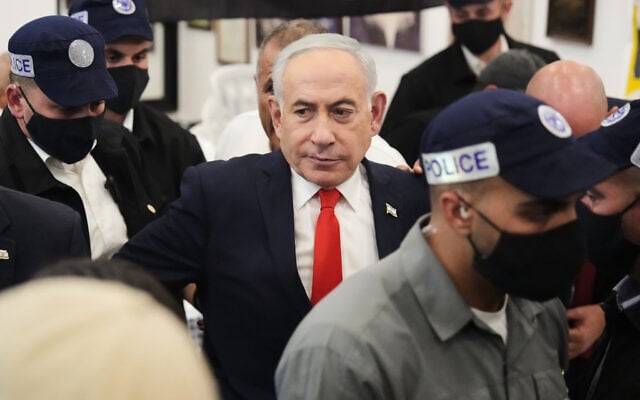
Netanyahu has rejected forming a state commission of inquiry because its members would be selected by the judiciary, which he claims is biased against him. Netanyahu’s government has engaged in a years-long effort to weaken the court system.
Netanyahu, who was prime minister when Hamas invaded, has sought to spread the blame for the disaster and rejected pressure to resign. He would likely face devastating criticism from a state inquiry, the body that traditionally investigates Israel’s major crises, has the authority to subpoena witnesses, and can apportion blame and recommend systemic and personnel changes.
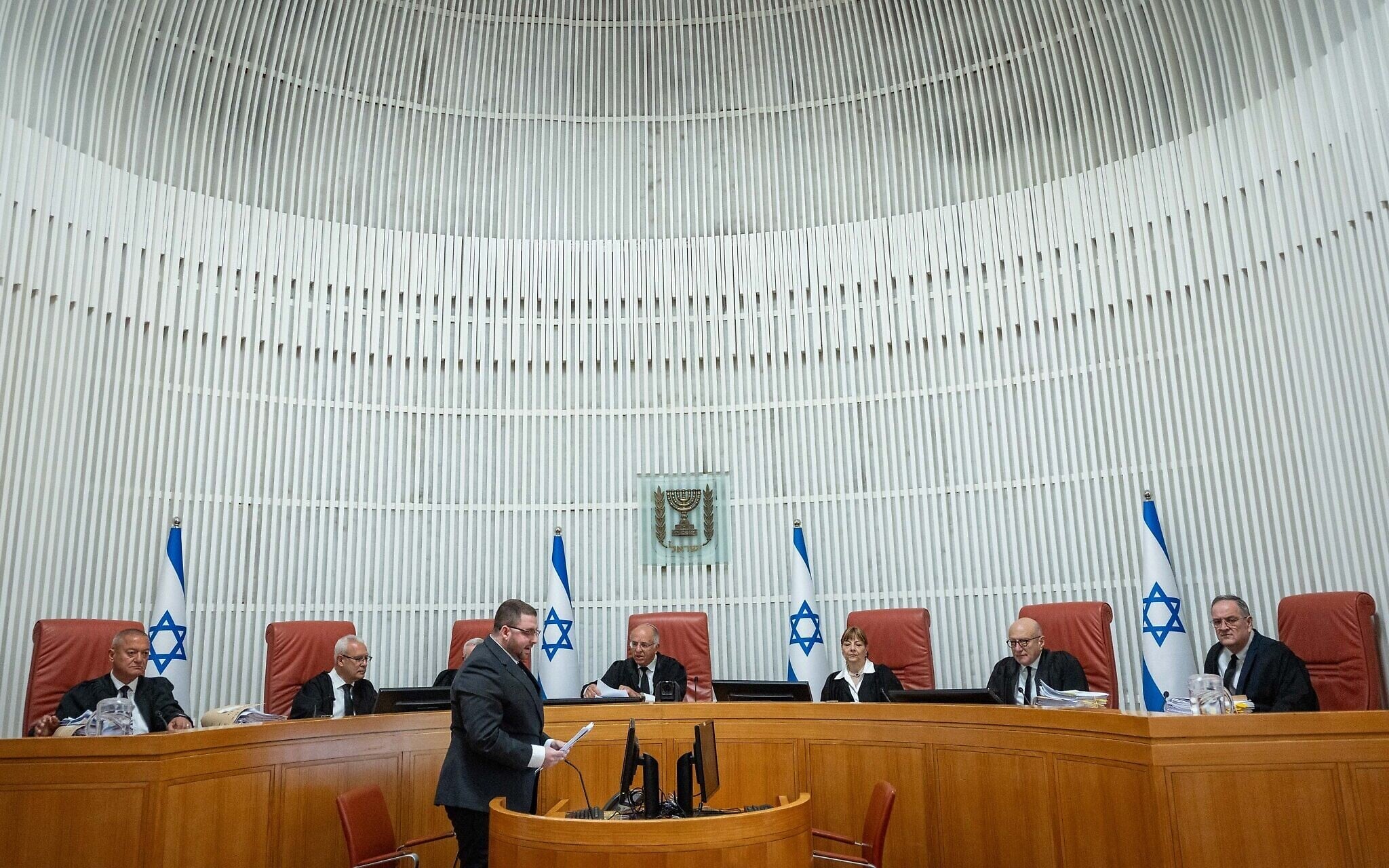
The government-backed legislation calls for the exclusion of current and former High Court judges, attorney generals, officers over the rank of major general, Shin Bet chiefs and members of the national security cabinet from serving as members of the proposed inquiry, a move that garnered pushback from the Justice Ministry.
Late last month, the High Court of Justice gave the government until July 1 to come up with a “suitable framework” to investigate October 7, stopping short of ordering a state commission of inquiry into the onslaught, after a hearing on petitions calling for the court to force such an investigation.
The government has argued that the court has no authority to order it to establish a state commission of inquiry. Polls regularly show that most Israelis support a state commission of inquiry into the worst terror attack in Israel’s history.
Incoming comptroller Rabello defended Netanyahu and the coalition’s failure to set up a state commission of inquiry at the High Court of Justice on April 23, arguing to justices that setting up any such committee needed to wait till war is over.
Rabello, who has also represented Netanyahu in various political negotiations and has acted for both the prime minister and his wife, Sara, in numerous legal proceedings, was chosen the next state comptroller in a contentious and chaotic Knesset vote last week.
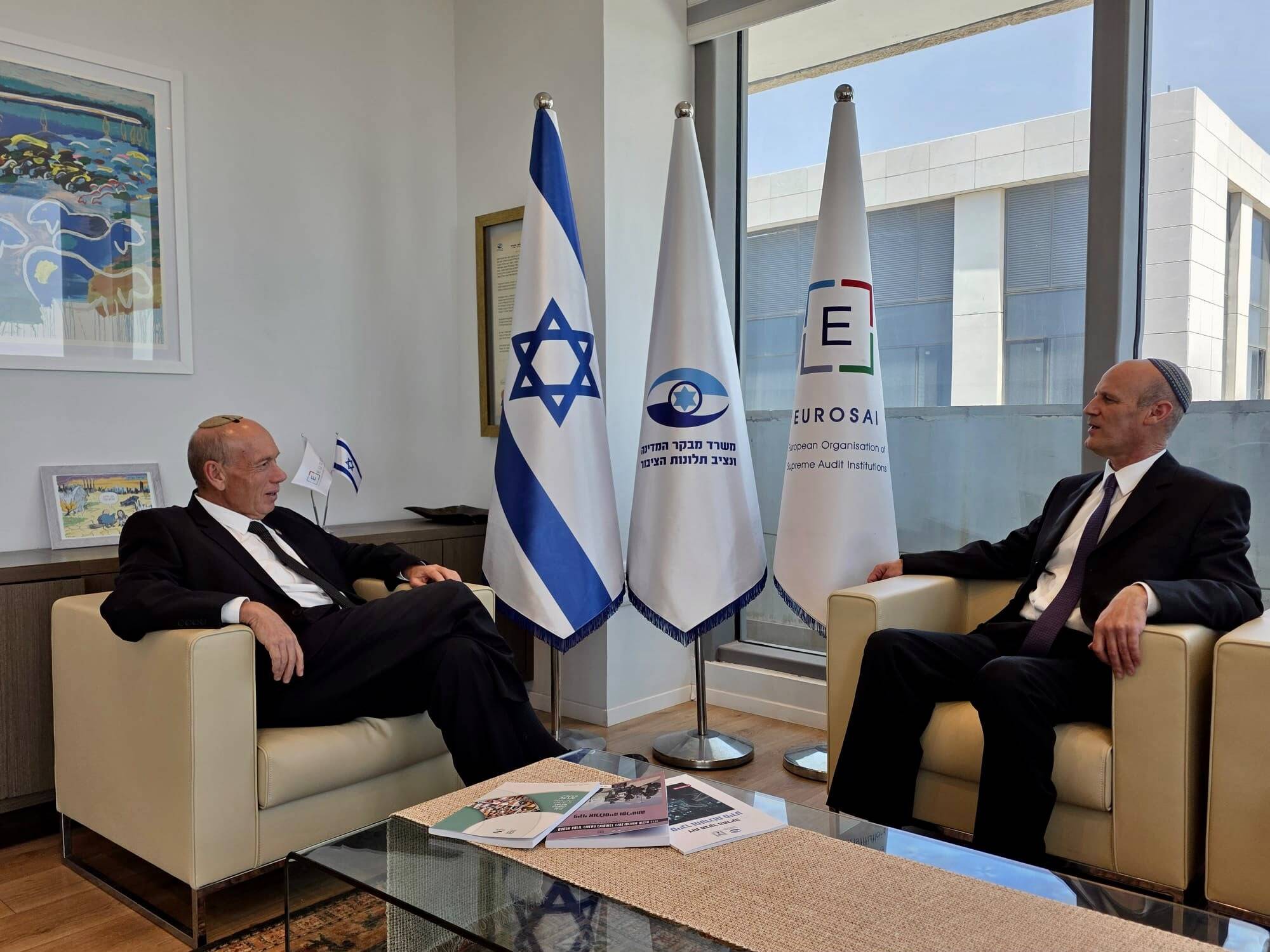
The election, initially conducted by secret ballot as required by law, descended into chaos after Rabello’s competitor, retired Supreme Court justice Yosef Elron, won the first round 60-57, falling just one vote short of the 61 needed for victory.
Rabello’s eventual win came after the second round of voting was halted and rerun amid allegations that Likud lawmakers were pressured and ordered to photograph or film their ballots to prove they had voted for Rabello and not “betrayed” Netanyahu, despite the law requiring a secret ballot.
Opposition leaders accused Likud of undermining the integrity of the election and announced plans to petition the High Court of Justice to annul Rabello’s win, arguing that lawmakers had been intimidated to prove how they voted.
If his appointment is not overturned, Rabello will replace current State Comptroller Matanyahu Englman, who is due to complete his seven-year term this summer.





The Times of Israel Community.