

Court doesn’t order state inquiry into Oct. 7, gives government 2 months to decide on probe
Bereaved families decry ‘slap in the face’ after judges chide government for failure to probe onslaught, but say another ‘suitable framework’ could be found
 Add ToI as a Preferred Source on Google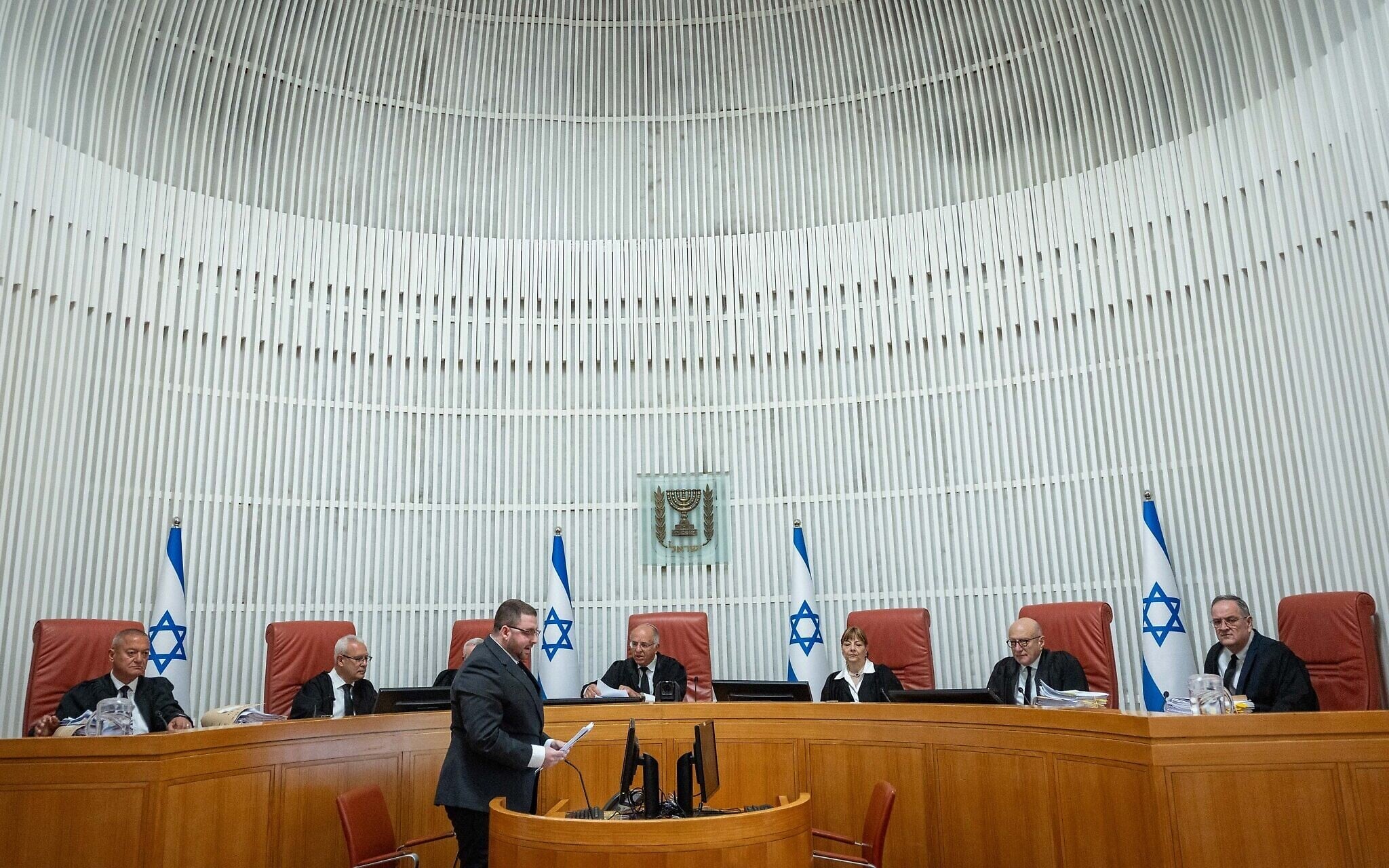
The High Court of Justice on Monday gave the government until July 1 to come up with a “suitable framework” to investigate the debacle surrounding the Hamas-led October 7, 2023, attack, stopping short of ordering a state commission of inquiry into the onslaught.
The decision, which followed a tense hearing on Thursday, enraged petitioners who had demanded that the Court force the government to form a statutory state commission of inquiry, Israel’s highest investigative authority.
The October Council, which is composed of families who lost loved ones in the Hamas onslaught and have long demanded a state commission, called the High Court decision a “slap in the face of bereaved families and of all the casualties of the October 7 massacre.”
“The High Court has given in to the government’s pressure… to postpone finding the truth,” the Council said, adding that there was no “suitable framework” other than a state commission of inquiry.
Prime Minister Benjamin Netanyahu has rejected such a committee because its members are selected by the judiciary, which he claims is biased against him. Netanyahu’s government has engaged in a years-long effort to weaken the court system.
Instead, Netanyahu has proposed a politically appointed inquiry into the massacre, which his opponents have vowed to boycott. Polls regularly show that most Israelis support a state commission of inquiry.
The seven-justice panel that heard the petitions said in its decision Monday that “the time has long since come to begin investigating the events of October 7,” but that the government “has broad discretion” in carrying out “the obligations incumbent upon it” to conduct investigations.
“Therefore… we have deemed it appropriate at this stage to allow the government an additional period of some two months, in the hope that it will soon find a suitable framework for investigating the events [of October 7] that will gain broad public backing,” the court said.
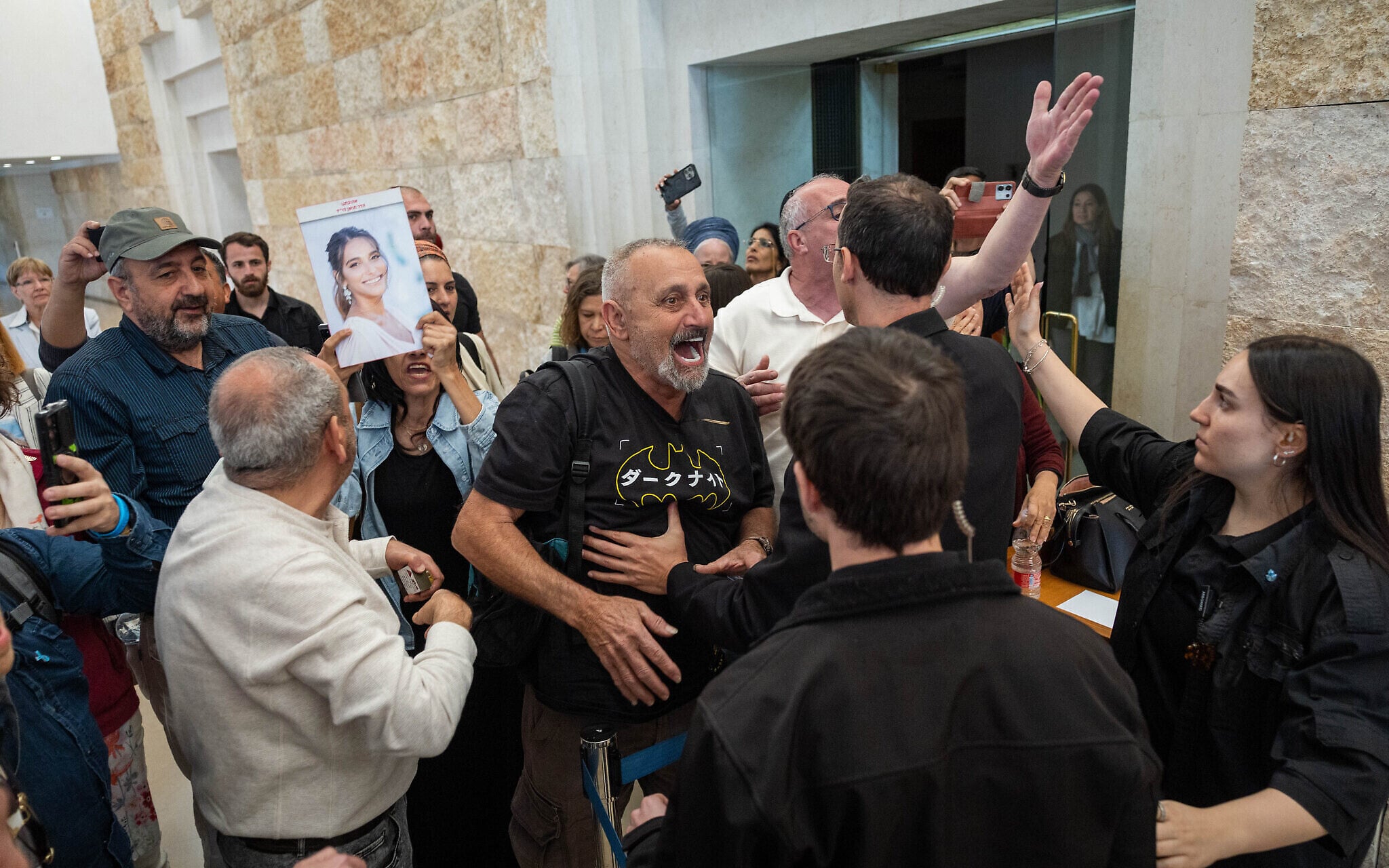
During the Thursday hearing, justices assailed the government’s failure to probe the security debacle and had to be evacuated when bereaved families supportive of the government tried to storm the courtroom in protest of the hearing itself.
Court says it has power to review decisions on state inquiries
The court also said it is empowered “in principle” to review government decisions on state commissions of inquiry, in a rebuke to arguments by some supporters of the government.
That authority was rooted in Basic Law: The Judiciary and had precedent in several High Court cases from 2021, 2006, and 1997, the court said.
In those cases, justices heard, but ultimately rejected, demands for state commissions of inquiry into, respectively, an alleged bribery scheme involving massive naval purchases approved by Netanyahu starting in 2012; failures surrounding the 2006 war against Hezbollah in Lebanon; and claims that Netanyahu, then in his first term, got Shas to support 1997 IDF withdrawals in Hebron by appointing an attorney general who offered a lenient plea deal for Shas chair Aryeh Deri, then in his first stint as head of the party and in the throes of his first major corruption trial.
Justices in all three cases found that the court had only limited power to review government decisions on establishing a state commission, under the 1969 Commissions of Inquiry Law.
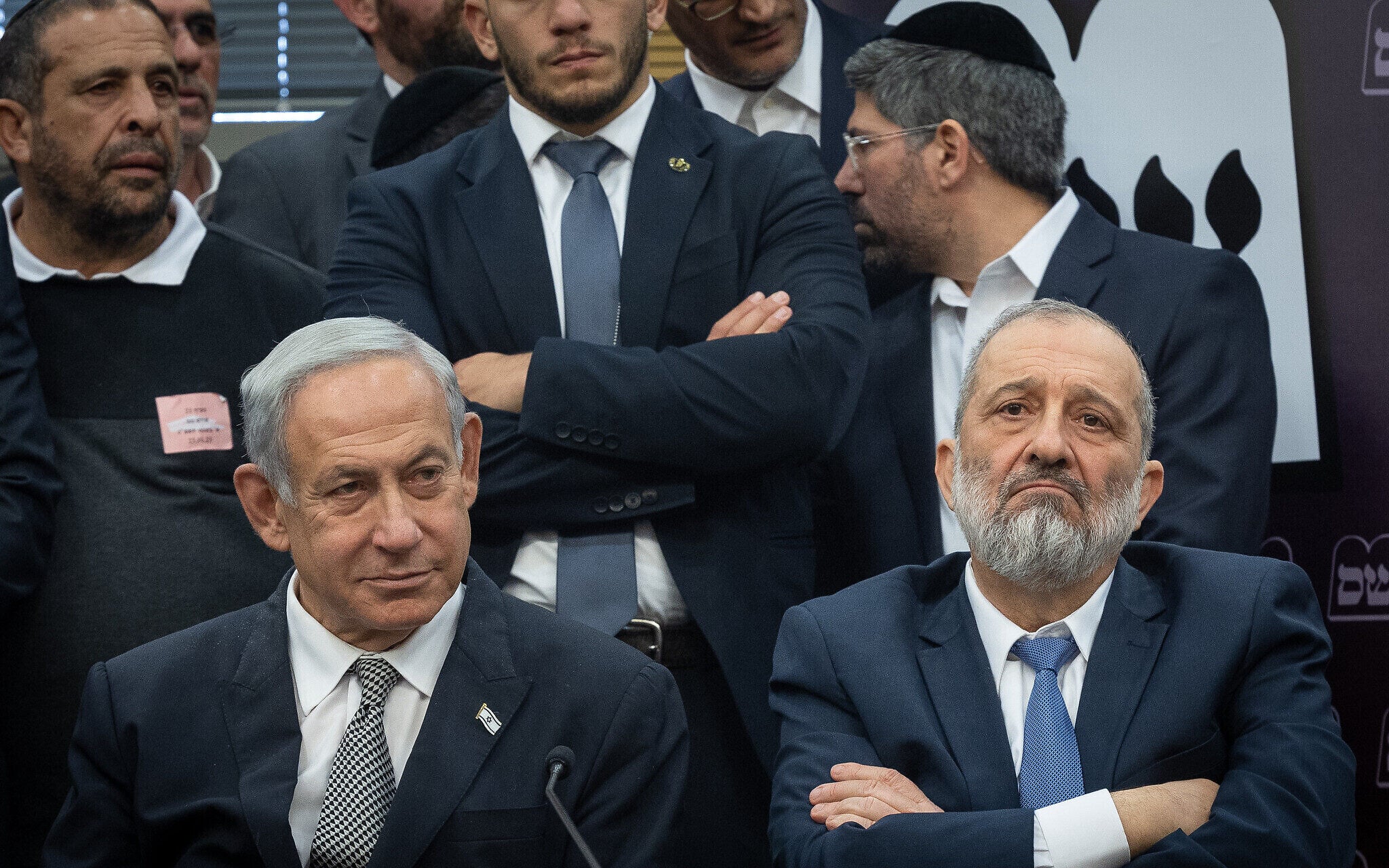
In the 1997 ruling, which is cited in the latter two, Justice Yitzhak Zamir said the court could not overturn such decisions “except in rare and extraordinary cases, the likes of which have not yet come, and will doubtfully ever come, before the court.”
The Haaretz newspaper in November 2025 published an opinion piece in which Zamir, who retired from the High Court in 2001, said that “the government’s current refusal to establish a state commission of inquiry was “illegal.”
The onslaught, when thousands of Hamas-led terrorists invaded southern Israel, killing some 1,200 people and abducting 251, was the deadliest day in Israel’s history, and sparked the war in Gaza.
The demand for a state commission of inquiry into the Hamas-led onslaught has featured prominently in protests and political campaigns against Netanyahu.









The Times of Israel Community.