

US shuts its embassies in Saudi Arabia, Kuwait after being hit by Iranian strikes
State Department orders non-emergency staff to leave Bahrain, Iraq, Jordan, Kuwait, Qatar and the UAE; Saudi oil giant Aramco attempting to reroute some crude exports
 Add ToI as a Preferred Source on Google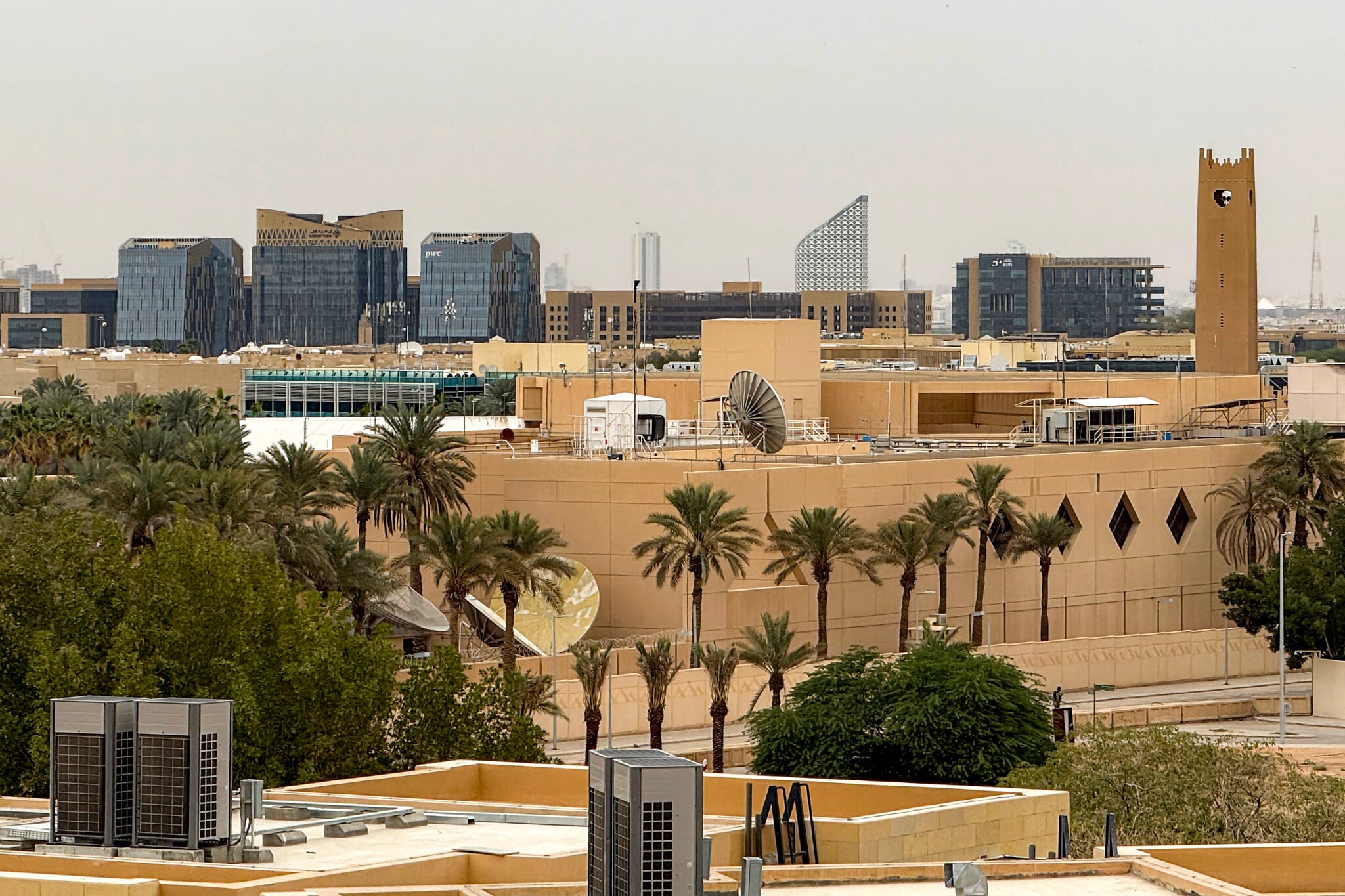
The US embassies in both Saudi Arabia and Kuwait were shut on Tuesday after both were hit by Iranian strikes, as Tehran continues to exact revenge across the Gulf for the Israeli-US war.
A Saudi defense ministry spokesman said that an attack by two drones early Tuesday on the US Embassy in Riyadh sparked a small fire.
“The US Embassy in Riyadh was attacked by two drones, according to initial assessments. The attack resulted in a limited fire and minor material damage to the building,” the statement said.
Two witnesses told AFP they saw fire engines around the embassy.
The embassy later confirmed an attack and urged people to stay away, saying it would be closed on Tuesday.
“Avoid the embassy until further notice due to an attack on the facility,” a statement said, urging American citizens to “shelter in place.”
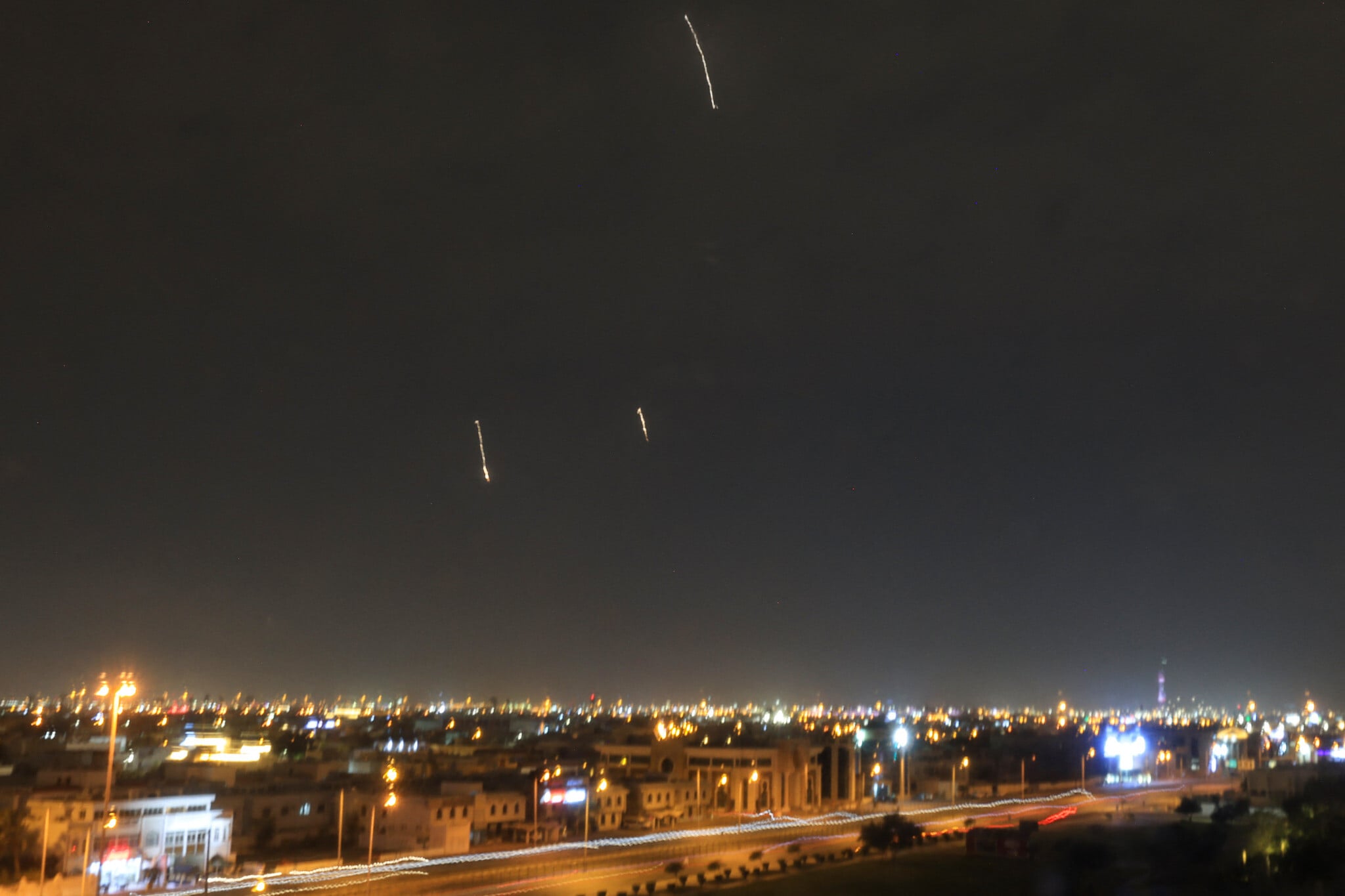
???????? ???????? Drones hit the US embassy in Riyadh and more explosions rang out in Gulf cities Tuesday as Iran hit back at industrial and diplomatic targets across the Middle East and governments sought to evacuate their nationals from the region.
➡️ https://t.co/ubLI8ibJVg pic.twitter.com/lGM5Uptn5I— AFP News Agency (@AFP) March 3, 2026
The Saudi foreign ministry in a statement expressed “its strongest condemnation and rejection of the heinous attack that targeted the US Embassy building in Riyadh,” describing it as “cowardly and unjustified.”
Earlier, witnesses said they had seen smoke over the building housing the US mission and heard loud explosions in the diplomatic quarter, home to foreign embassies in the Saudi capital.
A source close to the Saudi army, speaking on condition of anonymity to discuss the sensitive issue, told AFP that Saudi air defenses intercepted four drones targeting Riyadh’s diplomatic quarter in the attack.
In the aftermath, the US embassy issued shelter in place notifications for Jeddah, Riyadh and Dhahran and limited non-essential travel to any military installations in the region.
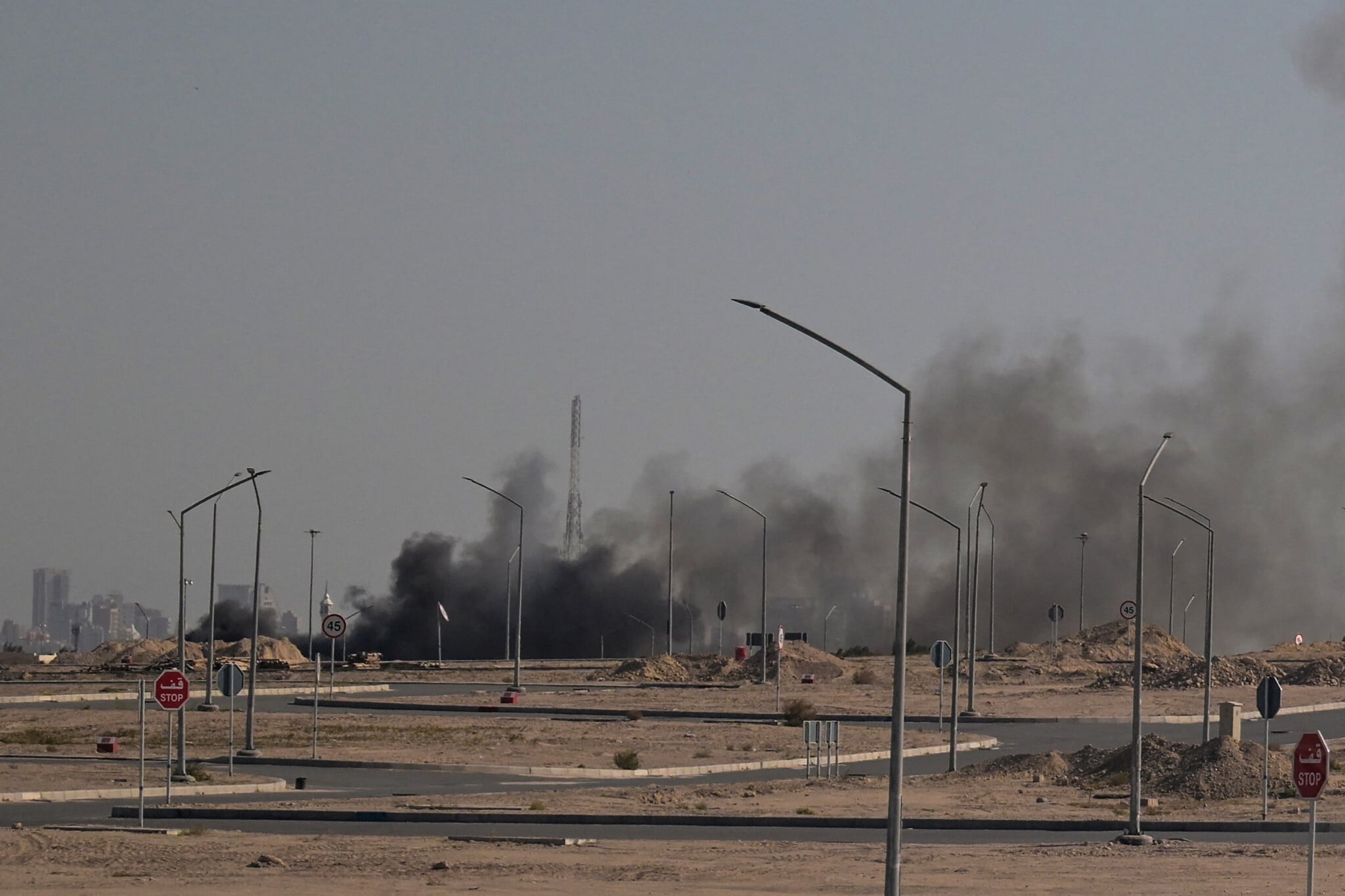
The US embassy in Kuwait on Tuesday also said it was closed until further notice, a day after an AFP correspondent saw smoke rising from the mission following Iranian attacks on the country. Fire trucks and ambulances were spotted in the area, a witness told Reuters.
“Due to ongoing regional tensions, the US Embassy in Kuwait will be closed until further notice. We have cancelled all regular and emergency consular appointments,” the embassy said in a statement on X.
A Kuwait-based diplomat and a Western diplomat, speaking on condition of anonymity, told AFP the embassy had been damaged by several drones, while a second Kuwait-based diplomat said the building had been struck directly.
In the aftermath of the attacks, the US State Department said Tuesday it had ordered non-emergency staff to leave Bahrain, Iraq, Jordan, Kuwait, Qatar and the United Arab Emirates.
The advisories for five of the countries cited an “ongoing threat of drone and missile attacks from Iran,” while the notice for Iraq cited “security concerns.”
The State Department earlier urged Americans to leave all of the Middle East from Egypt eastward due to safety concerns.
Also Tuesday, the US Embassy in Beirut said it will remain closed until further notice, as Israel continued its strikes on Lebanon in retaliation for Hezbollah’s rocket launches amid the US-Israeli strikes in Iran.
“Due to ongoing regional tensions, US Embassy Beirut will be closed until further notice,” the embassy posted on X, a day after it renewed its call for citizens to leave Lebanon immediately.
Amid the ongoing Iranian drone strikes, Saudi oil giant Aramco is attempting to reroute some of its crude exports to the Red Sea to bypass the Strait of Hormuz, where the risk of attacks has slowed shipping to a near halt, sources said Tuesday.
The world’s largest oil firm hopes to avert production cuts by rerouting oil to its Red Sea port of Yanbu, but sources, including buyers, traders and analysts, said the East-West Pipeline had limited capacity and could become a target of attacks by Iran’s allies.
The pipeline has a capacity of 5 million barrels per day (bpd) and in 2019 was able to temporarily handle 7 million bpd after natural gas liquid pipelines were converted to carry crude. Saudi Arabia produced just over 10 million bpd of crude in January, according to OPEC secondary sources.
Aramco has informed some buyers of its Arab Light crude that they must load cargoes at Yanbu, three sources said, adding the company will assess demand and crude availability and inform the buyers.
On Monday, the massive Ras Tanura refinery in Saudi Arabia’s Gulf coast went into partial shutdown after a strike by drones. There was no indication on Tuesday that it had reopened.







The Times of Israel Community.