

Under a rain of Hezbollah missiles, determined northern farmers still sow for the future
Grateful to come home after being forced to flee for 14 months or longer after Oct. 7, residents of Moshav Liman try to rebuild their lives amid another round of war and more missiles
 Add ToI as a Preferred Source on Google
Reporter at The Times of Israel
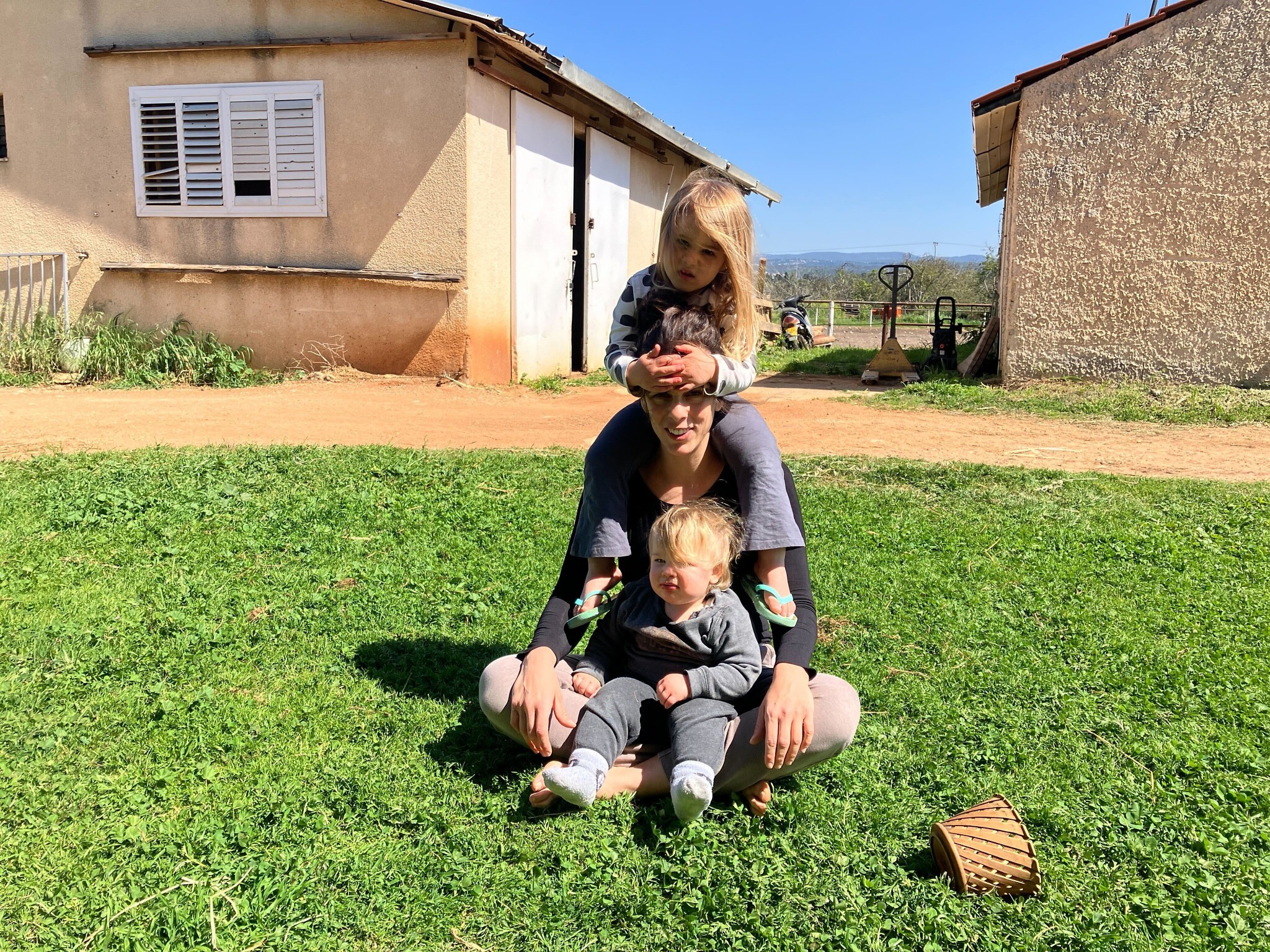
MOSHAV LIMAN — On a recent sunny afternoon, three of Maya Yaacobi’s daughters were playing in the backyard of her husband’s family farm, less than two miles from the border with Lebanon.
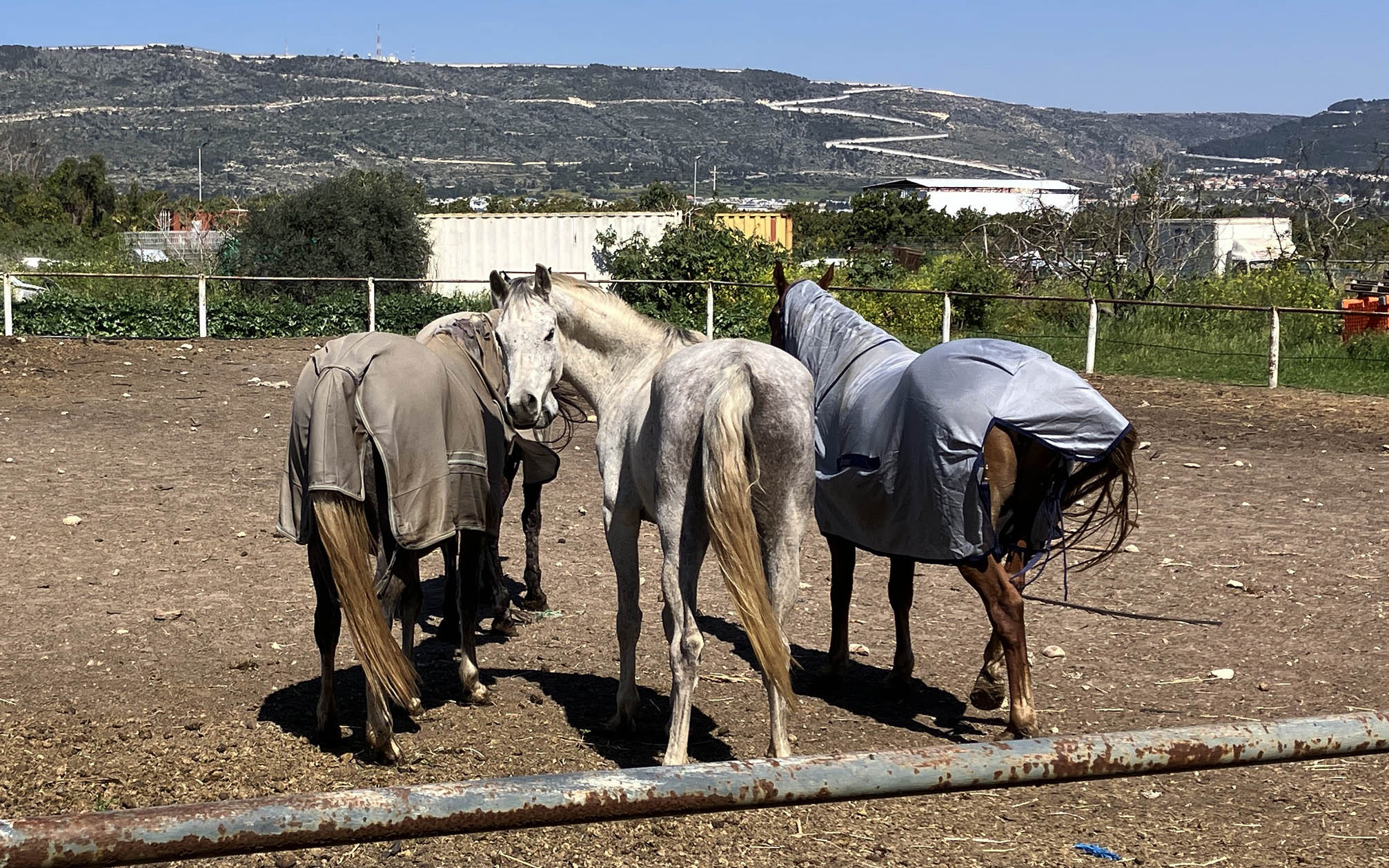
One was examining ladybugs, another was riding her bicycle with training wheels, and the third was toddling in the grass. The family’s five horses ambled in their pen surrounded by green fields. Up in the blue sky, a white cloud drifted by.
“No, that’s actually smoke from the Iron Dome shooting out a rocket,” Yaacobi told this reporter.
This deep-rooted agricultural community is no stranger to war. For 14 months after Hamas’s devastating invasion of southern Israel on October 7, 2023, the Lebanese terror group Hezbollah fired thousands of rockets, missiles, and drones into northern Israel.
Most of the 850 residents of the village were among the 60,000 people evacuated from a wide swath of the country’s north as a result.
After a ceasefire with Hezbollah in late November 2024, residents began to return home. They removed pests, cobwebs and mildew from their houses, began repairing damaged buildings, and restarted their lives.
Then came the start of the ongoing joint US-Israeli military campaign against the Iranian regime. Hezbollah joined the fighting last week, claiming it was doing so to retaliate for the killing of Iran’s supreme leader Ali Khamenei. The terror group blasted some 200 rockets and drones at northern Israel for hours on Wednesday night into Thursday, repeatedly sending hundreds of thousands of Israelis to shelters.
Residents say they refuse to be evacuated again and have mostly stayed put — but the threat is real and constant.
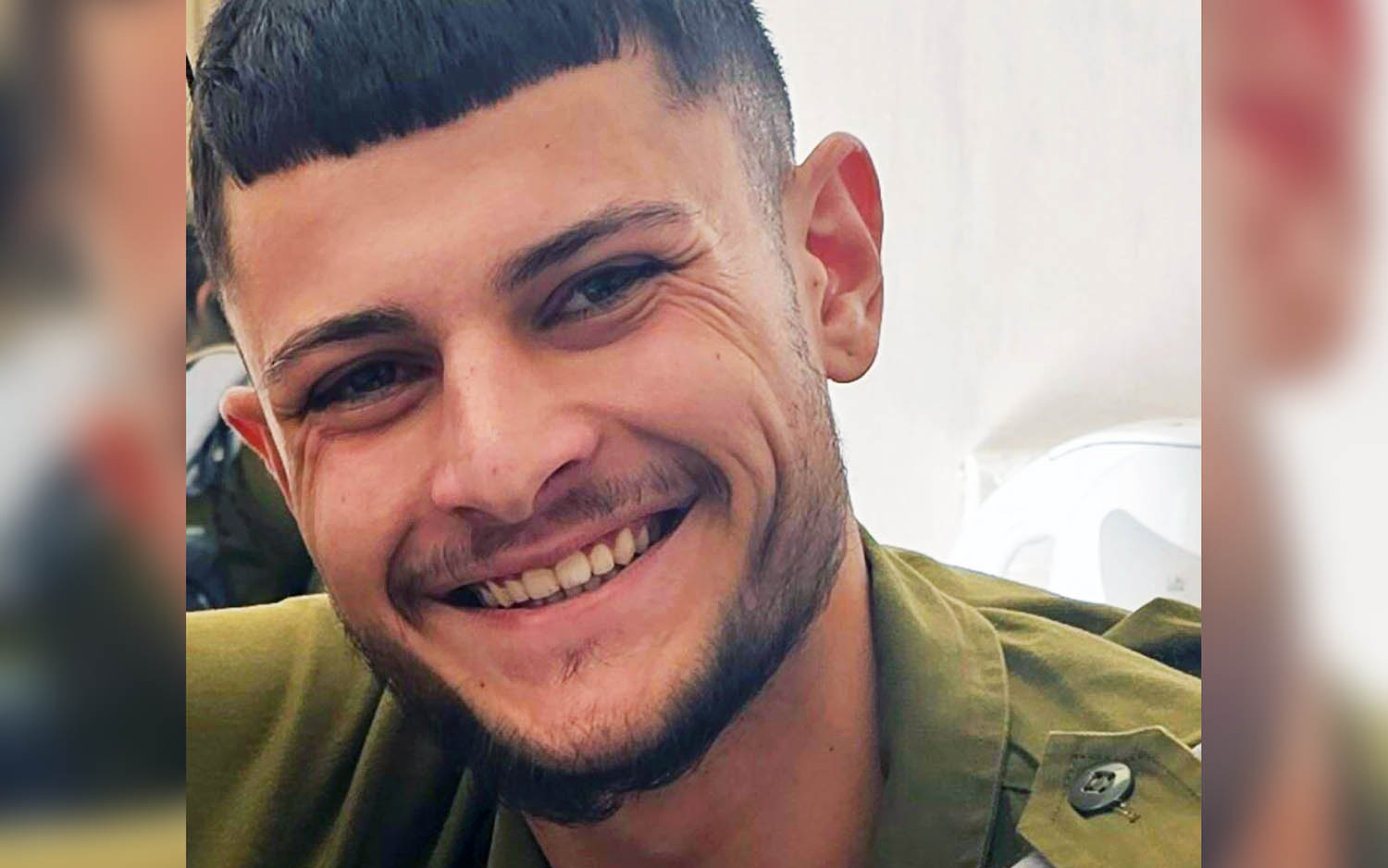
On Sunday, Moshav Liman lost a soldier who grew up there, Or Demry, sending the residents reeling in anguish.
Yaacobi said that when the family was forced to leave Moshav Liman in 2023, they had to let their avocado trees die because nobody could take care of them. They still have plans to convert the plot of land into a sustainable vegetable garden.
But for now, Yaacobi, who teaches pilates, is busy taking care of her daughters, who like children across the country have no school or kindergarten. All educational activities have been put on hold according to Home Front Command instructions. She tries to plan some kind of activity for the girls each day, including art and handicrafts.
The family of six all sleep in their home’s protected room. Yaacobi’s husband, Assif Cohen, who is currently a member of the village’s emergency response team, fought in the military reserves, in Gaza as well as Lebanon, for more than 450 days.
“He hasn’t been called back up yet,” Yaacobi said grimly.
“I don’t know how we cope with it,” she said. “There are days when I’m so fed up, when I feel like I can’t do it anymore, but I still have to get up and make my daughters feel safe and secure. We’re in the middle of a war, and we don’t see a future.”
‘There’s so much insecurity and uncertainty’
A few streets away, at Malachi’s Plants and Nursery, Hadas Harlap, Moshav Liman’s community coordinator, stopped by to speak to Sigal Malachi, who is in charge of the cultural activities for the agricultural cooperative. They were trying to figure out events they could plan for residents.
Birds chirped among the plants, flowers, and trees. The nursery was ablaze with bright colors, but it is currently closed to customers.
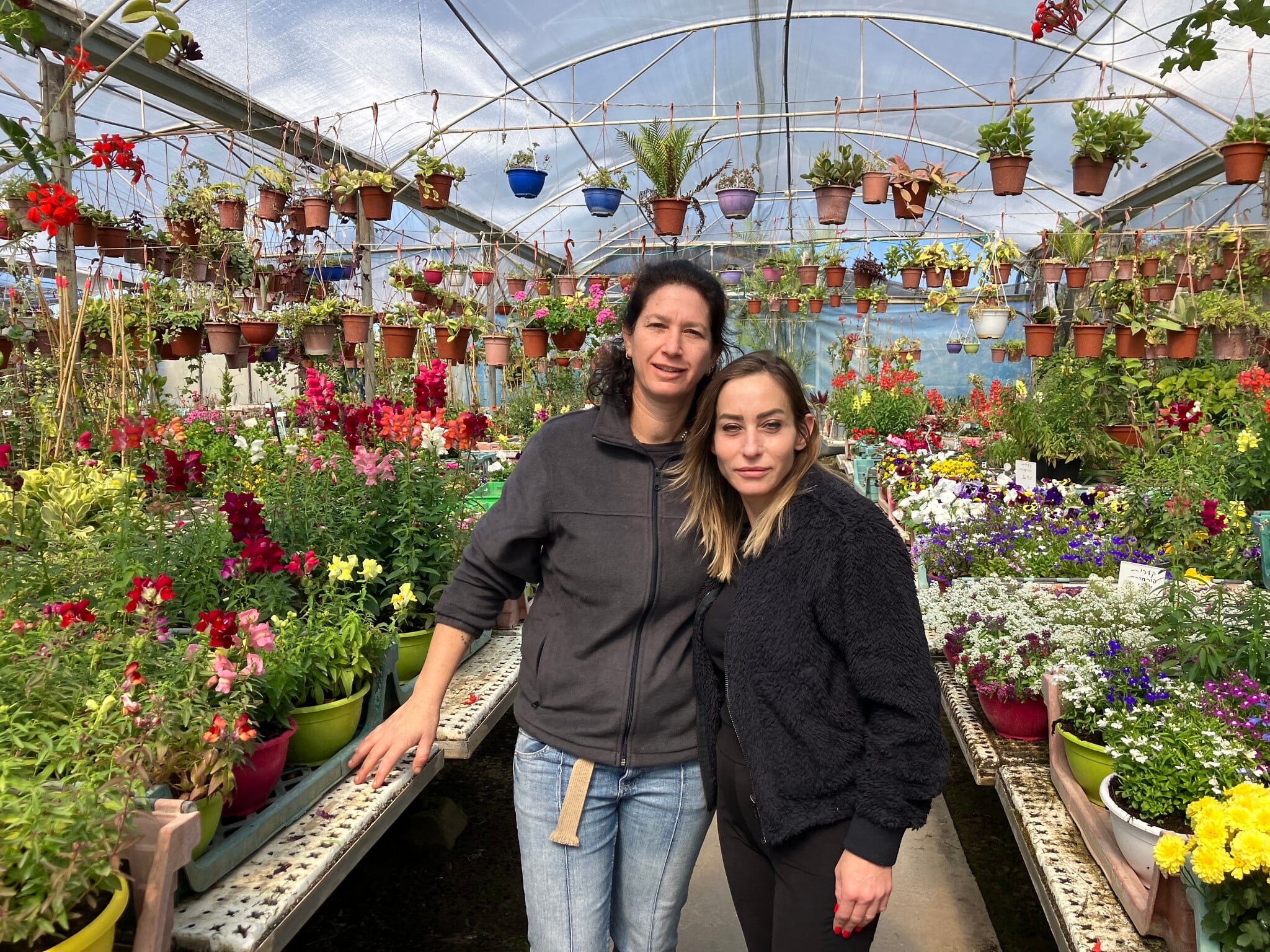
“There’s so much insecurity and uncertainty,” Malachi said. “People have anxiety and panic attacks. Teenagers walk around, not knowing what to do.”
She said that some children are so frightened that they don’t leave their family’s protected room. One mother had to beg her son to go outside to spend at least 15 minutes in the sun.
“I distributed gift baskets on Purim with some other women to cheer up the children,” Malachi said. “I’d like to organize more events. We’re allowed to have up to 50 people gathered in one place, but I don’t want to take the responsibility.”
She said that some people are resigned to the fact that this latest round with Hezbollah might be “just a Band-Aid.”
“The war will stop for now, and there will be another round every few months,” she said.
‘We’re going through it all over again’
On a nearby farm, Michal Mizrachi was getting ready to drive to Nahariya, five miles away, where she volunteers with the Magen David Adom emergency medical service. When not volunteering, Mizrachi runs FLOW, an exercise studio, on her family’s property. From the studio entrance, there is an unbroken view of pastures and then the Mediterranean Sea.
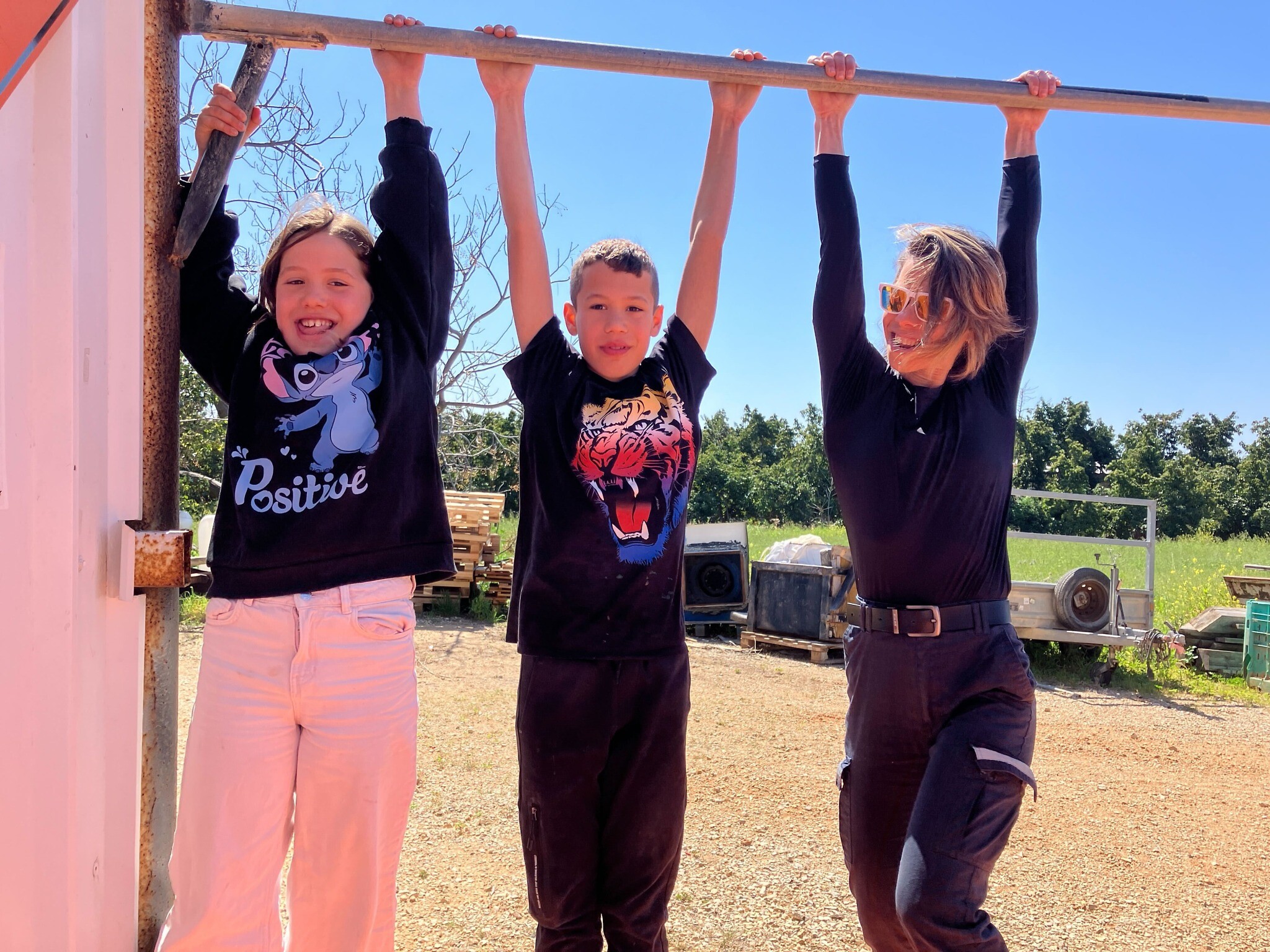
Before October 7, Mizrachi said she used to train about 90 clients in her studio. Since she returned to Moshav Liman in April 2025, she has trained about 60 people. Then the latest war began.
“Now they’re scared to come even though there’s a bomb shelter right next door,” she said. “The kids were so lost during the evacuation but they’re not lost now.”
Her husband, Yaniv, was working to repair the family restaurant founded by his father, Yonatan, and where his late mother, Esther, used to be the chef. The building was damaged during the war, and they hope to open it again.
During the evacuation, Mizrachi and their three children stayed on Kibbutz Beit Oren near Haifa while her husband stayed behind as a member of the emergency response team. He also took care of their trees and farm.
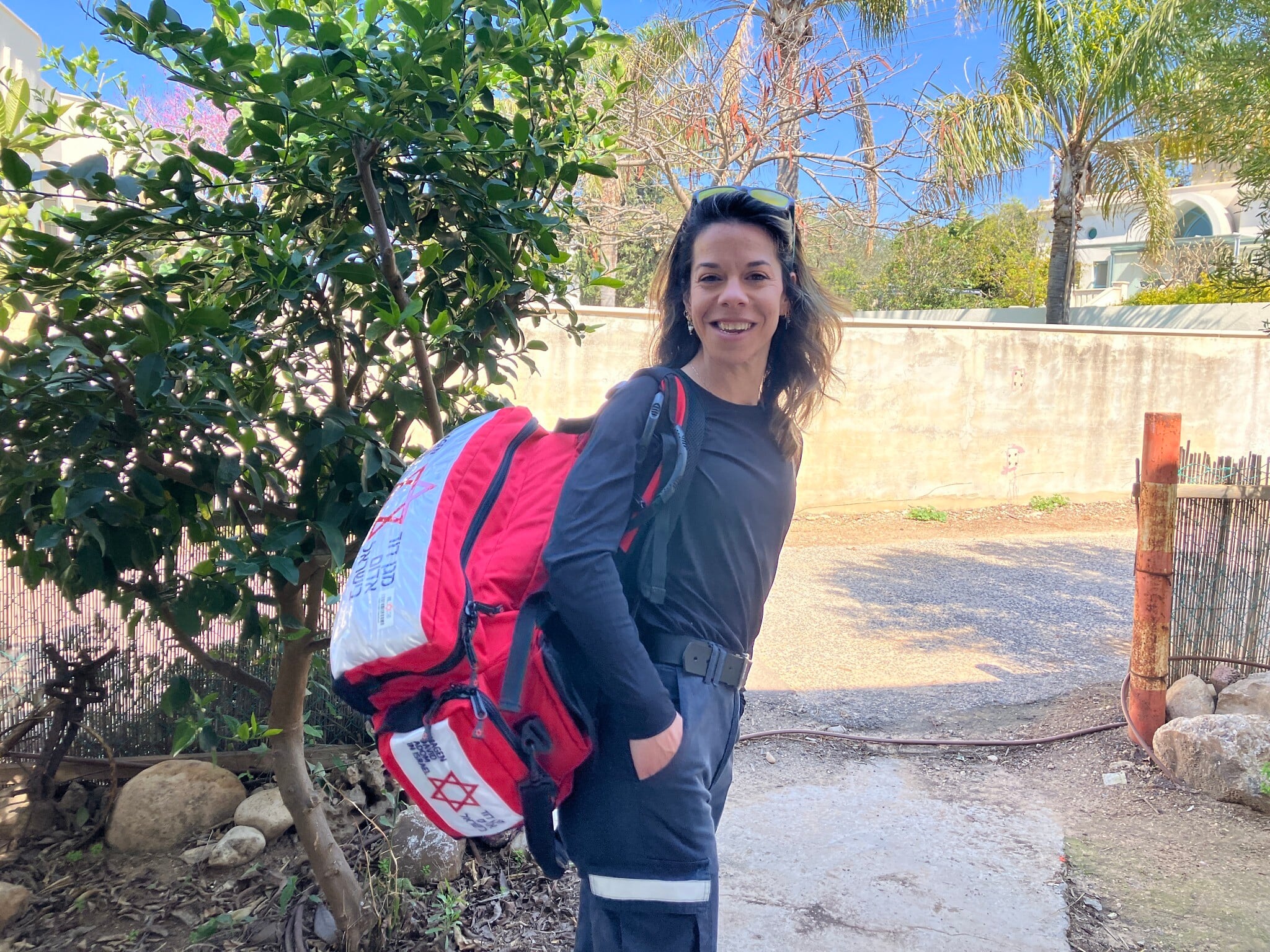
“The kids were so lost during the evacuation but they’re not lost now,” Mizrachi said. Since they returned, they were “just getting back to an ordinary routine, and now it seems like we’re going through it all over again.”
The family sleeps in the house, but they have their shoes ready in case they have to run to the shelter in the middle of the night.
“I try to look at the glass half full,” she said, sounding upbeat. “Life continues. I try to teach my kids resilience.”







The Times of Israel Community.