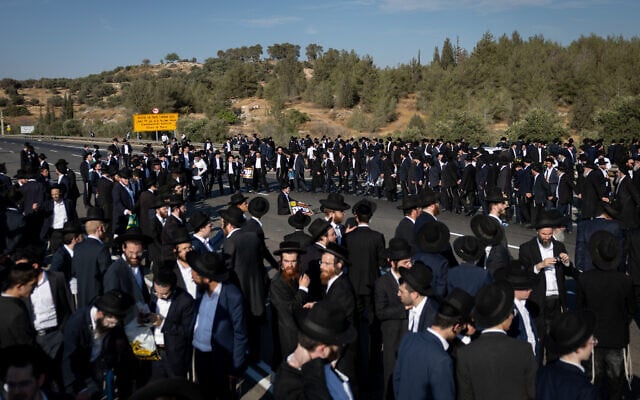
Jews have traditionally suffered from fewer alcohol-related problems than other religious and ethnic groups — a trait scientists have attributed to both culture and genes.
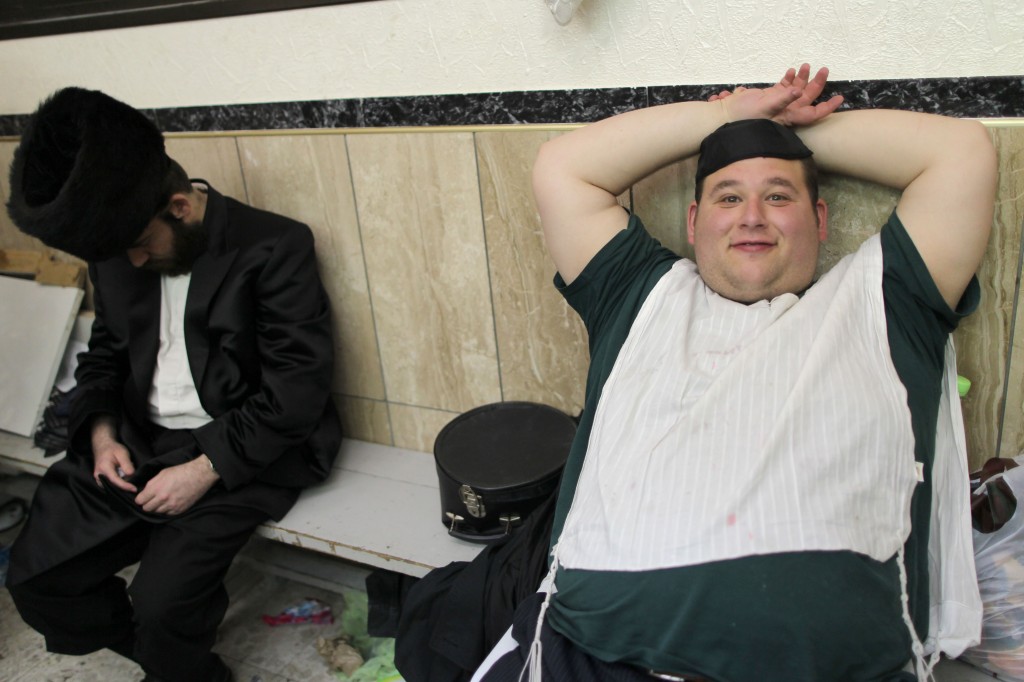
But underage drinking has become a concern in at least one Orthodox community in Brooklyn, where religious leaders and medical workers are now speaking out about the phenomenon, known as “shul-hopping.”
“This has been going on for years, unfortunately, but there’s more of it [now] because there are more kids out there,” an emergency medical technician in the Midwood neighborhood told the Brooklyn Daily last week. “It’s a taboo topic that’s always been swept under the rug.”
While the article doesn’t provide statistics, the perception that the problem has increased is apparently widespread. The underage drinking typically takes place at Friday night “shalom zachar” parties, in which male members of the religious community celebrate the birth of a baby boy. The trend is described as “a guy thing” by a female teenager quoted in the piece, and has led to such wild drinking that some celebrants have passed out and been hospitalized. The pattern has inspired “a handful of Midwood synagogues to change their party policies when teenagers are involved,” the articles says.
Local observers tell the Brooklyn Daily that Midwood synagogues served significantly less alcohol at this year’s Purim parties than in the past, and that the problem — once an issue to be avoided — is being addressed more openly.
Get The Times of Israel's Daily Edition
by email and never miss our top stories
By signing up, you agree to the
terms
“More and more organizations are talking about it,” says Ruchama Clapman, a social worker. “People are ready to hear about it now.”
We can't do this work alone.

The war with Iran has been draining for all of us in Israel. But when I heard about a high casualty incident – ballistic missile impacts in Arad and Dimona that left nearly 200 people wounded – I drank a cup of coffee, packed a bag, and headed south.
There, I spoke with Shilgit, the head of an after-school program for underprivileged youth. Standing outside her destroyed center, Shilgit said it was a miracle that no children were hurt and spoke about the community coming together in the hours since.
As a Times of Israel reporter, I’m committed to telling stories of resilience like Shilgit’s. But my colleagues and I can't do this alone. If you value work like this, please consider joining our reader support group, The Times of Israel Community. Your financial support is essential to keep real human reporting like this going.
— Stav Levaton, military reporter
Yes, I'll join
Yes, I'll join
Already a member? Sign in to stop seeing this
You're a dedicated reader

We’re really pleased that you’ve read X Times of Israel articles in the past month.
That’s why we started the Times of Israel - to provide discerning readers like you with must-read coverage of Israel and the Jewish world.
So now we have a request. Unlike other news outlets, we haven’t put up a paywall. But as the journalism we do is costly, we invite readers for whom The Times of Israel has become important to help support our work by joining The Times of Israel Community.
For as little as $6 a month you can help support our quality journalism while enjoying The Times of Israel AD-FREE, as well as accessing exclusive content available only to Times of Israel Community members.
Thank you,
David Horovitz, Founding Editor of The Times of Israel
Join Our Community
Join Our Community
Already a member? Sign in to stop seeing this