

Brace yourselves: The Knesset’s winter session is coming
Budget battles, stalled reforms, a tenuous coalition and, of course, no shortage of rhetoric — what’s in store for parliament
 Add ToI as a Preferred Source on Google
Haviv Rettig Gur is The Times of Israel's senior analyst.
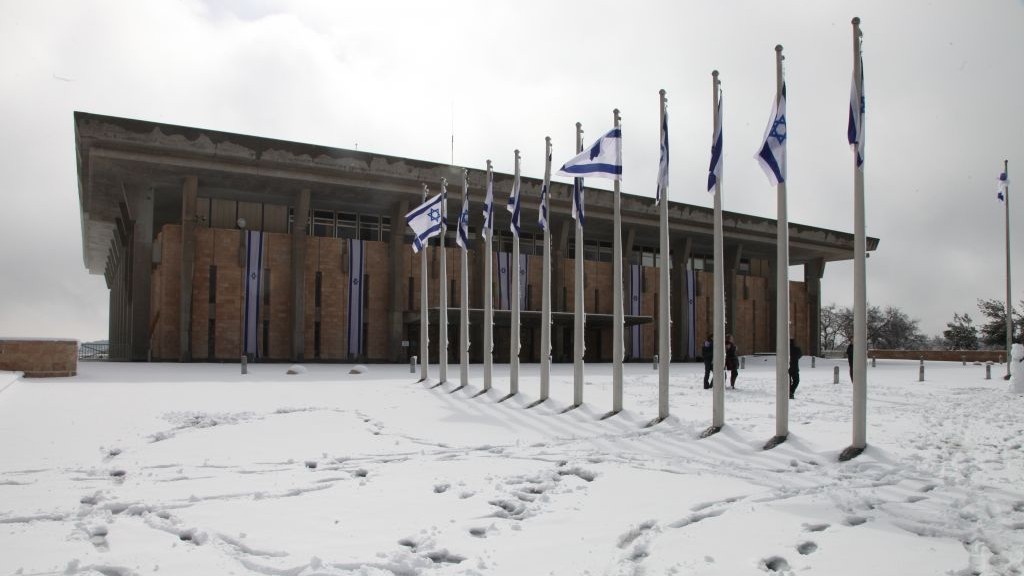
The Knesset’s winter session begins this coming Sunday. When the 120 members of the Knesset sit down in the plenum for the first time since the summer, they are sure to be pleasantly surprised by the new lighting and sound systems that were installed during the recess. For the first time, sprinklers will be seen watering the grassy sections of the Knesset grounds. Online, too, the parliament is going through much-needed renovations. Revamped websites, including in English, Arabic and Russian, and new online portals to key Knesset committees are being launched. A website for children that deals with the Knesset’s work is slated to launch in the coming weeks.
All these innovations and more will greet the MKs in the new session as part of a new effort to upgrade the Knesset’s aging infrastructures and streamline the public’s access to its lawmakers.
But, alas, the innovative spirit of the Knesset’s professional staff will not be reflected in its parliamentary activity. The agenda of the coming session is the same as the last one — the same budget battles, the same rhetorical skirmishing between Arab MKs and right-wingers, the same battles over Israel’s religious institutions and economic inequalities.
The Knesset’s first order of business will be passing the 2015 state budget. Budget debates are never as photogenic as the shouting matches over peace talks and who, precisely, is a terrorist — to be sure, there will be plenty of these in the coming session as well — but they are the heart of the Knesset’s work. By law, if the budget fails to pass, the government must fall. And it is in the state budget, not in speeches or press releases, that the government actually implements nearly every aspect of its policy, from the economy and education to defense and health.
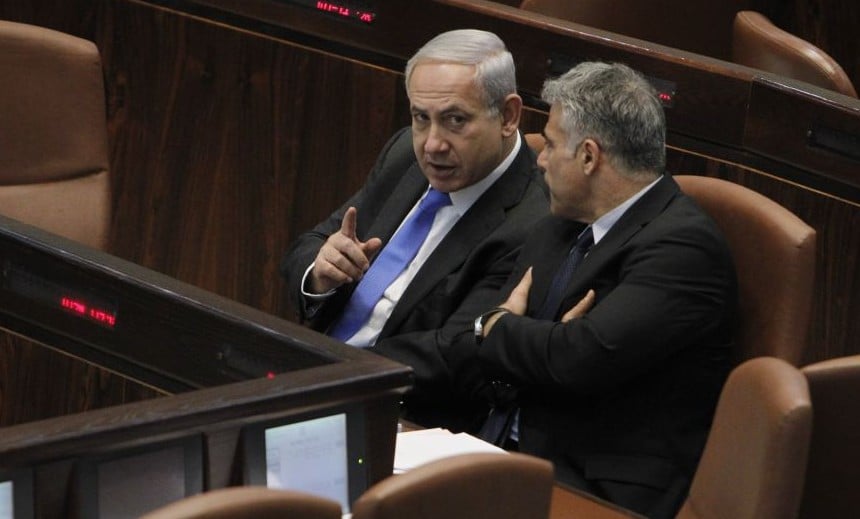
Many battles, rhetorical and political, have already been fought over the upcoming budget, most dramatically the fight over Finance Minister Yair Lapid’s proposal to cut the value-added tax on new home purchases for young couples who fulfilled their national service and are buying their first home.
Born as a response to the cost-of-living protests of 2011, the plan seeks to tackle a key complaint of Israel’s middle class: the prohibitively high cost of buying a home. But it has faced excoriation from economists and government planners, including Bank of Israel Governor Karnit Flug, who warned that reducing the tax on home purchases would not lower their price by much because it would increase demand without affecting the supply of new homes, and would likely see contractors simply raise their own base sale prices to new heights at the homebuyers’ (and taxpayers’) expense. The national treasury would lose billions in lost tax revenue without offering much help to young couples dreaming of new homes.
But Lapid has held firm on the plan, explaining that it was only a part of a larger program that would include expedited construction and other measures to increase supply — and he announced that he viewed its passage as a precondition for his party’s support for the 2015 budget.
Lapid and Prime Minister Benjamin Netanyahu reached an agreement on the issue earlier this month that will see Lapid’s plan passed as a separate bill in parallel with the passage of the budget.
The agreement exists. Now the Knesset has to implement it. And it must do so even as plenty of political factions — Labor, Arab parties, Haredi parties — would not shed a tear over the government’s fall.
So will the budget pass?
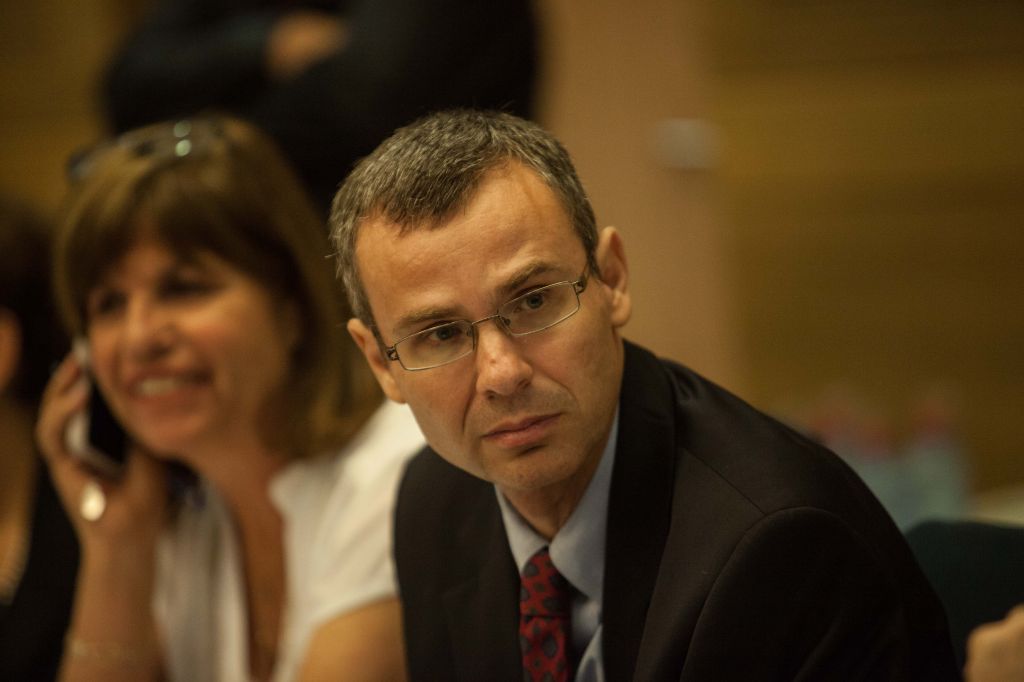
“There is no agreement” on the budget’s final shape, says MK Yariv Levin (Likud), the man unlucky enough to hold the influential but thankless post of coalition chairman. It is Levin who must shepherd the budget through countless Finance Committee votes, guarantee MKs’ presence at the key plenum votes, and ultimately see it become law.
“But,” Levin adds hopefully, “no one wants elections. The chance that we reach understandings should be fairly good.”
Levin’s optimism may be short-lived. The IDF said Sunday it will seek to expand its budget, after it won just NIS 6 billion in new funds after the summer’s expensive Gaza conflict, billions less than what it says it needs to keep Israel safe.
And there are already signs the government may not deliver its budget bill to the Knesset on time — it is due next Wednesday, October 29 — either because of new disagreements over the budget within the government or as a tactic to shorten the time the Knesset will have to add changes.
On Monday, Knesset Speaker Yuli Edelstein penned a letter to Netanyahu pointedly inquiring about the rumors that the budget won’t come on time.
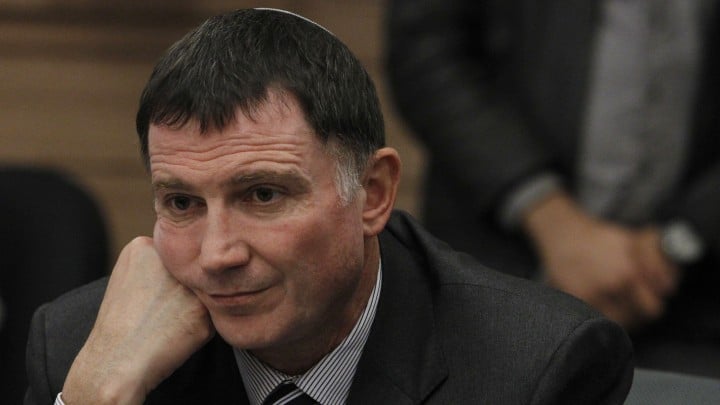
“There won’t be shortcuts,” Edelstein vowed on Monday in a conversation with The Times of Israel. “If the delay is a matter of a few days for technical reasons, that’s one thing. If [the delay] is significant, I will make sure that the committees have a reasonable time to work,” he said in an unmistakable warning that a delay may mean the budget won’t pass into law by year’s end.
In the end, Edelstein, like Levin, sounds an optimistic tone.
“I believe the budget will pass,” he says, “though of course with changes. I think I’ve voted for [an annual] budget 18 times, and I haven’t seen one that left the Knesset in the same shape that it went in.”
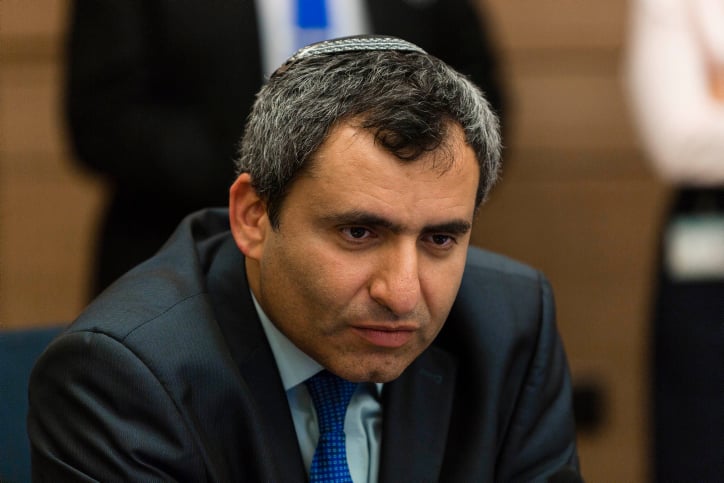
Another key figure who isn’t worried: MK Ze’ev Elkin (Likud), who currently chairs the Foreign Affairs and Defense Committee and is slated to switch jobs with Levin in the new session (if the latter is not appointed communications minister first, in which case Elkin may still become coalition chairman while retaining the FADC chairmanship).
In the end, the coalition’s leadership is confident because the legislative deck is stacked in its favor. The coalition controls a decisive majority in the Finance Committee where much of the budget work will be conducted — and it was Elkin who made sure of that majority in the negotiations that established the current coalition and government.
The Jewish Home challenge
So if the budget vote is unlikely to topple the government, are there other legislative obstacles that might? On this question there is agreement across the political spectrum.
As one coalition MK put it succinctly, “religion and state is a significant danger,” since the coalition may be too fragile to survive fights on religious matters.
When he describes his job as coalition chairman, Levin does not mince words: “It’s an interesting job with influence and publicity,” he begins, “but it’s very hard to constantly arbitrate and solve problems, run votes — in a year and a half, we’ve had 1,500 votes — where you need a majority in every instance, and every day brings another crisis. You are neutralized when it comes to issues you want to advance, and with your political work in your party.”

And this coalition “is much more difficult than previous ones,” says its chairman. “There is a small ruling party [the Likud has just 19 seats and is slated to shrink to 18, one less than its junior coalition partner Yesh Atid, with the retirement of Interior Minister Gideon Saar], relations are sour between the heads of parties in the coalition, and there are huge gaps between the parties” on a range of issues.
In such a setting, bills seeking to dramatically reform state conversion policies, surrogacy, and other issues in which religiously devout lawmakers may clash with more liberal political forces have the explosive power to topple an already wobbly coalition.
One doesn’t have to look very far for examples of the danger. Netanyahu has just this week informed his coalition partners that he was withdrawing his support for MK Elazar Stern’s (Hatnua) conversion bill and would not allow its passage into law, Channel 2 reported on Monday.
The bill would allow Israelis to convert to Judaism through any municipal rabbinate, allowing potential converts, especially among Russian-speaking relatives of Jews who immigrated from the former Soviet Union, to bypass any state rabbi who refused to convert them and find a rabbi who would.
As with Lapid and his zero-VAT housing plan, Hatnua leader Justice Minister Tzipi Livni has threatened to quit the coalition if the bill failed to pass. Indeed, it passed its first of three required votes in the Knesset plenum last summer, with Netanyahu’s support. But Netanyahu is now calling Livni’s bluff — and hoping that even if it was not a bluff and Livni actually quits, the stymieing of a major religious reform will win back the jaded Haredi parties, who are still smarting at his decision last year to establish a government without them.
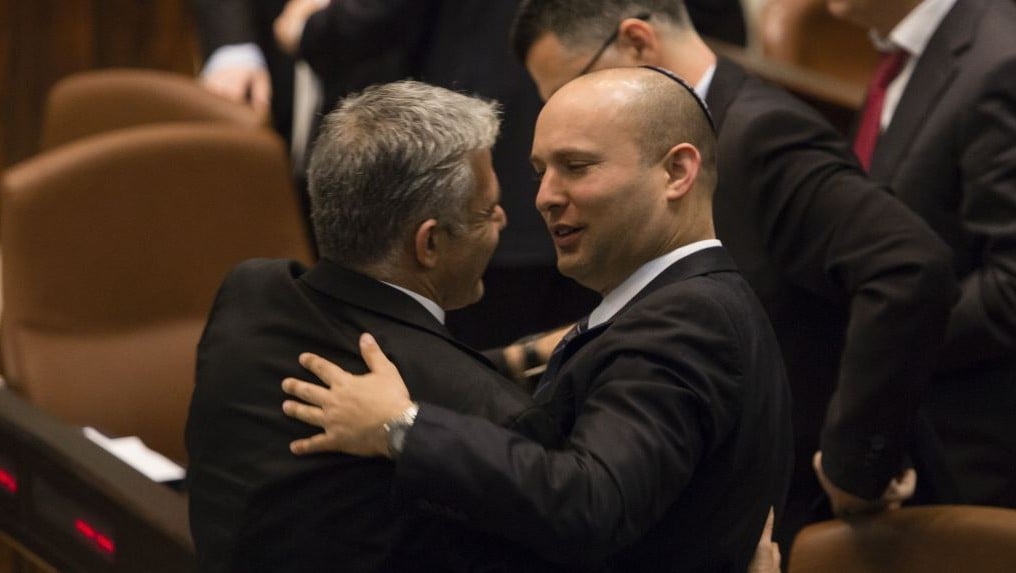
Netanyahu may also be attempting to head off a crisis not with Livni, whose six Knesset seats he can afford to lose from his 68-seat coalition, but with the Jewish Home party, whose 12 seats he cannot lose without risking his parliamentary majority.
Jewish Home is expected to resist major religious reforms, up to and including possibly abandoning the coalition and bringing about new elections. It doesn’t help Netanyahu that Jewish Home has consistently polled better than its current Knesset showing in every recent poll.
Indeed, the mere fact that Netanyahu is maneuvering to head off a religion-and-state crisis before the Knesset has even returned from recess is the clearest signal of the topic’s destabilizing power.
Of course, the Knesset will also hold debates about the expected Palestinian Authority appeal to the United Nations Security Council in the coming weeks, and possibly also to the International Criminal Court against Israel. While Knesset members cannot meaningfully affect these developments, and have few ways in which they can effectively respond to them, they will not be sparing in their rhetoric. And there will be a direct correlation between the stridency of that rhetoric and the number of cameras they will find in the plenum on the day of the debate.
“The Knesset cannot ignore diplomatic developments,” insists Speaker Edelstein, but adds dryly, “though of course signing international agreements and peace treaties is not in our job description as MKs.”
In the end, the most significant work of the Knesset this winter, the votes and decisions that will affect every Israeli, will be in the economic realm. It is in these issues — as Edelstein puts it, “in the issues that, sadly, can’t yet be taken off the agenda, such as the high cost of living” — where MKs will be called upon and able to effect real change.









The Times of Israel Community.