

Netanyahu turns capitulation into personal triumph
Crisis in Jordan enables a face-saving turn-around at the Temple Mount, brokered by the previously derided Shin Bet chief
 Add ToI as a Preferred Source on Google
Avi Issacharoff, The Times of Israel's Middle East analyst, fills the same role for Walla, the leading portal in Israel. He is also a guest commentator on many different radio shows and current affairs programs on television. Until 2012, he was a reporter and commentator on Arab affairs for the Haaretz newspaper. He also lectures on modern Palestinian history at Tel Aviv University, and is currently writing a script for an action-drama series for the Israeli satellite Television "YES." Born in Jerusalem, he graduated cum laude from Ben Gurion University with a B.A. in Middle Eastern studies and then earned his M.A. from Tel Aviv University on the same subject, also cum laude. A fluent Arabic speaker, Avi was the Middle East Affairs correspondent for Israeli Public Radio covering the Israeli-Palestinian conflict, the war in Iraq and the Arab countries between the years 2003-2006. Avi directed and edited short documentary films on Israeli television programs dealing with the Middle East. In 2002 he won the "best reporter" award for the "Israel Radio” for his coverage of the second intifada. In 2004, together with Amos Harel, he wrote "The Seventh War - How we won and why we lost the war with the Palestinians." A year later the book won an award from the Institute for Strategic Studies for containing the best research on security affairs in Israel. In 2008, Issacharoff and Harel published their second book, entitled "34 Days - The Story of the Second Lebanon War," which won the same prize.
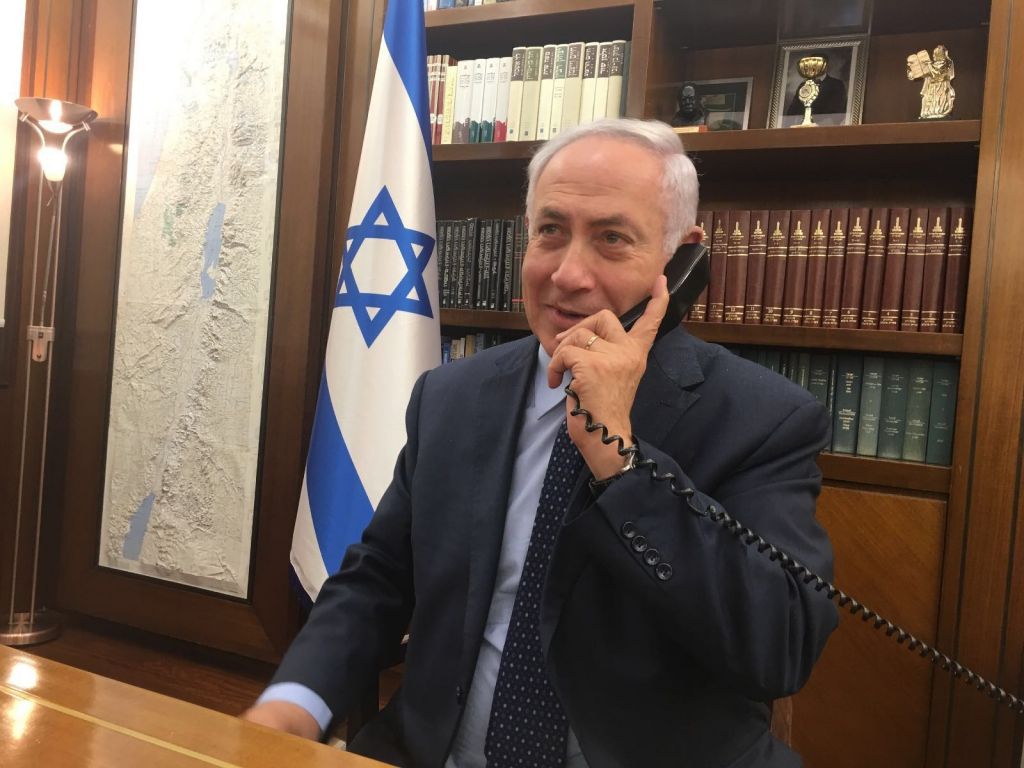
Let’s start at the end. Dawn breaks on Tuesday, July 25, 2017 and the government of Israel has caved in. Completely. There’s no other way to put it. It has removed the metal detector gates it installed after the July 14 terror attack to the Temple Mount, and has even taken down the new security cameras it had installed too. In the space of four days, it has reversed the thoroughly justified, but unwise decision by the security cabinet on Thursday night to leave the metal detectors in place.
When three Arab Israeli gunmen shoot dead two Israeli Druze policemen with guns they have smuggled into the holy site, as happened on July 14, there can be little doubt as to the legitimacy of security checks on people entering the Temple Mount compound. But the process by which the metal detector gates and other security measures were imposed — without coordinating with Jordan, the Jordanian Waqf (Muslim trust) that administers the site, or even the Palestinian Authority — was beyond unfortunate.
“The Temple Mount is in our hands,” Israel has maintained since 1967, but to the chagrin of many, it is not solely in Israel’s hands. The events of the past 10 days underline the heavy price, including in blood, for anybody who seeks to ignore this.
The Mount is also in the hands of the Jordanians, thanks to Israel’s own decision to allow the Waqf to continue to administer the site after the end of the Six Day War.
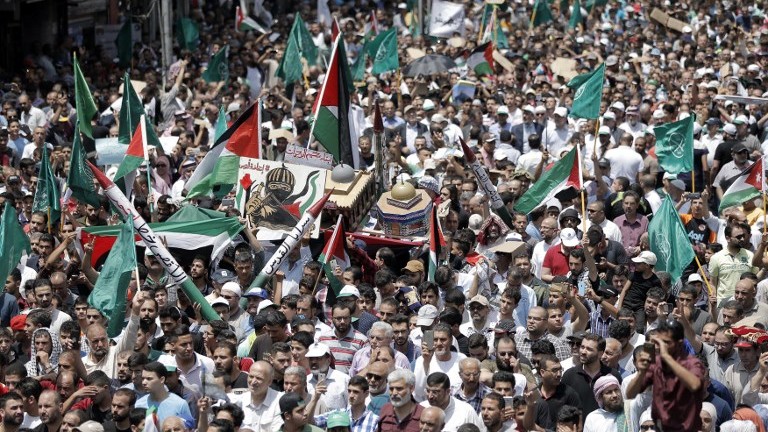
And however troublingly for Israel, there is the Palestinian factor to take into account as well — not just the Palestinian Authority, but the Palestinians as a whole, for whom the Temple Mount, the Al-Aqsa Mosque, is both a religious symbol and a national one. The fate of Al-Aqsa touches the most acute sensitivities of the Palestinian public (and the wider Arab and Muslim publics). Like it or not, official or not, they too have an role in decision-making on the Mount.
The current Israeli government routinely prefers to ignore the Palestinians, to sideline Palestinian Authority President Mahmoud Abbas, and talk to the Jordanians. But excluding the Palestinians has only resulted in the Islamic movements gaining more influence at the Mount: Hamas and the outlawed Northern Branch of Israel’s own Islamic Movement have been able to accumulate influence, as the PA is edged out. And for them, al-Aqsa is the fuel to fire up the masses, to inflame the atmosphere and provoke violence.
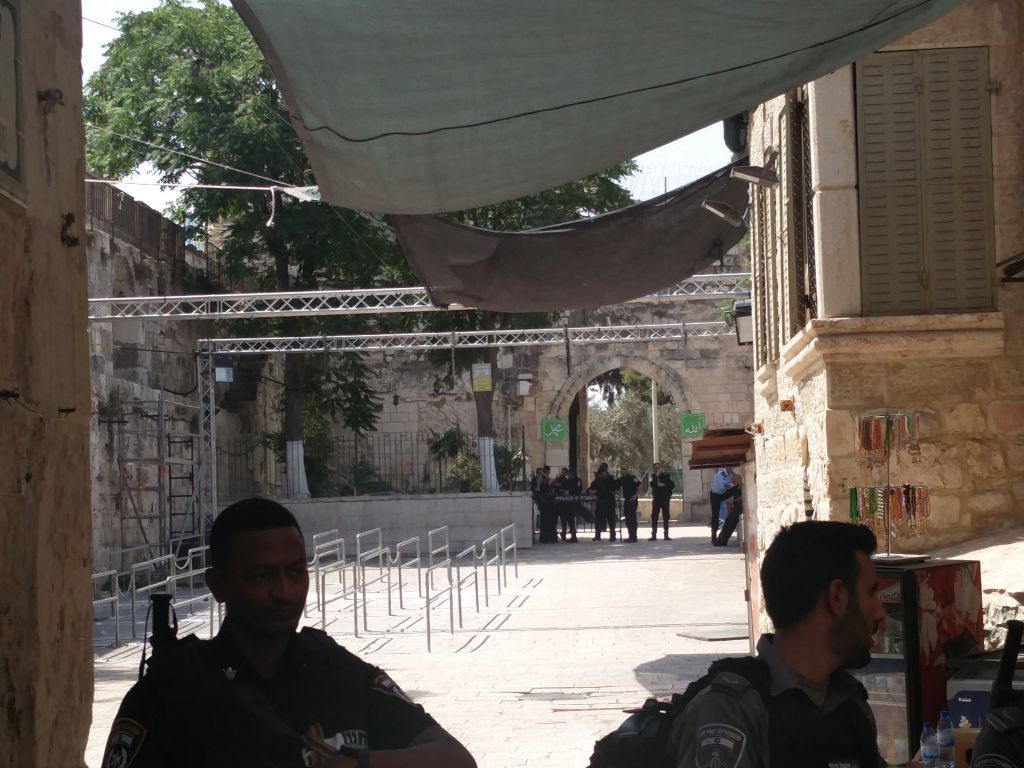
Tuesday morning’s removal of the metal detectors, however, is bad news for the Islamists. They will try to claim a victory, and claim that they were responsible for Israel’s capitulation. But the dismantling of the metal detectors has provided the victory photograph for many of those who stationed themselves at the entrances to the Temple Mount to demonstrate against the detectors, but who do not belong to Hamas, the Northern Branch, or any other organization.
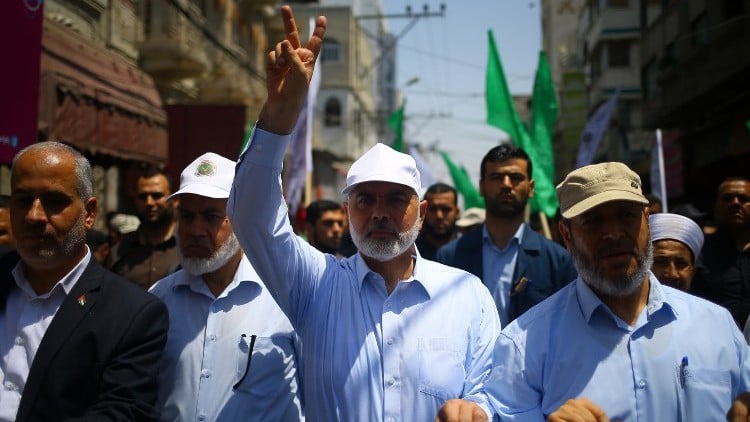
The dismantling of the detectors is also bad news for right-wing Israeli activists, who are trying to further their own Temple Mount agenda and achieve full Israeli sovereignty there — to win the right to Jewish prayer, a synagogue, ultimately a third Temple.
The capitulation constitutes de facto recognition by a right-wing government under Benjamin Netanyahu of the limits of its power at the Mount. These activists saw on Tuesday morning that if there is something or someone that frightens Prime Minister Benjamin Netanyahu more than they do, it is the prospect of a major escalation of violence or war. Netanyahu can play with fire, can allow ministers such as Jewish Home’s Naftali Bennett and Ayelet Shaked and Likud’s Miri Regev to determine the cabinet’s policy for a few days. But the moment signs of real trouble appear on the horizon, Netanyahu himself rushes to concede, albeit while presenting his concessions as achievements.
In the case of the current climbdown, Netanyahu ironically has “Ziv” to thank. Ziv — his full name is under a gag order — is the Israeli security guard who shot dead two Jordanians, one of whom was in the process of stabbing him, at the Israeli Embassy compound in Amman. After the attack, early on Sunday evening, the Jordanians barred Ziv and the other embassy staff from returning to Israel. They insisted on summoning Ziv to an interrogation. That prompted Netanyahu to send Nadav Argaman, the head of the Shin Bet intelligence service, to Amman to broker a deal with the Jordanians that would put an end to the affair.
Argaman, let’s remember, is the same Shin Bet head who recommended removing the metal detectors from the Temple Mount quickly in order to preempt the explosion of violence last weekend, but was ignored by Netanyahu, with the the intelligence chief derided by right-wing associates of Netanyahu as a panic-struck alarmist. On Monday, Netanyahu apparently internalized that the alarmist was his best hope of restoring calm.
It’s hard to tell definitively at this stage whether the deal was thought up by Argaman — and, needless to say, the Prime Minister’s Office denies it. But it’s just possible that Argaman saw the chance to kill two birds with one stone — to get the embassy team back to Israel and to get rid of the metal detectors. The fact is, though, that within hours of Argaman’s arrival back in Israel from his brief trip to Jordan, the embassy staff, Ziv included, were heading home and the the metal detectors — hitherto so indispensable to security — were coming down.
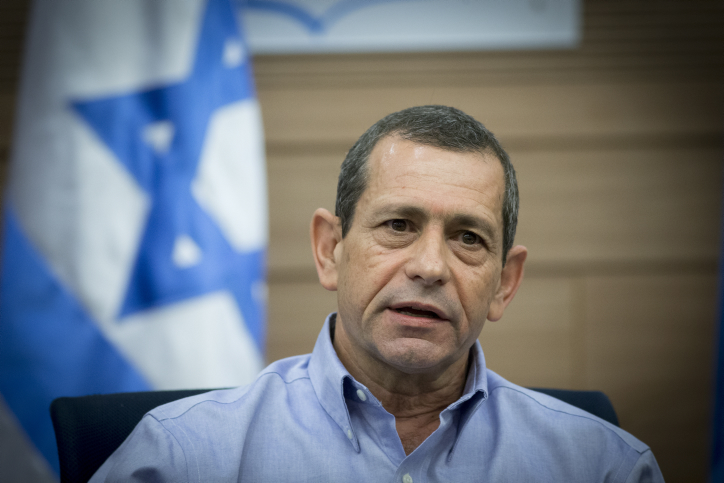
Argaman got the job done, and gave his boss, Netanyahu, the means to emerge from the crisis as a victor. A conversation between Netanyahu and the Israeli Ambassador to Jordan, Einat Schlein and the guard “Ziv,” immediately after their return to Israel, was recorded and distributed to the media. “I told you we’d bring you home,” the prime minister tells the grateful security guard. “And here you are, back home.”
Netanyahu even asked Ziv whether he’d had time yet to fix a date with his girlfriend.
Crisis? What crisis?






The Times of Israel Community.