

Suddenly, a life in green
Alon, who spoke to The Times of Israel one day after being called up, documented his week of reserves, on the cusp of war in Gaza
 Add ToI as a Preferred Source on Google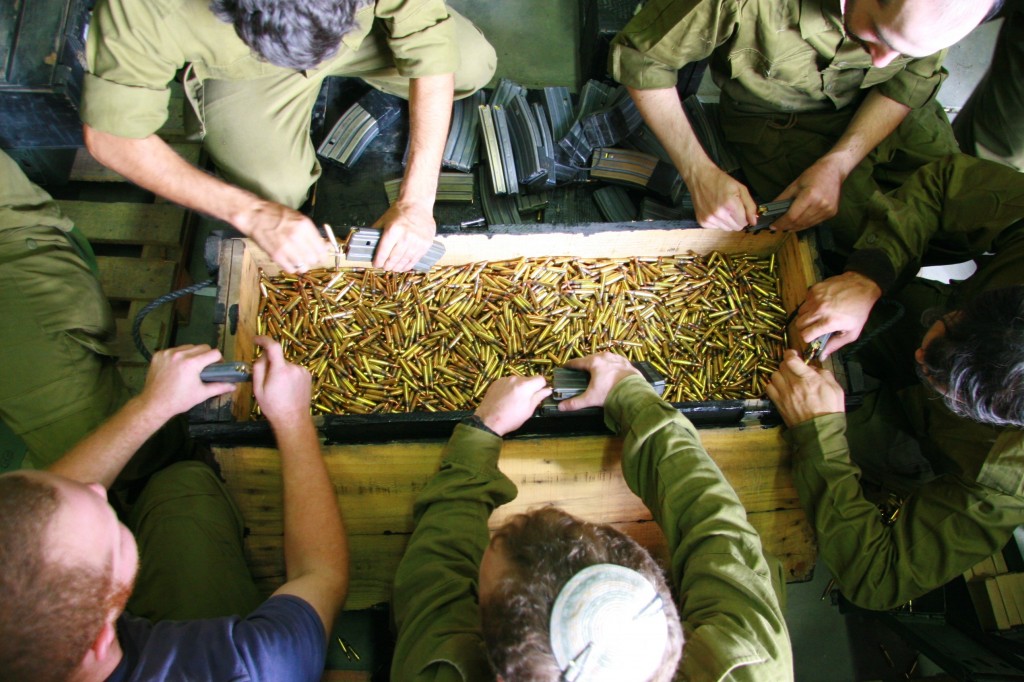
I was called to reserves on November 16, Friday night, not long after a Hamas rocket landed near Jerusalem. From the moment I pulled taut the laces of my boots, I was uncertain of what the future held. Every night, me and the other few hundred soldiers in my battalion, a small part of the entire brigade that was called in, were given glimpses of the order that would send us into the Gaza Strip.
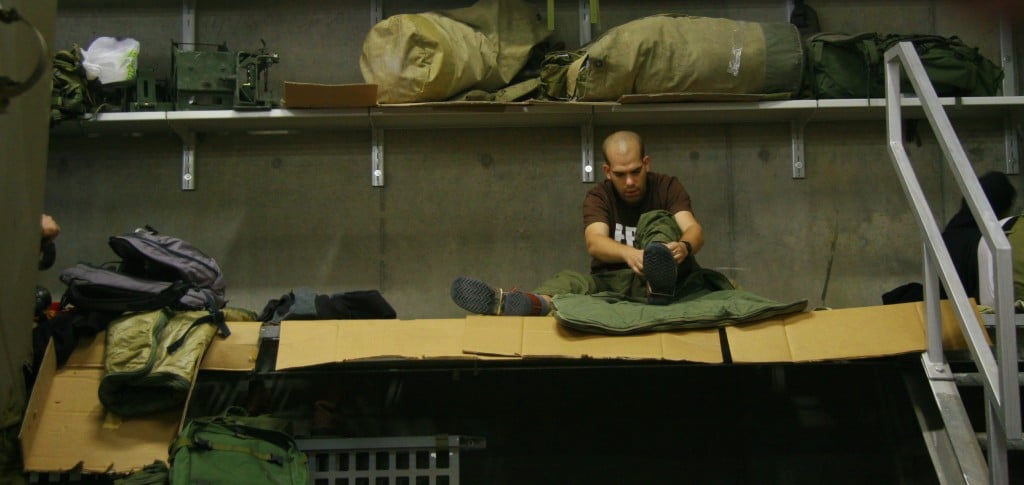
The concept of “tomorrow” was always unclear. We could, potentially, find ourselves carrying an unimaginably heavy amount of equipment on our backs for an illogical distance into enemy territory with intent to battle for the safety of our country’s borders or find ourselves on a bus driving us back to our wives and children, whom we’d left behind in a sudden rush of emotion that was, during the coming days, chilled by the constant drip of dread and reignited by the cruel audacity of Hamas’s rocket attacks.
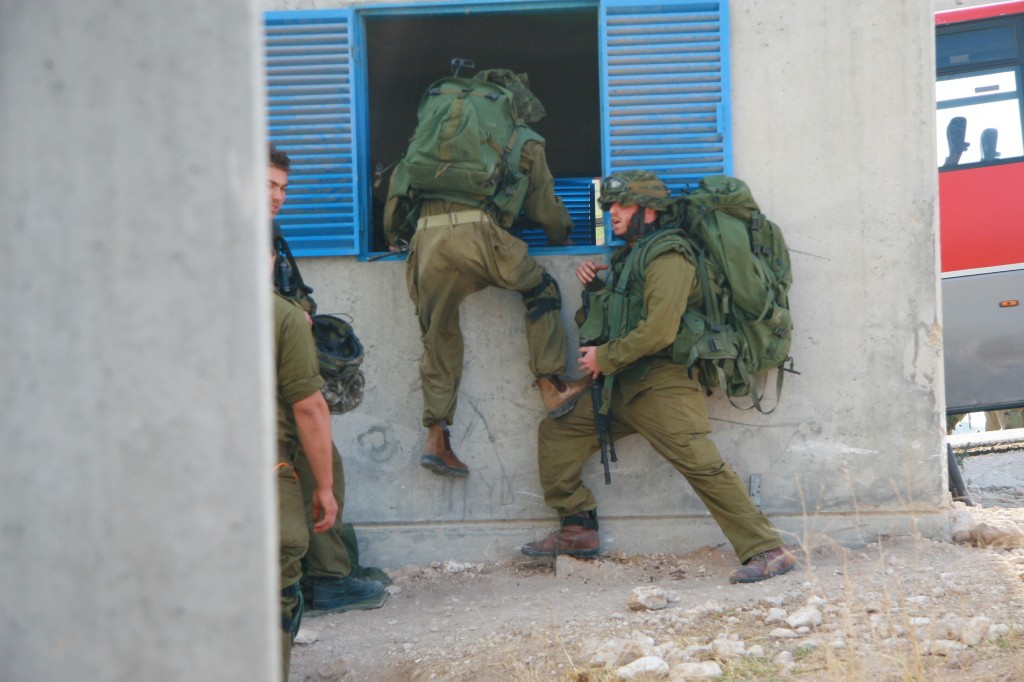
We filled every day with as much practical knowledge as we could. We spent hours practicing the engagement of a civilian home while under fire, perfecting our shooting skills in case of a heated battle, and tinkering with our equipment, all too aware that our lives depended on it. We pushed as hard as we could, straining to strip the rust off of our military skills, to reacquaint ourselves fully with our weapons — second nature for enlisted soldiers, but somewhat foreign to our civilian hands — because in a few hours, we could find ourselves on the other side of the fence engaging terrorists and fighting for our lives.
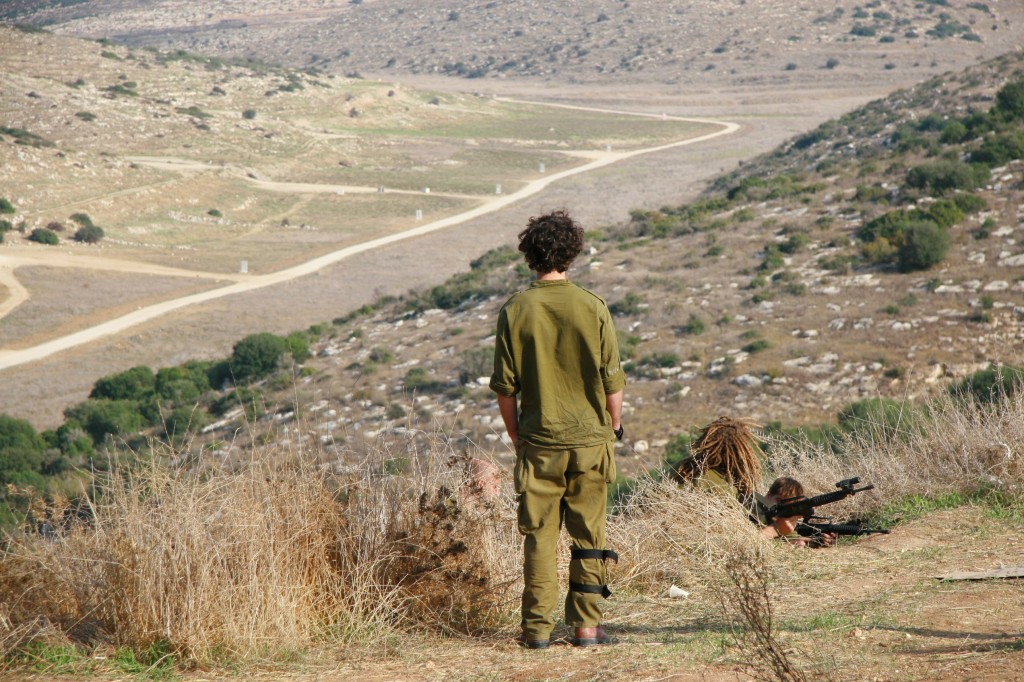
During our week of reserve duty, the military bow was stretched to the limit and its arrow — us — was about to snap. The concept of my life in Tel Aviv, sipping coffee and worrying about my next job, seemed as distant and untrue as our possible journey into the heart of the Gaza Strip.
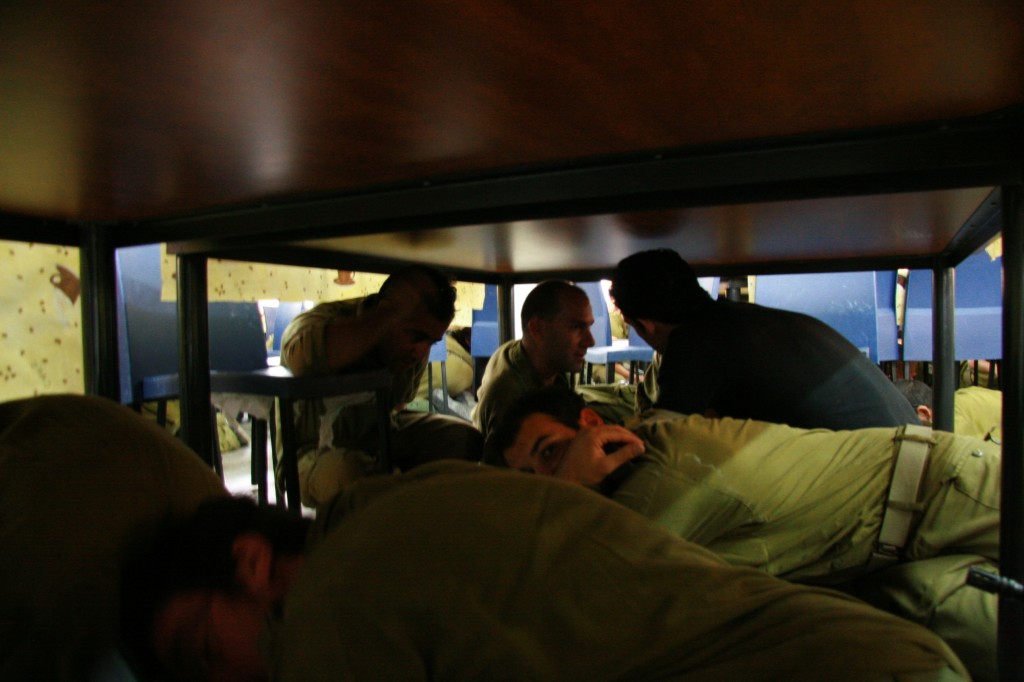
We accepted what was to come — professionally and mentally. It may have taken several motivational speeches from our company commander to remind us of our status as warriors, but politics aside, our unit was ready for the order.
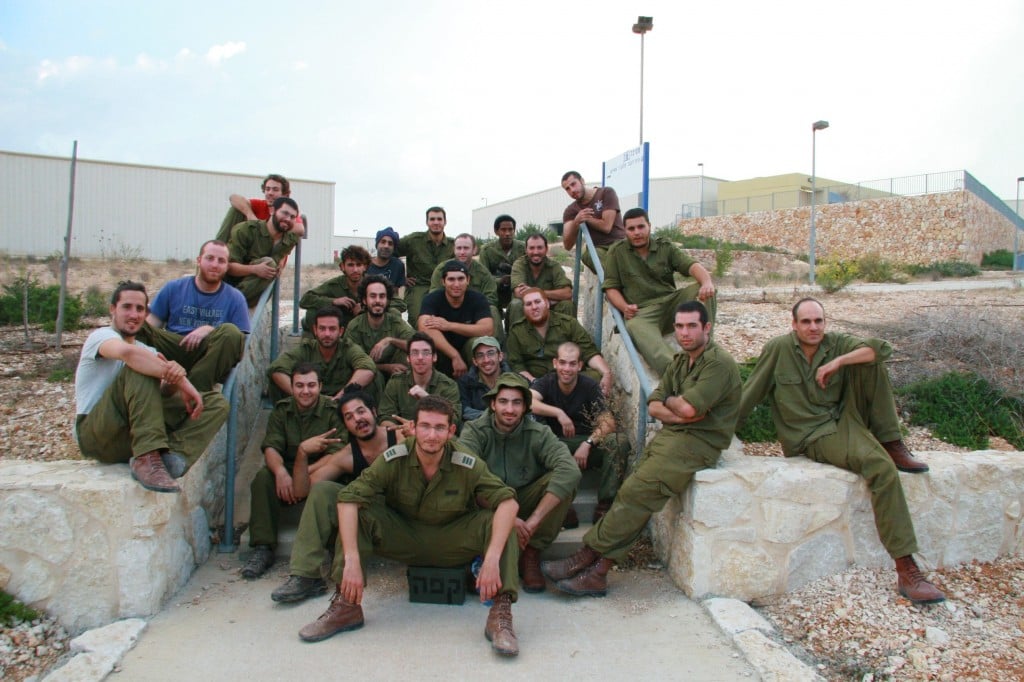
With every evening marked by the next day’s invasion orders, only to be delayed by yet another 24 hours, we managed to banish the fear and the notion of failure. But underneath our eagerness to follow through with our mission, there was the prospective reality that we could kill — or be killed.
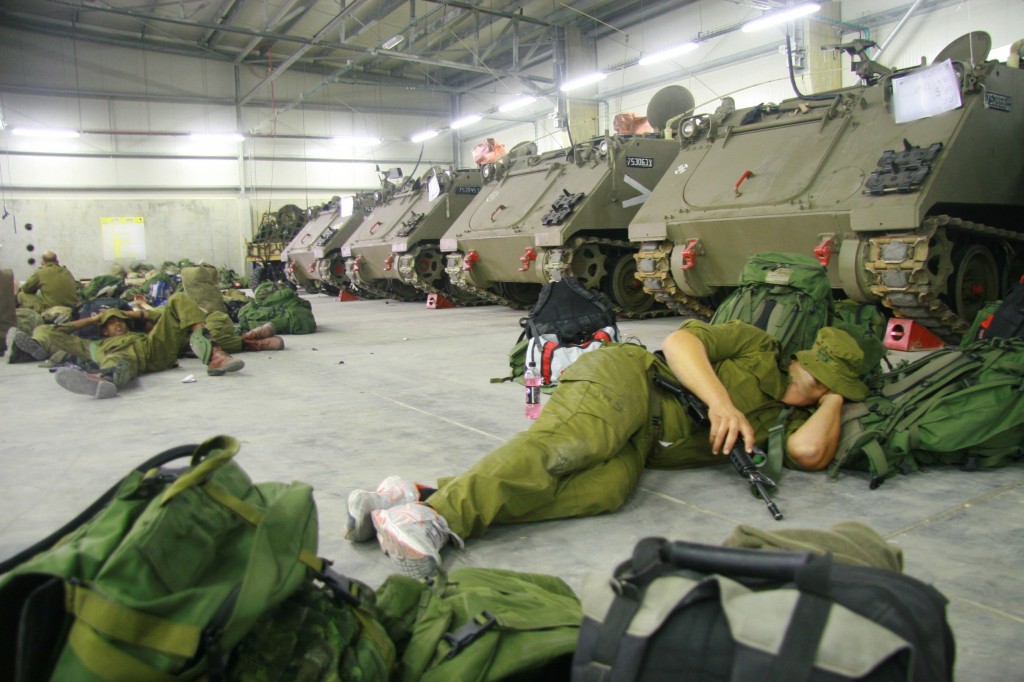
Today, we are all at home and I have returned to my simple life as a video editor. There was no war to fight. I am thankful for that. But I remain with the uncertainty, the unknowing of where I might spend tomorrow night and the swirling sense of what might, yet again, be asked of me.






The Times of Israel Community.