

3 non-native birds helping to spur significant decline in local species — study
Over past 15 years, white spectacled bulbul population down 45% in urban areas, house sparrows by 28%, as myna birds and parakeets take over
 Add ToI as a Preferred Source on Google
Sue Surkes is The Times of Israel's environment reporter
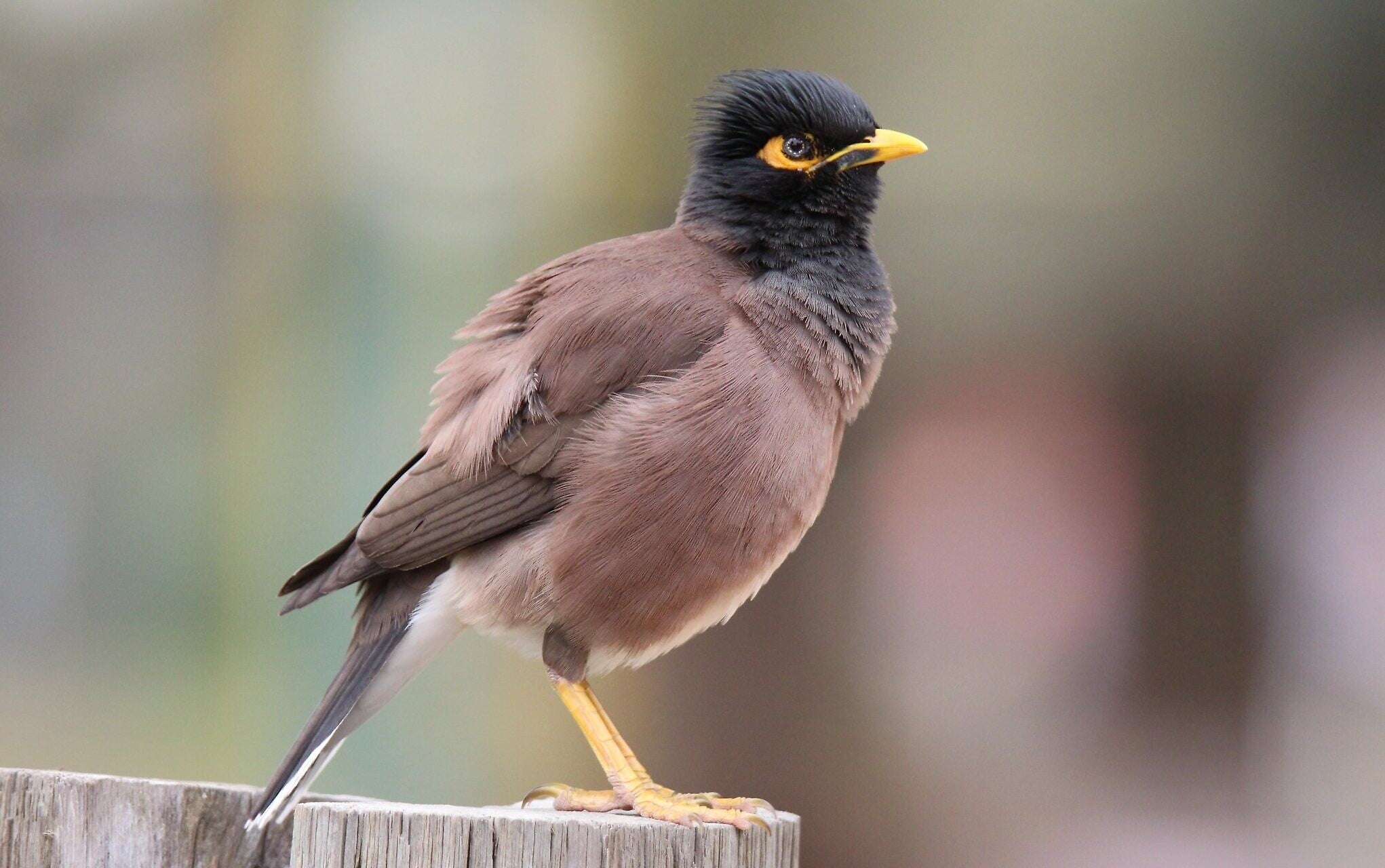
Three in four of the most common bird species in Israel have been in decline for the past 15 years, while populations of three non-native, invasive bird species are flourishing, according to research published Tuesday in Biological Conservation.
Among bird species whose numbers are dropping are the house sparrow (Passer domesticus), down by 28 percent, and the white-spectacled bulbul (Pycnonotus xanthopygos), whose populations have shrunk by 45%.
The common myna — declared by the IUCN Species Survival Commission in 2000 to be one of the most invasive species on the planet and one of only three birds to make it into the 100 species that most threaten biodiversity — is meanwhile taking over, with its populations in urban areas of the country exploding at a rate of anything from 250% to 843% over the past 15 years, according to conservation scientists Dr. Agathe Colléony and Assistant Professor Assaf Shwartz of the Technion Israel Institute of Technology in Haifa.
In addition to the myna (Acridotheres tristis), the rose-ringed parakeet (Psittacula krameria) and monk parakeet (Myiopsitta monachus) are also thriving, the study found, illustrating how increasing urbanization and “biological invasion” are driving “biotic homogenization” — the dominance of a few species where there used to be many.

And while these trends appear to be limited so far to human-dominated landscapes, there are signs that the phenomena may soon spread to the wild, the report’s writers warn, saying, “this highlights the importance of acting now.”
Prof. Shwartz of the Technion’s Faculty of Architecture and Town Planning said: “It is worrying that the species we grew up with are now declining. I am afraid that soon my children won’t be able to see and hear and interact with the sparrow, the bulbul, and the Palestine sunbird, which used to be very widespread across Israel.
“Almost two decades ago, we started studying the effect of invasive alien birds on local ones,” he continued. “We found that the common mynas outcompete some local cavity nester species such as the house sparrow and also demonstrated aggressive behaviors toward other native bird species.”
The research relied on the results of a nationwide citizen-science program and two standardized surveys.
The common myna is well adapted to urban environments, often taking the nests of other species and sometimes even evicting chicks that are still there. It will live in nesting boxes and even artificial structures such as buildings, which gives it an advantage over species that will only nest in trees.
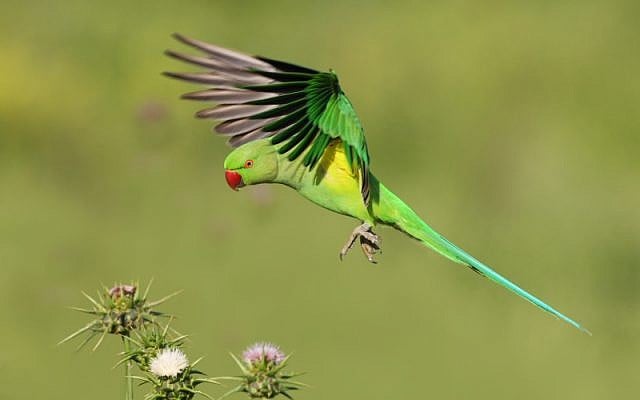
Feral populations of rose-ringed — or ring-necked — parakeet, a popular pet, have colonized much of the world. The monk parakeets from South America like to build large communal nests above electricity poles.
Israel Nature and Parks director Shaul Goldstein told an unrelated press conference Tuesday that species such as these had become so widespread in Israel that it was probably too late to get rid of them.
Invasive plant species such as the blue-leafed wattle (Acacia saligna) were also getting out of hand, he said, with the Hottentot fig (Carpobrotus edulis), introduced from South Africa to stabilize dunes, killing local species.
The INPA spends some NIS 8 ($2.3) million annually trying to eliminate invasive plants, Goldstein said.









The Times of Israel Community.