

After new protocols, state asks High Court to reject petition against refugee policy
Attorney who filed injunction against original Interior Ministry quota says allowing in Ukrainian refugee family members of Israelis is a positive step, but not enough
 Add ToI as a Preferred Source on Google
Amy Spiro is a reporter and writer with The Times of Israel

After announcing a new policy for incoming Ukrainian refugees, the state asked the High Court on Sunday evening to reject a petition against its refugee entry policy.
The state’s official response to the petition filed over the weekend called for the court to dismiss the appeal in light of the new guidelines for refugees fleeing fighting in Ukraine.
Earlier in the day, Interior Minister Ayelet Shaked announced that people who are fleeing Ukraine who have relatives in Israel will be exempt from a 25,000-person entry cap placed on those refugees who are not eligible for Israeli citizenship.
Shaked’s announcement came after news that attorney Tomer Warsha had filed — on behalf of Ukrainian Ambassador to Israel Yevgen Korniychuk — a petition to the High Court against the interior minister’s earlier policy.
The petition claimed that the original 5,000-person quota on Ukrainian refugees who are not eligible for Israeli citizenship — in addition to approximately 20,000 already in Israel at the start of the war — violates international agreements between Israel and Ukraine, as well as international conventions to which Israel is a party.
Under the new policy, anyone arriving from Ukraine who has a relative living in Israel — and that relative signs a form saying that the refugee will stay with them for a month or two — will be exempt from the quota, Shaked said. It was not immediately clear how close the relationship must be in order to qualify, nor what proof would be required. Most of the Ukrainian refugees arriving in Israel are believed to have family or friends already in the country.
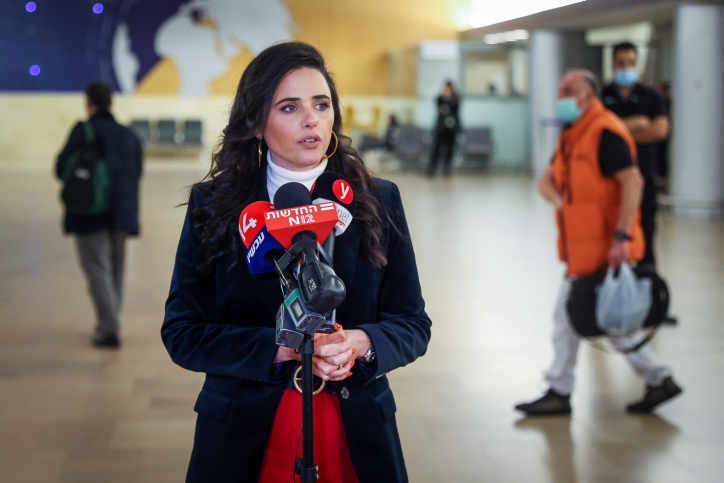
Shaked said that the new decision was made “in order to maintain the visa agreement with Ukraine” and following a meeting earlier in the day with the deputy attorney general.
Warsha, an attorney specializing in immigration, said Sunday evening that Shaked’s new policy was a positive change, but not enough.
“We are of course happy for the improvement in the guidelines,” said Warsha, noting that allowing in family members “is an important and significant change” resulting from his High Court petition.
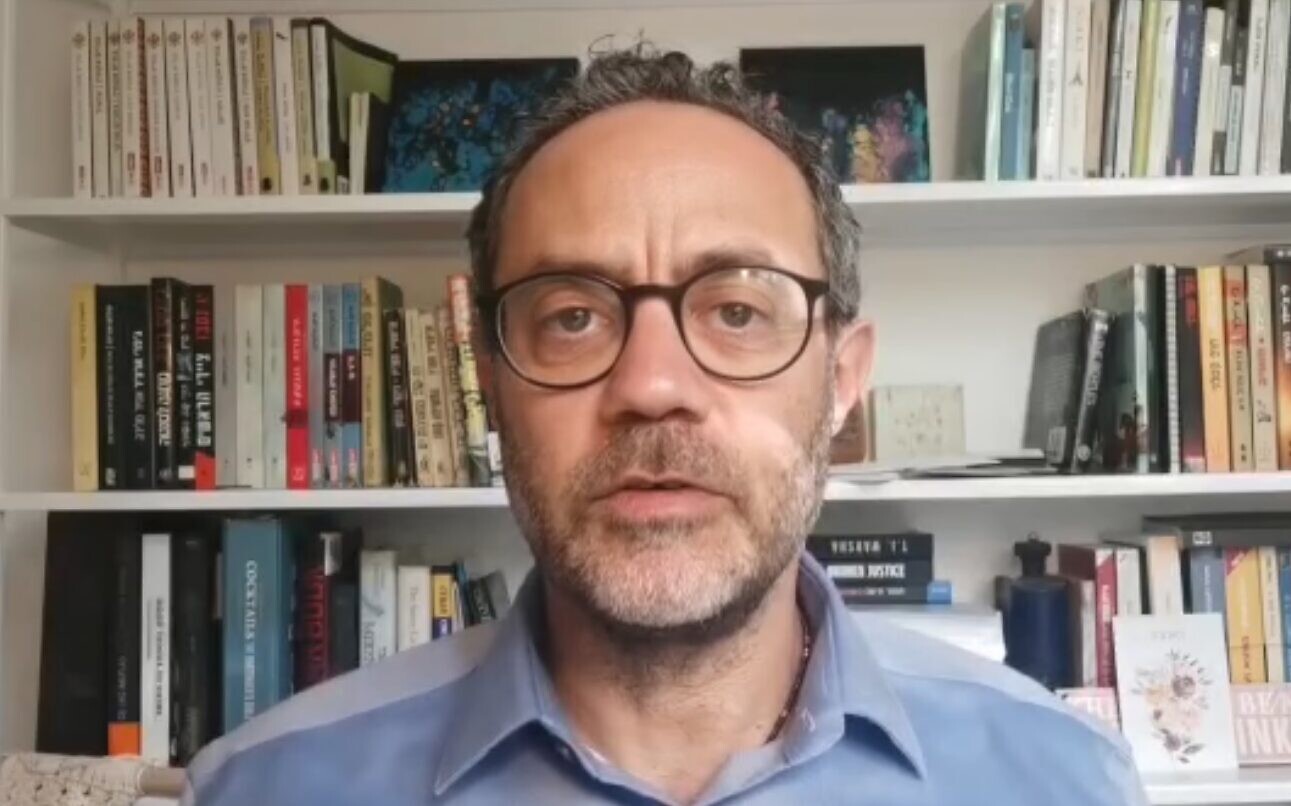
However, he added, “there are other groups that should be allowed to enter the country, including relatives of Israeli residents and foreign workers from Ukraine who work here legally and contribute to the country… so we will continue to operate on the legal front.”
According to statistics published by the Population and Border Authority on Sunday morning, 7,179 Ukrainian nationals have arrived in Israel since Russia invaded Ukraine on February 24, and 221 were refused entry. The statistics included those who are immigrating and who are eligible to do so under the Law of Return, which grants citizenship to anyone with one Jewish grandparent.
The acceptance of a greater number of Ukrainian refugees into Israel has been hotly debated within the country and within the government over the past week, as outrage has also grown over the treatment of those who have arrived at the airport, some of whom have been detained for many hours.

Visiting Romania on Sunday, Foreign Minister Yair Lapid said that Israel has a moral duty to allow in greater numbers of Ukrainian refugees, no matter their status and castigated the airport procedures. Israel has “a moral obligation to be part of the international effort to help refugees from Ukraine find a warm home and a bed to sleep on. It’s our obligation not only to be good Jews but to be good people,” he said.
In announcing the new policy, Shaked said Sunday that, “as the persecuted Jewish people, we understand what refugees are: we also open our hearts and doors to those who are not eligible for citizenship.”
But such a move, she said, “must be done to a limited extent. We cannot open our gates to everyone. It will not happen on my watch.”







The Times of Israel Community.