

As Israel approaches 78th Independence Day, its population stands at 10.244 million
76% are Jews and ‘others,’ 21.1% Arabs; over past year, 177,000 Israelis were born, 48,000 died, 21,000 immigrated; population has grown over a dozen-fold since state’s founding
 Add ToI as a Preferred Source on Google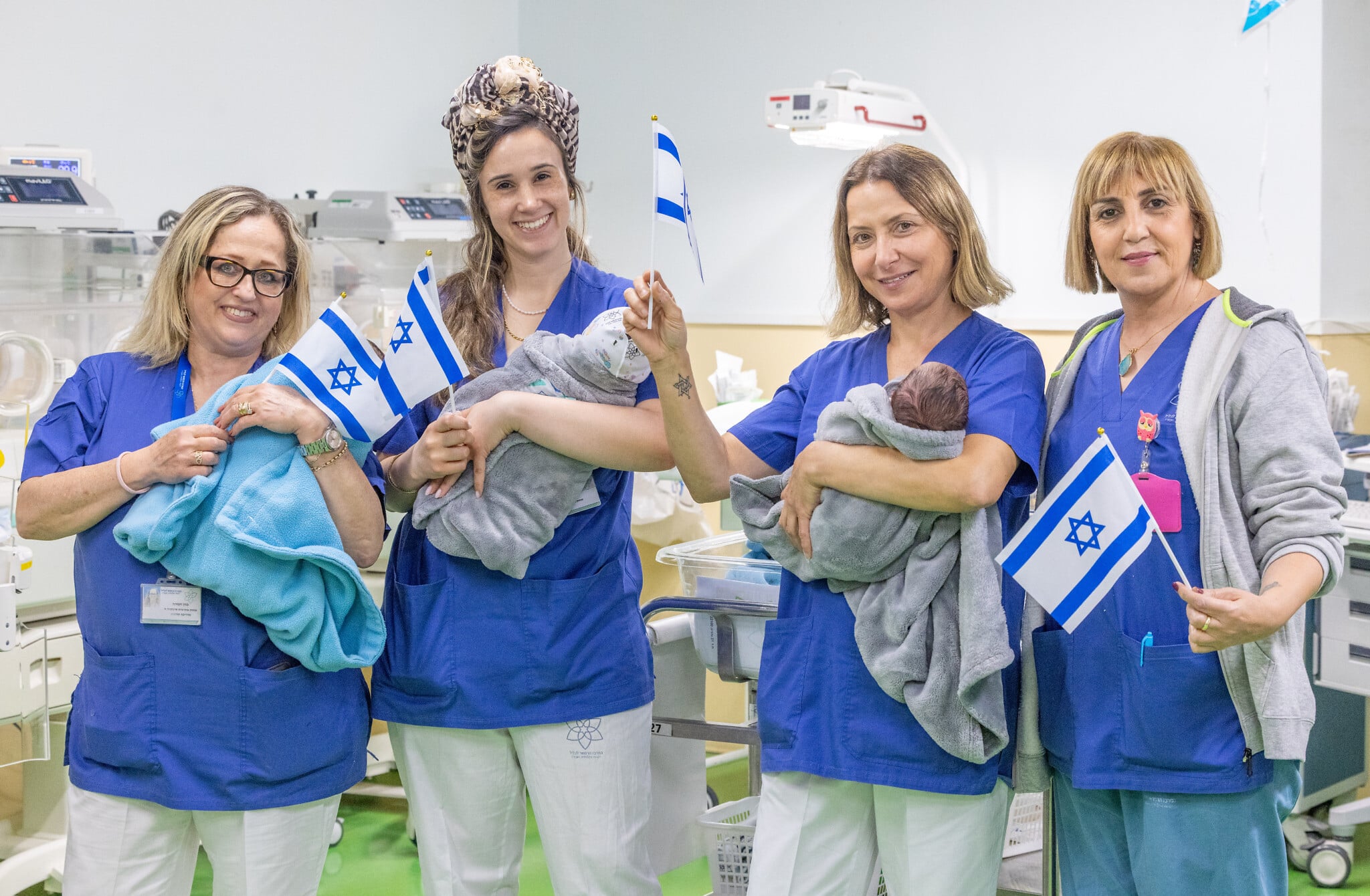
As it approaches its 78th Independence Day, Israel’s total population stands at 10.244 million people, according to figures released Sunday by the Central Bureau of Statistics.
The number was some 146,000 higher than last year, representing an increase of 1.4 percent. This includes 110,00 more Israelis and 36,000 foreigners, according to the data.
Of the total population, 7.790 million, or 76% of the population, are Jews and “others” — meaning non-Jewish, non-Arab citizens — while 2.157 million (21.1%) are Arabs, and the remaining 296,000 (2.9%) are foreigners.
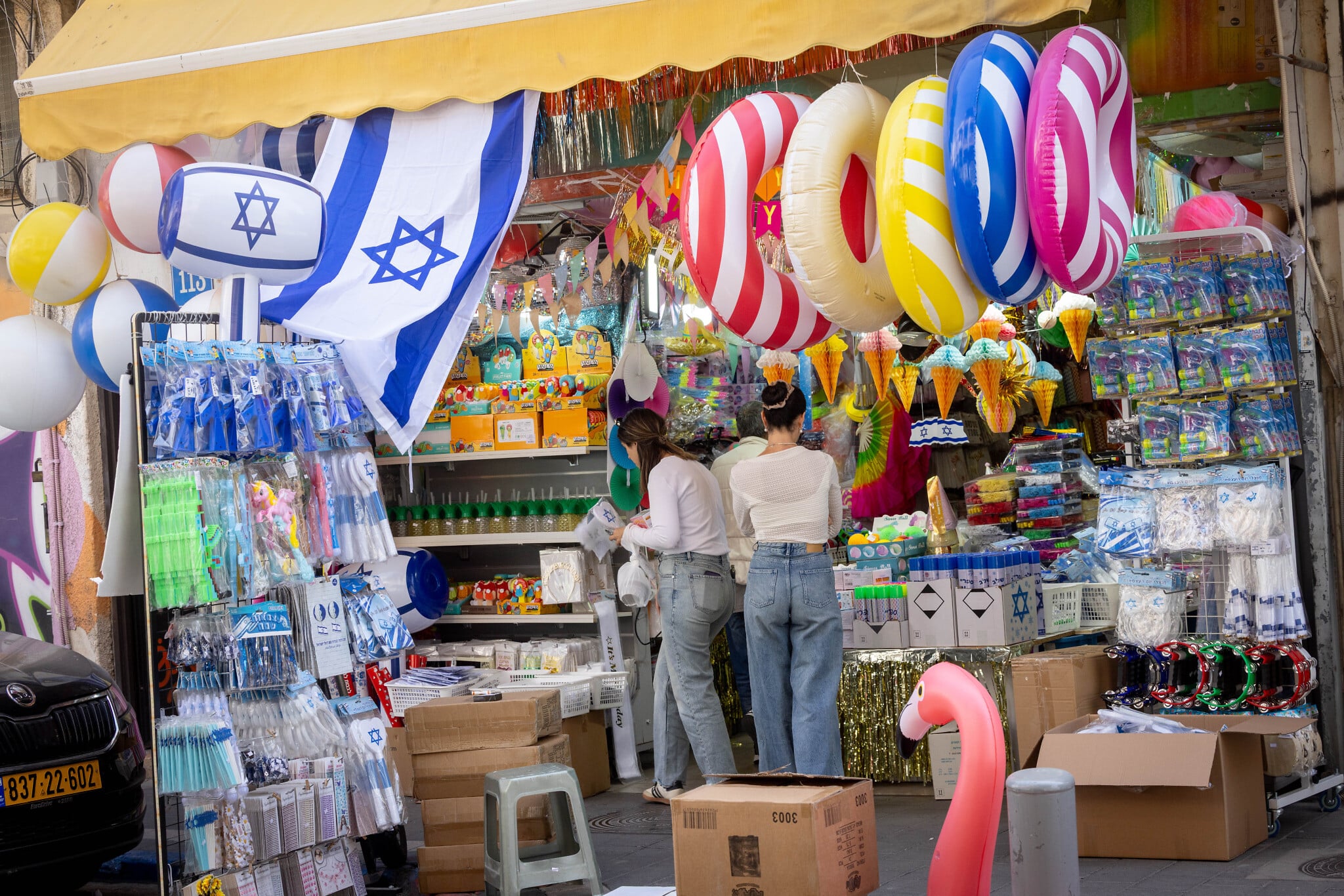
Independence Day begins on Tuesday evening with the conclusion of Memorial Day, and celebrations continue through Wednesday evening.
Over the past year, about 177,000 newborn Israelis drew their first breath, while at the other end of their lives, 48,000 drew their last. A further 21,000 people immigrated from abroad.
According to the CBS, the population of Israel is more than 12 and a half times the population at the time of the state’s establishment in 1948, when it was just 806,000.
Since then, 3.5 million people have immigrated to the country, though currently four out of five people in the population are Israeli-born (“sabras”).
Over a quarter of the population, 27%, are children aged 14 or under. Around 13% are over 65.
According to other data released last week for Holocaust Remembrance Day, the second largest concentration of Jews in the world is in the United States, with 6.3 million, or around 40% of the global total of 15.8 million.






The Times of Israel Community.