

Bismuth’s proposal for Haredi enlistment said to freeze arrests of draft evaders
Haredi and opposition politicians both blast Likud MK’s reported effort to advance one-year ’emergency regulation’ that would fill the IDF’s ranks without sanctioning draft dodgers
 Add ToI as a Preferred Source on Google
Sam Sokol is a former political correspondent at The Times of Israel. He was previously a reporter for the Jerusalem Post, Jewish Telegraphic Agency and Haaretz. He is the author of "Putin’s Hybrid War and the Jews"
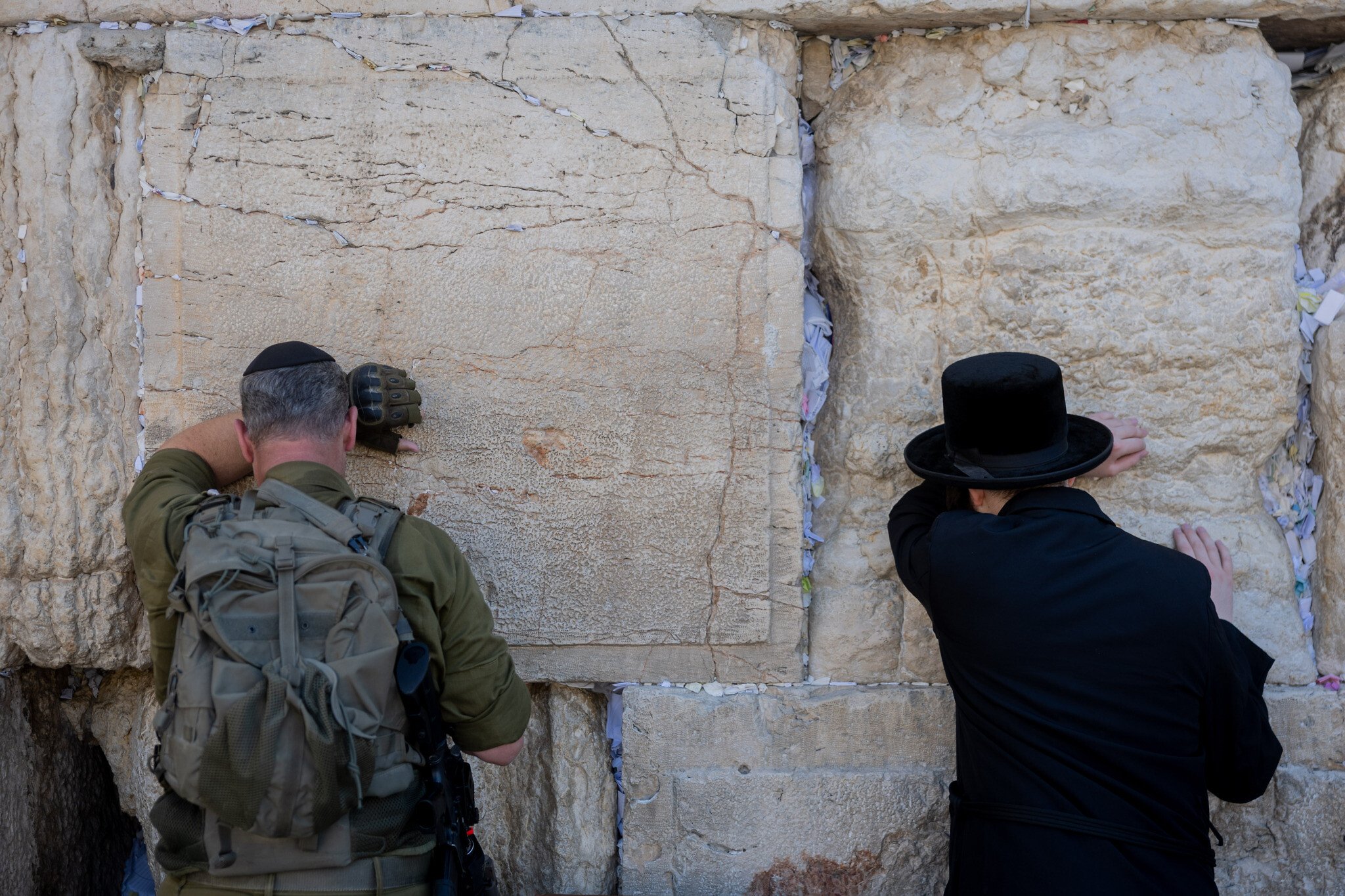
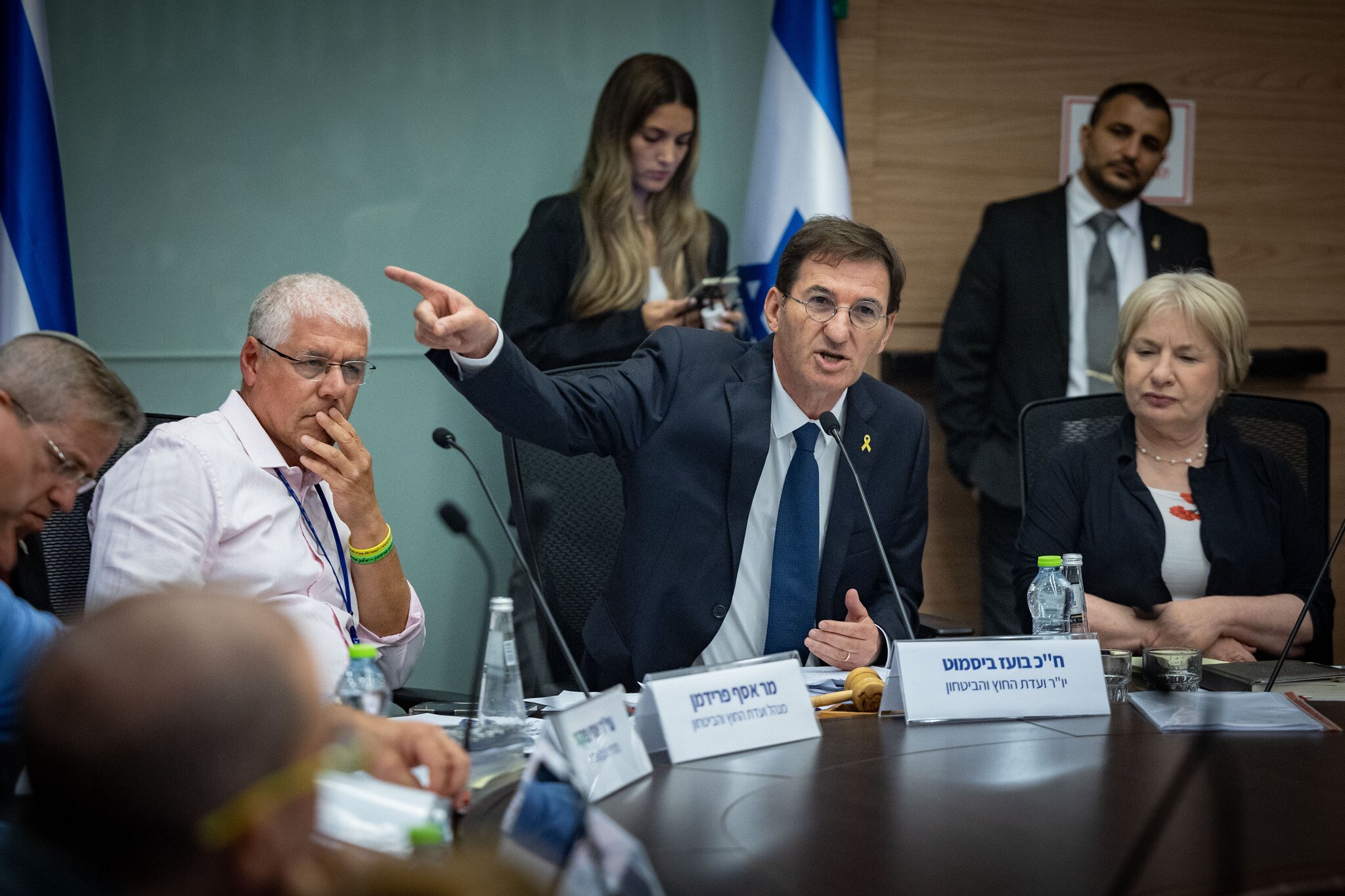
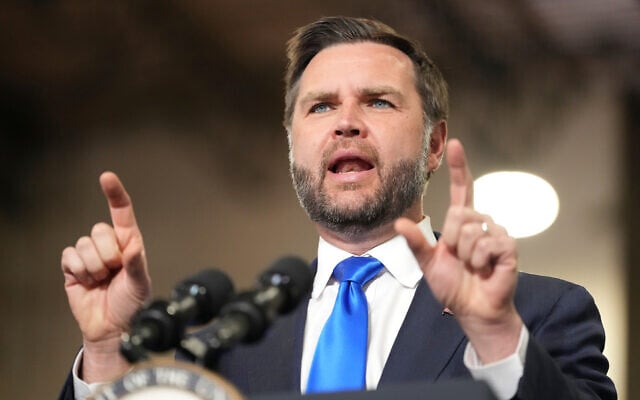
Viewing the passage of a conscription law in the near-term as increasingly unlikely, the Knesset Foreign Affairs and Defense Committee’s new chairman, Boaz Bismuth, is reportedly pushing for the approval of a wartime “emergency regulation” that would allow for the immediate drafting of enough soldiers to fill the military’s manpower shortage while also lifting sanctions on ultra-Orthodox draft evaders.
According to a Monday report by the Walla news site, Bismuth supports the adoption of such a measure for a period of one year, during which an unspecified number of Haredim would be drafted “according to the needs of the army.”
Some 80,000 ultra-Orthodox men aged between 18 and 24 are currently believed to be eligible for military service, but have not enlisted. The Israel Defense Forces has said it urgently needs 12,000 recruits, due to the strain on standing and reserve forces, throughout the ongoing war against Hamas in Gaza and other military challenges.
At the same time, enforcement against Haredi draft dodgers would be halted, according to the reported plan. This would include an end to recent arrest operations by military police, which have roiled the ultra-Orthodox community, leading to declarations of “war” and protests across the country.
Bismuth’s plan would also provide for the resumption of yeshiva funding that was cut off last year in the wake of a High Court of Justice order barring the government from providing money for students eligible for IDF enlistment. The Attorney General’s Office has also ordered a halt to daycare subsidies for the children of draft evaders.
The plan, which Walla reported that Bismuth was set to present to the Haredim and reservist organizations Monday, was met with immediate scorn by opposition politicians who support universal conscription.
Yisrael Beytenu chairman Avigdor Liberman accused Bismuth and the coalition of “harming national security” by “once again succumbing to the extortion of the ultra-Orthodox activists in the Knesset,” while The Democrats party chief Yair Golan said that the plan “won’t recruit a single Haredi.”
“As long as the government continues to put goals on paper, without sanctions [and] personal responsibility, and without changing the rules of the game — nothing will budge,” declared Blue and White-National Unity chairman Benny Gantz. “What was presented is not a new outline for mobilization — it is a new outline for preserving the coalition.”
The plan was also dismissed by Motti Babchik, a senior adviser to United Torah Judaism (UTJ) chairman Yitzhak Goldknopf.
“We signed a coalition agreement that said the status of yeshiva students should be regulated, not postponed for a year — regulated now, by law,” Babchik told The Times of Israel on Monday. “This is just postponement after postponement after postponement. It doesn’t give us anything.”

A history of failure
Bismuth’s reported plan comes after more than a year of failed efforts to pass a conscription bill acceptable to the Haredim, the coalition, and the High Court of Justice, which last summer ruled that decades-long blanket exemptions from army duty traditionally afforded to the ultra-Orthodox community were illegal.
Both of the Knesset’s Haredi parties, Shas and UTJ, have been pushing for the passage of a bill to enable most ultra-Orthodox males to continue to avoid military conscription or any form of national service.
UTJ left the coalition in July after being presented with a copy of a proposed enlistment bill prepared by then-Knesset Foreign Affairs and Defense Committee chairman Yuli Edelstein, which it argued had violated the terms of a supposed compromise reached in June. UTJ was quickly followed by Shas, which, while quitting the government, remained part of the coalition.
According to reports, the June compromise delayed the application of some sanctions and stipulated that the status of all yeshiva students would be reset and need to be regulated from scratch, meaning that many of those who have received multiple draft orders and been declared evaders will no longer be subject to arrest.
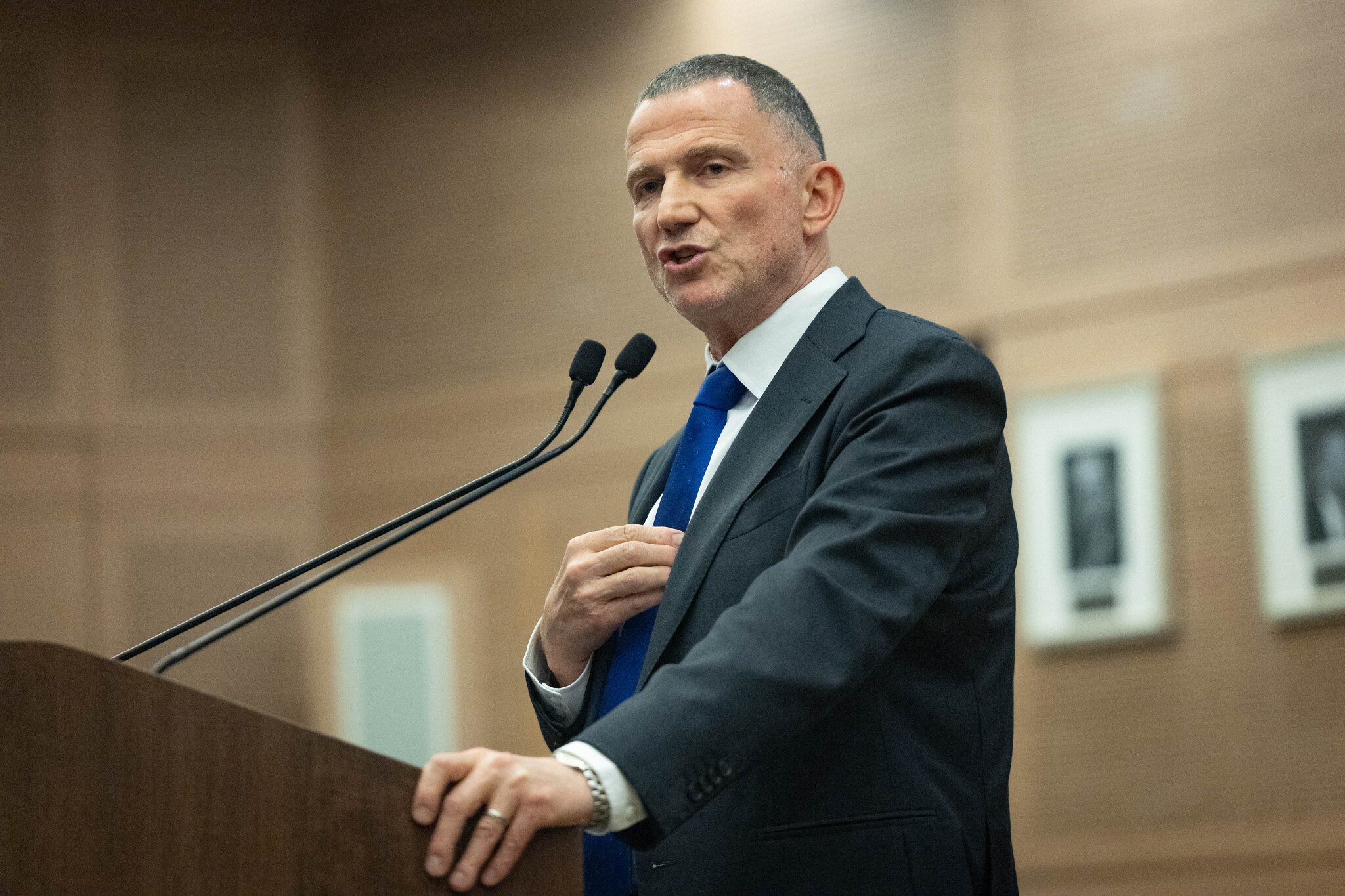
However, the bill ultimately presented by Edelstein was significantly harsher, calling for the immediate application of sanctions on draft dodgers, including the revocation of drivers’ licenses and a ban on international travel.
In the wake of Shas and UTJ’s exit from the government, Prime Minister Benjamin Netanyahu’s Likud selected Bismuth to replace Edelstein as Foreign Affairs and Defense Committee chairman, in the hope that he would be able to advance a bill and bring the Haredim back into the coalition.
‘Strike a balance’
Bismuth has previously insisted that Israelis must “strike a balance” between tradition and Torah study, on the one hand, and military service, on the other, “to reach a historic solution.”
According to the Ynet news site, Bismuth intends to submit a new draft of the bill soon and hold discussions on it during the current Knesset recess so it can be advanced when parliament reconvenes in October.
Addressing his committee last month, Bismuth told lawmakers that he had held “dozens of meetings” since being appointed its head, and insisted that it was time to focus on what the two sides could agree on, because “we are all in favor of a draft law because the army needs soldiers.”

Asked about Bismuth’s reported plan, Yesh Atid MK Moshe Tur-Paz, a member of the committee, told The Times of Israel that it is a “mockery” to consider easing measures on the ultra-Orthodox before the IDF’s manpower needs are met.
“First of all, the Haredim must recruit a significant number, and, after that, we will talk about any easing, if any,” he said.
Asked for comment, a spokeswoman for Bismuth sent The Times of Israel the following statement: “There is an understanding that in the current reality, in the midst of war, the need for soldiers is urgent and necessary, while a permanent law is a long and complex process. Therefore, temporary solutions adapted to this period are also being examined, in order to provide an immediate response to security needs, while at the same time continuing to advance a comprehensive and stable arrangement of the conscription law with cooperation and responsibility.”



The Times of Israel Community.