

Black clouds over Tehran rain down oil drops after Israel strikes oil facilities
IDF says fuel depots served Iran’s military infrastructure, as Iranian Red Crescent warns that contaminated precipitation ‘is extremely dangerous’
 Add ToI as a Preferred Source on Google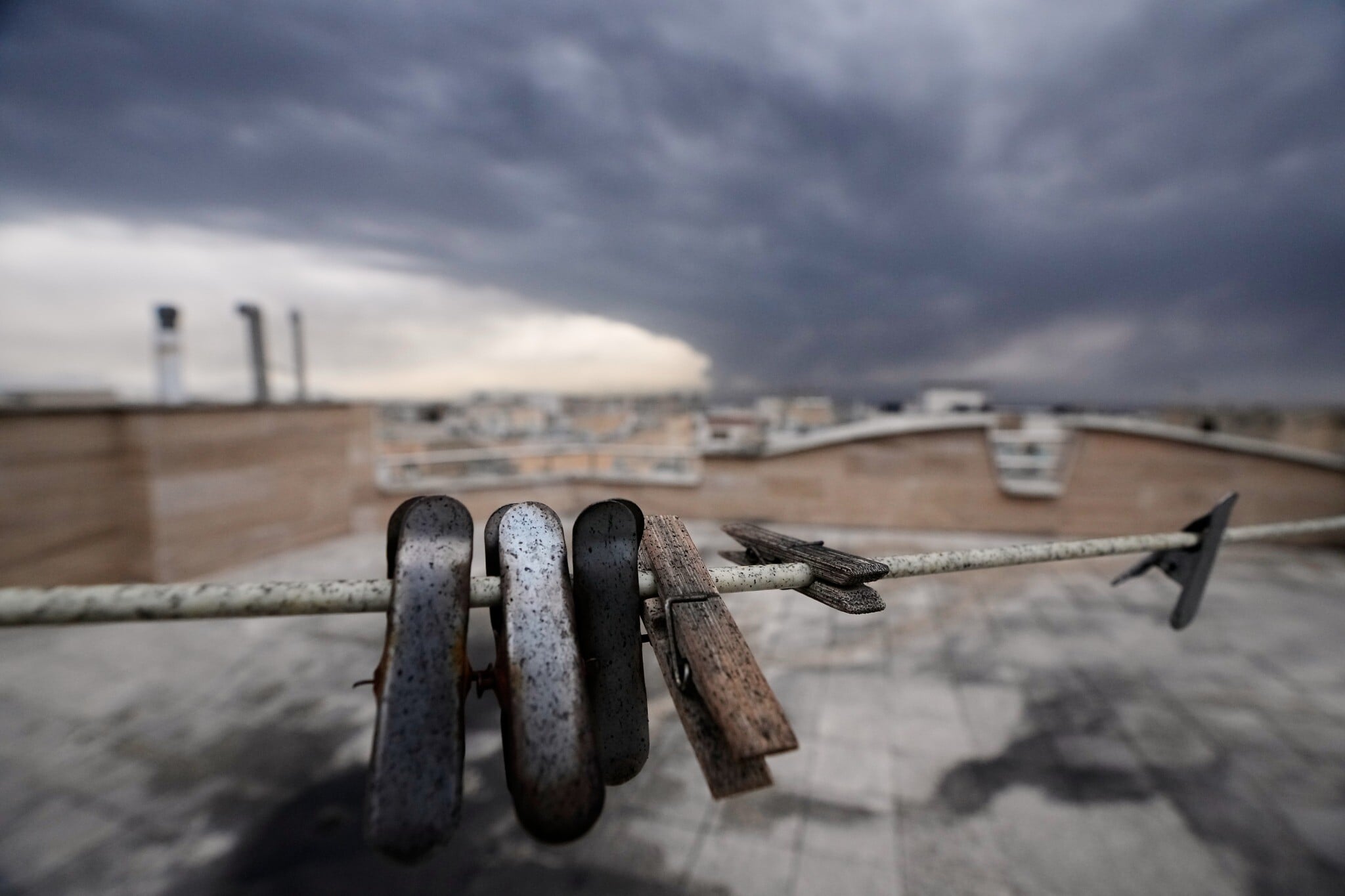
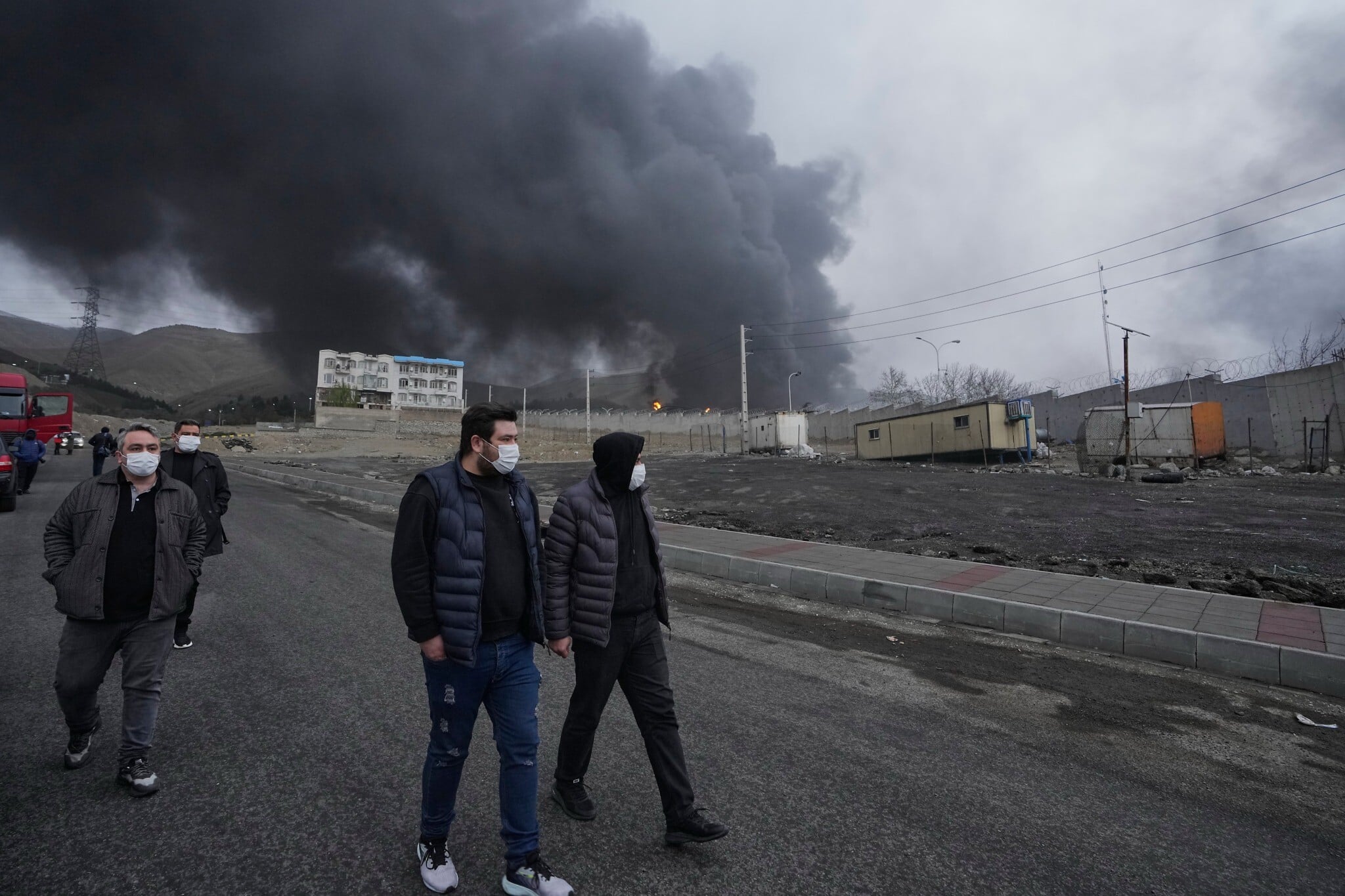
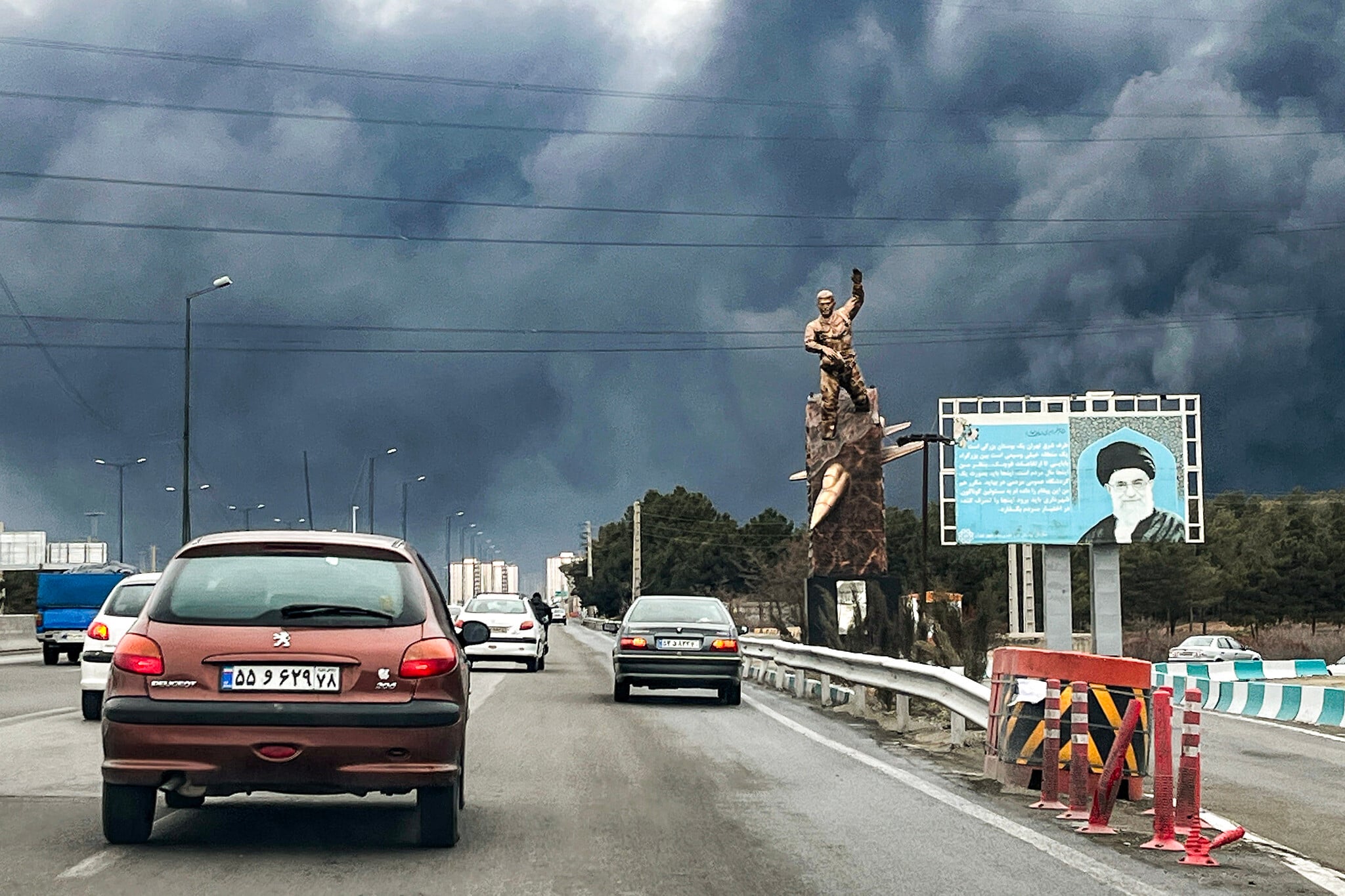
The sky over Iran’s capital was blanketed with thick, choking smoke Sunday morning, hours after Israeli strikes hit oil facilities in Tehran.
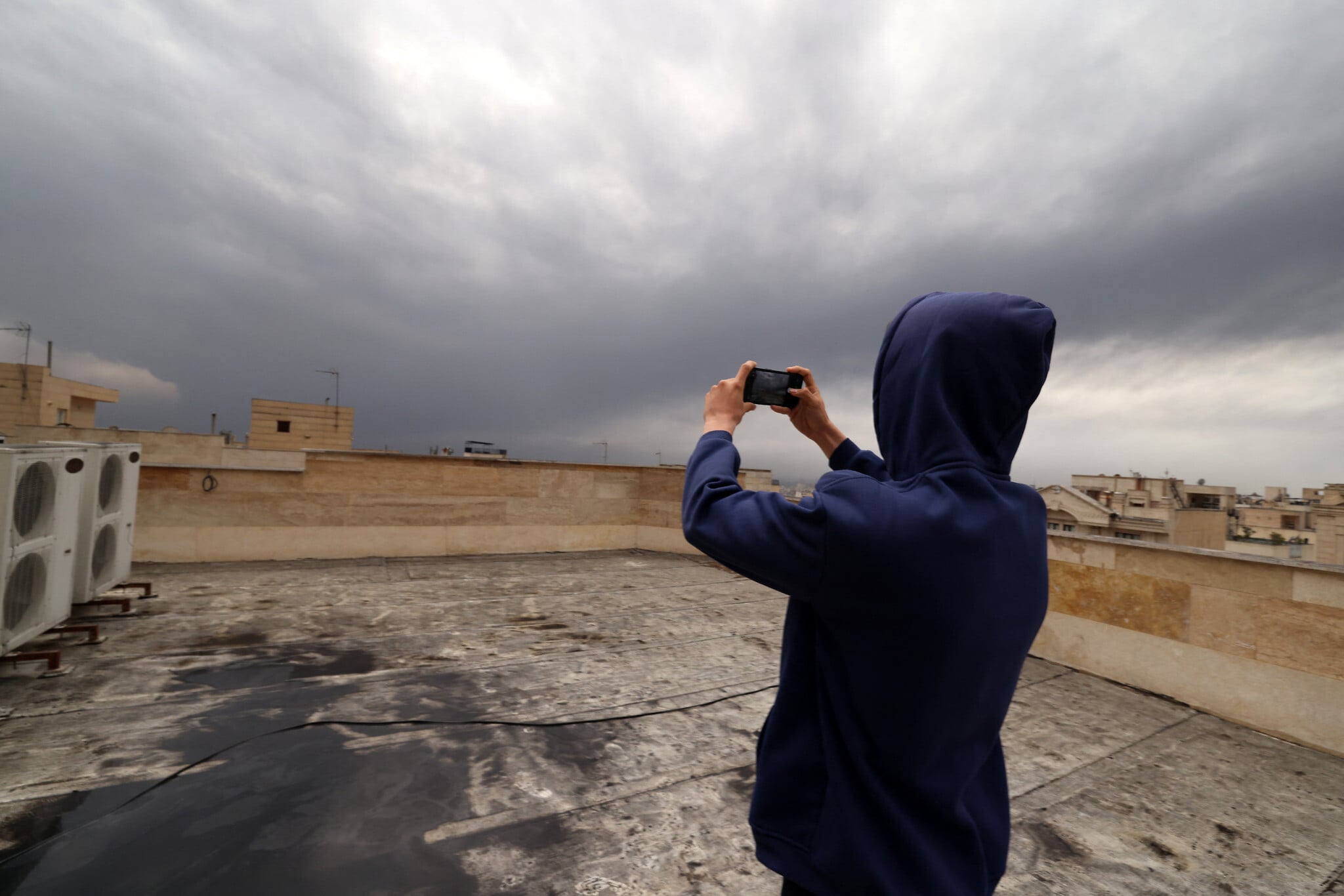
Residents reported the smell of burning lingering in the air, with many saying it appeared dark even as the sun rose and rain poured on the city. Some residents reported oil-saturated raindrops from black clouds raining down on the city hours after the strikes.
Iran’s environmental authorities urged Iranians to remain indoors to avoid respiratory problems and other health consequences.
The Iranian Red Crescent said the oil depot explosions released into the air “significant quantities of toxic hydrocarbon compounds, sulfur, and nitrogen oxides.”
“In the event of precipitation, the resulting rain is extremely dangerous and highly acidic,” it added in a statement, warning of skin burns and severe lung damage.
Fars news agency reported that Saturday’s strikes hit four oil storage facilities and an oil production transfer center in Tehran and Alborz. Four tanker drivers in the center were killed, Fars reported.
It is raining oil in Tehran this morning after major airstrikes on oil facilities in the South and West of the Iranian capital. @CNN @cnni pic.twitter.com/2FBD9EnO9p
— Frederik Pleitgen (@fpleitgenCNN) March 8, 2026
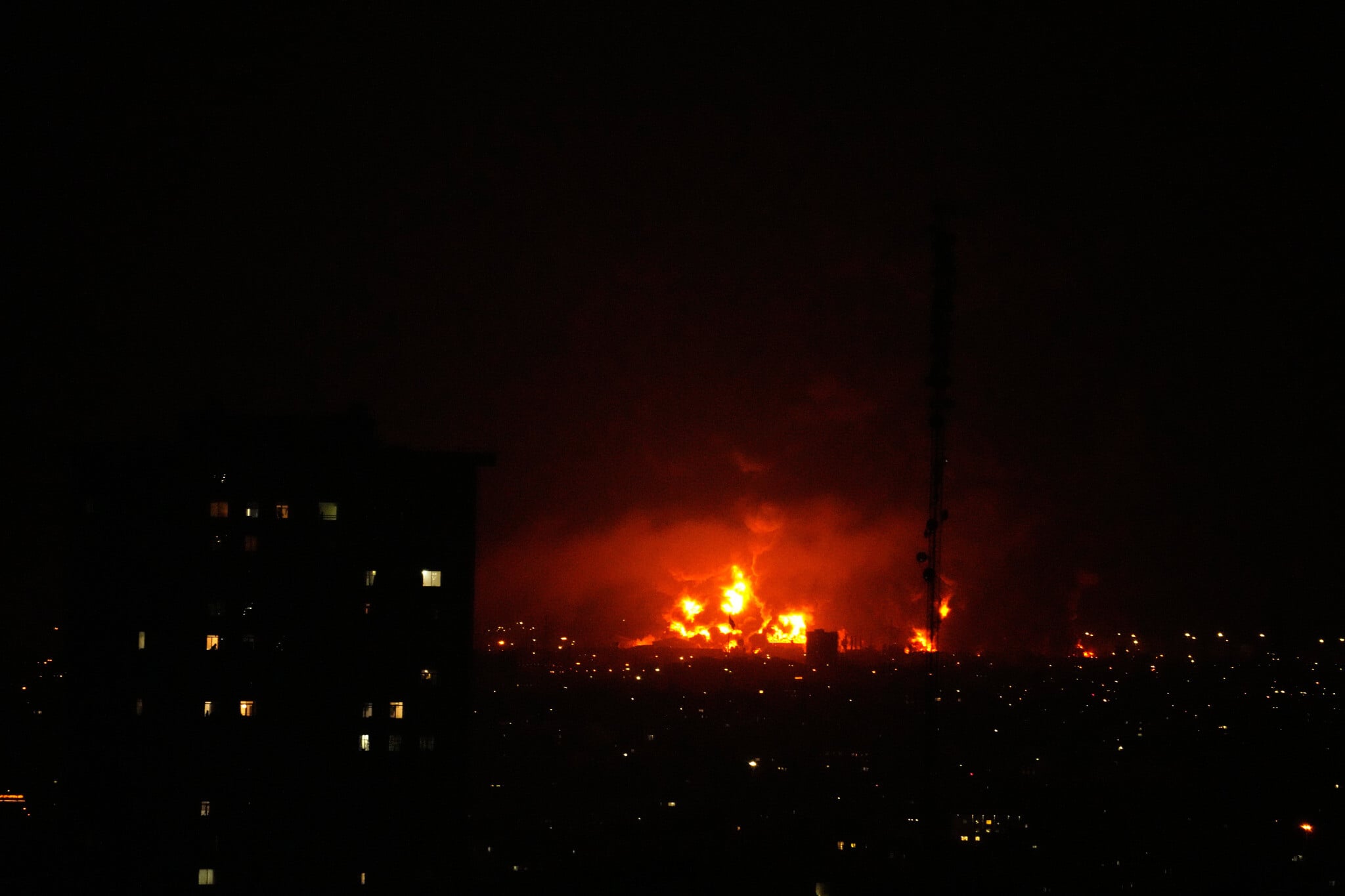
The strikes sent up pillars of fire that could be seen in videos as a glow against the Saturday night sky. It appeared to be the first time a civil industrial facility has been targeted in the war.
With the sun blotted out Sunday morning, disoriented people in the Iranian capital had to turn on their lights to see through the gloom.
“I thought my alarm clock was broken,” a driver in his 50s told AFP on condition of anonymity.
By 10:30 a.m. local time, cars still needed their headlights to drive along Valiasr Street, a main thoroughfare that runs north-south through the city. On the streets of Tehran, security forces directed traffic while wearing special coats and masks to protect themselves.
The IDF said Saturday night that the fuel depots struck near Tehran served Iran’s military.
“The military forces of the Iranian terror regime make direct and frequent use of these fuel tanks to operate military infrastructure. Through them, the Iranian terror regime distributes fuel to various consumers, including military entities in Iran,” the IDF said in a statement.
The IDF said the strike “constitutes an additional step in deepening the damage to the military infrastructure of the Iranian terror regime.”
An official told state TV on Sunday that four people were killed in the strikes on five oil facilities in and near the Iranian capital.
“Last night, four oil depots and a petroleum products transport center in Tehran and the Alborz were attacked by enemy aircraft,” the CEO of the National Iranian Oil Products Distribution Company, Keramat Veyskarami, told state TV.
“Four of our personnel, including two oil tanker drivers, were killed in the incident,” he added, saying the facilities were damaged but the “fire was brought under control.”
Veyskarami said Iran’s oil depots had “sufficient gasoline reserves.”
In addition to the environmental damage, Iran’s parliament speaker said Sunday that oil prices will continue to soar, inflicting pain on the global economy as long as the war in the Middle East goes on.
Oil prices have soared since the US and Israel attacked Iran on Feb. 28, reaching their highest levels since 2023. The price for a barrel of Brent crude jumped 8.5% to $92.69 on Friday — up from nearly $70 a barrel just late last week. Meanwhile, benchmark US crude climbed 12.2%, to $90.90 a barrel on Friday.
“If the war continues like this, there will be neither a way to sell oil nor the ability to produce it,” Speaker Mohammad Bagher Qalibaf said in a social media post. He said the war is not only impacting the US, but also the Middle East and the whole world “due to Netanyahu’s delusions.”
Tehran’s governor Mohammad Sadegh Motamedian said Sunday morning that fuel distribution in the Iranian capital had been “temporarily interrupted.”
“The problem is being resolved,” he added.
For now, each vehicle in Tehran was limited to 20 liters of fuel. On Sunday morning, there were long lines at petrol stations, with AFP counting around 40 cars waiting at one.
Meanwhile on Sunday, Iran struck Gulf infrastructure, hitting fuel tanks at Kuwait’s international airport and damaging a desalination plant in Bahrain.
The official Kuwait News Agency said a fire at the airport was brought under control, reporting no “significant injuries.” The military called the drone attack “a direct targeting of vital infrastructure.”
And Bahrain’s interior ministry said Sunday that an Iranian drone attack damaged a water desalination plant, accusing Tehran of “randomly” targeting civilian infrastructure.
Iran’s Revolutionary Guards Corps said on Saturday that it had struck the United States’ Juffair base in Bahrain, adding it had been used to attack an Iranian desalination plant earlier in the day.
Bahrain’s national communication office later said the Iranian attack on a water desalination facility has had no impact on water supplies or network capacity.
Times of Israel staff contributed to this report.









The Times of Israel Community.