

Comptroller: Prison overcrowding has harmed Shin Bet, delayed Oct. 7 terror trials
Watchdog’s report says state was unprepared to absorb influx of thousands of detainees during war, which led to the release of several high-level security prisoners back to Gaza
 Add ToI as a Preferred Source on Google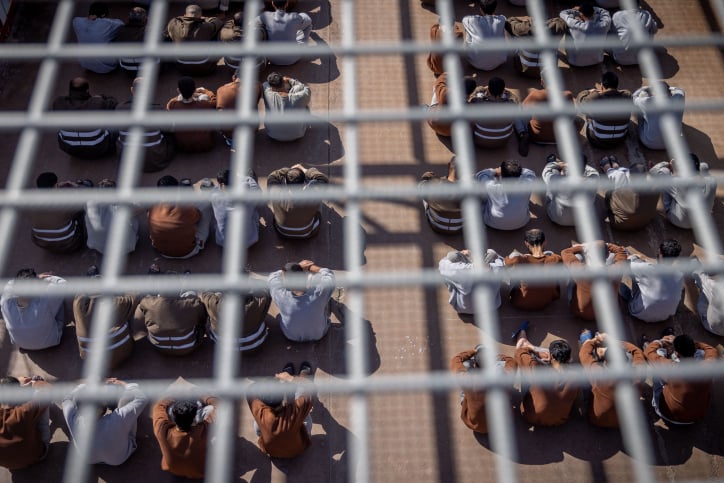
Israel was unprepared to absorb the thousands of Palestinian security prisoners it has arrested since the Hamas-led October 7, 2023, attacks, according to a report published Tuesday by State Comptroller Matanyahu Englman. The report charged that this failing has greatly harmed the Shin Bet’s ability to detain and interrogate suspects, endangered prison guards, and led to the release of nearly 20 high-level prisoners due to an apparent lack of space.
The report also said that the lack of preparedness has contributed to the fact that not a single terrorist who participated in the October 7 attacks has yet been charged and brought to justice, which Englman said is of “crucial importance, from a legal, moral and public perspective.”
While the overcrowding in Israeli prisons has led to reporting, even from Israel’s Public Defender’s Office, of widespread abuse, deprivation and neglect suffered by Palestinian prisoners and detainees, the report published Tuesday did not address prisoners’ living conditions or allegations of abuse from prison staff. Responding to a Haaretz inquiry as to why it was left out of the report, the State Comptroller’s Office said, “other angles were examined.”
“The arrest of thousands of terrorists without prior preparation exacerbated the gap in terms of the lack of space and harmed the Shin Bet’s ability to carry out arrests and interrogations, while increasing the burden and risk on Israel Prison Service staff,” the report said.
According to the report, Israel was already facing a crisis of overcrowding in its prisons, with some 16,200 prisoners being held across IPS facilities in October 2023, before the Hamas-led attacks, including some 5,200 classified as security prisoners. That number was approximately 12 percent higher than Israel’s official prison capacity.
By early 2025, the number of security prisoners rose 92% to over 10,000, the report said, adding that the total prison population jumped to over 23,400.

“Due to the large number of security prisoners who were imprisoned after the outbreak of the war, the IPS was unable to fully realize its mission as Israel’s national prison organization,” Englman said in the report.
As such, the Shin Bet’s ability to detain and interrogate suspects has been severely hindered, the report said, pointing to the lack of space to house new detainees in the already overcrowded prison facilities.
Englman added that the prison service and the IDF had failed to adequately plan for the potential absorption of thousands of detainees in the case of “extraordinary events,” despite earlier State Comptroller’s Office reports calling for a review of such plans.
This overcrowding caused the release of 19 high-level security detainees that the IDF arrested in Gaza, including Shifa Hospital director Mohammad Abu Salmiya, who the report said “posed a risk to state security.” Abu Salmiya was accused of having allowed Hamas to use the Gaza City hospital as a center of operations, and was held for over six months after his arrest in November 2023.
His release in June 2024 caused an uproar within Israel, but the Shin Bet defended its decision, saying it had been forced to send prisoners back to the Gaza Strip due to a lack of space in Israeli jails.
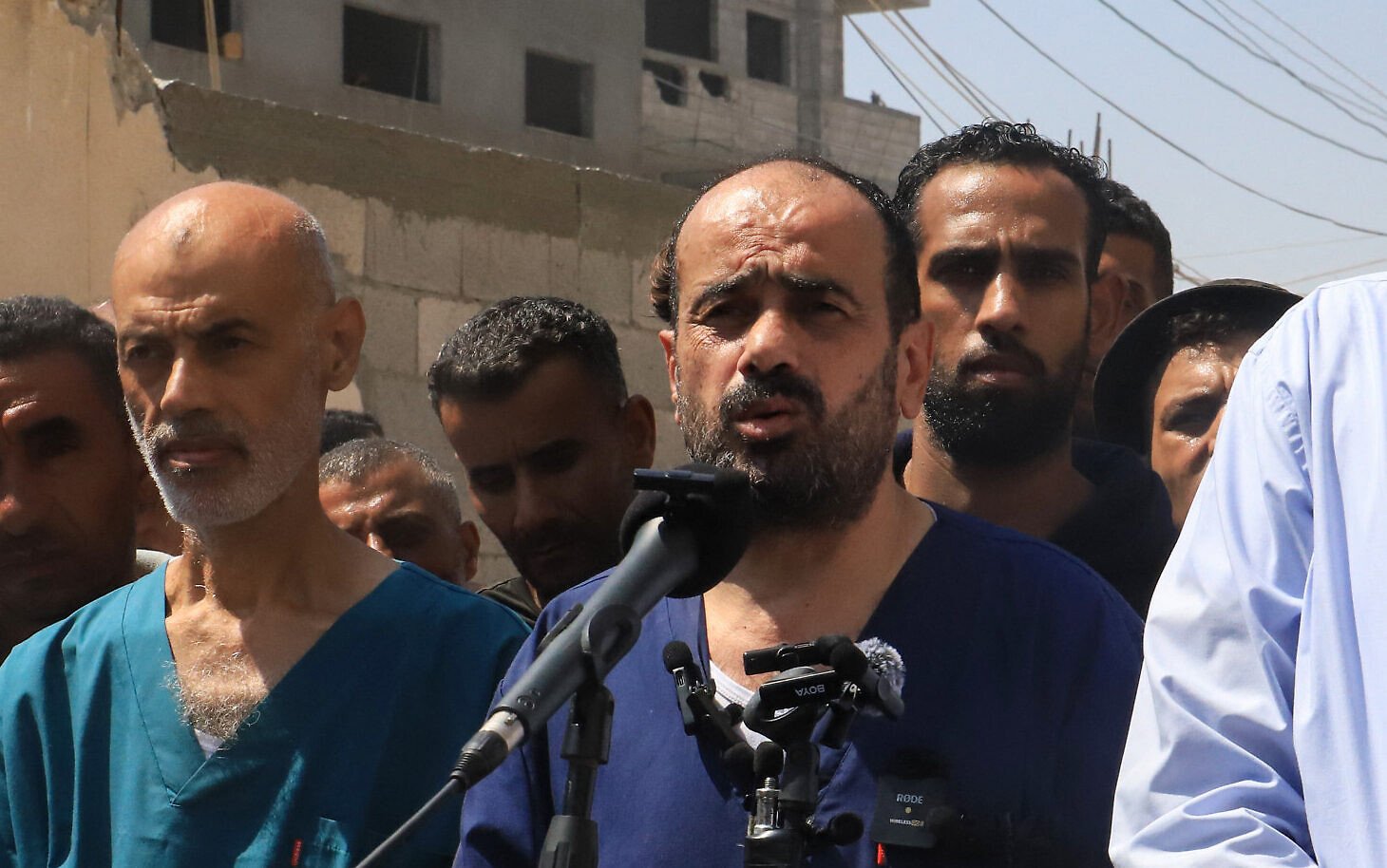
While Englman said that the Shin Bet took into account “the fact that he did not participate in military activity or a raid into Israeli territory,” in their decision to release Abu Salmiya, “it did not take into account the impact of his release on the Israeli public,” citing the fact that at the time, over 100 Israeli hostages were still being held in Gaza.
Englman also pointed to the fact that Prime Minister Benjamin Netanyahu was not consulted in the decision, and was only informed of his release after the fact.
Additionally, Englman said in the report that the lack of preparedness to deal with thousands of prisoners has directly led to the fact that over 2.5 years later, not a single October 7 terrorist has yet been tried, or even charged, for acts they carried out during the attacks.
Between 5,000 and 6,000 Palestinian terrorists, mostly from Hamas but including other terror groups, invaded Israel on October 7, 2023, by land, air, and sea, at multiple points on the Israel-Gaza border, and carried out a series of massacres in which some 1,200 people were killed. It was the deadliest day for Jews since the Holocaust.
The assailants also abducted 251 people as hostages and took them captive to the Gaza Strip, while committing a wave of other atrocities, including rape and torture, documenting the savagery on bodycams they wore during the attack, and posting the footage online and in messages to the victims’ families.

“Bringing justice to the Hamas terrorists who committed crimes during the October 7 terror attack is of crucial importance, from a legal, moral and public perspective,” Englman said.
According to Englman, doing so would “serve as a means of deterring those who plan to commit similar atrocities in the future and will send a clear message that acts of violence will not go unanswered and that the perpetrators will be held accountable for their actions.”
To remedy this, he suggested that Israel “streamline the legal process” for their trial, including the drafting of “legislative amendments in the areas of trial procedures, representation of the accused, and evidence.”
While Israel has yet to try any of the roughly 300 alleged terrorists captured by security forces during the invasion, the Knesset last month passed a law to establish a special military tribunal for that purpose. Under the law, trials would be open to the public and broadcast on a website set up for that purpose.
The tribunal would be staffed by a total of 15 judges who are either qualified to serve on the Supreme Court or are international jurists whom the justice minister, in consultation with the foreign minister, deems have the appropriate qualifications to sit on such a panel.
An individual case would be heard by three judges — one of whom would be a retired district court judge — while a five-judge panel would hear proceedings involving multiple defendants. Appeals would be heard by all 15 judges.
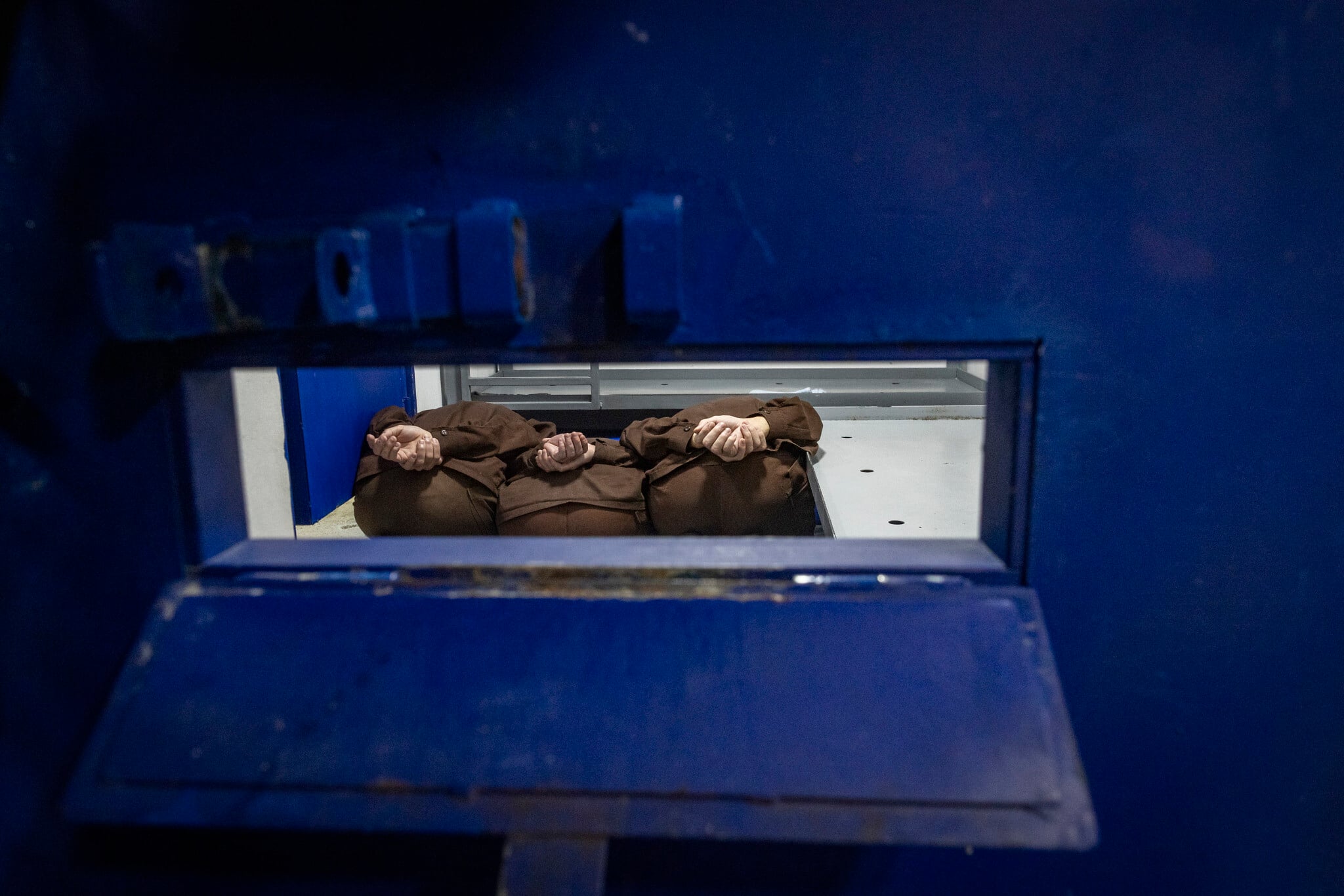
Rights groups have raised concerns about whether those accused of taking part in the October 7 invasion and massacres can receive fair trials after being held for nearly two and a half years without charge.
They have also warned that harsh detention conditions, including allegations of abuse, torture, and severe food restrictions in Israeli prisons since the war began, could call into question the reliability of confessions or testimony obtained in custody, while the scale and horror of the attacks may create intense public and political pressure on judges for convictions.
Times of Israel staff contributed to this report.








The Times of Israel Community.