

Conservation work completed on Auschwitz barracks
Despite worries it was too fragile for transport, Poland insisted structure be returned from US Holocaust museum after 20 years
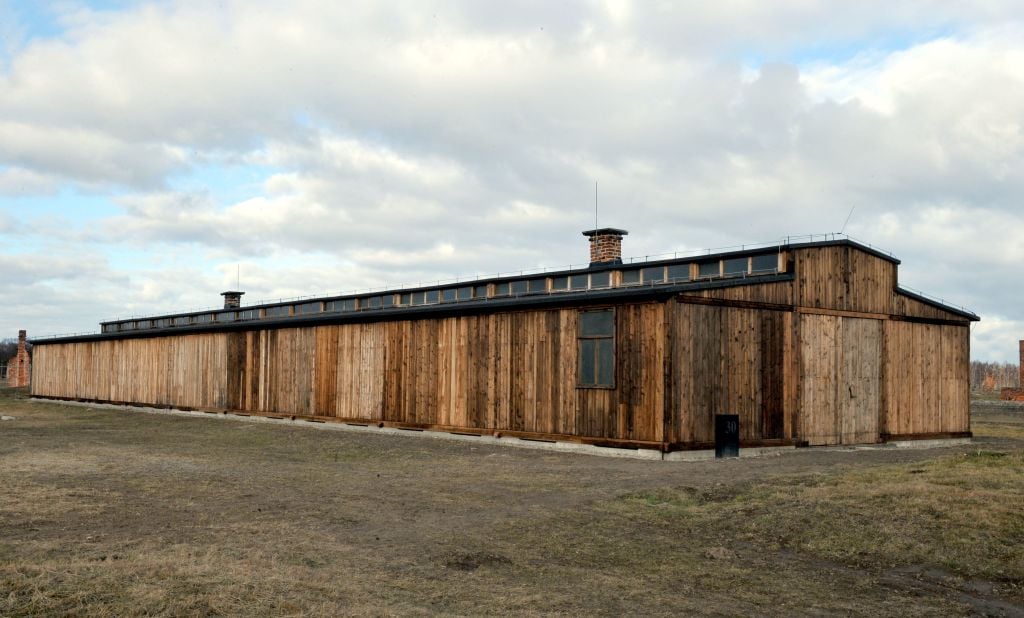
WARSAW, Poland — The Auschwitz-Birkenau State Museum says conservation work has been completed on half of a wooden barracks that housed prisoners at the former Nazi German death camp during World War II.
The restored half had been on loan to the United States Holocaust Memorial Museum in Washington, DC, for more than 20 years before it was returned in 2013 to its original site in southern Poland, an area under German occupation during the war.
The US museum had resisted demands by Poland to return the object, arguing that it was too fragile to be returned.
But Poland insisted that its own law required its return.
A spokesman for the Auschwitz museum, Pawel Sawicki, said Tuesday that conservation work was completed in mid-July and will open to study groups in August, following a gathering this week of Catholic youth in the area with Pope Francis.
The part that remained on the site had been previously restored.
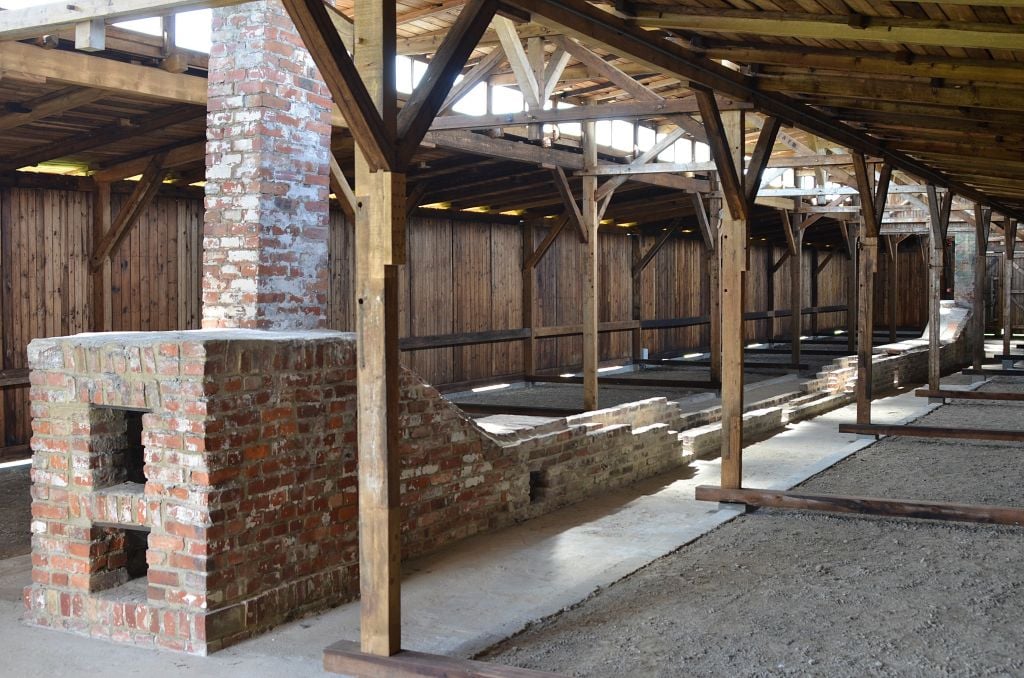
Created by an act of the Polish Parliament in 1947, the memorial museum comprises two parts — the Auschwitz I camp, entered through the iconic “Arbeit Macht Frei” gate, and the vast area of Auschwitz II, at Birkenau, about two miles away.
One of the museum’s key challenges is conserving the site’s deteriorating buildings, ruins, archival holdings and artifacts. The museum is a state-run entity. The Polish government provides more than one-third of the approximately $15-million annual budget, and the European Union also contributes some funding. But more than half of the budget is generated by the museum itself through visitor fees for guides, sales of publications, onsite business concessions and other income sources.
In 2009, a special Auschwitz-Birkenau Foundation was established to “amass and manage” a perpetual endowment fund of $120 million whose income is specifically earmarked for long-term conservation. Some 35 states have pledged or donated funds to the endowment, including more than half of the sum from Germany alone.
JTA contributed to this report.





The Times of Israel Community.