

 From the Liveblog of
Sunday, July 19, 2026
From the Liveblog of
Sunday, July 19, 2026
Likud grants Netanyahu 8 reserved spots on party list, option to cancel primaries in wartime
 Add ToI as a Preferred Source on Google
Ariela Karmel is a political correspondent at The Times of Israel. She previously reported for Calcalist and Haaretz. She holds an MA in Middle Eastern and African History from Tel Aviv University and a BA in Political Science from the University of British Columbia.
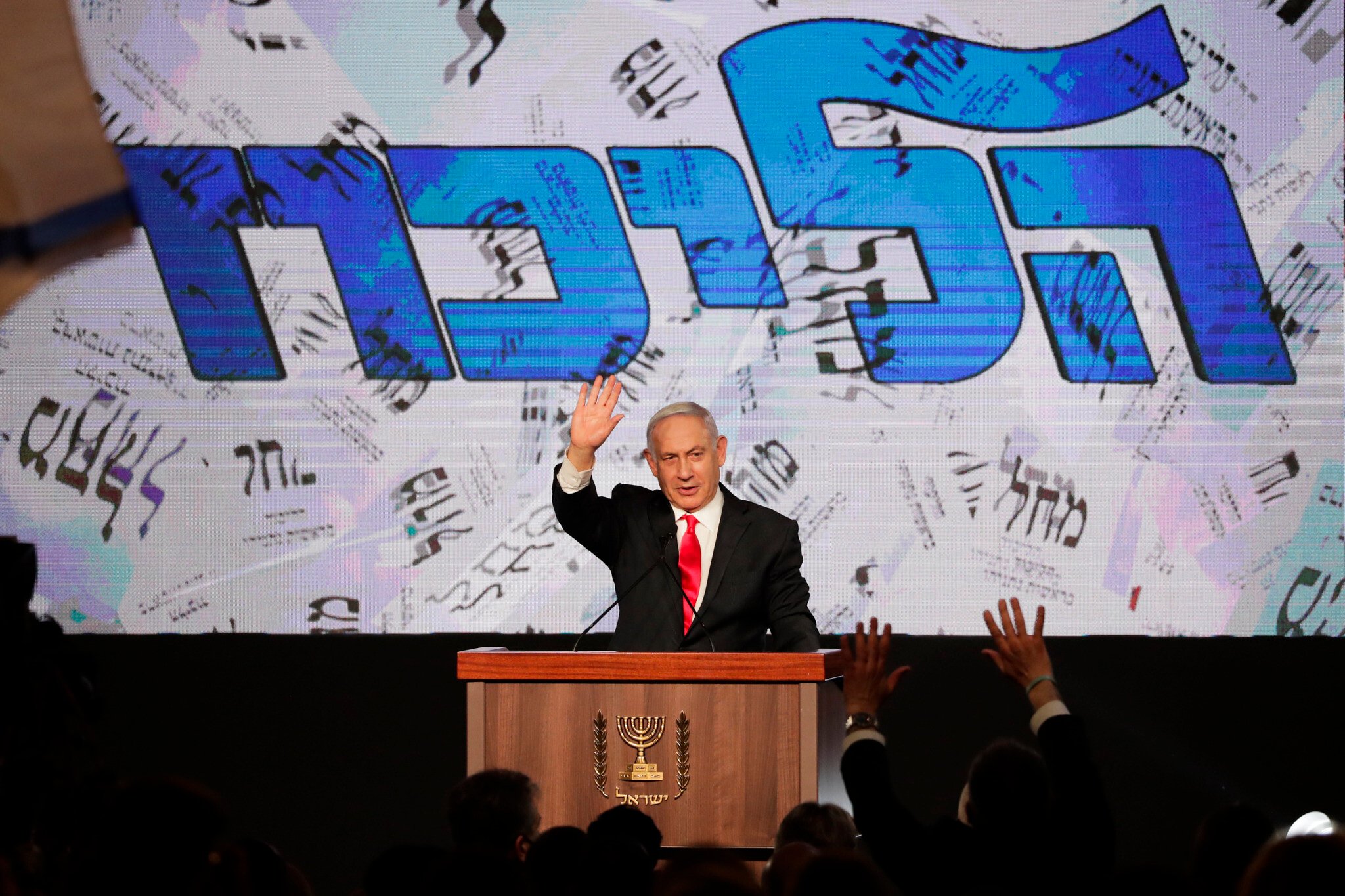
The Likud Constitution Committee agrees to grant Prime Minister Benjamin Netanyahu eight reserved slots on the Knesset list, which he will be able to allocate to his preferred candidates, and to cancel primaries altogether if they cannot be held because of a possible “wartime situation.” The agreement effectively capitulates to the premier’s months-long push for unprecedented control over the party’s candidate list, according to Hebrew media reports.
Seven of Netanyahu’s preferred candidates will be placed in the first 30 spots on the list — in spots 3, 5, 9, 11, 18, 22, and 29 — and the eighth will be further down the list, should the Likud win more than 30 mandates. Election polls have consistently shown the party winning an amount of seats in the low to mid-twenties.
Under the plan, the decision to grant the reserved slots to Netanyahu will not require any further approval by the party’s 4,500-member Central Committee, which was supposed to vote on the matter on Thursday.
The committee also authorizes Netanyahu to convene a five-member organizing committee of Likud mayors to determine the party’s candidate list if security guidelines, such as restrictions on large gatherings, prevent the primaries from taking place.
Addressing committee members, Netanyahu reportedly claimed that he remains “in favor of primaries,” but argued that “there is a possibility that we could find ourselves in an exceptional security situation that would make it difficult to hold campaign events.”
“It could fall on the day of the vote or beforehand, and that would make voting difficult,” he said.
The decision gives Netanyahu both the enlarged quota of reserved slots he had demanded and a contingency route to replace the primaries with a committee, after he previously threatened to cancel the internal election altogether if his demands were not met, and despite previous resistance from Likud lawmakers and local authority heads, who opposed both measures.
The approval comes days after a court temporarily halted a previous vote on the proposed primary rules following a legal challenge by the Likud Social Forum, which alleged procedural and non-democratic flaws. As part of the agreement, the party’s primaries are expected to be postponed until August 17.








The Times of Israel Community.