

Germany’s only Jewish antisemitism czar is resigning amid rising threats, ebbing support
Hamburg’s Stefan Hensel says that since Oct. 7 he has faced a ‘massive wave of hatred’ and that he feels abandoned by city officials who ‘should be my allies’
 Add ToI as a Preferred Source on Google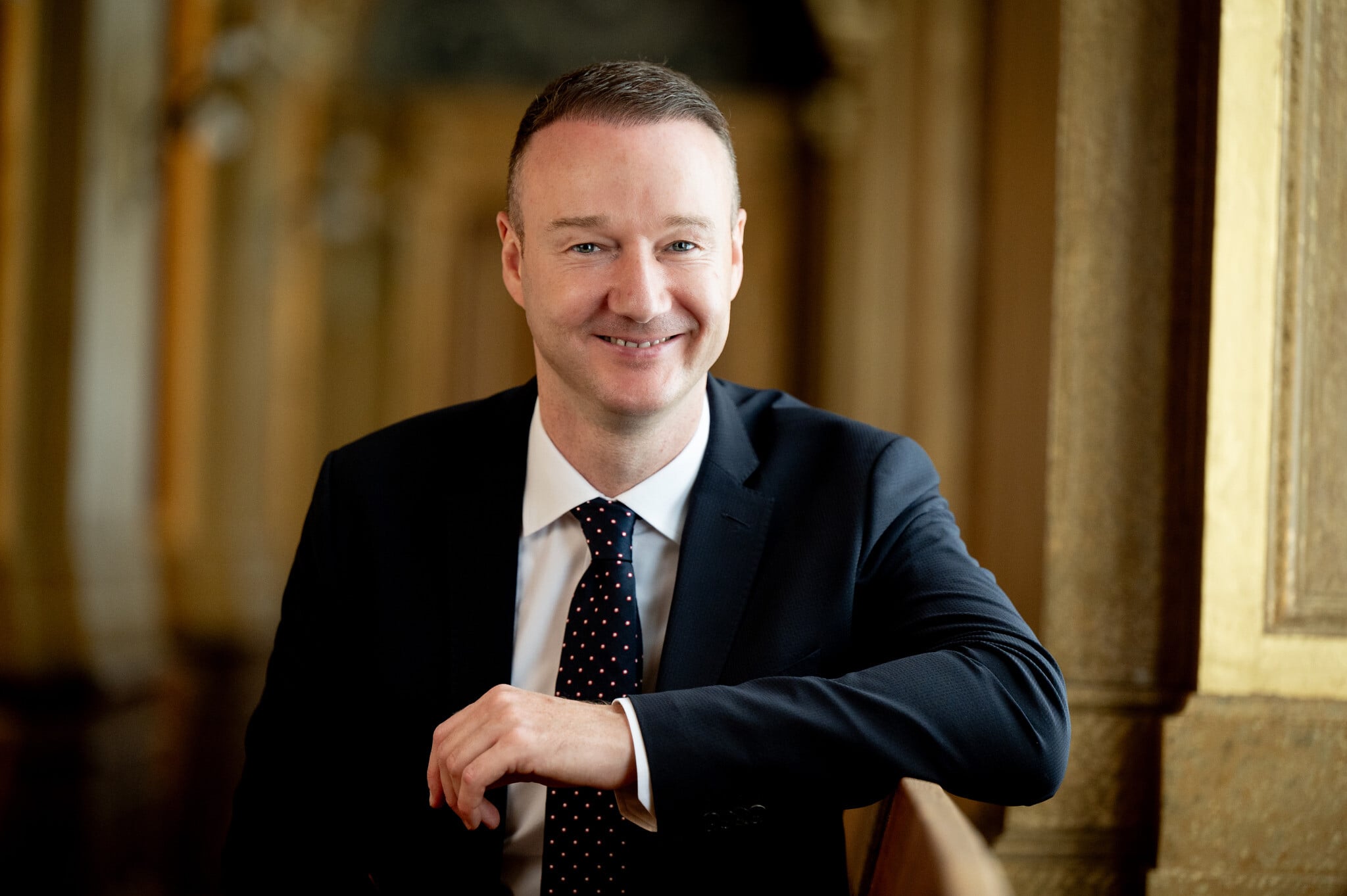
Hamburg’s antisemitism commissioner Stefan Hensel, the only Jewish official in such a role in any German state, has announced that he will step down at the end of the year, saying a wave of hatred and a lack of political backing have made his job untenable.
His resignation, announced on October 1, comes amid a sharp rise in antisemitic incidents across Germany since the bloody Hamas-led October 7, 2023, invasion of Israel and subsequent war in Gaza, sparking questions over how committed German authorities really are to protecting Jewish life.
“There’s a massive wave of hatred crashing down on me,” Hensel recently told The Times of Israel. He said he now requires personal security at public events, while his “personal freedom of movement is severely restricted.”
But not all threats against Hensel have targeted him personally.
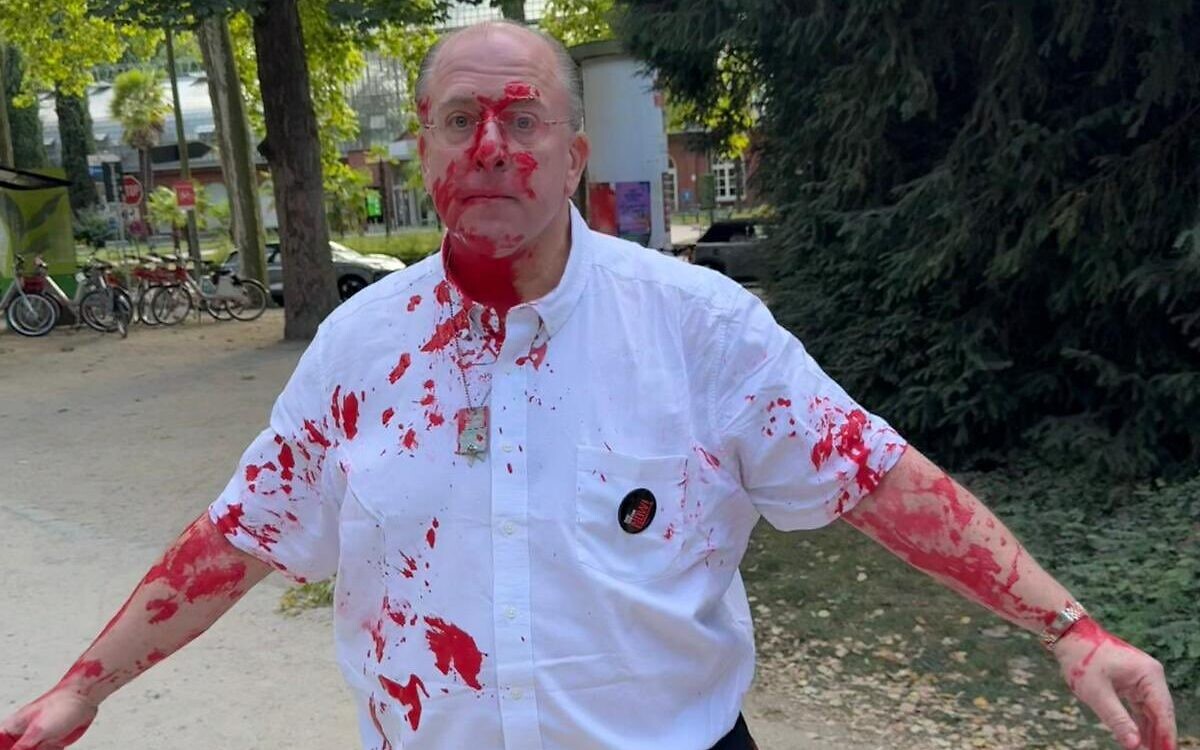
In May of this year, Hensel faced an antisemitic attack while sitting in his car with his young daughter, listening to a Hebrew song. A delivery van driver who pulled up next to Hensel at a red light harassed him, called him a “baby killer,” and challenged him to get out of the car if he was “a man.”
“The act happened out of impulse,” Hensel said. “It could have happened to any Jew.”
“I just don’t want to [do this] anymore,” he added.
All but one of Germany’s 16 states — Bremen — has an antisemitism commissioner, appointed by the local state government to serve as a point of contact for the Jewish community. Their responsibilities include documenting antisemitic incidents and increasing the visibility of Jewish life.
In a mid-November profile in the German magazine Stern, published after his resignation announcement, Hensel described how his office has been continuously flooded with hateful messages. His two staff members, he said, gave up long ago on trying to record every incident.
Hensel also cites a lack of political support as a key reason for stepping down.
“Neither the administration nor politics stand by me, even though they should be my allies,” he said, adding that he “is increasingly ignored in politics.” He said there were numerous antisemitic incidents to which his protests went unanswered.
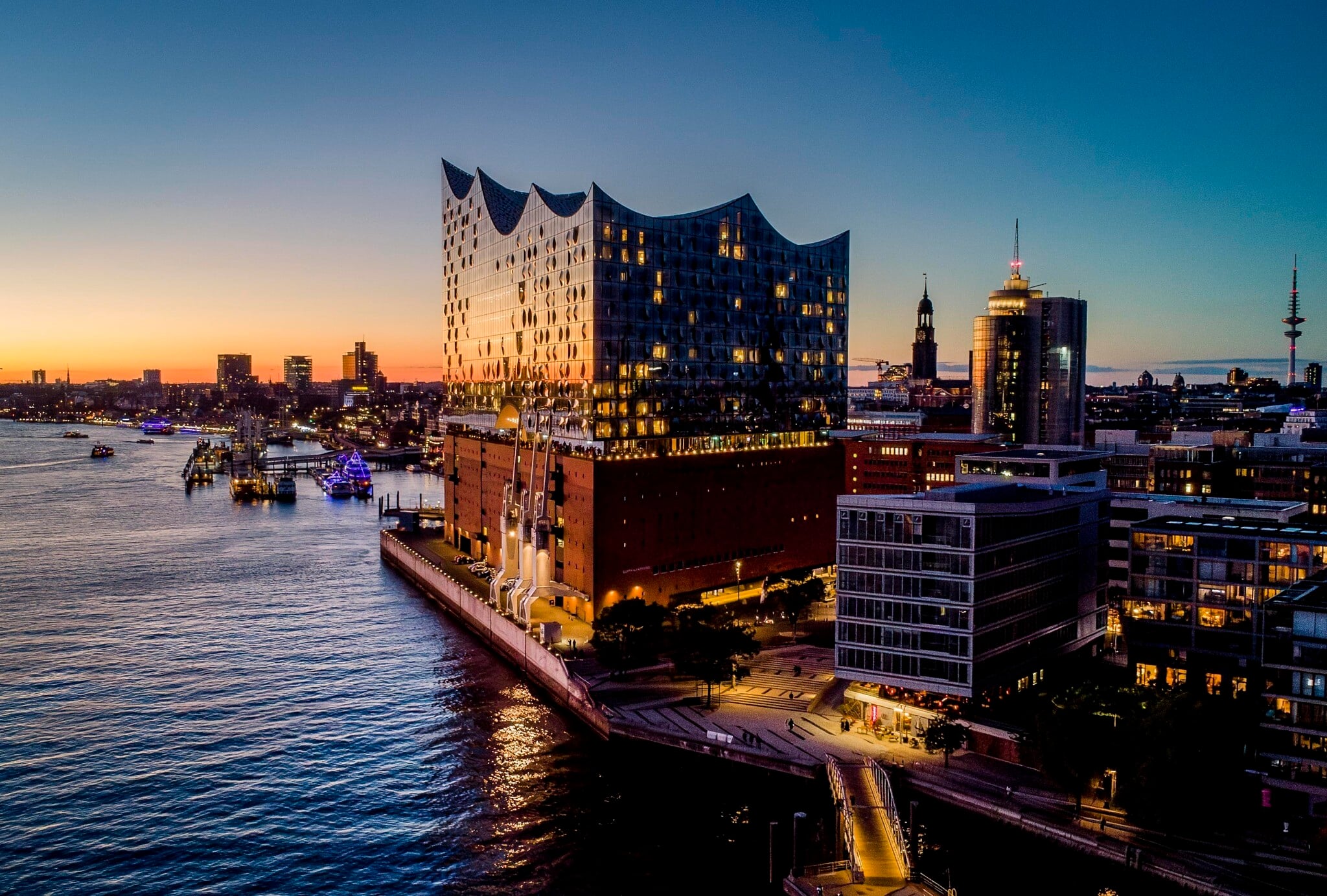
As one example, he pointed to the appearance of Boycott, Divestment and Sanctions (BDS) supporter Zamzam Ibrahim at a well-known Hamburg cultural center. In a 2021 Instagram post, Ibrahim compared Israel’s treatment of Palestinians to the Holocaust. At the time, Hensel publicly called Ibrahim a person who “advocates offensively antisemitic positions that deny Israel’s right to exist,” and urged the artistic director responsible to cancel her appearance, without success.
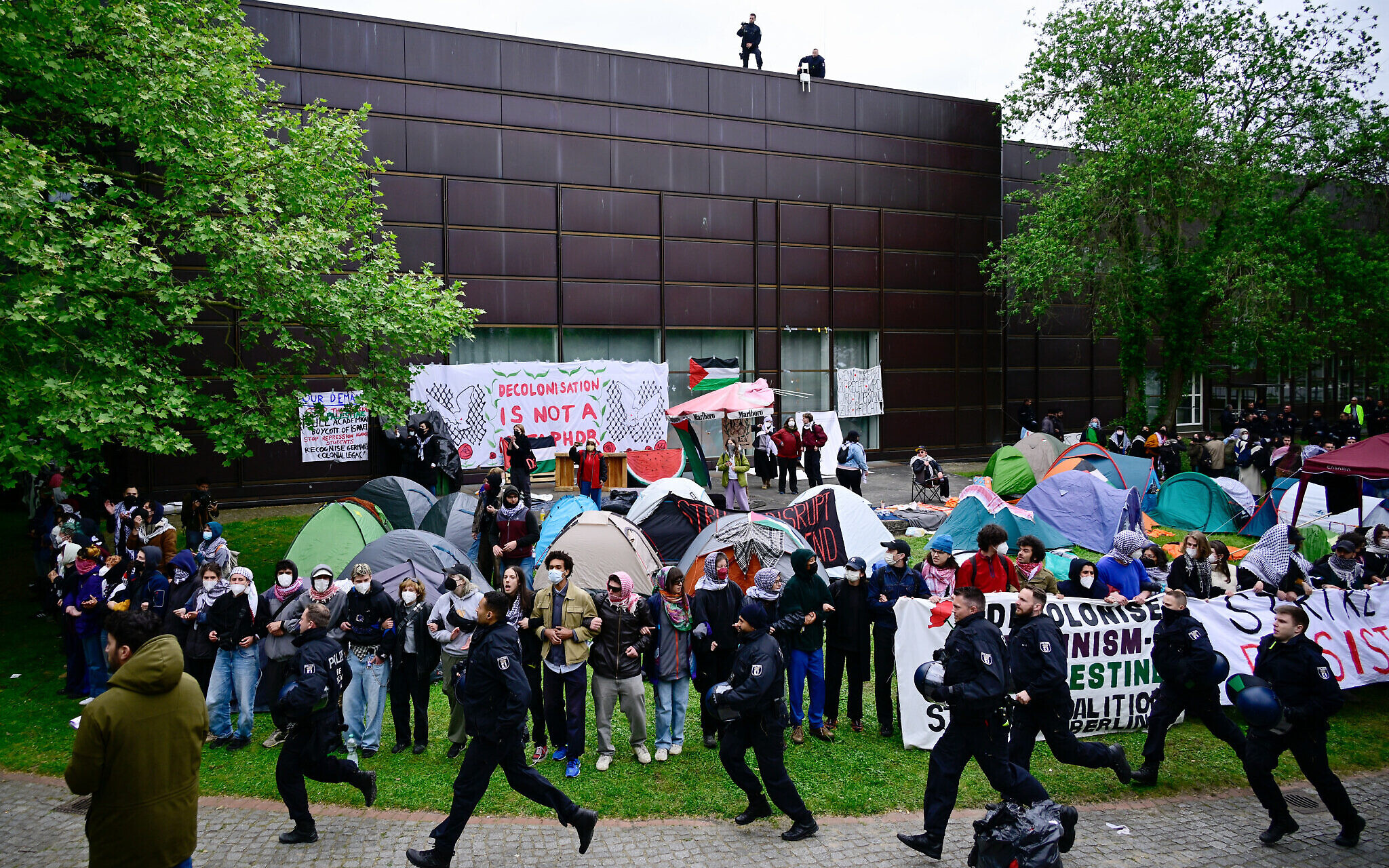
Hensel also cited events at the University of Hamburg, where, according to him, anti-Israel and antisemitic statements are made “regularly.” In early November, the local “Students 4 Palestine” group held a BDS meeting at the university, calling for “the immediate termination of all ties to Israeli universities” and accusing Israel of committing genocide in Gaza. Hensel unsuccessfully urged the university to ban the event, referring to a 2019 resolution passed by the German Bundestag that branded BDS as antisemitic and called on public institutions not to provide space for the boycott campaign. The resolution, however, is not legally binding, and there is ongoing debate over how strictly institutions such as universities must follow it.
“There is a long list of such cases that went unpunished, even though, according to the state’s antisemitism strategy, funding should have been withdrawn or venue allocations reviewed,” Hensel said, referring to a strategy against antisemitism that he helped implement in Hamburg in 2024. “I keep hitting a brick wall when I remind those responsible that they are failing to fulfill their obligation to combat antisemitism.”
Hamburg government officials offer a markedly different assessment of their record on combating antisemitism and of their cooperation with Hensel.
“Combating antisemitism, protecting Jewish residents of Hamburg, and supporting Jewish life in our city are central goals of the Hamburg Senate, rooted in the historical responsibility of Hamburg and Germany,” said a spokesperson for Hamburg Mayor Peter Tschentscher.
The spokesperson added that the Senate valued and supported Hensel’s work.
“The Senate has always experienced committed and constructive cooperation on both sides,” he said, adding that together they had achieved a great deal in the fight against antisemitism.
Rising reports of antisemitic incidents across Germany
Antisemitic incidents in Hamburg, where there is a Jewish population of roughly 5,000, have been on the rise. A study commissioned by Hensel in cooperation with the local police academy this year shows how dramatically the situation for Hamburg’s Jews has worsened since October 7. According to the survey, 77 percent of the 548 Jews who responded reported experiencing antisemitic incidents in the past 12 months. Two-thirds attributed the hostility to the heated atmosphere in Germany due to the war in the Middle East. Eighty-nine percent said they could not freely practice Judaism.
The results for Hamburg fit into the wider picture of rising antisemitism across Germany. The Research and Information Center on Antisemitism (RIAS), an independent watchdog, documented 8,627 antisemitic incidents in 2024, a 77% increase from the previous year. The cases included eight acts of antisemitic violence resulting in physical injury and another 186 physical assaults. Police data reflect the same pattern: the number of recorded antisemitic crimes doubled between 2022 and 2023 and rose by another 20% between 2023 and 2024, reaching 6,236 cases overall.
“Since October 7, every sense of security in the Jewish community has vanished,” Hensel said. At the same time, he noted, the crisis has brought the community closer together. “People have understood that they need one another, that events are important where you don’t have to explain yourself as a Jew, where you can simply be relaxed.”
Still, Hensel is proud of his work as antisemitism commissioner. He notes that during his tenure, not only was the state’s antisemitism strategy implemented, but the goal of combating antisemitism was also added to Hamburg’s state constitution.
“Everything was basically in place for Hamburg to respond to the wave of antisemitism that hit us following October 7,” Hensel said. The problem, he argued, lies in the execution: “In politics, there is, unfortunately, little awareness of how profound October 7 was for Jews in Germany.” While there was initial solidarity with Jews in the city, Hensel said the “two commemorations for the anniversaries [of October 7] had to be organized by the Jewish community and the Israeli community.”
Politicians speak up for Hensel
Hamburg’s state government, known as the Senate, is led by the Social Democrats (SPD) in coalition with the Green Party, which together nominated Hensel for the role. The largest opposition party is the Christian Democratic Union (CDU), which at the federal level holds the chancellorship under Friedrich Merz.

Senator Maryam Blumenthal of the Green Party, whose Science, Research and Equality Ministry oversees the antisemitism commissioner’s office, said she had experienced her work with Hensel as “constructive and based on trust.”
“His work to date will continue to inspire the city and the Senate. I thank him very much for his dedication,” said Blumenthal, who is not Jewish herself. “Combating antisemitism and protecting Jewish residents of Hamburg are central tasks for me and for the Senate as a whole.”
Hamburg’s opposition leader, Dennis Thering of the Christian Democrats, said he regretted Hensel’s resignation.
“It is alarming and shows the state of our country when an antisemitism commissioner resigns under these circumstances,” he said.
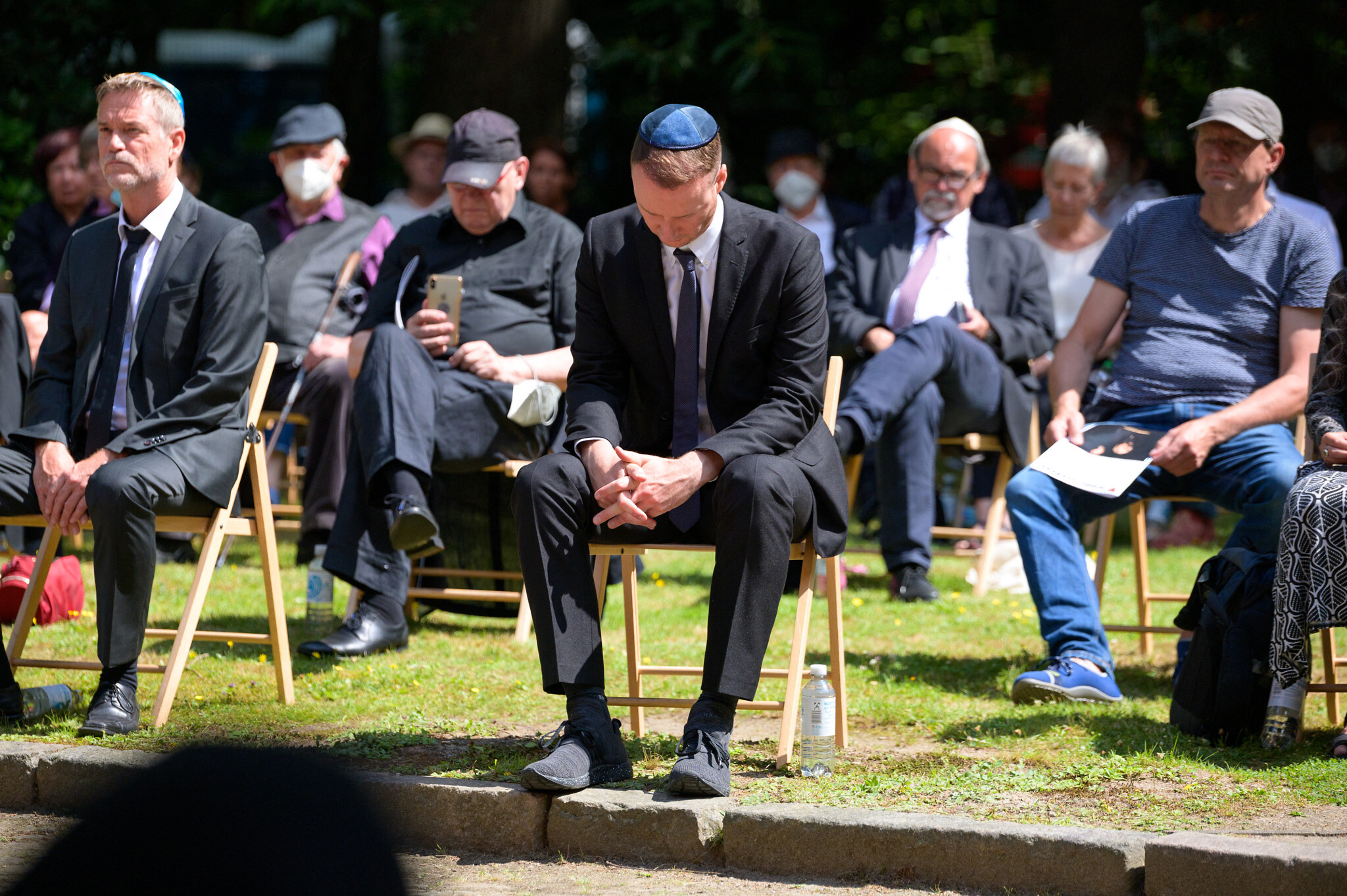
Thering accused the governing coalition of failing to adequately support Hensel, echoing his own criticism of the government’s handling of antisemitism in the city.
“When it came to supporting the position of the antisemitism commissioner, the SPD and the Greens in the parliament, unfortunately, often turned out to be a great disappointment,” Thering said.
As one example, he noted that the governing parties had rejected a CDU proposal to turn the commissioner’s job into a fully paid position.
“In my view, the red-green Senate often acts indecisively and sluggishly in the fight against antisemitism,” Thering said.
Hensel said that in light of the worsening situation, more Jews in Hamburg, including in his own family, are discussing emigration. Yet even in countries such as Canada or the United States, Jewish life has become less secure, he believes.

Israel is “the only country where one doesn’t experience antisemitism in daily life,” he said, adding that emigrating can be difficult: “It’s not easy to build a new life in Israel.”
Nonetheless, Hensel has not given up hope for the Jewish community in Hamburg. One effect of rising antisemitism, he said, is that Israelis in the city have drawn closer to the Jewish community.
“This way we get a piece of Israeli Judaism, which is more self-confident and at ease than what we are used to in Germany,” he said.
He added that the Jewish community has also received steady signs of solidarity from non-Jewish residents.
“From the occasional inquiry about how one is doing to taking part in rallies against antisemitism,” Hensel said, such gestures have helped the Jewish community over the past two years.









The Times of Israel Community.