

‘Glory and disaster’ intertwine in Budapest’s historic Jewish quarter
The beauty and horror of the past merge with evidence of revitalised but wary community life along the cobblestone streets of District VII
 Add ToI as a Preferred Source on Google
Aaron Kalman is a former writer and breaking news editor for the Times of Israel
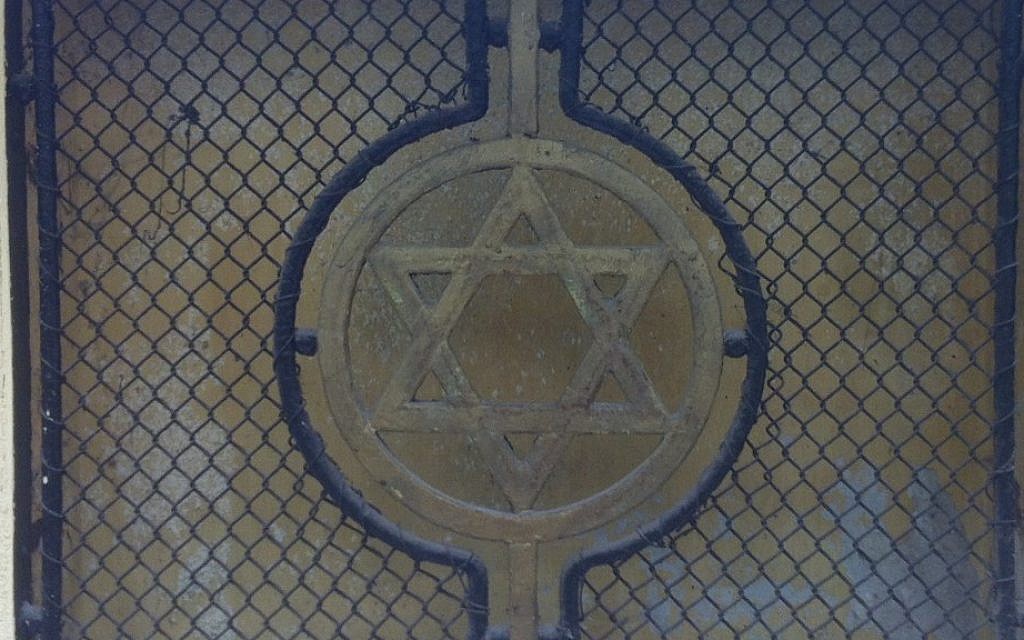
The first known Jewish presence in Hungary is dated back to the 12th century, and the first expulsion of Jews happened in 1307. From then until the 1944 transportation and murder of some 600,000 Jews, the city saw it all. As Dr. Peter Feldmajer, President of the Hungarian Jewish Community, told the World Jewish Congress this week: “Budapest is a city that has preserved the glorious history of Jews, as well as their disasters.”
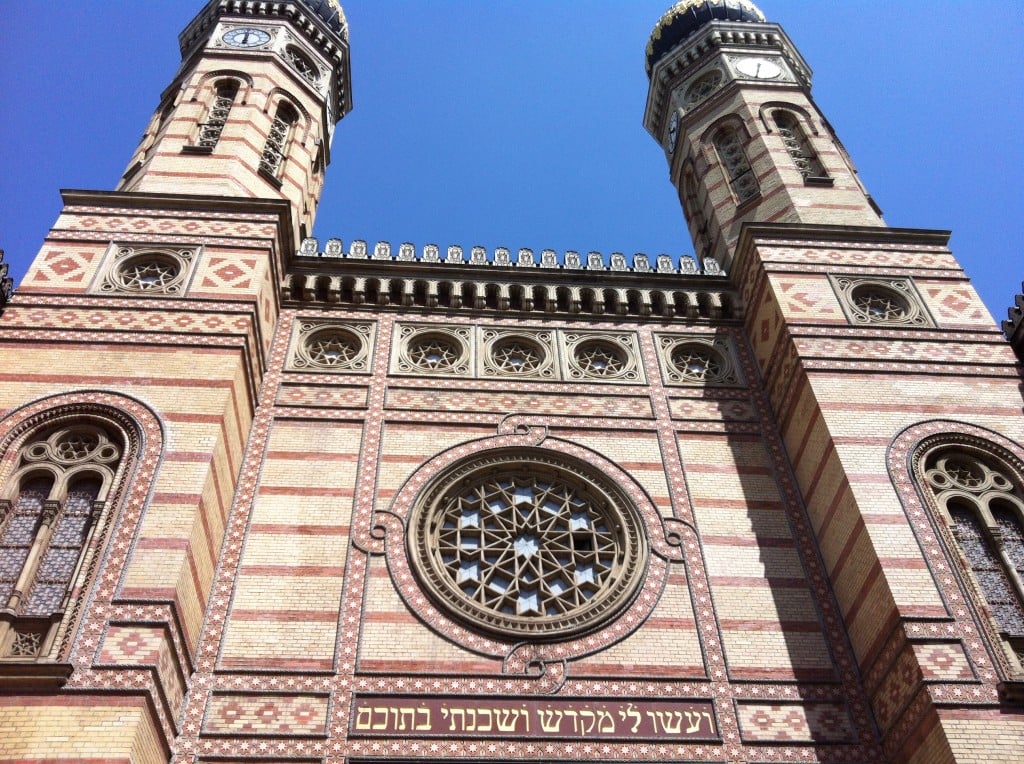
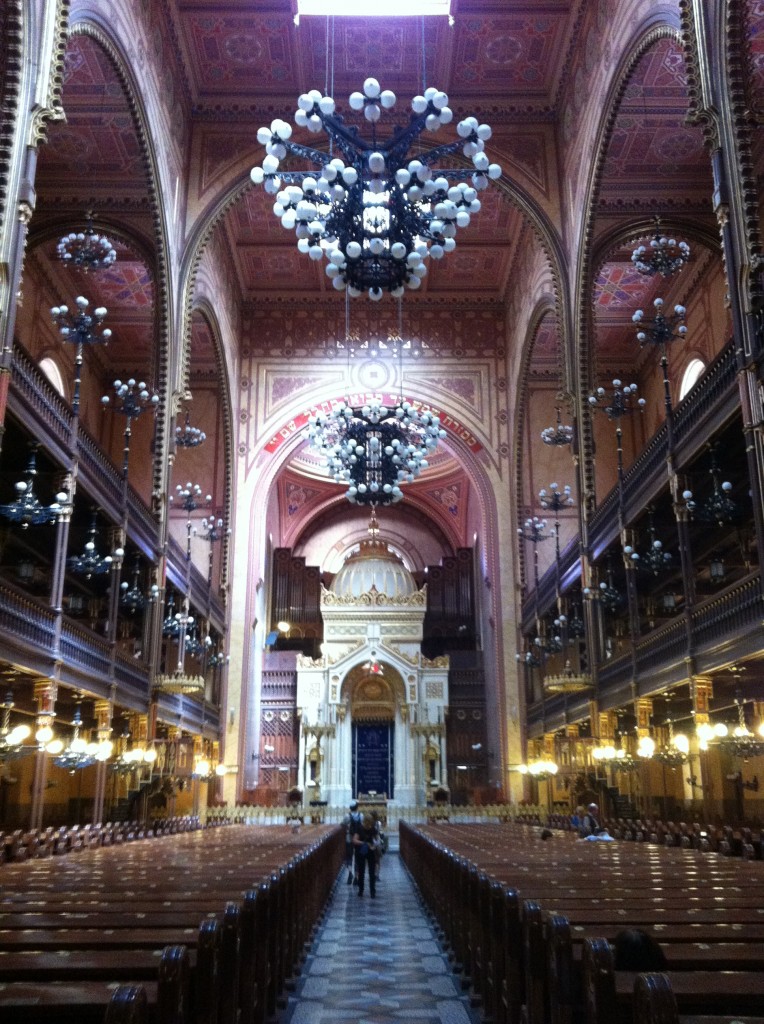
The city’s Jewish timeline includes the births of Max Nordau (1849) and Theodor Herzl (1860); it holds Adolf Eichmann’s headquarters, from where he deported Hungarian Jews to Auschwitz (1944); and it boasts the Dohany Synagogue (built 1859) — the largest in Europe and one of the biggest in the world.
The WJC’s get-together was hosted in Budapest between Sunday and Thursday, as an act of solidarity with the local community as it combats anti-Semitism in the streets and in parliament. In addition to addresses given by Hungarian Prime Minister Viktor Orban and German Foreign Minister Guido Westerwelle, the congress allowed for a glimpse into the life of thousands of Jews residing in the city.
A short walk in the streets of the Jewish area, also known as District VII, takes one on a journey where the beauty and horror of past events intertwine, and where the current general calm is monitored by security cameras and policemen — a reminder that Jewish life today in this historically resonant city, while flourishing, isn’t perfect.
The magnificent synagogues that were
While the Kazinczy Street Orthodox Synagogue and Great Central Synagogue in Dohány Street host services on Shabbat and high holidays, during most of the year they stand empty — monuments displaying the treasured beauty of yore. Others, like the one on Rumbach street, are waiting to be renovated.
-
- The Dohany Synagogue’s front (photo credit: Aaron Kalman)
-
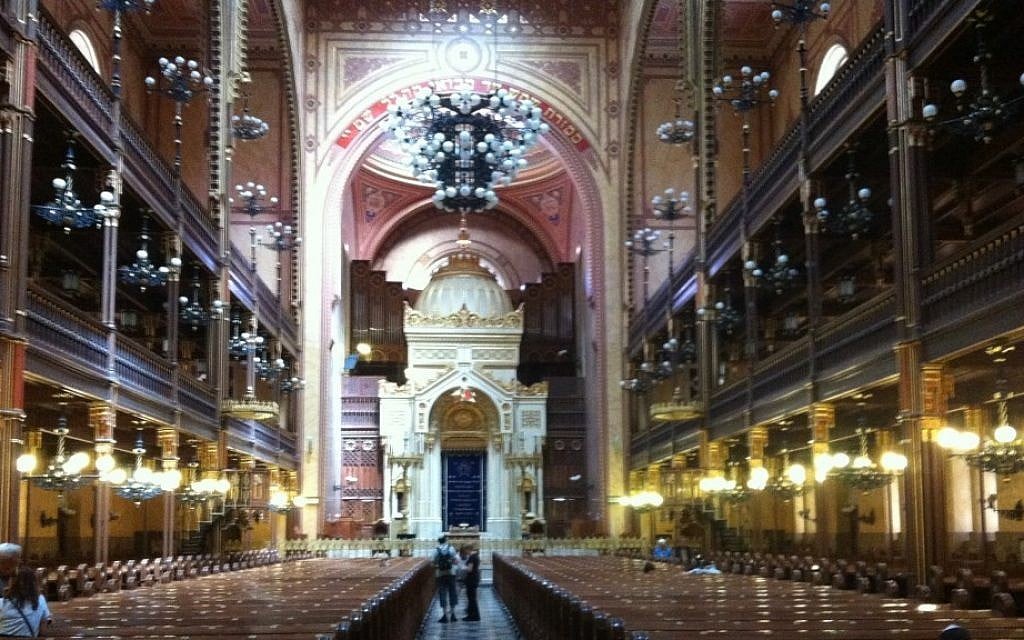
- The Dohany Synagogue’s interior (photo credit: Aaron Kalman)
-
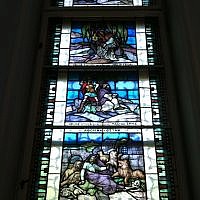
- Stained glass windows showing biblical scenes at the Jewish Museum (photo credit: Aaron Kalman)
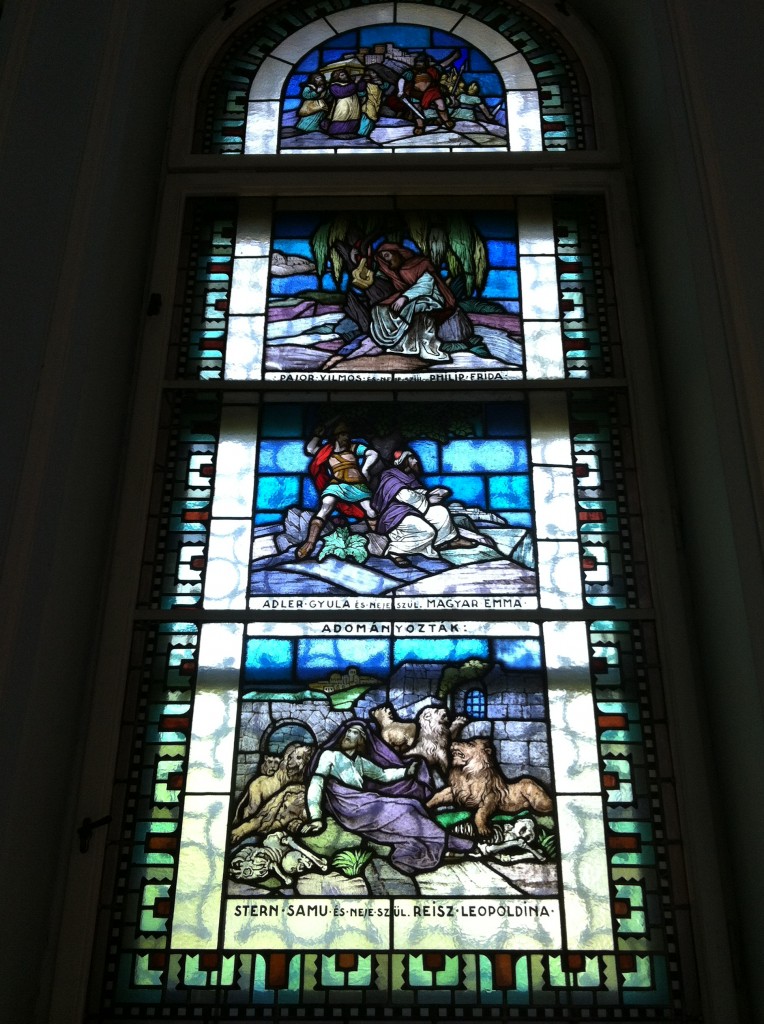
-
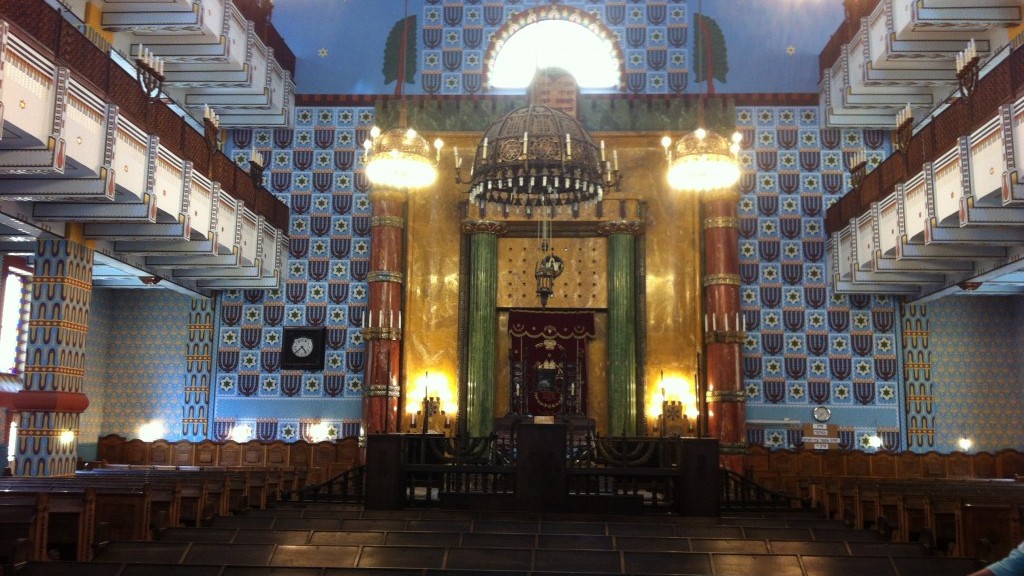
- Inside the Kazinczy Synagogue (photo credit: Aaron Kalman)
-
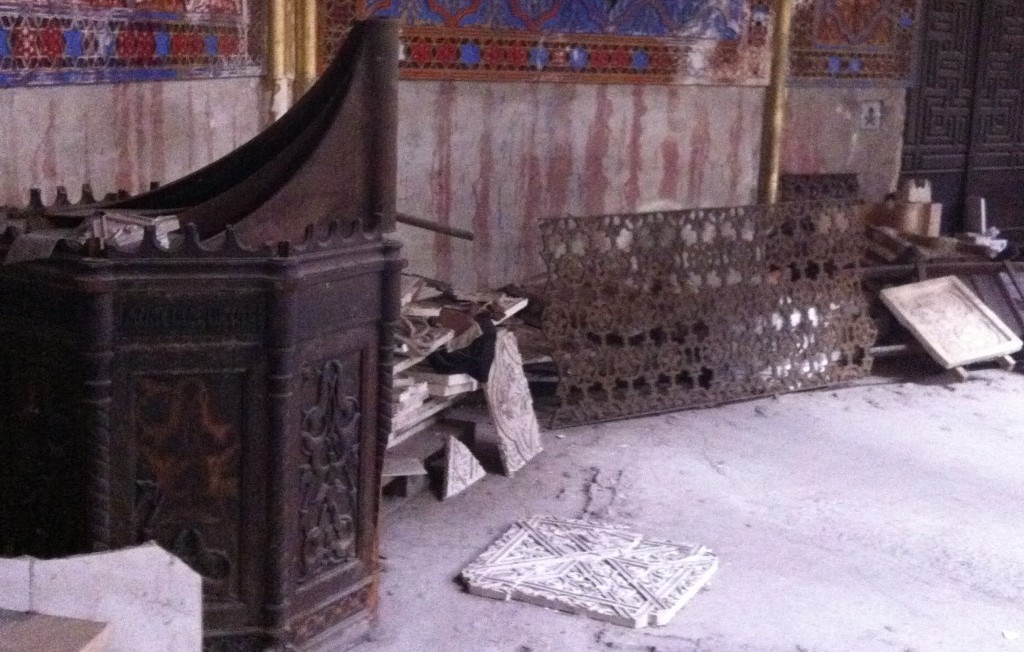
- Preparing to renovate the synagogue on Rumbach street (photo credit: Aaron Kalman)
-
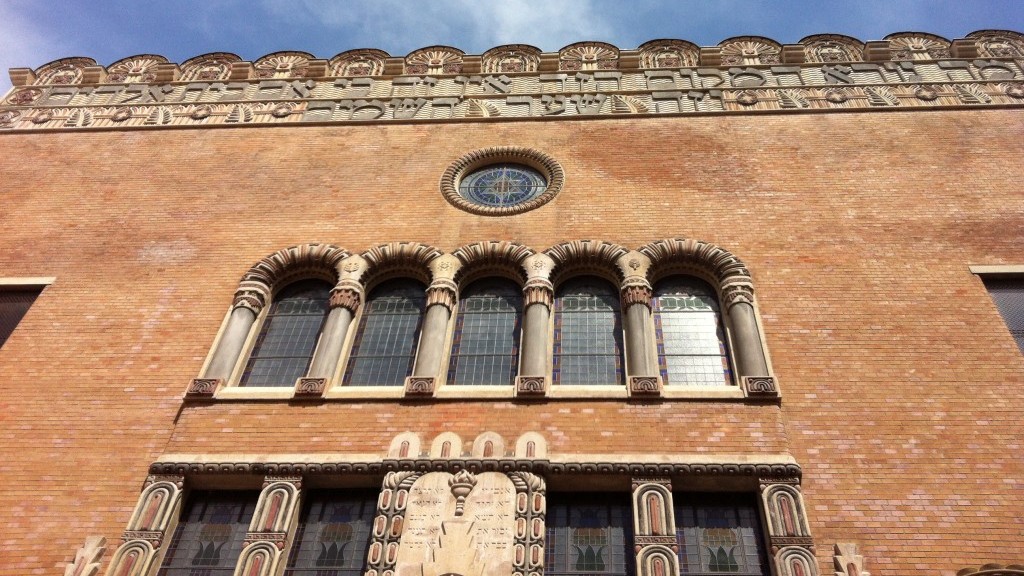
- The front of the Kazinczy Synagogue (photo credit: Aaron Kalman)
Religious life nowadays
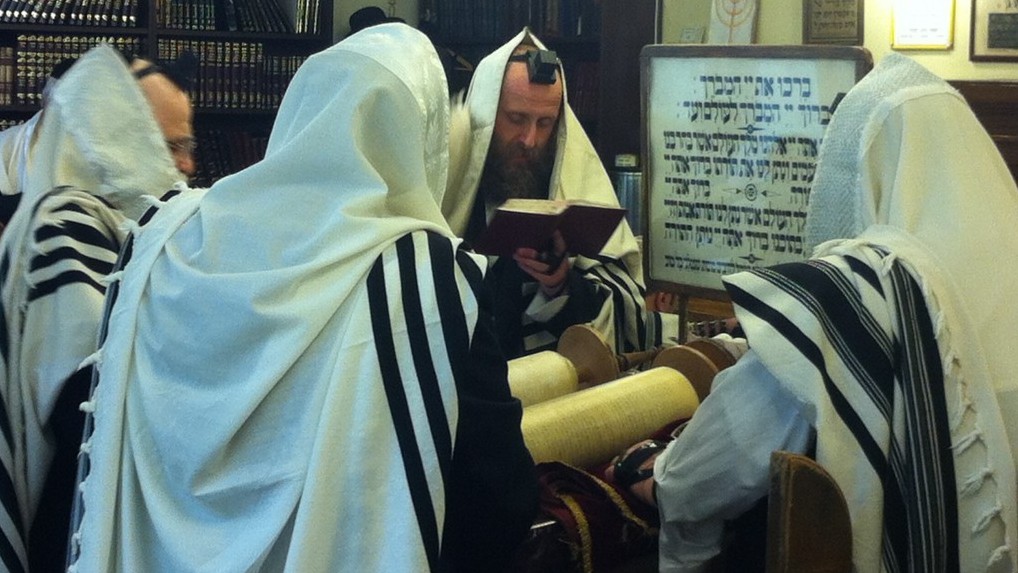
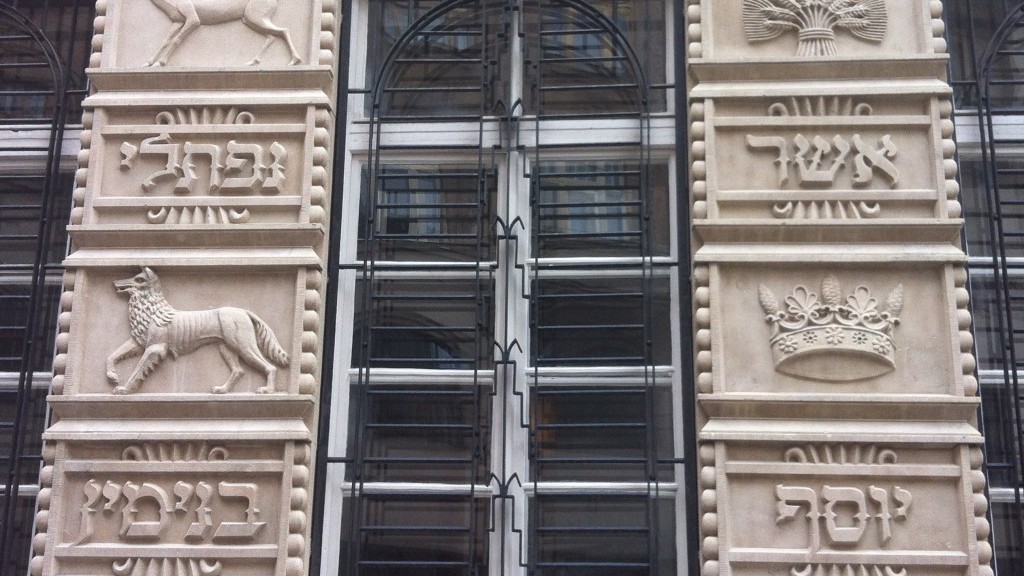
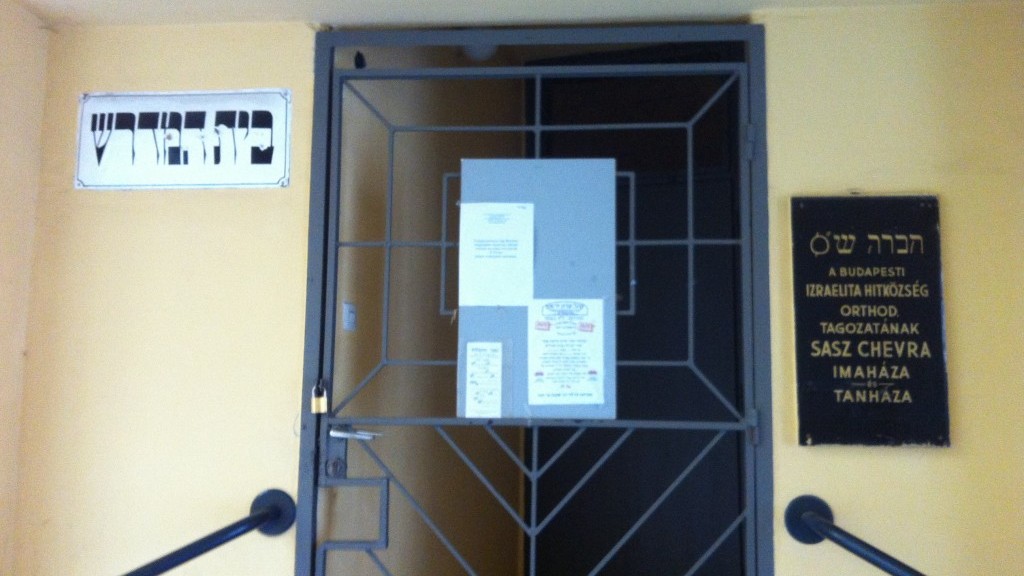
The modern Jewish community is made up of Orthodox, traditional, and non-observant Jews. On Kazinczy Street stand a number of ultra-Orthodox institutions, dwarfed by the shadows of the old synagogue next door.
-
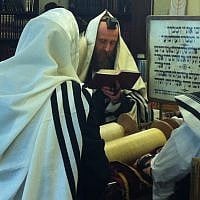
- Illustrative: Members of Budapest’s Jewish community read the Torah (photo credit: Aaron Kalman)
-
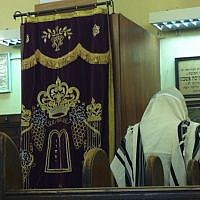
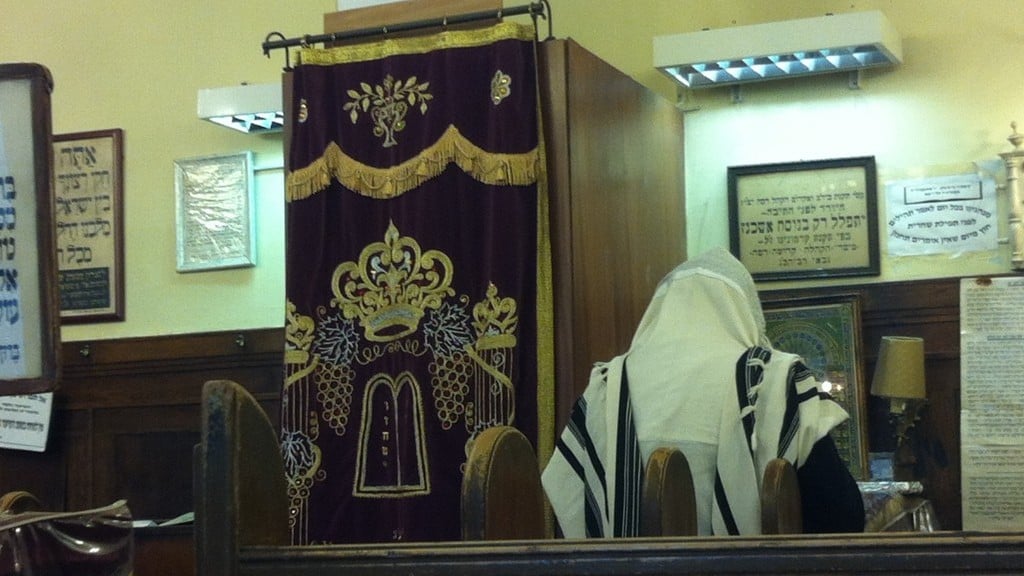
- An illustrative photo of a man praying at a synagogue. (photo credit: Aaron Kalman)
-
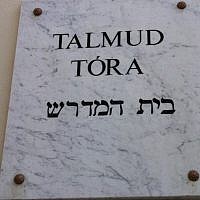
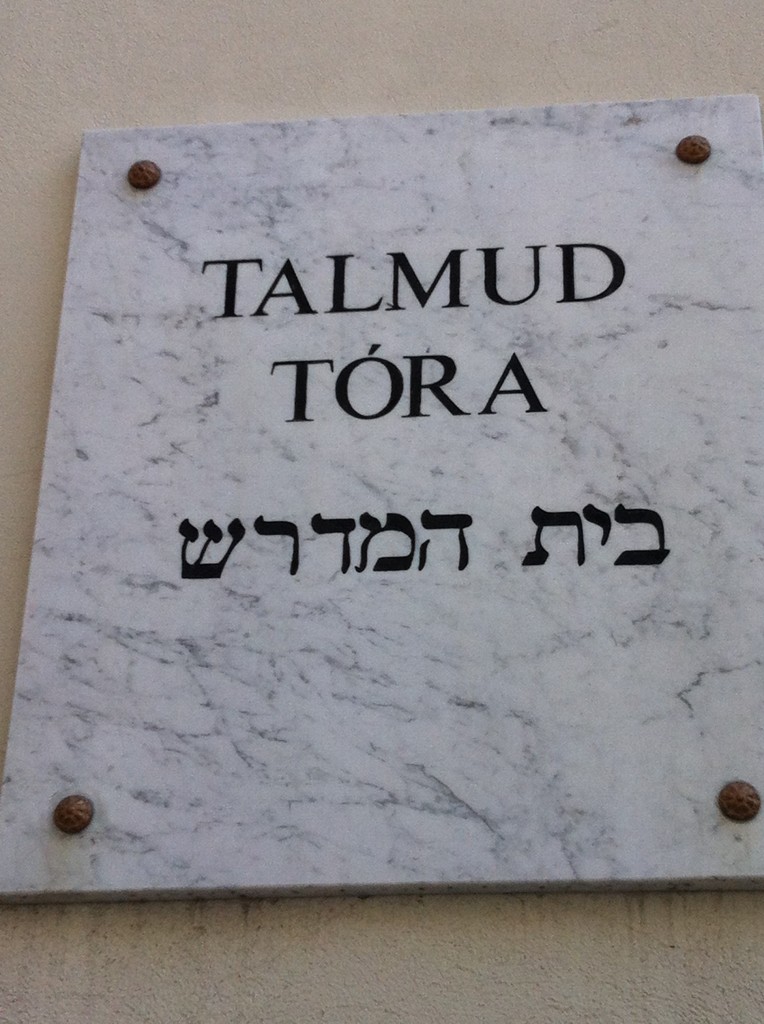
- A sign for a local Talmud Torah (photo credit: Aaron Kalman)
-
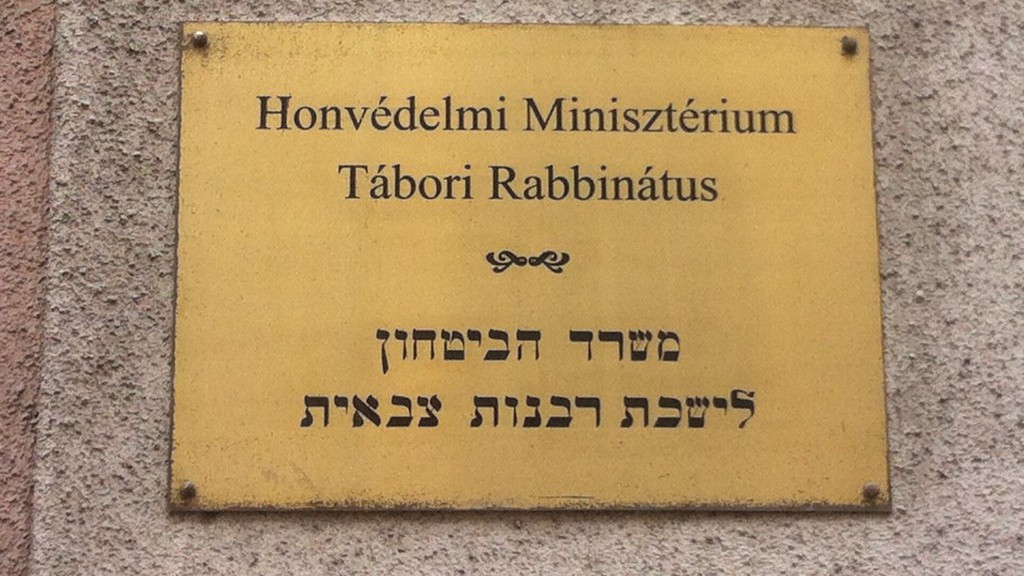
- The Hungarian army’s Chief rabbinate’s office (photo credit: Aaron Kalman)
-
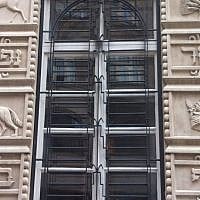
- The exterior of a Bet Midrash in Budapest’s Jewish quarter (photo credit; Aaron Kalman)
-
- Kazinczy Street
Memory and commemoration
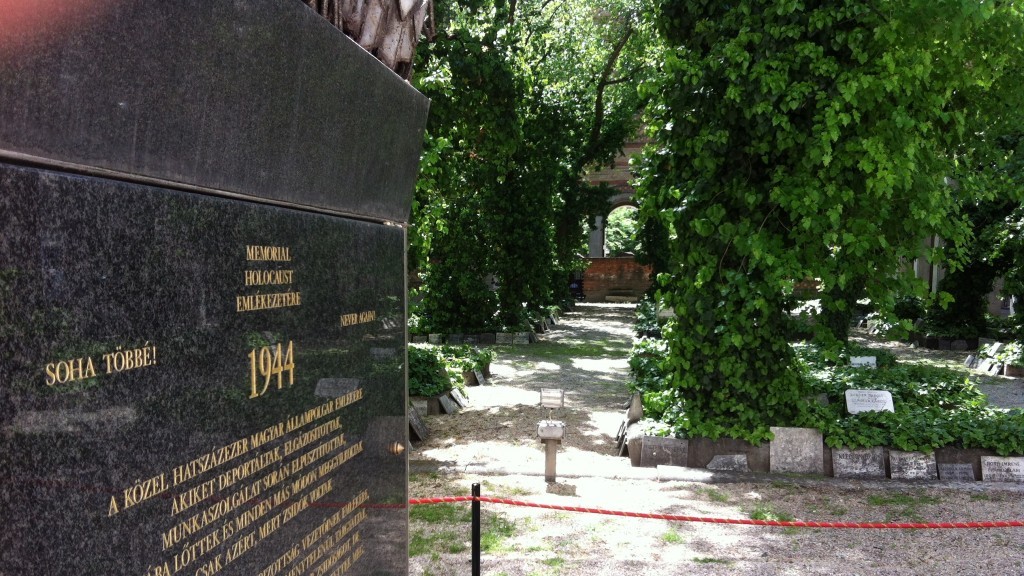
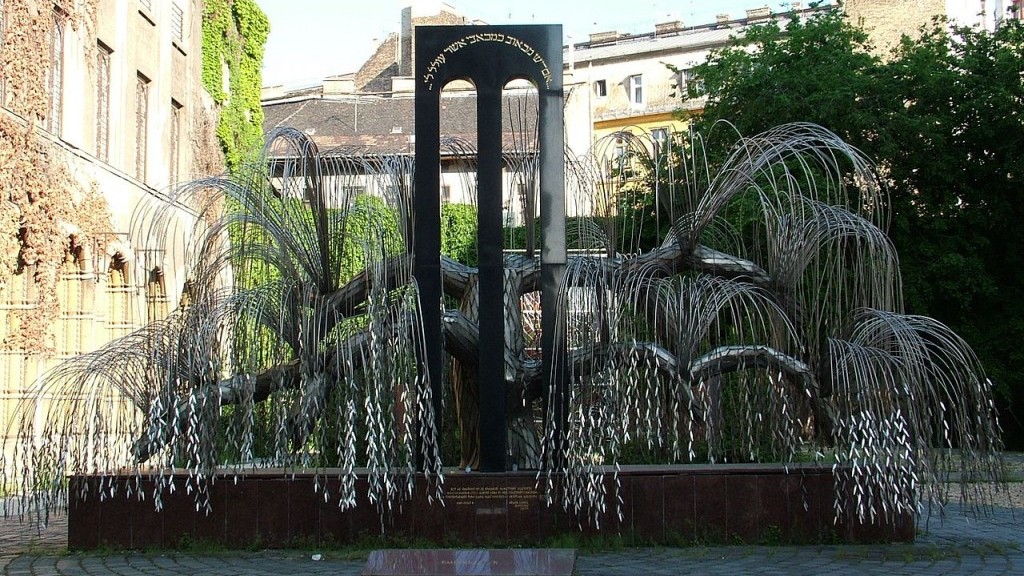
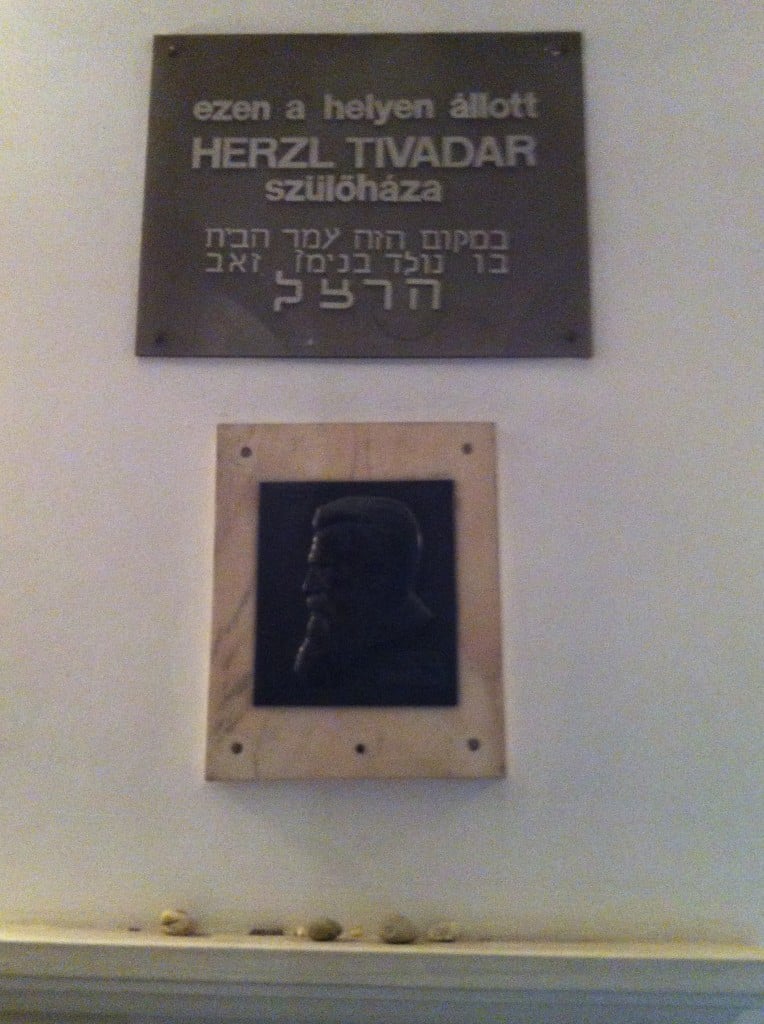
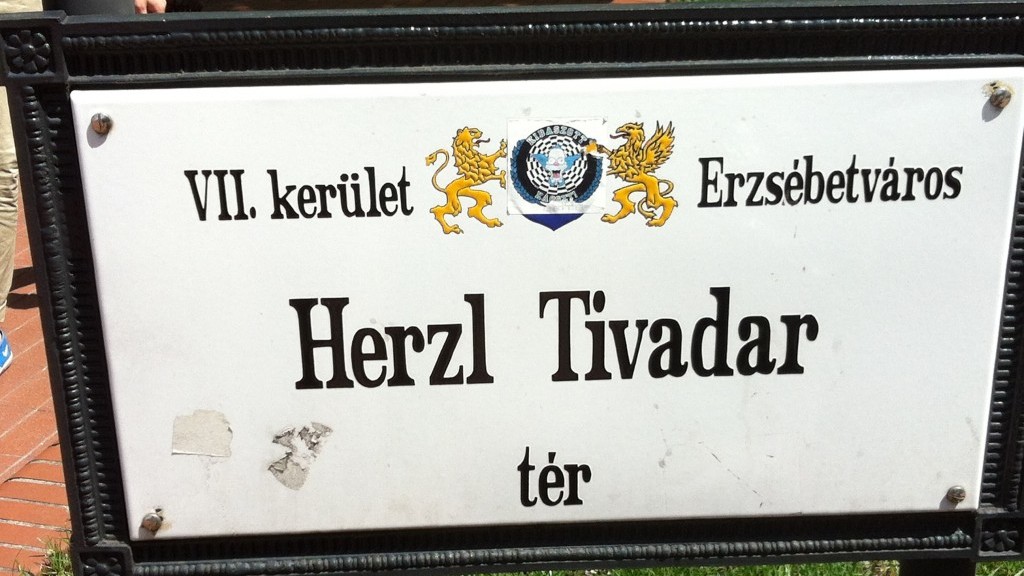
Plaques and monuments can be found all over district XII. From city-sponsored signs marking the house in which Herzl was born to a remnant of the Ghetto wall, the streets and squares echo with memories.
-
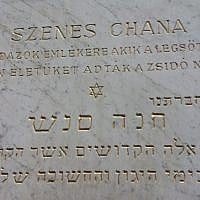
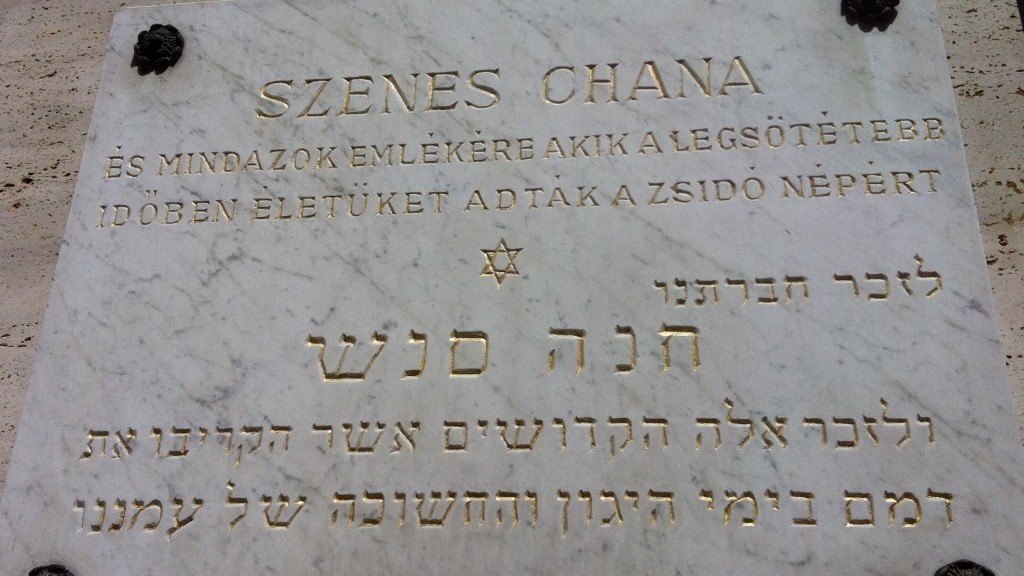
- A plaque commemorating Hannah Senesh and others who fought for Hungarian Jewry (photo credit: Aaron Kalman)
-
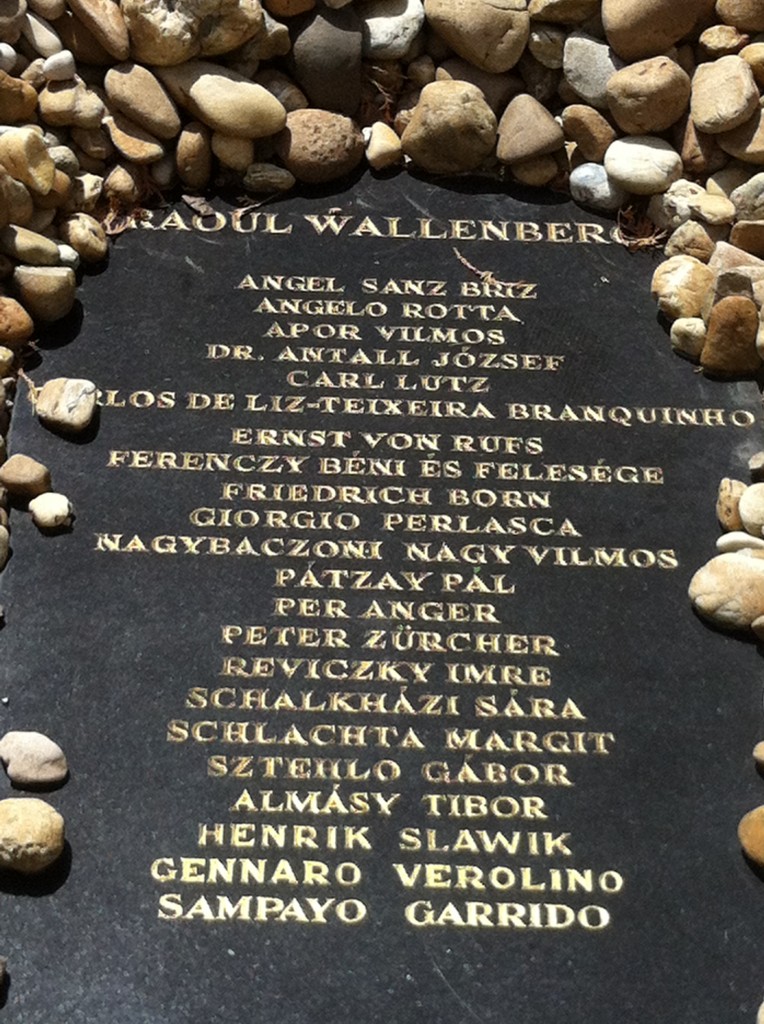
- The Raul Wallenberg memorial in Budapest (photo credit: Aaron Kalman)
-
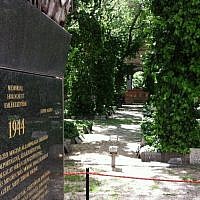
- A large burial area for those who died in the Budapest Ghetto (photo credit: Aaron Kalman)
-
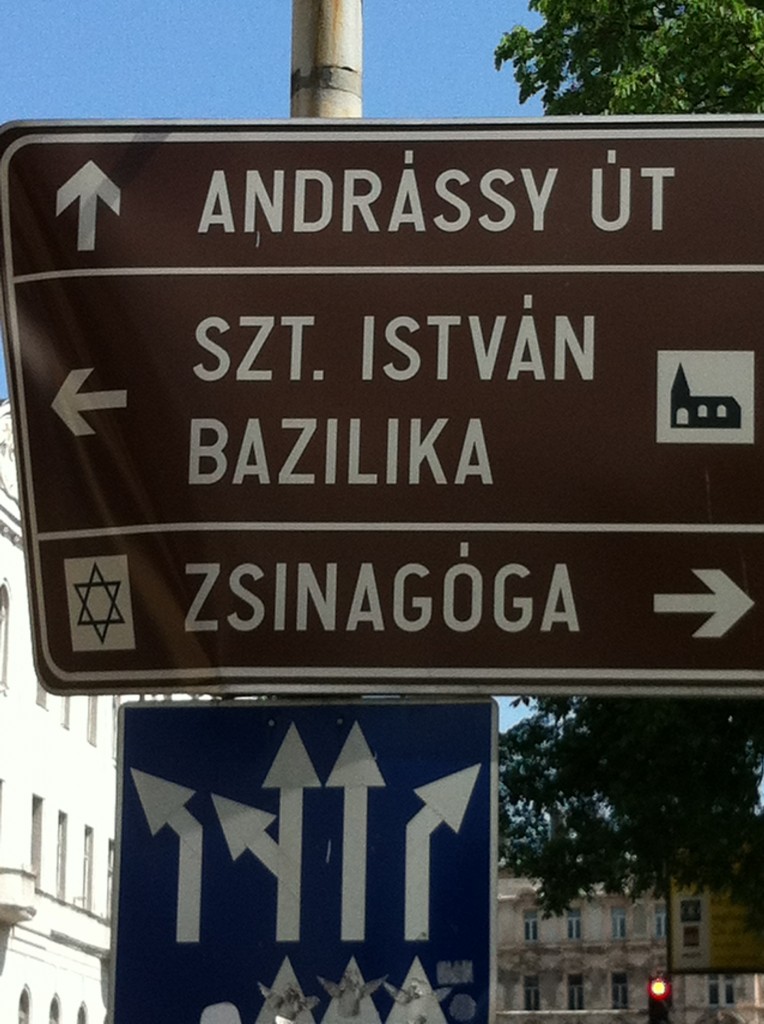
- Directions to the Dohany Synagogue (photo credit: Aaron Kalman)
-
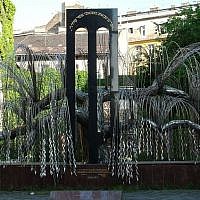
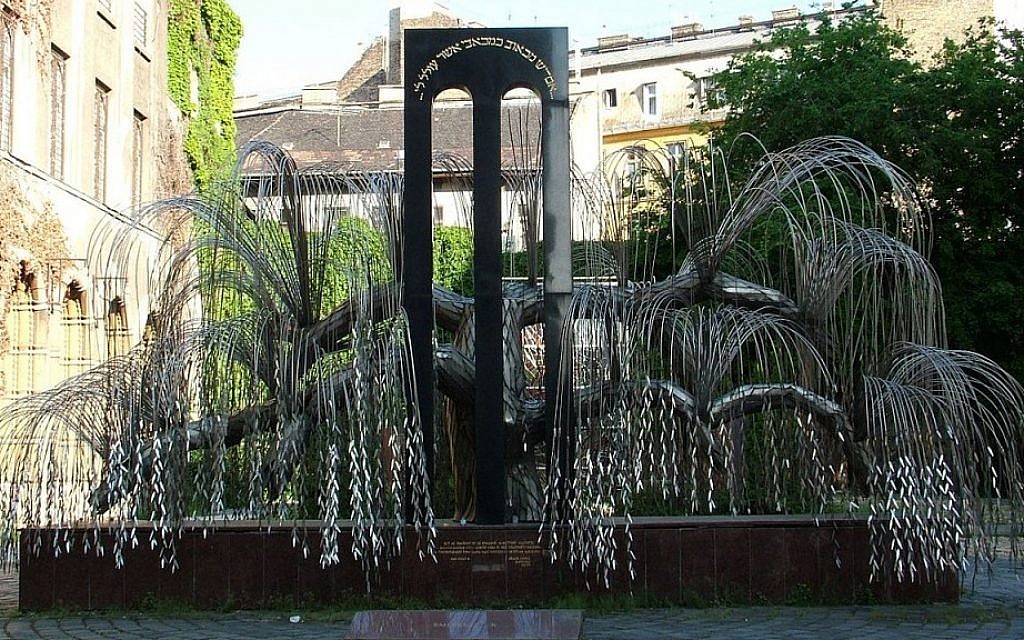
- Memorial of the Hungarian Jewish Martyrs, Dohány Street Synagogue, Budapest (photo credit: CC-BY-SA Ian Pitchford/Wikimedia Commons)
-
- A sign marking the Budapest home where Theodor Herzl was born (photo credit: Aaron Kalman)
Jewish life on the street
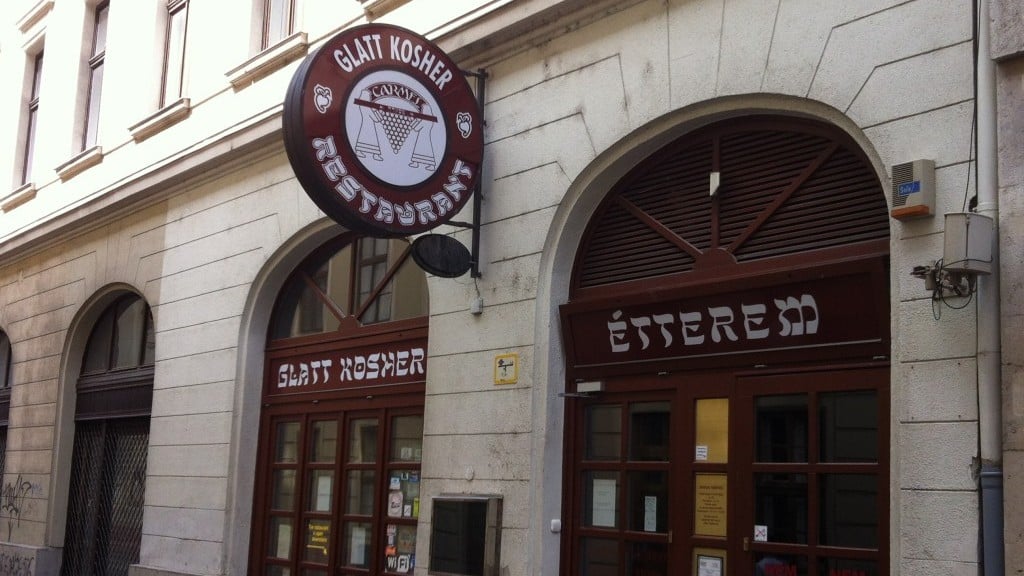
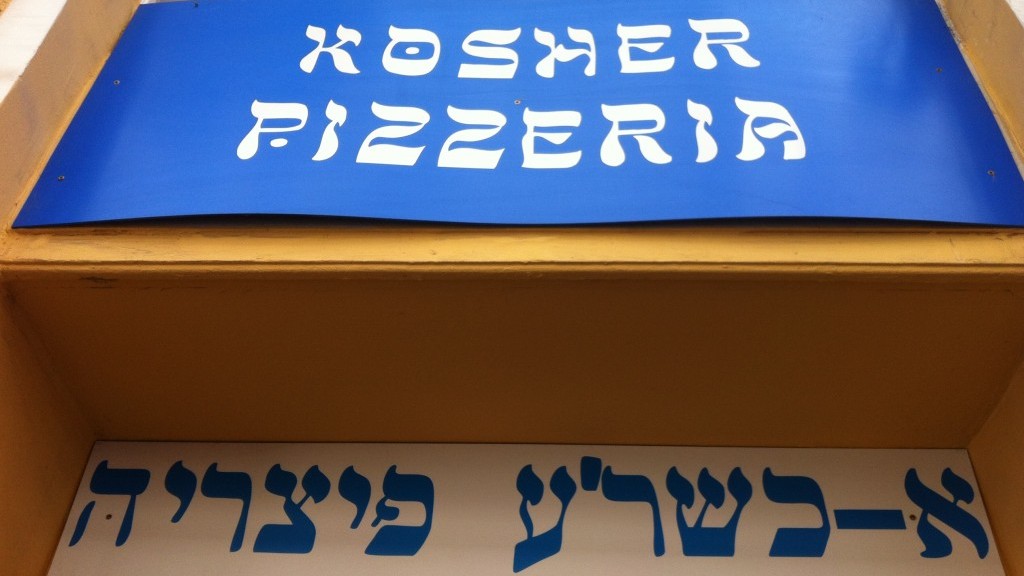
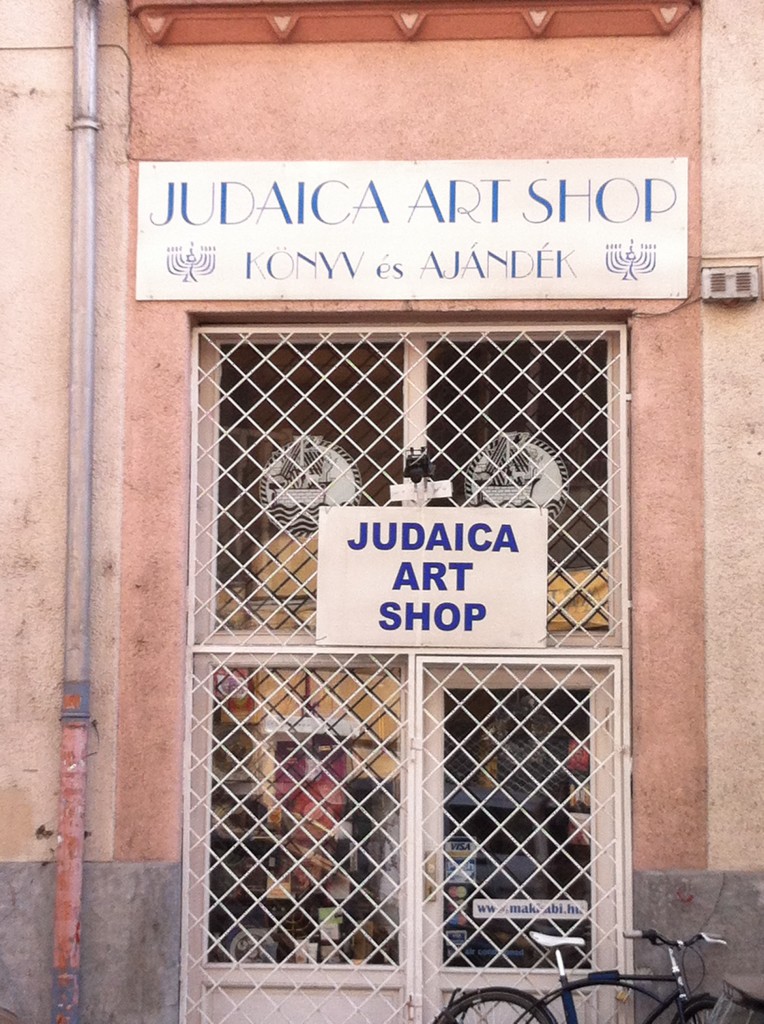
The storefronts and names of many business in this Jewish corner prove that the community’s life in the city isn’t confined to prayer and Torah studies. A travel agency, community culture center, wine store and more offer services to Jews — the locals and the thousands of tourists who arrive every year.
-
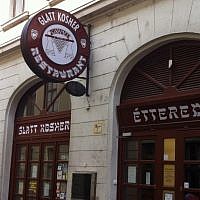
- The Kosher Carmel restaurant in Budapest (photo credit: Aaron Kalman)
-
- Kosher pizza in Budapest (photo credit: Aaron Kalman)
-
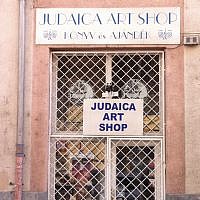
- A closed Jewish art store (photo credit: Aaron Kalman)
-
- A sign commemorating the house of Theodor (Tivadar) Herzl (photo credit: Aaron Kalman)
-
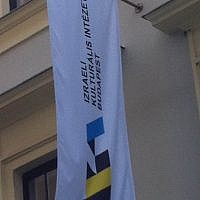
- Budapest’s Jewish cultural center (photo credit: Aaron Kalman)
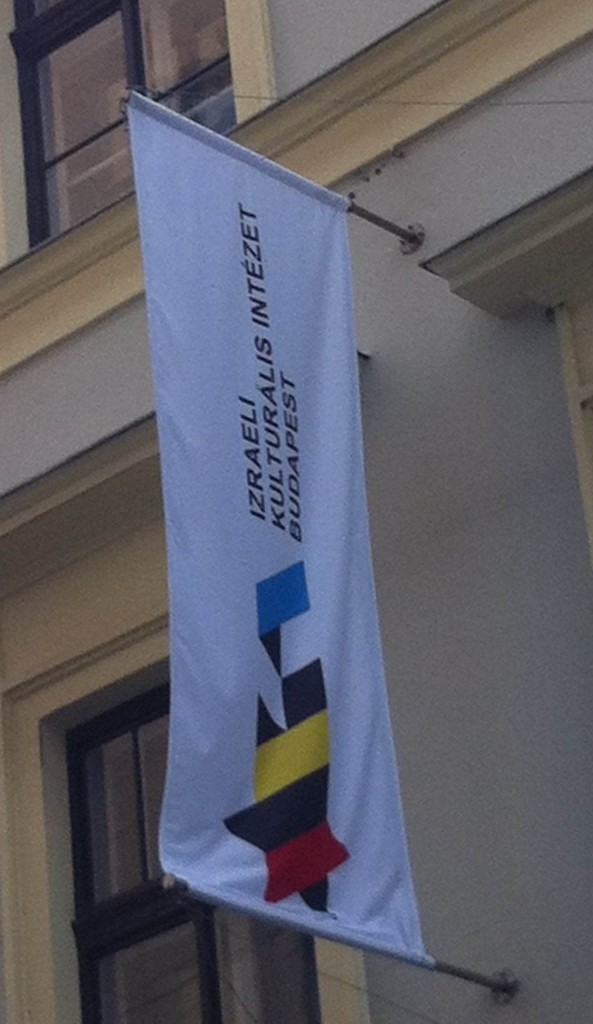
-
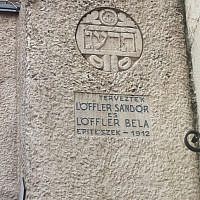
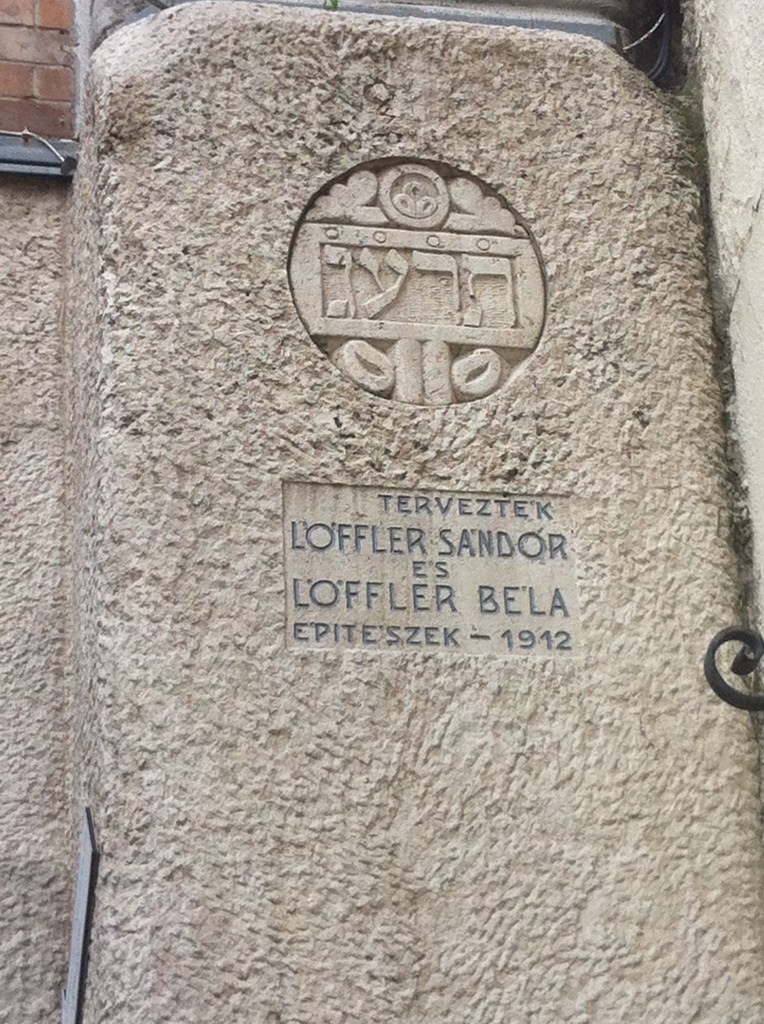
- The building date of a house in Budapest’s Jewish quarter, with a Hebrew year (photo credit: Aaron Kalman)





The Times of Israel Community.