

Hands-free phone opens worlds for paralyzed users
Sesame Enable has reached more than 1,200 customers globally, including in Saudi Arabia and Lebanon
- See more Times of Israel on Google - add us as a Preferred Source
Sesame Enable, a Caesarea-based company that allows people to control their cellphones without using their hands, has reached more than 1,200 customers globally, including in Saudi Arabia and Lebanon, in the three years since it was set up.
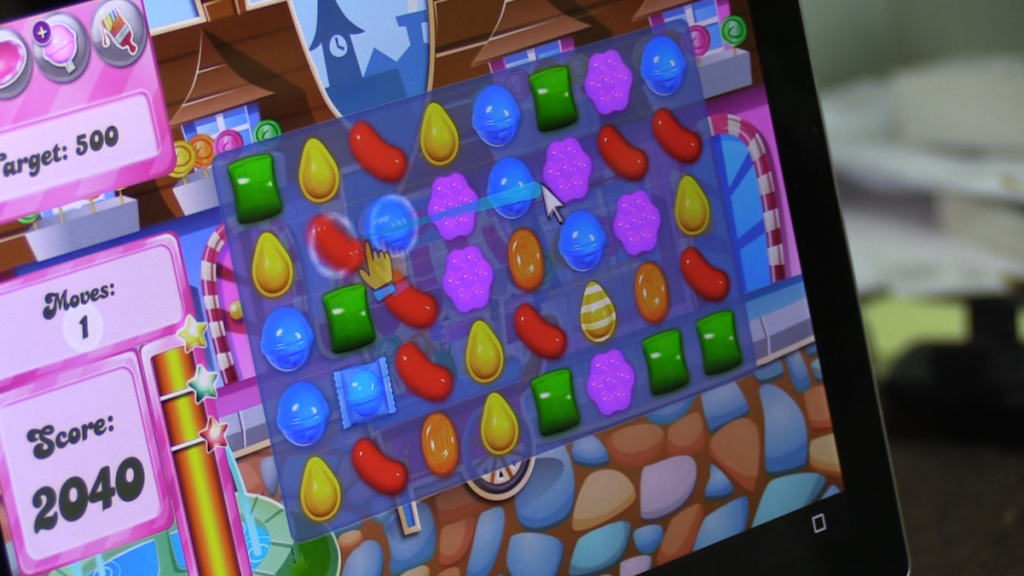
Founded by Giora Livne and Oded Ben Dov, the startup allows disabled people to control their Android smartphones by using voice and head movements. After Sesame Enable software is installed, users are able to make calls, send messages and even play video games like Candy Crush and Angry Birds by using the phone’s front-facing camera.
“The icon opens and I can start the user application,” said Livne in a video interview with The Times of Israel. “I can do everything with the phone. Even better than you.”
To start the app, you say “Open Sesame.” However, to cater for those who cannot talk or move their head as much as needed, the app can also be activated through finger movements or neck movements. The technology can be customized to the needs of users and has evolved based on customers’ feedback.
Livne is already thinking about new uses for the technology, saying it could also help non-disabled users with daily routines.
“If you cook in the kitchen and your hands are dirty, you don’t want to touch the phone, but you can use Sesame,” said Livne. “And when you play an instrument in the orchestra and you have to turn the page, you can turn it with Sesame.”









The Times of Israel Community.