 Add ToI as a Preferred Source on Google
LONDON — Critics of Robert Jenrick, who is locked in a tight race for the leadership of Britain’s Conservative party, paint him as a political opportunist who has transformed himself from socially liberal centrist to a Trump-backing right-winger as he courts the votes of grassroots members.
The 42-year-old former immigration minister “trims his sails to suit whichever political wind is blowing in the Conservative party,” one ex-colleague has said.
But, on one issue at least, Jenrick, who is married to “Israeli-born hot shot corporate lawyer” Michal Berkner, has proved unwavering and consistent: his support for Israel and Britain’s Jewish community.
Even in the UK, the fight to lead the Tory party, which concludes next week, is hardly grabbing the headlines. Labour won a massive parliamentary majority in July’s general election, which, despite the government’s stuttering start and falling popularity, many assume will be difficult for the Tories to overturn when Britons next go to the polls in five years.
Nonetheless, political volatility — many assumed that its landslide defeat in 2019 had consigned Labour to another decade on the opposition benches — and the Tories’ ruthless capacity for reinvention mean the next Conservative leader could still make it to Downing Street. Indeed, over the past century, only three out of the Tories’ 17 leaders have failed to become prime minister.
If he wins the vote of party members — ballots close on October 31 with the result due on November 2 — Jenrick is likely to solidify the Tories’ pro-Israel stance and hold Labour’s feet to the fire over its thus far mixed record of support for the Jewish state.
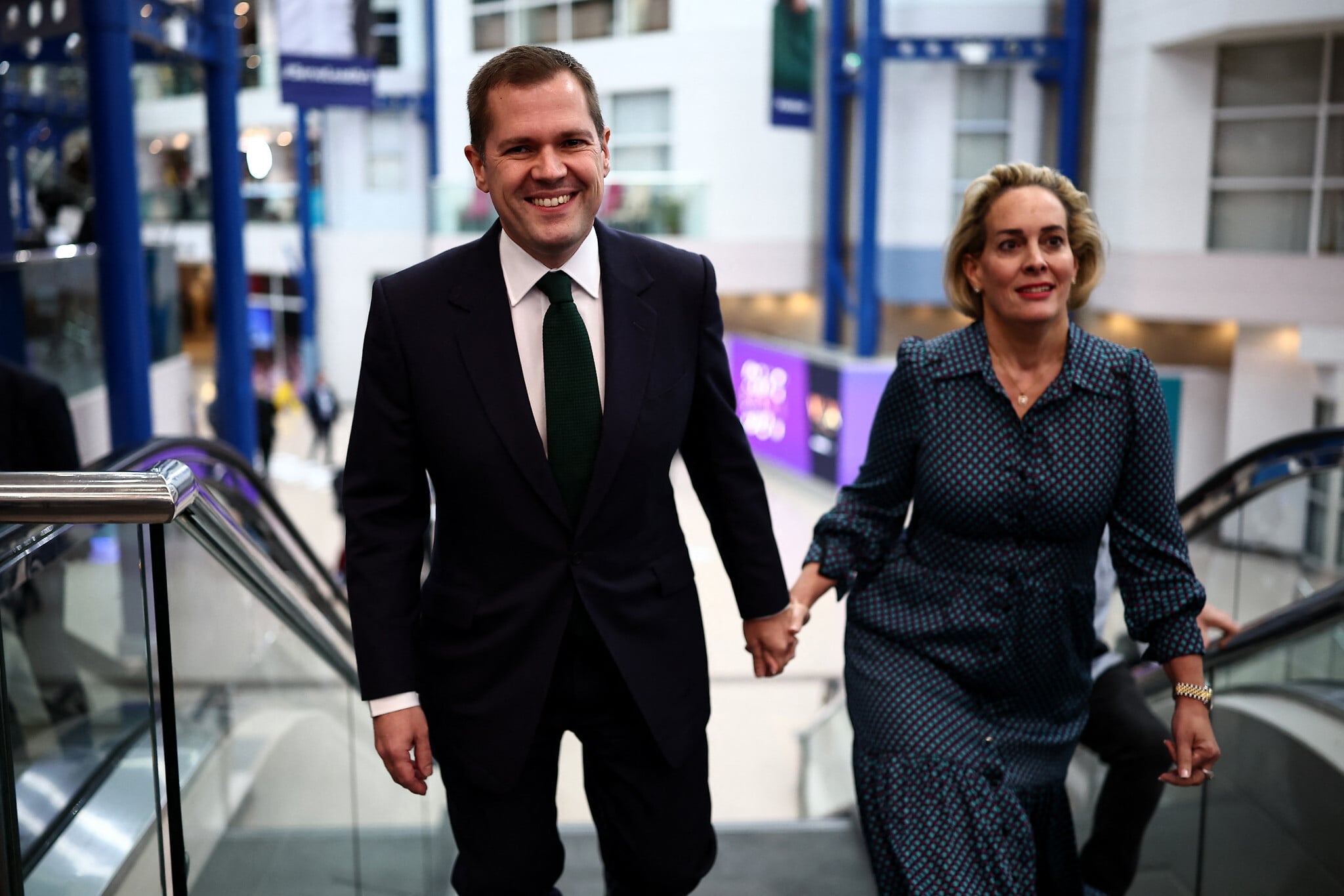
His support for Israel meshes the personal with the political. Berkner, 51, is the granddaughter of Holocaust survivors and reportedly sees herself as “a hardline supporter of Israel.” The couple’s three daughters are being raised Jewish; one of them has the middle name Thatcher in honor of Jenrick’s political hero, former prime minister Margaret Thatcher.
A prominent supporter of Conservative Friends of Israel (CFI) from the time he entered parliament in 2014, Jenrick rose swiftly through the ministerial ranks. By 2019, he was in the cabinet as Boris Johnson’s communities secretary. In the post, he made tackling antisemitism a key priority, pushed universities to adopt the International Remembrance Holocaust Alliance definition of antisemitism and was a strong advocate of the construction of the proposed UK Holocaust Memorial and Learning Center at Westminster.
‘Married to a Jew and with three Jewish daughters, I cannot imagine a Britain without our Jewish friends, neighbors and loved ones’
“Married to a Jew and with three Jewish daughters, I cannot imagine a Britain without our Jewish friends, neighbors and loved ones,” he told the Board of Deputies of British Jews in a 2019 speech.
Over the course of the four-month contest to succeed former UK prime minister Rishi Sunak, Jenrick has repeatedly advertised his backing for Israel.
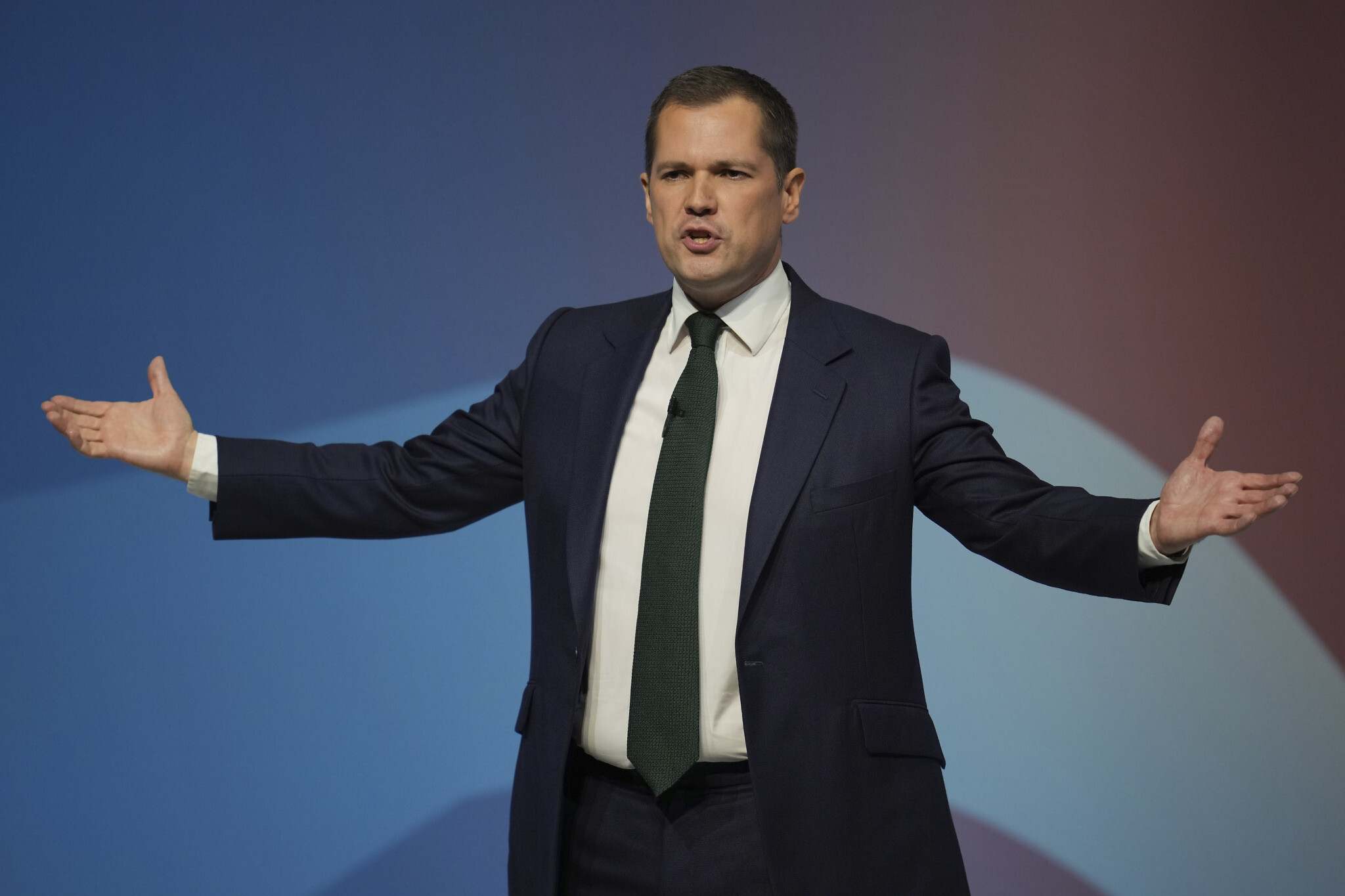
At this month’s Conservative party conference, he strongly defended the Jewish state and expressed skepticism about the likely character of a future Palestinian state.
“Israel is the only democracy in the Middle East,” he told delegates. “I’d love to think that there was a world in which a Palestinian state that was as democratic, as liberal, as free as Israel. That’s some way off.”

Speaking on the eve of the anniversary of the October 7, 2023, Hamas onslaught on southern Israel, he also urged Britons to show greater empathy with the Jewish state. “How would we feel if 1,200 men, women, children were murdered,” he asked. “If our fellow citizens were raped. If it was Glastonbury and not the Nova music festival? If we had on our doorstep terrorist organizations like Hamas and Hezbollah?”
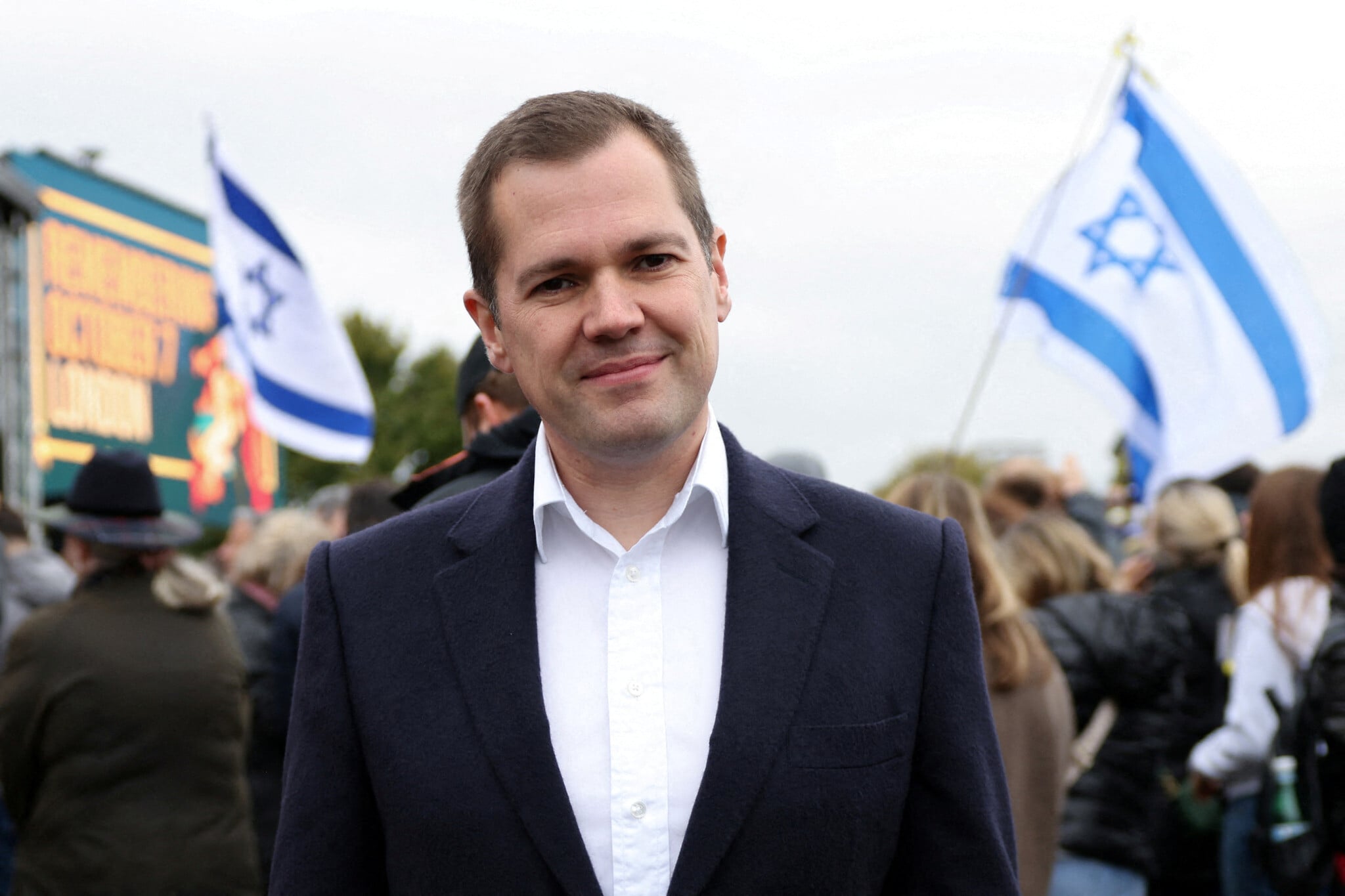
Jenrick himself attended a vigil outside Downing Street shortly after the massacre and addressed a mass rally against antisemitism in central London last November. The terror group’s defeat, he said on that occasion, would be “a blessing to this world.”
The infamous hoodie
Jenrick has accompanied that rhetorical support with eye-catching gestures and concrete policy pledges.
In September, for instance, a selfie of the former minister dressed in a hoodie emblazoned with the words “Hamas are terrorists” posted on social media drew the ire of Sky News TV anchor Kay Burley who asked on X (formerly Twitter): “Is running around London wearing a jumper that says ‘Hamas are terrorists’ appropriate for the would-be leader of the Tory party?”
Is running around London wearing a jumper that says ‘Hamas are terrorists’ appropriate for the would-be leader of the Tory party?
Robert Jenrick is still @VictoriaAtkins‘ candidate of choice.#KayBurley SG pic.twitter.com/SpTWVAFwJe
— Kay Burley (@KayBurley) September 24, 2024
Jenrick, however, was undeterred, and donned the hoodie again at CFI’s party conference reception. “Kay Burley said I was inciting people by doing that. I don’t know why we should be worried about inciting Hamas supporters,” he said. “They should be arrested.”
Jenrick’s comments reflect the tough stance he’s adopted towards anti-Israel demonstrators who have taken to the streets of the UK capital on numerous occasions since October 7.
‘If you come to this country, you abide by British values’
As immigration minister, for instance, he vowed to revoke the visas of visitors to the UK who were caught spreading “hate and division,” even if their actions didn’t fall foul of the law. “That is disgusting behavior. I don’t want to see that on our streets,” he told Times Radio last October. “I can’t look a British Jewish person in the eye as immigration minister and say I’ve allowed somebody to remain at our pleasure in this country, who is conducting themselves in that manner — that is wrong. If you come to this country, you abide by British values.”
Jenrick also repeatedly raised concerns about the policing of the demonstrations, stating in February: “We have allowed our streets to be dominated by Islamist extremists, and British Jews and others to be too intimidated to walk through central London week after week.”
Labeling the marchers not just “anti-Israel or anti-Jewish but anti-British,” Jenrick says that he has repeatedly urged the head of London’s Metropolitan police to take a harder line with demonstrators, citing the force’s failure to arrest a man who shouted “jihad” during a protest in the capital last year and its inaction when the words, “From the river to the sea” were projected onto Big Ben during a parliamentary vote on a ceasefire in February.
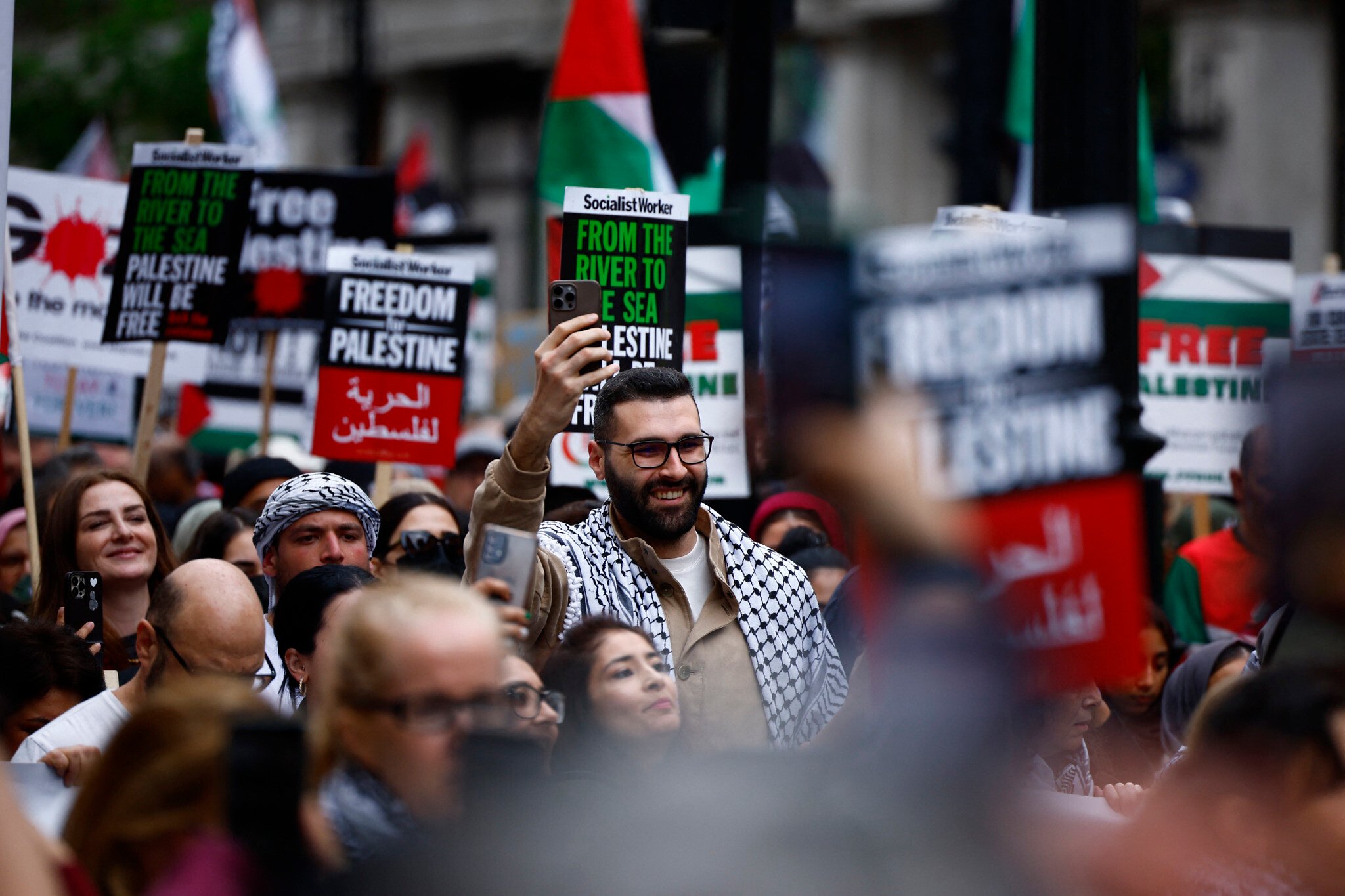
This approach hasn’t been without controversy. Earlier this summer, Jenrick was accused of Islamophobia when he said protesters shouting “Allahu Akbar” (“God is Great,” in Arabic) should have been immediately arrested by the police.
Above and beyond for Israel
But Jenrick’s comments underline his dissatisfaction with the previous Conservative government for not going far enough to support Israel.
He has, for instance, urged domestic legislation to be tightened to combat extremism. Jenrick wants a ban on organizations that don’t support terrorism but which he believes “harm our communities and public order” and has singled out a number of pro-Palestinian groups. (They, in turn, have accused Jenrick of engaging in “dog whistle politics at its most shameless,” and fighting a campaign rooted in “hatred, inciting divisions, rejecting freedoms, and disregarding fundamental human rights.”)
Jenrick has also said that, if he wins the leadership, the next Tory manifesto will “recognize Jerusalem as the legitimate capital of the State of Israel,” and move the British Embassy from Tel Aviv. “If the Foreign Office and the civil servants won’t do it, I’ll build it myself,” he said of his desire to see the UK embassy in Jerusalem.
And Jenrick has revealed that, during his time in the Home Office, he tried to push for visitors to the UK from Israel to be able to use airport e-gates (which are currently only open to Britons, EU citizens, and citizens of a handful of select friendly countries such as the US and Australia).
‘I want this country to be the most welcoming country in the world for Israelis and for the Jewish community’
“I want this country to be the most welcoming country in the world for Israelis and for the Jewish community,” he said. In what supporters call a “rhetorical flourish,” Jenrick went on to suggest his plan would mean that at “every airport and point of entry to our great country there is the Star of David there as a symbol that we support Israel, we stand with Israel.”
Such language has thrilled pro-Israel commentators. “He is willing to go the extra mile,” the Sunday Telegraph’s Zoe Strimpel wrote this month, adding: “I’ve long thought foisting the existence of Israel on incomers through its symbolic star would be a neat way to ruffle the right feathers.”
More substantively, Jenrick has made clear his frustration at the former Conservative government’s failure to proscribe Iran’s Islamic Revolutionary Guard Corps. Amid reports that Labour, which pledged to bring in a ban, is now having second thoughts, Jenrick wrote last month: “As a minister in government, I consistently argued behind the scenes for proscription of the IRGC. Sadly we did not win the argument within government, in large part because of a Foreign Office orthodoxy that sought to block all these moves, with vague reports of the brilliant access we gained by not banning the Iranian Guard.”
Elsewhere, Jenrick has described the Tories’ failure to proscribe the IRGC during their time in office as “a mark of shame.”
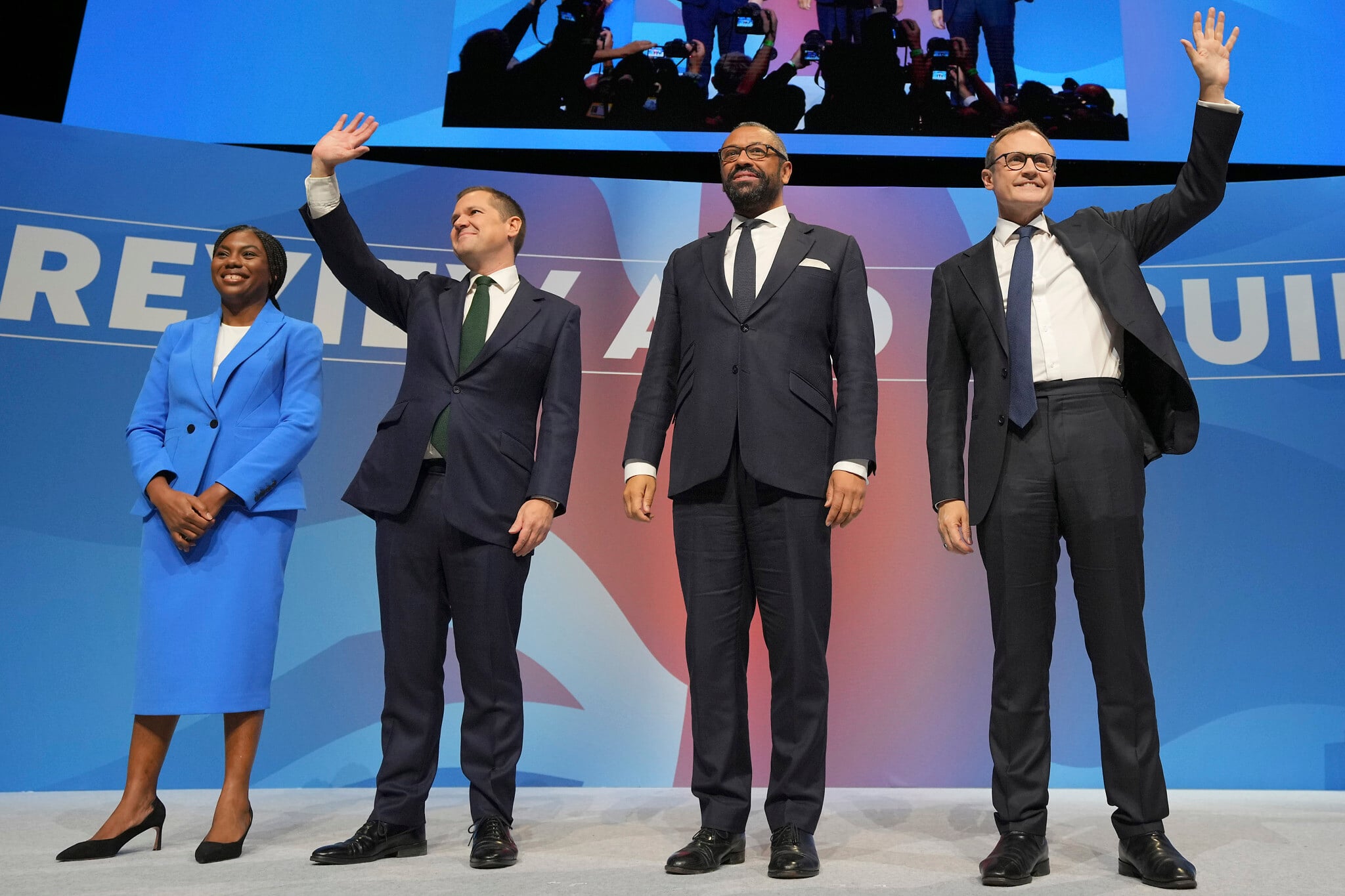
Despite expressing his support for Donald Trump, Jenrick says his model is Pierre Poilievre, leader of Canada’s opposition Conservative party and another staunch supporter of Israel.
But, unlike Poilievre, Jenrick will have to shake off the perception that he is a political chameleon.
“He’s a slick, smooth-tongued salesman with all the attributes of a crowd-pleaser, except the ability to please a crowd,” wrote The Times’ Matthew Parris, a former Conservative MP. Indeed, Jenrick has already been forced to deny that, if he wins the leadership, he’ll swiftly tack back to the political center to appeal to the wider electorate.
But Jenrick’s path to the British premiership is not without obstacles. Next week, he will find out if Tory members have picked him over his fellow contender for the leadership, former business secretary Kemi Badenoch. A right-wing, self-styled anti-woke warrior, she is a firm, but less vocal, supporter of Israel than Jenrick. If Jenrick clears that hurdle, he will then have to confront the political fallout caused by the Tories’ devastating defeat in July.

The Times of Israel Community.