

Human Rights Watch slams Egypt’s crackdown on green groups in runup to COP27
Group calls on planners to ensure UN climate confab is accessible to all, and that observers, including groups critical of government, can register, negotiate and protest freely
 Add ToI as a Preferred Source on Google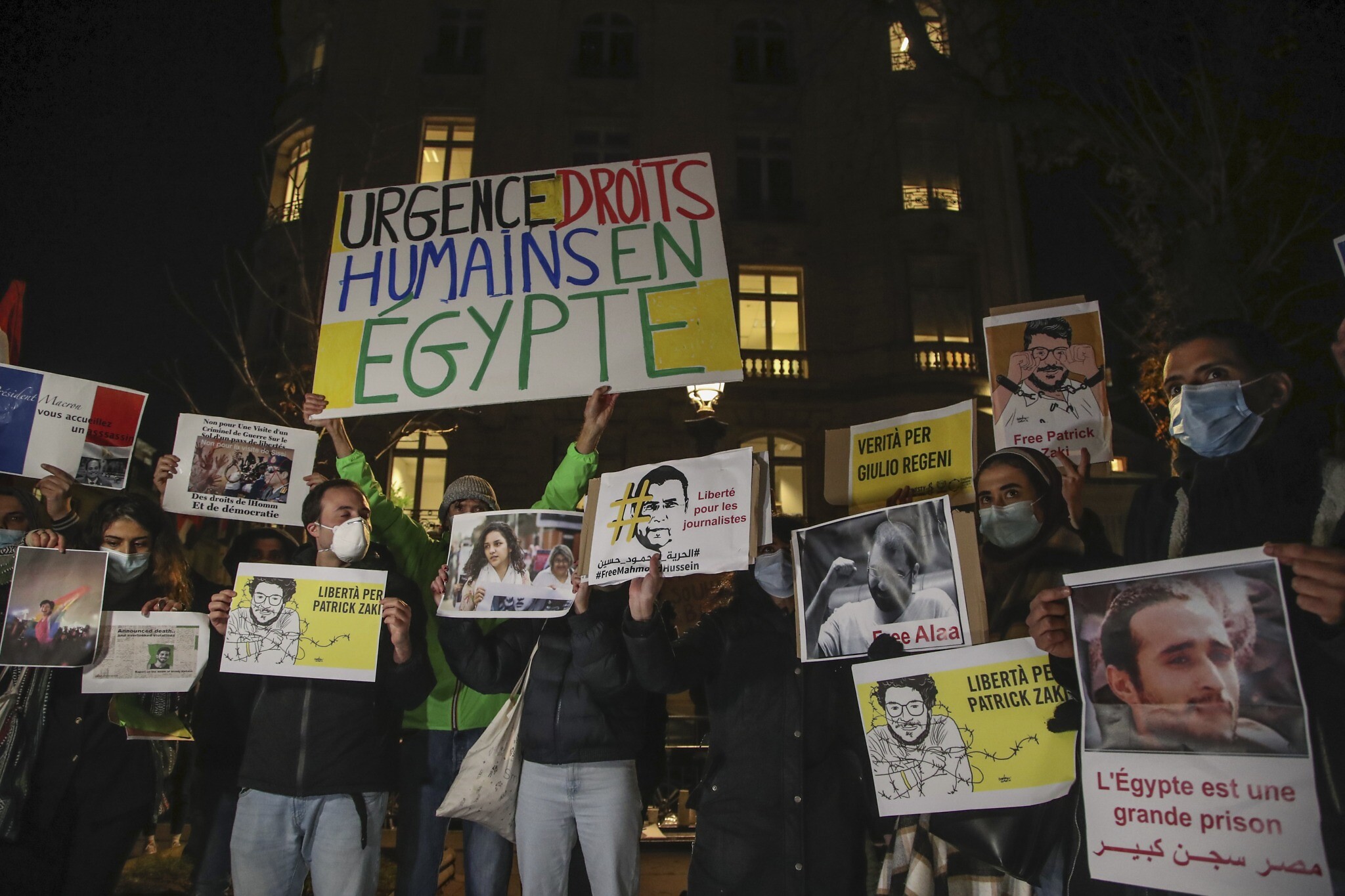
Human rights activists on Monday accused the Egyptian government — the host for November’s annual United Nations climate conference — of including local environmental groups in a general crackdown on civil society, in a way that threatened the country’s ability to meet its environmental and climate commitments.
Human Rights Watch called on those involved in planning the COP27 confab at the resort city of Sharm el Sheikh, beginning November 6, to work with the Egyptian government to “provide space for diverse civil society participation at the climate talks.”
This included “ensuring that premises are inclusive and accessible to all and that observers, including groups critical of the government, have access to registration, negotiations, and can protest and express their positions freely.”
It further said that the UN Secretariat should develop human rights criteria to which future country hosts of COP conferences would have to commit to meeting as part of the host agreement.
“It is fundamental for the Egyptian authorities to deliver visas on time for the COP27 participants and end all their unlawful surveillance and intimidation tactics,” the organization said in a press release.
Richard Pearshouse, environment director at Human Rights Watch, said, “The Egyptian government has imposed arbitrary funding, research, and registration obstacles that have debilitated local environmental groups, forcing some activists into exile and others to steer clear of important work.”
He added, “The government should immediately lift its onerous restrictions on independent nongovernmental organizations, including environmental groups.”
Interviews conducted by Human Rights Watch in June with 13 activists academics, scientists, and journalists working on environmental issues in Egypt revealed a “sharp reduction in the space for independent environment and climate work since President Abdel-Fattah el-Sissi’s government took office in 2014,” Human Rights Watch said.
Six additional people declined to be interviewed, variously citing security concerns or that government restrictions had forced them to stop their environmental work.
All those agreeing to talk said they had increasingly refrained from doing essential field research, both because they feared that they or the people they interviewed would be arrested, and because it had become almost impossible to get research permits, which typically involved one or more security agencies’ approval.
Several people said their groups had faced substantial difficulties registering as nongovernmental groups, according to the release.
Interviewees described harassment and intimidation tactics, including arrests and difficulties travelling — moves being used by the government against independent local and international groups more generally, “as part of a relentless crackdown on civil society,” according to Human Rights Watch.
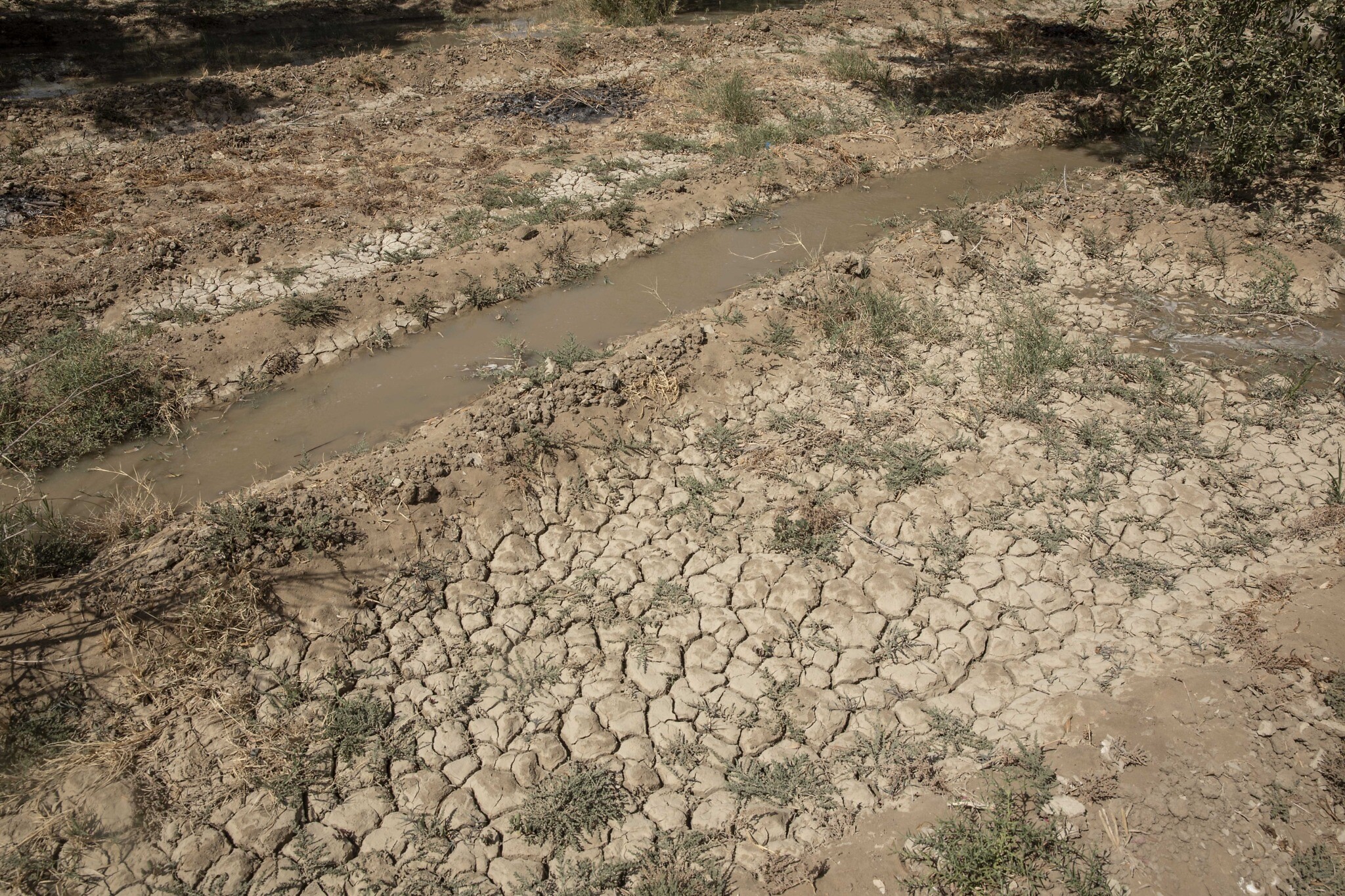
The most sensitive environmental issues were those that highlighted the government’s failure to protect people’s rights against damage caused by corporate interests, including issues relating to water security, industrial pollution, and environmental harm from real estate, tourism development, and agribusiness.
Also delicate were issues connected to the negative environmental impact of activities in which the Egyptian military had an interest, such as quarrying, water bottling plants, and some cement factories, as well as national infrastructure projects.
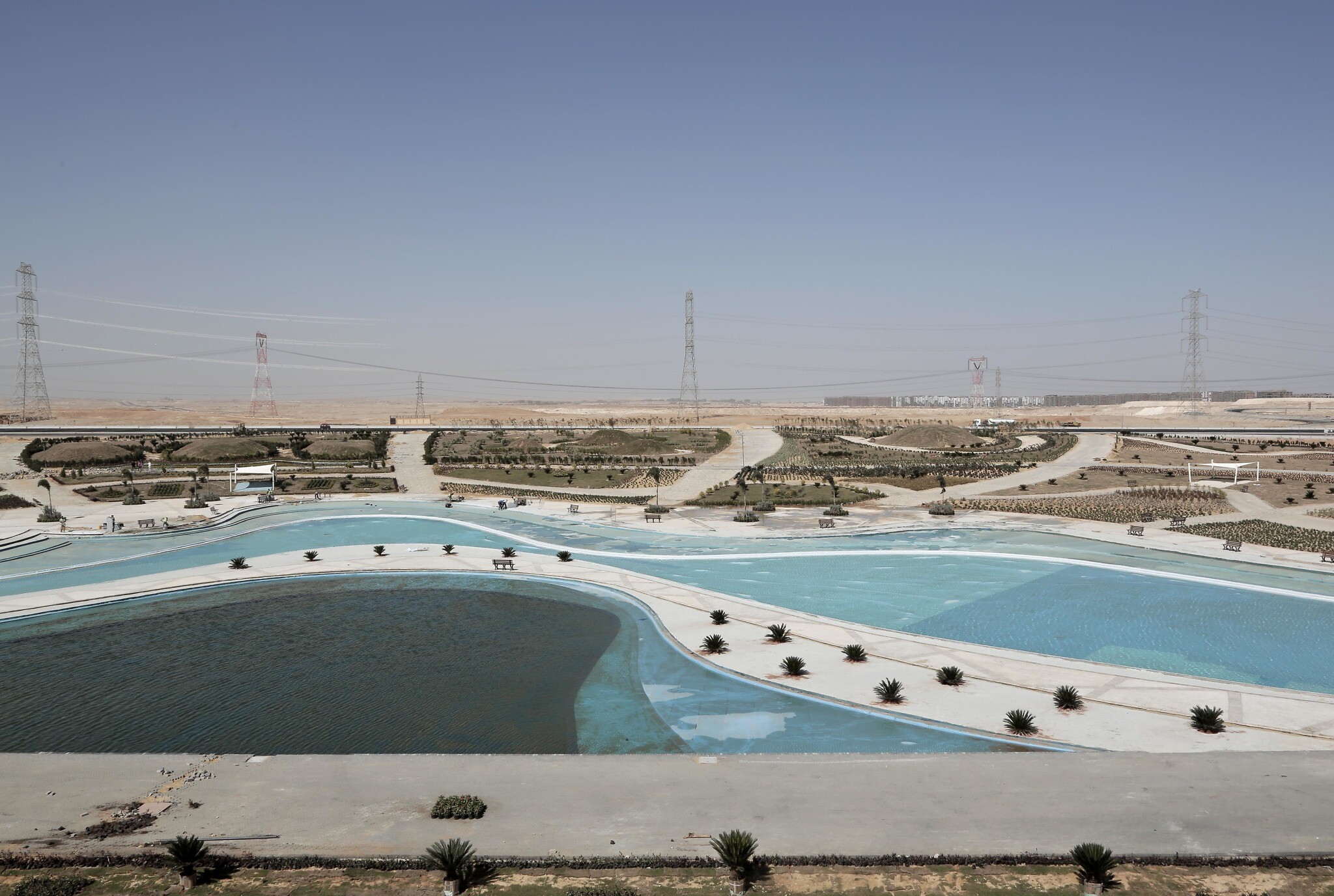
One of these projects is construction of a new national administrative capital, which began in 2015. The capital, which doesn’t have a name yet, is to be located 45 kilometers (28 miles) east of Cairo, in an area halfway to the seaport city of Suez.
“[These national infrastructure projects are] a red line,” one person said. “I can’t work on this.”
Several people said their organizations, widely regarded as the leading ones in Egypt, had been weakened severely by government restrictions and a pervasive sense of fear and uncertainty, Human Rights Watch charged. This left them unable to fulfill their watchdog role on abuses of government power.
Several laws introduced since Sissi entered power in 2014 “arbitrarily restrict grants and donations from foreign and national sources,” HRW said.
“They’re so paralyzed by the possibility of what could happen that they do nothing,” one veteran Cairo activist said.
“Increasingly since 2014, the government has prosecuted dozens of independent human rights and civil society organizations, some of them doing environmental work, for receiving foreign funds, and imposed travel bans and asset freezes on leading activists. Such prosecutions have had a chilling impact on these groups,” Human Rights Watch said.
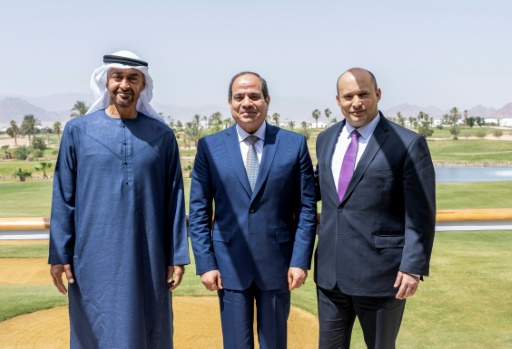
At the same time, some people described a recent expansion of official tolerance for environmental activities that are easily reconciled with government priorities and not perceived as critical of the government.
They cited being able to work mainly in technical fields, such as trash collection, recycling, renewable energy, food security, and climate finance.
Pearshouse said, “The world needs more climate activism, not less, and there can be no such effective activism when the government treats civic groups as a threat, not an asset.”
“The UN Framework Convention member states and the Secretariat should press the Egyptian government to make sure environmental groups feel it is safe to engage in and beyond the COP.”
The Egyptian government did not respond to Human Rights Watch’s questions.








The Times of Israel Community.