

IDF chief summons top military commanders ahead of sanctions over Oct. 7 failures
Officials summoned by Zamir include Air Force, Navy chiefs, other top generals; Zamir said looking to rebuild trust in IDF after military-led Oct. 7 probes were found inadequate
 Add ToI as a Preferred Source on Google
Emanuel (Mannie) Fabian is The Times of Israel's military correspondent
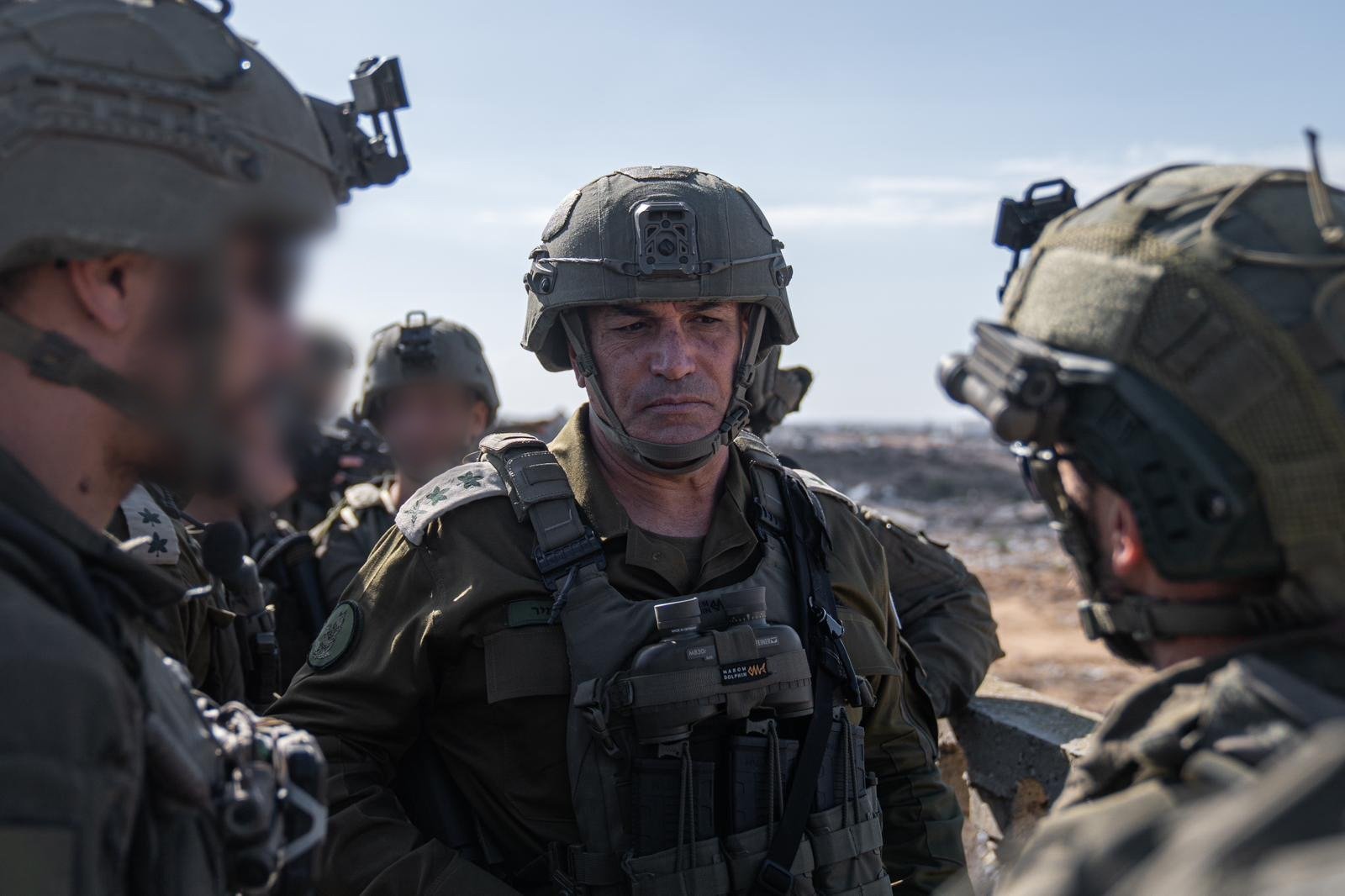
Israel Defense Forces Chief of Staff Lt. Gen. Eyal Zamir on Sunday summoned senior officers who had roles in the failures surrounding the Hamas-led October 7, 2023, attack, with the intention of issuing sanctions against them, according to the military.
Zamir said earlier this month that he would make “personal decisions” regarding senior officers based on the findings of a probe conducted by an external panel of experts, including potentially dismissing some of them from the military.
Zamir was set to conclude the meetings by Sunday evening, with the IDF then expected to issue a statement with the details.
As of Sunday, the IDF had not officially detailed the names of all the officers who were summoned, or the sanctions that Zamir was to levy against them.
The IDF’s initial October 7 investigations were led by former chief of staff Herzi Halevi.
In one of his first decisions upon entering the chief of staff role in March, Zamir appointed the external panel to examine those probes. That panel found that most of investigations were inadequate, and some were unacceptable.
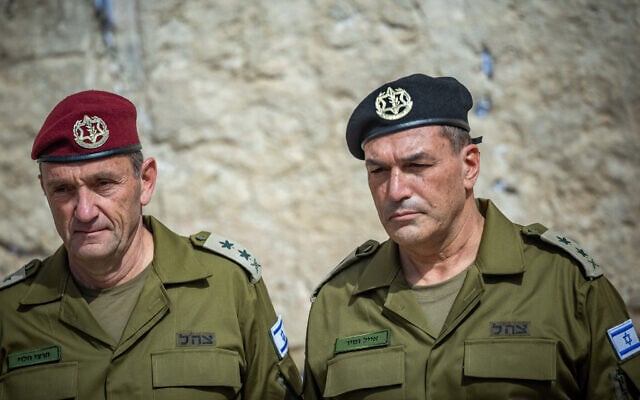
Some of the officers have already retired while others are still in the military. The IDF said Sunday that Zamir’s decisions were made after a long period of consideration.
The military said that the “personal decisions” are a necessary step in the IDF’s growth process, in order to strengthen public trust in the army and between commanders and their subordinates.
In addition to the meetings between Zamir and the senior officers, similar discussions are being held at lower ranks, according to the IDF.
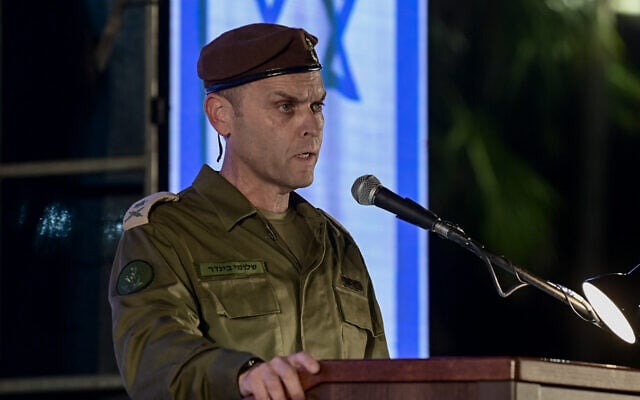
Among those to be summoned are the current chief of the Intelligence Directorate, Maj. Gen. Shlomi Binder, who on October 7 headed the Operations Division. Binder’s appointment to the intelligence chief role was considered controversial and was met with protests from some lawmakers and the families of some fallen soldiers.
Zamir also summoned former Southern Command head Maj. Gen. Yaron Finkelman, who resigned from the position earlier this year.
Other senior officers who were summoned by Zamir included Israeli Air Force chief Maj. Gen. Tomer Bar; Navy chief Vice Adm. David Sa’ar Salama; former Operations Directorate Maj. Gen. Oded Basiuk; former Intelligence Directorate chief Maj. Gen. Aharon Haliva; and former Gaza Division commander Brig. Gen. Avi Rosenfeld.
Lower-ranking officers were summoned by Deputy IDF Chief of Staff Maj. Gen. Tamir Yadai. Among them was Col. Ariel Lubovski, who served as the intelligence officer of the Southern Command on October 7.
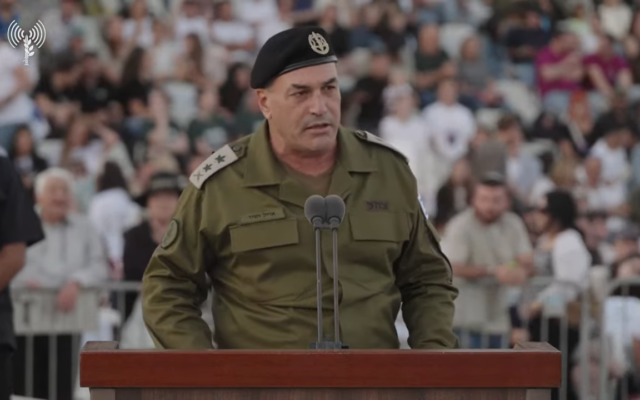
After the panel of former senior military officers determined last week that most of the military’s top-tier investigations into its failures were either inadequate or unacceptable, Zamir said that while the military was fully responsible for the failures on October 7, to reach full conclusions an “external” commission of inquiry must be established.
Zamir notably avoided calling for a state commission of inquiry, which the government opposes despite surveys consistently showing an overwhelming majority of the public supports it.
Last week, the government voted to launch its own self-mandated inquiry, which critics have said will look to whitewash the government’s responsibility, arguing that those who were in power on October 7 shouldn’t control the committee that investigates the attack.




The Times of Israel Community.