

IDF declares trial of women combat engineers in elite Yahalom unit a success
During 2.5-year pilot program, female soldiers joined hundreds of engineering operations in Gaza and northern front, army says
 Add ToI as a Preferred Source on Google
Emanuel (Mannie) Fabian is The Times of Israel's military correspondent

The Israel Defense Forces on Friday deemed a pilot program integrating female recruits into the Combat Engineering Corps’ elite Yahalom unit a success, paving the way for women combat engineers to become a permanent role in the military.
The program, which began two and a half years ago, was intended to examine the integration of women in Yahalom, as part of efforts by the IDF to open up more roles for female fighters.
During that time, three cohorts of female troops were recruited to Yahalom and underwent “a unique training track that included specialization in operating special platforms, advanced technologies, and meeting the operational standards” of the elite unit, according to the IDF.
The military said that over the past two years, officers in the corps and the Ground Forces “refined the operational role of the female soldiers in light of the operational needs.”
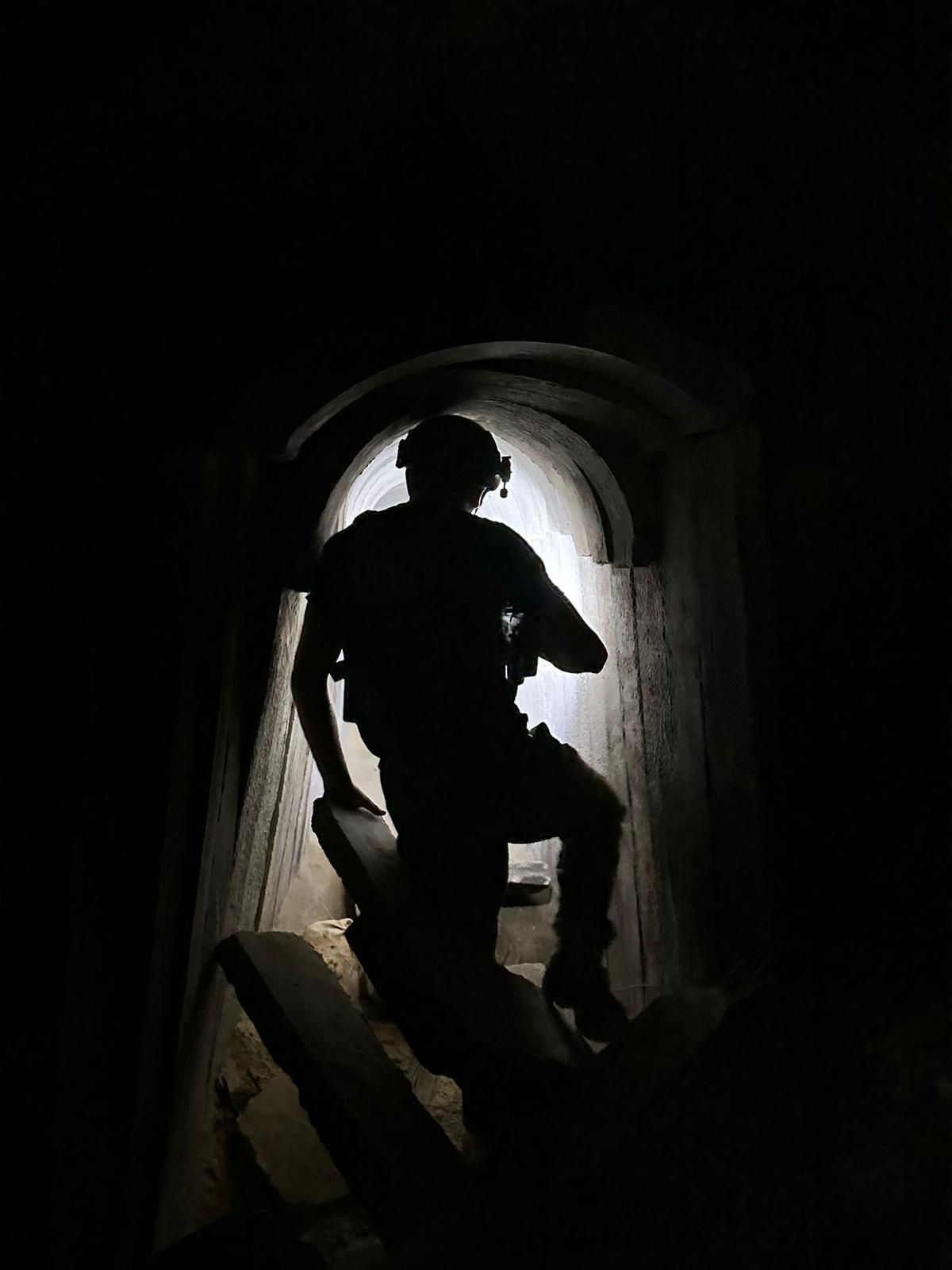
The female combat engineers were “integrated into hundreds of operational activities” on the northern front and in the Gaza Strip, and they “contributed significantly to the unit’s capabilities, and demonstrated professionalism, determination, and high motivation,” the IDF said.
IDF Chief of Staff Lt. Gen. Eyal Zamir has concluded that the pilot was a success and instructed “to continue the integration model of female combat soldiers in Yahalom as part of the overall approach to strengthening the Combat Engineering Corps’ combat array and integrating women into combat roles throughout the IDF,” the military said.
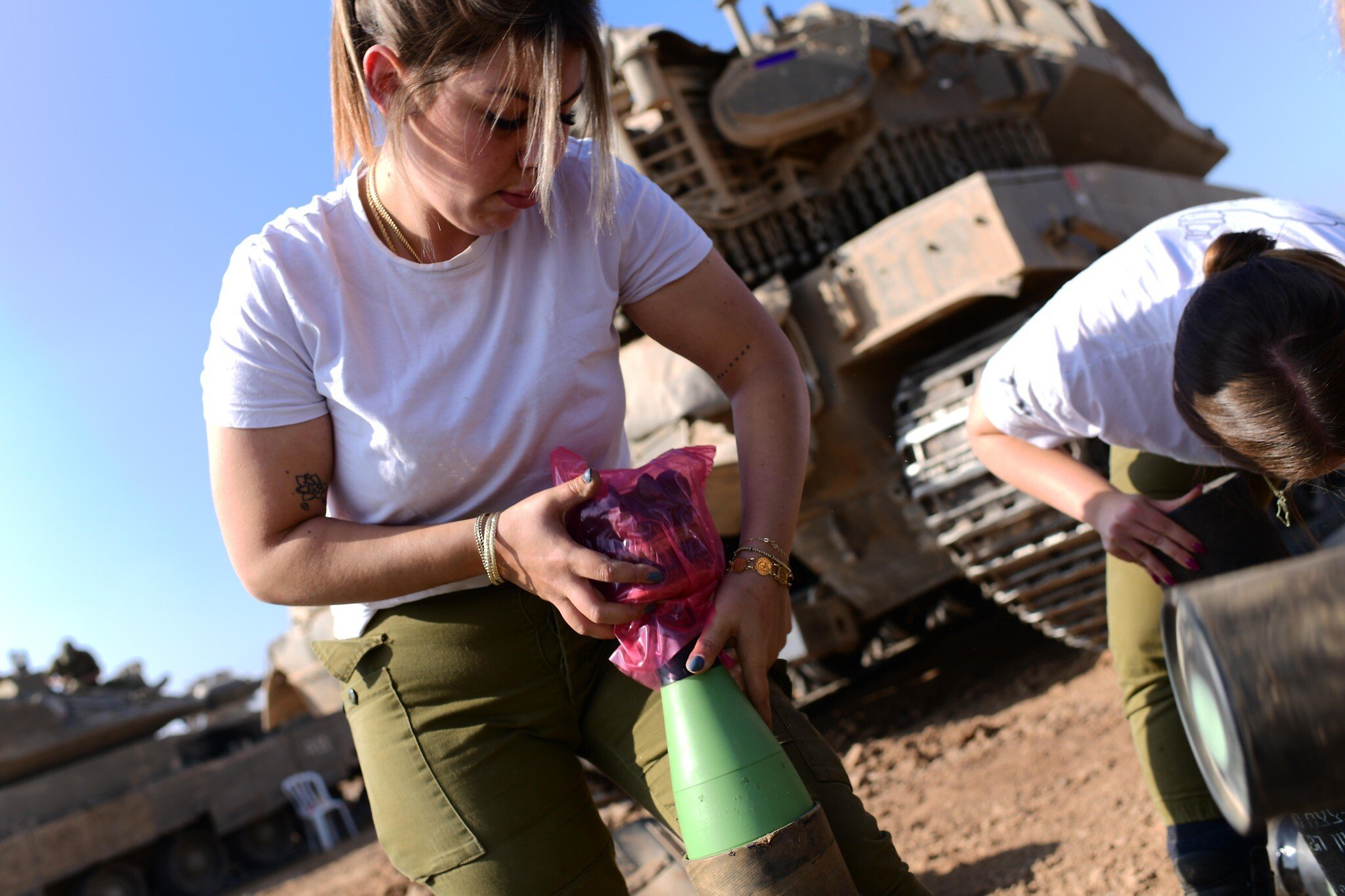
Women already serve in a variety of combat roles in the IDF, in many cases alongside male counterparts, including in the Border Defense Corps, Artillery Corps, the Oketz canine unit, the Home Front Command’s Search and Rescue Brigade, the Israeli Air Force, and the Navy.
The military is also in the midst of running a pilot program for female troops to serve in the elite Sayeret Matkal unit and the Israeli Air Force’s elite search and rescue Unit 669, but has meanwhile delayed a planned pilot program for female soldiers to serve in the Armored Corps.
Critics of gender integration in the military often decry it as a dangerous experiment with potential ramifications for national security, while defenders hail it as a long-needed measure that puts Israel on par with other Western countries.
Detractors note that some requirements for female combat soldiers have been lowered — which they say is a sign that effectiveness is being sacrificed — and that servicewomen suffer stress injuries at a higher rate.
The army has insisted in the past that it is allowing more women to serve in combat positions out of practical considerations, not due to a progressive social agenda.
Women soldiers were directly involved in battles to defend against Hamas’s October 7 onslaught, including an all-female tank company that fought for hours, killing dozens of terrorists along the border and in communities attacked by the terror group.
Female soldiers were also among those killed by Hamas and among those taken hostage alongside their male counterparts.

Amid the ground offensive in the Gaza Strip, female soldiers have been on the frontlines. In September 2024, Staff Sgt. Agam Naim, 20, a paramedic with the 401st Armored Brigade, was killed in an explosion in Rafah.
The heroic and effective conduct of female combat soldiers during the attacks seems to have significantly boosted the argument for further integration into combat roles, as well as high turnout among female draftees.
The IDF has said it urgently needs 12,000 recruits due to the strain on standing and reserve forces caused by the war against Hamas in Gaza and other military challenges. Legislation being laid out in the Knesset would continue to grant military service exemptions to full-time yeshiva students — some 80,000 of whom are currently eligible for military service — while ostensibly increasing conscription among graduates of Haredi educational institutions.






The Times of Israel Community.