

IDF to draw down reserve deployments by 30% amid soaring fatigue, falling turnout
Troop reductions said to begin in Gaza, West Bank, and northern front lines, as army shifts to regular forces; reservist turnout sinks below 60%
 Add ToI as a Preferred Source on Google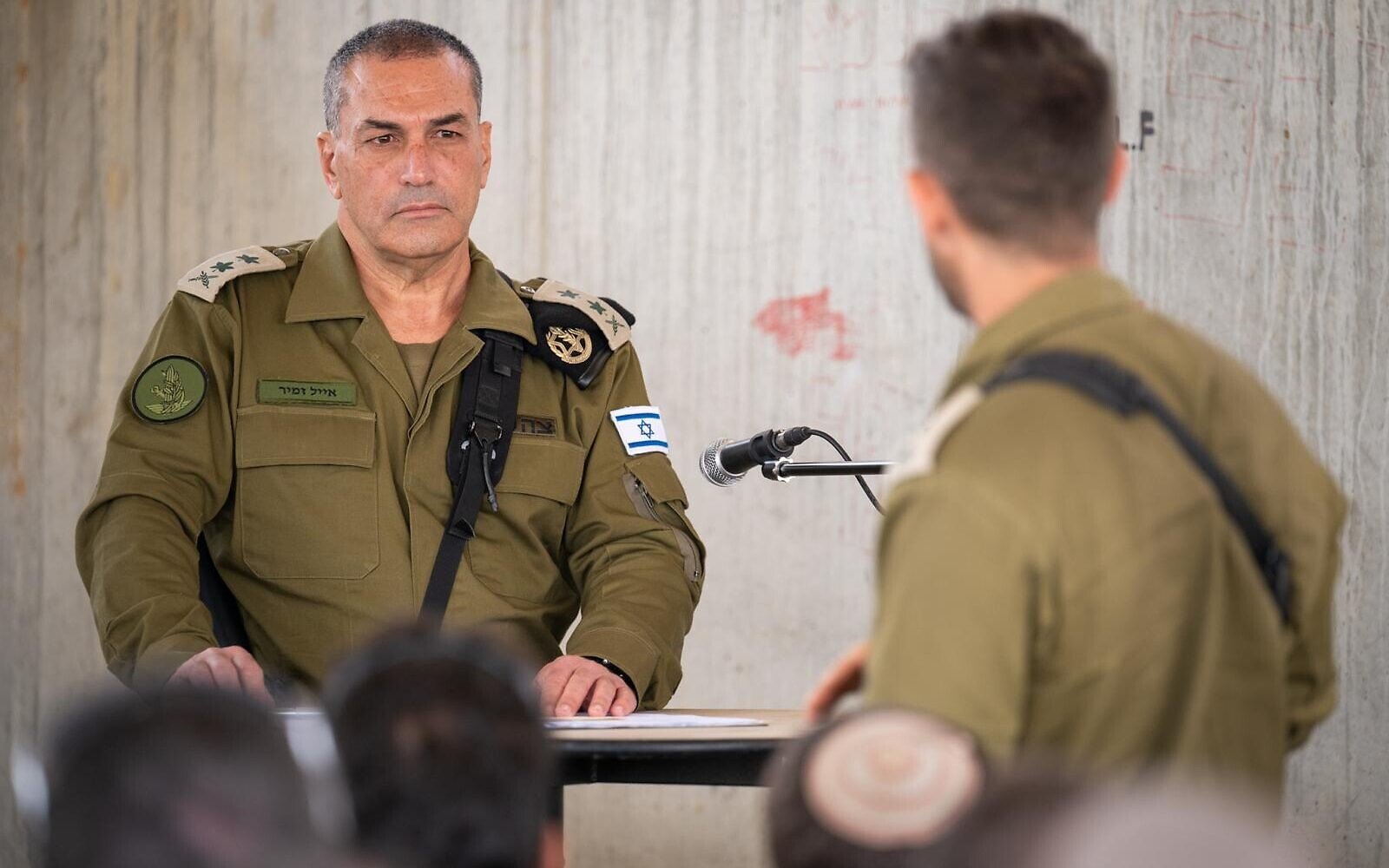
Facing rising fatigue among troops and growing public discontent, IDF Chief of Staff Lt. Gen. Eyal Zamir on Monday reportedly ordered a 30% reduction in the number of reservists deployed to active combat zones in the coming months.
The move, first reported by Army Radio, will be carried out gradually in Gaza, the West Bank, and along the northern borders with Lebanon and Syria. It is intended to ease the mounting burden on Israel’s reserve corps, which has carried the bulk of the military load since Hamas’s October 7, 2023, invasion of southern Israel triggered war across several fronts.
A source familiar with the matter confirmed the plan to The Times of Israel. The decision is based on manpower issues rather than an easing of security tensions, and the source emphasized that the reduction could be reversed in the case of major military escalation, such as a renewed confrontation with Iran or a large-scale operation in Gaza.
The IDF has yet to officially confirm the decision.
The shift comes amid a significant decline in reservist turnout — a dramatic contrast to the 120% participation rate seen on October 7. According to the IDF, participation levels have since dropped to less than half of that.
At the start of the war, nearly 300,000 reservists were called up. By comparison, the IDF has about 100,000 active-duty soldiers, whose mandatory conscription periods have been extended by emergency wartime legislation.
Speaking to troops in Gaza City on Sunday, Zamir hinted at the policy shift, saying the army would “implement new operational formations that will enhance our strengths, reduce our vulnerabilities, and deepen operational gains. These will increasingly pressure Hamas and reduce the erosion of our forces.”
A senior military source familiar with the new plan said the IDF will seek to replace many reserve units in the field with standing army troops, even if it means a smaller overall force in places like Gaza, Army Radio reported.
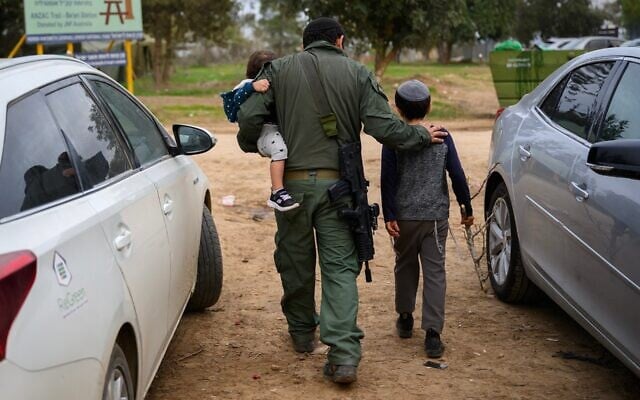
In that sector, most reserve units will be released in the coming weeks, with only one new reserve brigade expected to take their place. In the West Bank, currently held almost entirely by reserve battalions, regular army troops will gradually take over. A more limited drawdown is expected along the northern front.
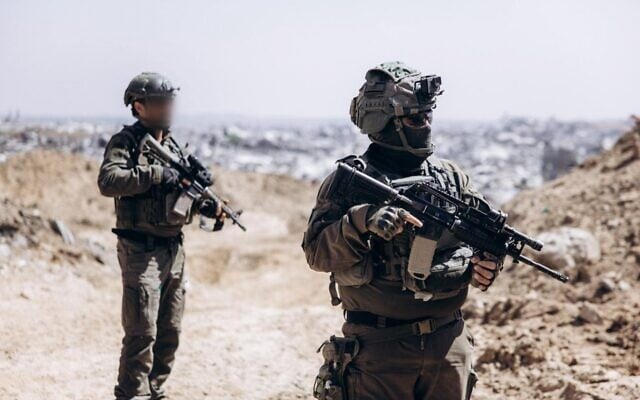
The drop in turnout is attributed to widespread fatigue, economic hardship, outrage over ongoing Haredi draft exemptions, and a deepening lack of faith in the government as the war has continued to drag on for nearly two years.
Concerns are also mounting over the mental and physical toll taken by repeated service. A investigation by the Haaretz daily in May found that hundreds or even thousands of psychologically wounded soldiers — including some who had previously reached out to the Defense Ministry for support — were called up again ahead of the IDF’s latest offensive in Gaza.
According to the report, the army has no comprehensive record of all psychologically injured troops, and gaps between the Defense Ministry and the military have left commanders blind to some soldiers’ trauma history.
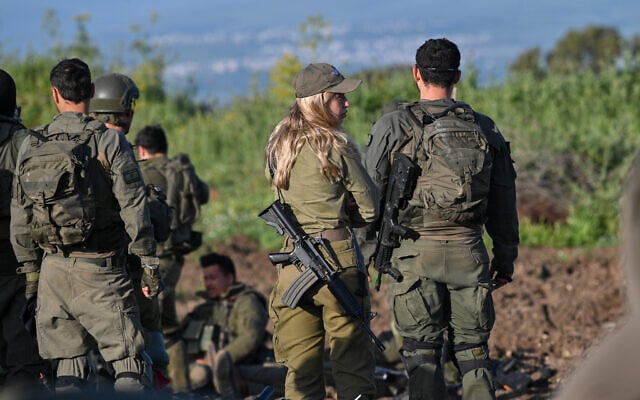
“People simply aren’t coming. They’re exhausted and have problems at home and at work. So we’re recruiting others, including some who aren’t 100 percent,” an officer in an armored battalion told Haaretz.
Most recently, on June 13 the IDF announced it was again calling up reservists from multiple units “for defense and offense across all arenas,” including the start of operations related to Iran — further taxing the already overstretched manpower system.




The Times of Israel Community.