

In Israel, Deri milks you
News that a corrupt minister may be corrupt pushes Trump off the front page, though pundits still have plenty of disgorging to do about the visit
Joshua Davidovich is The Times of Israel's Deputy Editor
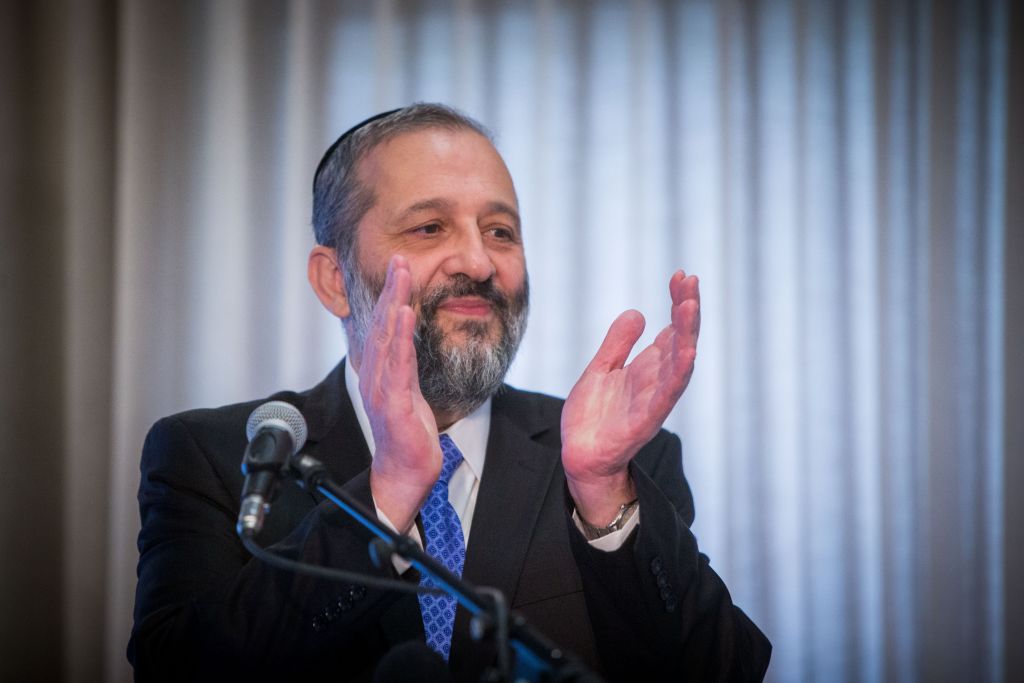
Israel was just finally getting over the shock that US President Donald Trump, a man with no diplomatic experience, failed to make any diplomatic progress here, when it is hit with another surprising development Friday morning: A corrupt politician may — gasp — be corrupt.
News that Interior Minister Aryeh Deri is being investigated for corruption — the same Deri that spent years in jail on graft charges over a decade ago — garners major headlines in two of Israel’s three major dailies.
Israel Hayom (while claiming wrongly to have an exclusive) makes sure to note in its lede that Deri (and his wife) “is back in the interrogation room, 18 years after being investigated” by the same unit, with the minister in trouble over “real estate dealings and tax issues.”
Haaretz, by contrast, takes the story further, with a headline noting that “Market leaders funneled millions of shekels into the coffers of a foundation run by Deri’s family.” The exposé details how much these tycoons gave to the NGO run by Deri’s wife Yaffa, with banking and cruise magnate Sheri Arison milked for a cool NIS 950,000, according to the report.
“In 2001, the CEO at the time said he had receipts proving that both state and private funds passed to the NGO had been used for the Deris’ private use, including a trip abroad, clothes, food and even stock market shares,” the paper reports.
Yedioth, which appears to not having gotten clued in to the Deri story, leads off with a different domestic piece about the race for the head of the Histadrut labor union. “The Histadrut is in his hands,” the paper’s headline reads, giving victory to current head Avi Nissenkorn, even though the counting has yet to finish.
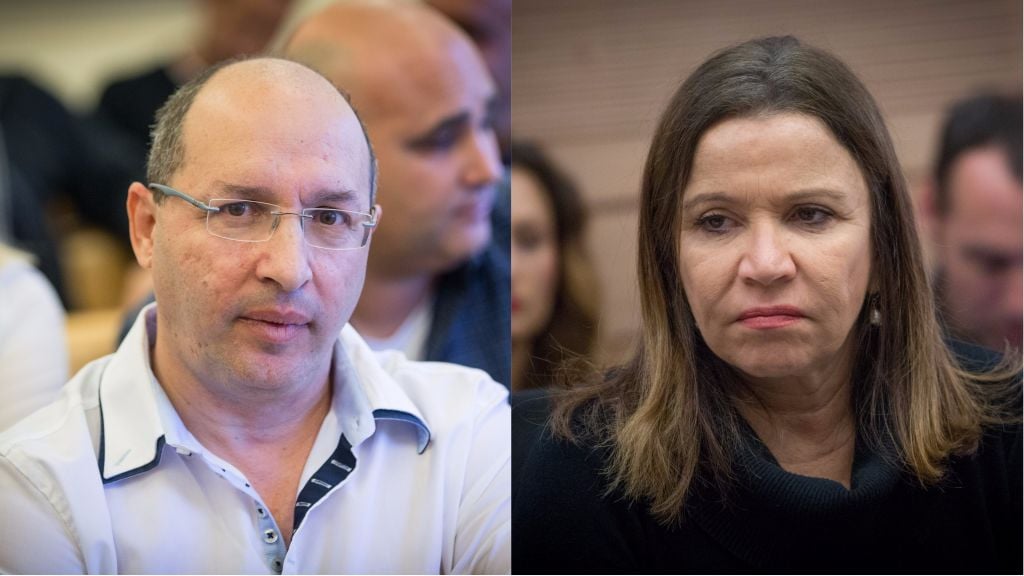
Columnist Yuval Karni calls the loss by also-ran Shelly Yachimovich one too many, noting that her political fortunes have steadily fallen since losing to Netanyahu in 2013 Knesset elections, when she headed the Labor Party. “From a parliamentarian point of view, she’s the best there is, but from a political standpoint she’s a loser,” the whole Labor Party is quoted saying. The loss is chalked up to her inability to transform social media popularity into real votes. “She’s a 10 at tweeting, but you don’t win elections on social media,” the Labor Party’s ethereal voice intones.
Clearly, this voice has never heard of tweeter in chief Donald Trump, who did do just that. Trump’s visit is history, but with the weekend edition allowing more column inches, columnists dredge the two-day visit back into the limelight, especially amid reports that there is now a peace talks push underway.
In Haaretz, Chemi Shalev dismisses the notion that Trump can bring peace if former US Secretary of State James Baker failed in 1991.
“Even though more than a quarter of a century has passed, some of the obstacles and dilemmas faced by Baker will challenge Trump’s advisers no less,” he writes. “Most of them fall under the category of the chicken or the egg – what comes first and what later, who will dare to make the first concessions and risk being left with nothing to show in return.”
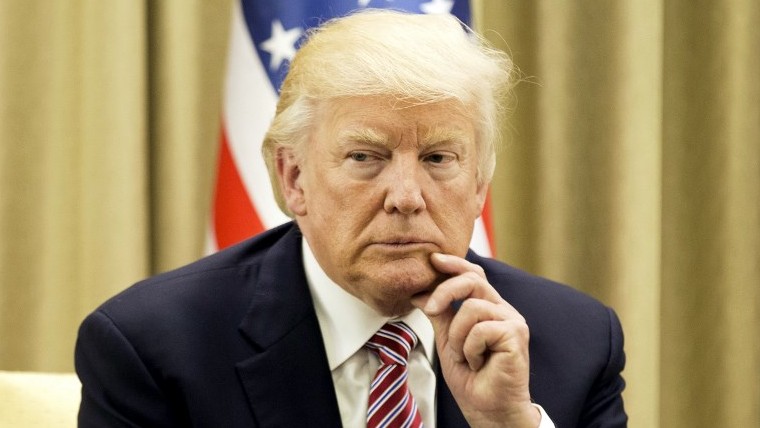
In Yedioth, though, Orly Azulay notes that sources close to Trump say he is moving forward with a two-state plan, basically the same idea pushed by his predecessors. “Trump isn’t reinventing the wheel … But now Trump is building on his unorthodox ability as a businessman to manage negotiations and the knowledge that neither Israel nor the Palestinians want to be the ones that tell him no,” she writes.
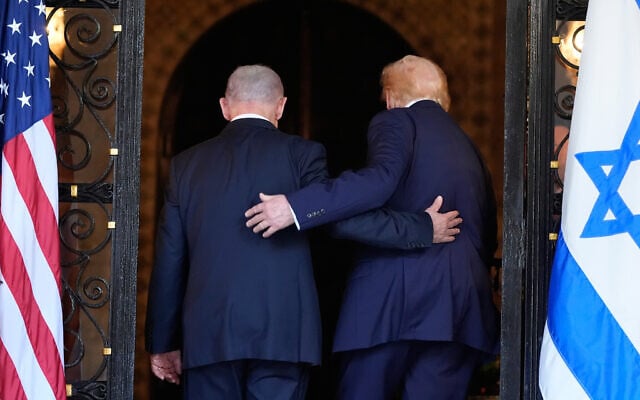
In a similar vein, Israel Hayom’s Dan Margalit says Trump’s honey-sweet speeches were merely a distraction from real policies being enunciated by Secretary of State Rex Tillerson.
“Anyone that saw Tillerson’s asinine explanation heard explicitly that he is adopting the Arab stance that solving the Israeli-Palestinian conflict is the key and condition for Middle East stability, and not the other way around. To Benjamin Netanyahu’s dismay, a regional agreement will not come in advance a deal with the Palestinians. He also left no doubt that while the speeches were refreshing, Trump quickly put pressure on Netanyahu and Palestinian Authority President Mahmoud Abbas,” he notes. “Given this, it’s clear the US Embassy won’t be moving to Jerusalem anytime soon. It’s safe to assume that Trump will turn a blind eye to a drizzle of building in the settlement blocs (like George W. Bush), but Israel will not annex even a single grain of sand in the West Bank.”
Pundits also continue to look at Trump’s massive Saudi arms deal, seeing it as a piece of the peace talks puzzle.
Yedioth’s Alex Fishman says the US is offsetting whatever dangers it may pose to Israel by creating a regional opening, and wondering if Netanyahu will take it. All Israel needs to do is take a baby step.
“The Saudis are not demanding a peace deal. They want a small step, like turning Area C land into Area B, something initial that will allow Israel to take part in their coalition. At the same time, the Saudis intend to start on steps toward normalizing relations, including giving out visas to Israeli businessmen,” he writes. “Now Netanyahu needs to decide. Does he want to offset the arms race and be accepted as a member of the Middle Eastern community, a dream of Zionist leaders for generations, or does he want to keep the coalition with Jewish Home lawmakers Naftali Bennett and Bezalel Smotrich?”
Haaretz’s Amos Harel says Israeli friendship with Saudi Arabia, bought with Jerusalem’s not making a fuss, is well and good, but who’s to say the Kingdom, and its cool new weapons, will stay that way.
“Israel’s silence — with the exception of Lieberman’s generalized comments — about the planned provision of such a massive amount of advanced US weapons to Saudi Arabia’s not very stable government is interesting,” he writes. “Rulers, as the shock waves that have been hitting the Arab world for six years now have reminded us, come and go. But F-15s, precision-guided munitions and cybertechnology remain for the use of the next regime.”


The Times of Israel Community.