

Israel-Hamas shadow war follows Palestinian expats to Malaysia
Kuala Lumpur is home to large Palestinian community, and a growing Hamas presence

 Add ToI as a Preferred Source on Google
Avi Issacharoff, The Times of Israel's Middle East analyst, fills the same role for Walla, the leading portal in Israel. He is also a guest commentator on many different radio shows and current affairs programs on television. Until 2012, he was a reporter and commentator on Arab affairs for the Haaretz newspaper. He also lectures on modern Palestinian history at Tel Aviv University, and is currently writing a script for an action-drama series for the Israeli satellite Television "YES." Born in Jerusalem, he graduated cum laude from Ben Gurion University with a B.A. in Middle Eastern studies and then earned his M.A. from Tel Aviv University on the same subject, also cum laude. A fluent Arabic speaker, Avi was the Middle East Affairs correspondent for Israeli Public Radio covering the Israeli-Palestinian conflict, the war in Iraq and the Arab countries between the years 2003-2006. Avi directed and edited short documentary films on Israeli television programs dealing with the Middle East. In 2002 he won the "best reporter" award for the "Israel Radio” for his coverage of the second intifada. In 2004, together with Amos Harel, he wrote "The Seventh War - How we won and why we lost the war with the Palestinians." A year later the book won an award from the Institute for Strategic Studies for containing the best research on security affairs in Israel. In 2008, Issacharoff and Harel published their second book, entitled "34 Days - The Story of the Second Lebanon War," which won the same prize.
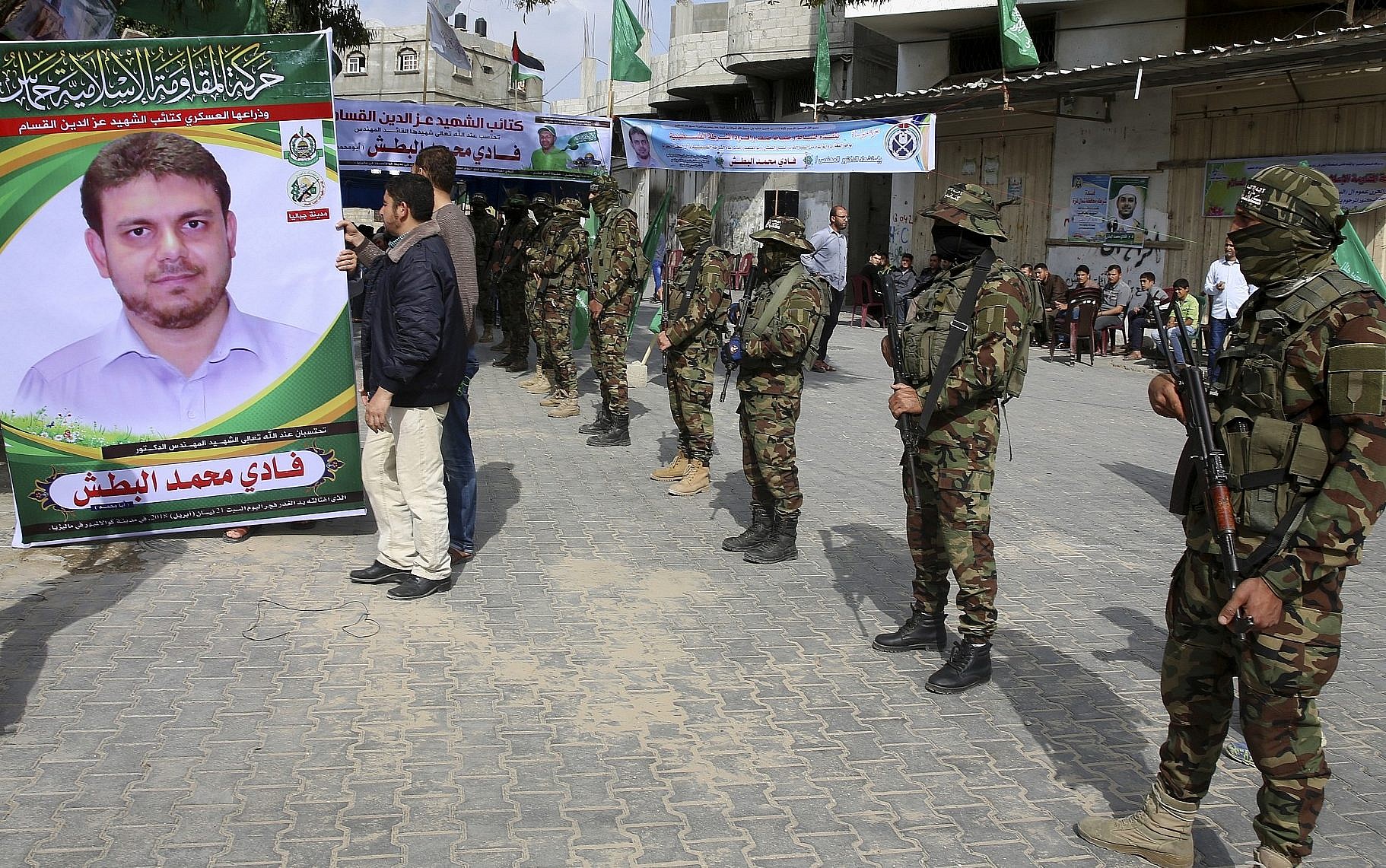
It’s not surprising that the Mossad was immediately declared the prime suspect in the assassination of Fadi al-Batsh, the mysterious Palestinian electrical engineer originally from Gaza who only after his assassination in Malaysia on Saturday morning was revealed to be a member of Hamas’s military wing.
Most of the Palestinian factions have already rushed to pronounce the Israeli spy agency the culprit. It’s hard to tell if they have anything to go on except the obvious question: Who has an interest in removing Batsh?
The operation to take down Batsh shares many similarities with the last assassination attributed to the Mossad: that of the Tunisian scientist Muhammad a-Zawari, shot dead by unidentified assailants on December 15, 2016, in Sfax, Tunisia.
In Zawari’s case, too, it was only after his death that Hamas publicized the fact that he was working for its military wing and was part of its efforts to develop advanced drones and an unmanned submarine.
Unlike Zawari, Batsh was born in the Gaza Strip and grew up in Jabaliya. He was considered a genius in his electrical engineering studies and had close ties with several Hamas leaders in Gaza.
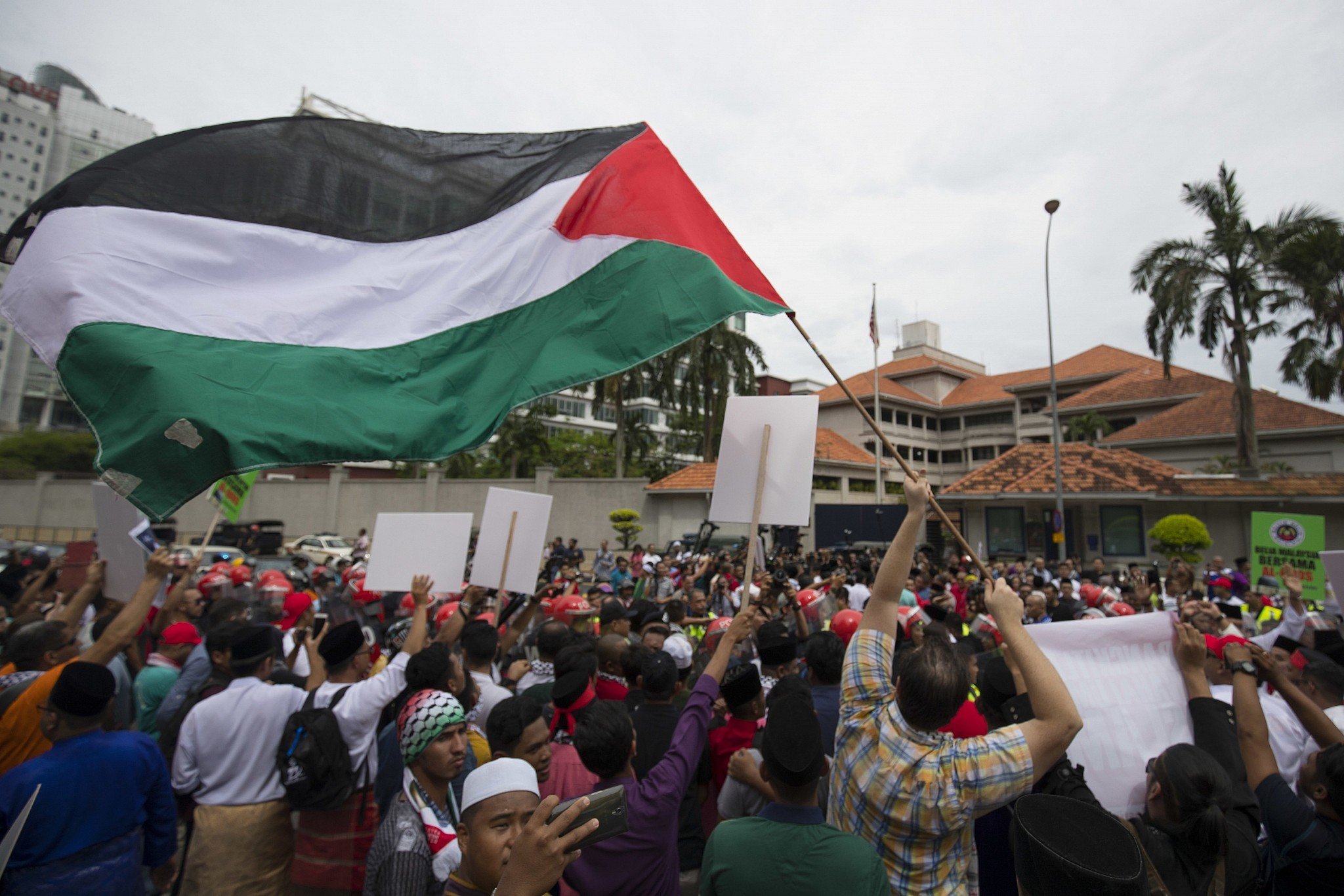
He had lived with his family in the Malaysian capital Kuala Lumpur for the past eight years, and even served as an imam in one of the city’s mosques. In fact, it was during his early morning walk to dawn prayers that unidentified assassins riding a BMW motorcycle fired 10 bullets at him, killing him instantly.
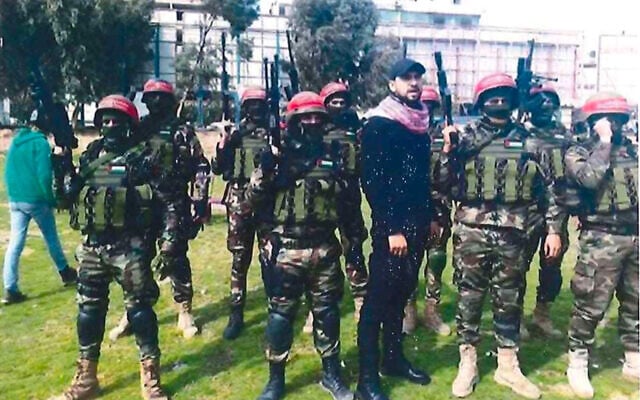
It is not immediately clear what sorts of projects Batsh was involved in as a member of Hamas’s military wing. It is highly unlikely that he was working to develop clean energy sources for the organization, for example, and much more probable that his work involved research and development of new weapons systems.
Batsh’s decision to move to Malaysia may seem surprising, but not a few Palestinians, especially students, have relocated to the country in recent years, sparking intensive efforts by Hamas on Malaysian campuses to recruit them to its cause.
According to a 2015 article in Malam, an Israeli journal that deals with intelligence and terrorism, Hamas once used Malaysia as the setting to train operatives for an especially audacious terror attack involving parachutists.
In the same period, the Israeli daily Haaretz reported that Hamas had recruited some 40 Palestinian students to work as its operatives on Malaysian campuses. Batsh himself worked as a lecturer at a private university in the country.
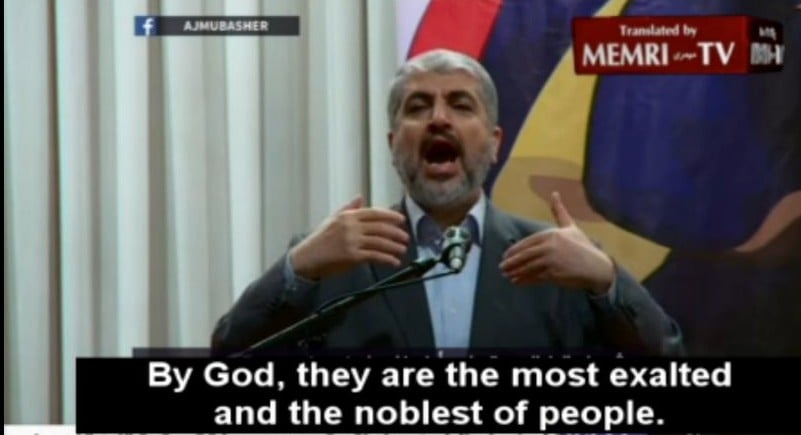
Throughout Kuala Lumpur and elsewhere (including the International Islamic University in Gombak), there are activities by Hamas activists and visits from Hamas leaders. Even the son of Osama Hamdan, who is responsible for Hamas’s foreign relations, lives in Malaysia.
The assassination on Saturday, as well as others that came before, offer glimpses into what appears to be a covert war taking place behind the scenes between Hamas and the State of Israel that may have dramatic consequences for the Gaza Strip. Hamas is constantly trying to develop and acquire ever more efficient and deadly weapons, including of the sort that might tilt the balance of deterrence in its favor.
It appears someone — possibly Israel, possible someone else — is determined to stop it by any means necessary.








The Times of Israel Community.