

 From the Liveblog of
Tuesday, November 11, 2025
From the Liveblog of
Tuesday, November 11, 2025
AG: Levin appointing prosecutor for Sde Teiman affair sets ‘dangerous precedent’
 Add ToI as a Preferred Source on Google
Jeremy Sharon is The Times of Israel’s legal affairs and settlements reporter
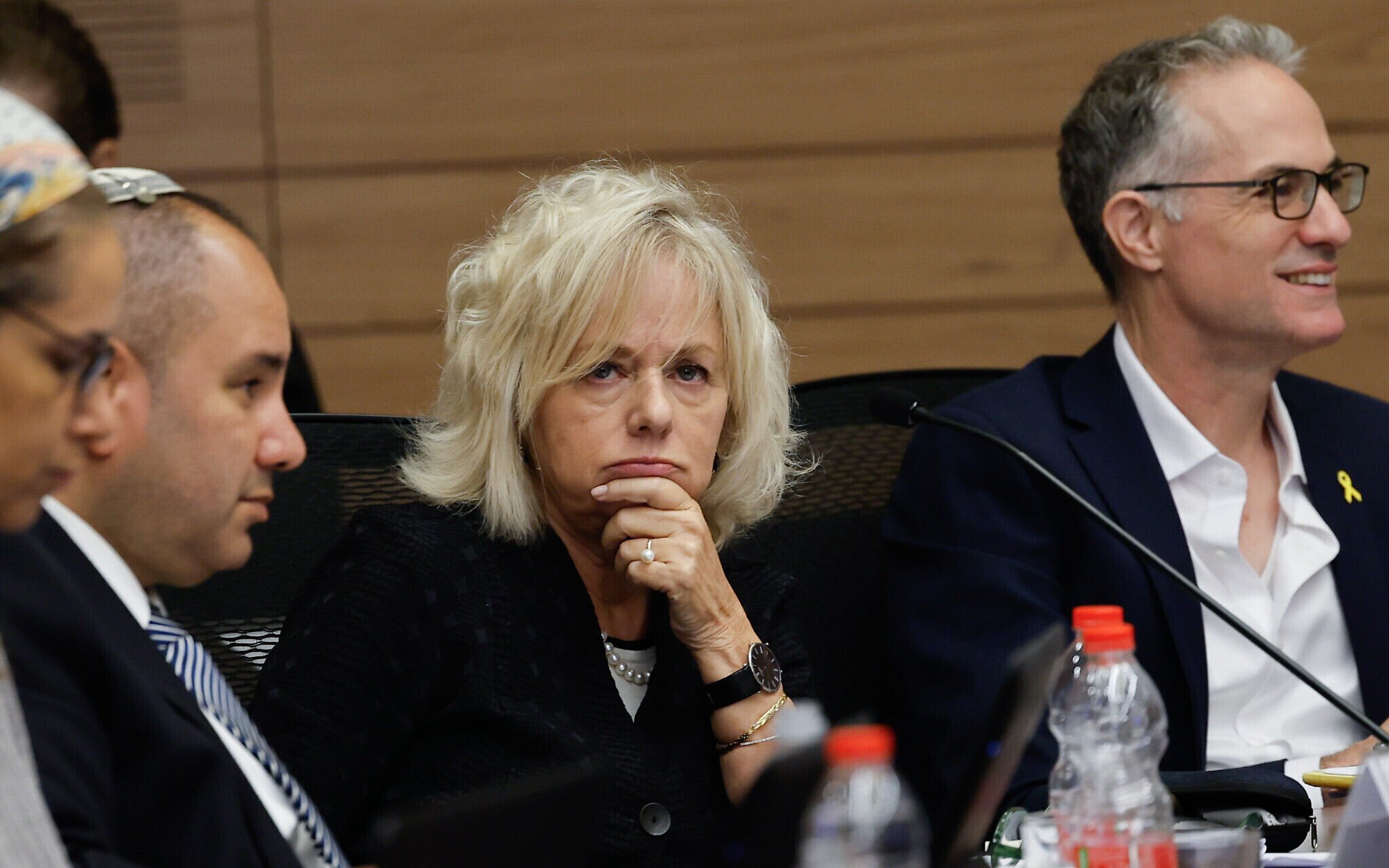
Attorney General Gali Baharav-Miara tells the High Court of Justice that Justice Minister Yariv Levin’s appointment of an external prosecutor for the Sde Teiman video leak affair constitutes a “dangerous precedent” for political interference in criminal investigations.
Following the arrest of the former military advocate general for allegedly leaking the video, then lying about probing it, Levin has sought to appoint State Ombudsman for Judges Asher Kula to oversee the investigation, alleging that Baharav-Miara has a conflict of interest since she had ultimate oversight over the army probe.
Writing on behalf of the attorney general in response to petitions to the High Court over the matter, the State Attorney’s Office says there is no precedent in Israeli legal history of a justice minister appointing a specific prosecutor for a specific crime in an ongoing investigation.
“In the State of Israel, the officials that conduct criminal proceedings are the investigative and prosecutorial authorities, and not investigators or prosecutors appointed ad hoc by a decision of the political ranks to handle a concrete case,” writes the State Attorney’s Office.
As well as “illegitimate political intervention,” Levin’s appointment also constitutes an “unauthorized transfer of authority,” and an attempt to “draw the target around the arrow,” the response contends.
The State Attorney’s Office also asserts that Kula himself has a conflict of interest, since he would be involved in a criminal prosecution while at the same time having disciplinary power over the judges who hear the case, owing to his role as ombudsman for judges.
“This decision, which is flawed through many fundamental legal flaws, contradicts basic principles regarding the independence of the law enforcement system and its independence from the justice minister or any other member of the government,” the response declares.




The Times of Israel Community.