

 From the Liveblog of
Sunday, January 18, 2026
From the Liveblog of
Sunday, January 18, 2026
Netanyahu urges steps to increase IDF enlistment rates, beyond ultra-Orthodox community
 Add ToI as a Preferred Source on Google
Sam Sokol is a former political correspondent at The Times of Israel. He was previously a reporter for the Jerusalem Post, Jewish Telegraphic Agency and Haaretz. He is the author of "Putin’s Hybrid War and the Jews"

Prime Minister Benjamin Netanyahu orders the establishment of a special team chaired by Cabinet Secretary Yossi Fuchs to draw up a list of recommendations for steps, including sanctions, that can be taken to increase enlistment across the board and not just among members of the ultra-Orthodox community, Hebrew media reports.
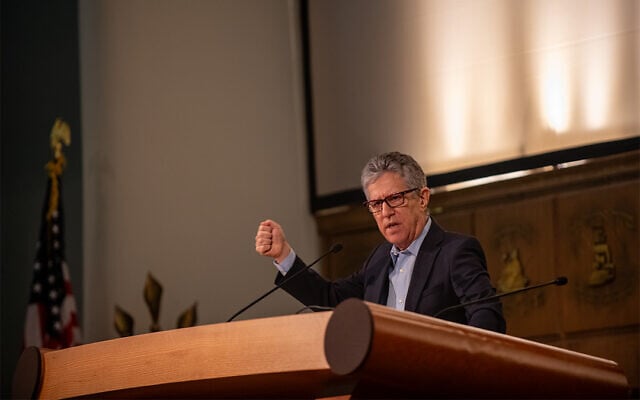
According to television network i24, during this morning’s cabinet meeting, Netanyahu stated that “steps are needed that affect the entire public. It is not right to create arrangements that target only one sector,” concluding that sanctions would apply to draft evaders but not all yeshiva students.
The network, along with ultra-Orthodox news site Behadrei Haredim, further reports that the sanctions would not affect “fundamental rights” nor be so broad in scope as to fail to meet legal tests.
Today’s discussion comes after Attorney General Gali Baharav-Miara last week accused the government of violating a High Court of Justice order by failing to create a policy to enforce draft notices sent to tens of thousands of Haredi men who haven’t enlisted.
i24 adds that Fuchs told cabinet ministers that the government’s Haredi exemption bill — which proposed continued military service exemptions to full-time yeshiva students while purportedly increasing conscription among graduates of Haredi educational institutions — could be approved for its second and third readings by the Knesset Foreign Affairs and Defense Committee in two weeks.
The legislative panel’s legal adviser has stated that the bill needs to include harsher sanctions in order to be effective. Many critics see the bill as laden with loopholes and unlikely to increase enlistment.








The Times of Israel Community.