

Ministers approve Negev phosphate mine, but accept conditions that could stop it opening
Prime Minister’s Office proposal to fast-track mine close to southern city of Arad now contingent upon health and environmental impact surveys, plan to relocate Bedouin
 Add ToI as a Preferred Source on Google
Sue Surkes is The Times of Israel's environment reporter
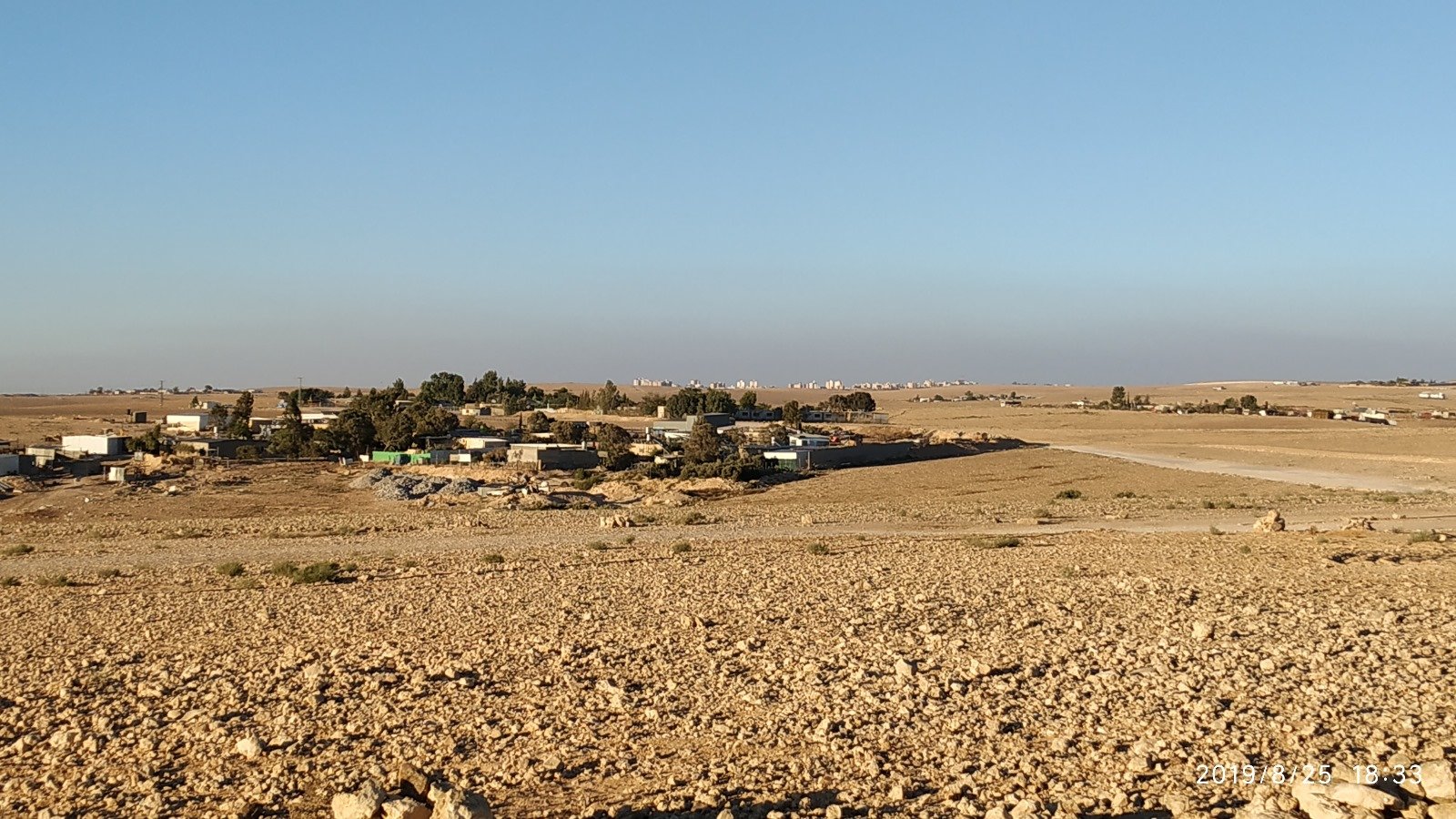
Ministers on Sunday agreed to a proposal by the Prime Minister’s Office to fast-track a controversial plan for a new phosphate mine in southern Israel, but accepted several new conditions that opponents hope will bury the project forever.
At issue is a proposal by the powerful ICL company to open a new phosphate mine at Sadeh Barir, just seven kilometers (4.3 miles) from Arad, a city of over 32,000.
ICL currently mines phosphates for the fertilizer industry on the Rotem plain, near the city of Dimona, but has long claimed that reserves there are about to run out.
On Sunday, ministers approved mining at Sadeh Barir. Still, they agreed on the need to analyze the impact on the environment and public health of mining there before proceeding further, and to start planning alternative homes for the 15,000 Bedouin of al Furah who live in and around the area slated for mining.
Arad’s Mayor Yair Maayan, who opposes the mining plan, stated after the decision that the conditions would delay the realization of the plan for so long that it would likely never materialize.
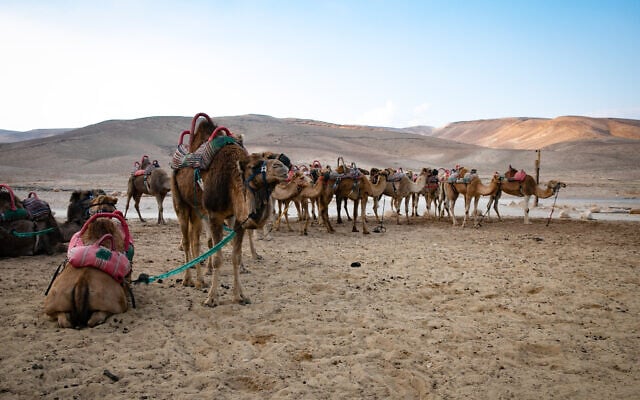
Green organizations and residents of the eastern Negev have struggled for a decade to stop mining at Sadeh Barir.
Opponents point out that the phosphate industry produces the most polluting type of waste — phosphogypsum, a byproduct of phosphoric acid production, which contains radioactive materials — accounting for 80 percent of all industrial waste in Israel. The mining process itself spreads dust containing radioactive materials in quantities that no one has tested, they add. They also charge that the industry is the largest consumer of fresh water, polluting streams and springs across the country.
“The government has been trying to promote the mine since 2002, claiming that within two years, the (current) mining reserves of the ICL Rotem factories will be exhausted,” Maayan said
He continued that mining could not take place while thousands of Bedouin were living in Sadeh Barir, and that the evacuation process would take 20 years, by which time al Furah’s population would have doubled to 30,000. Alternative housing for them would push the mine much further away from Arad, “to the point of being eliminated.”
“The meaning of the decision is that the likelihood of a mine being established in the area is zero,” he declared.
Environmental Protection Minister Idit Silman abstained from the ministerial vote, partly because the item was added to the agenda only a couple of hours before the committee met, leaving no time to prepare, according to a ministry spokesman.
In addition to insisting on an environmental impact survey, the ministry also managed to excise from the approved plan any mention of mining for oil shale at Sadeh Barir.
Oil shale mining is highly polluting, uses vast amounts of water, and, when burned for energy, releases greenhouse gases.
An ICL spokesperson declined to comment.







The Times of Israel Community.