

MKs vote to further delay launch of new public broadcaster
After all-night filibuster, amendment passes to prevent Kan from beginning transmission before April 30
 Add ToI as a Preferred Source on Google
Raoul Wootliff is a former Times of Israel political correspondent and Daily Briefing podcast producer.
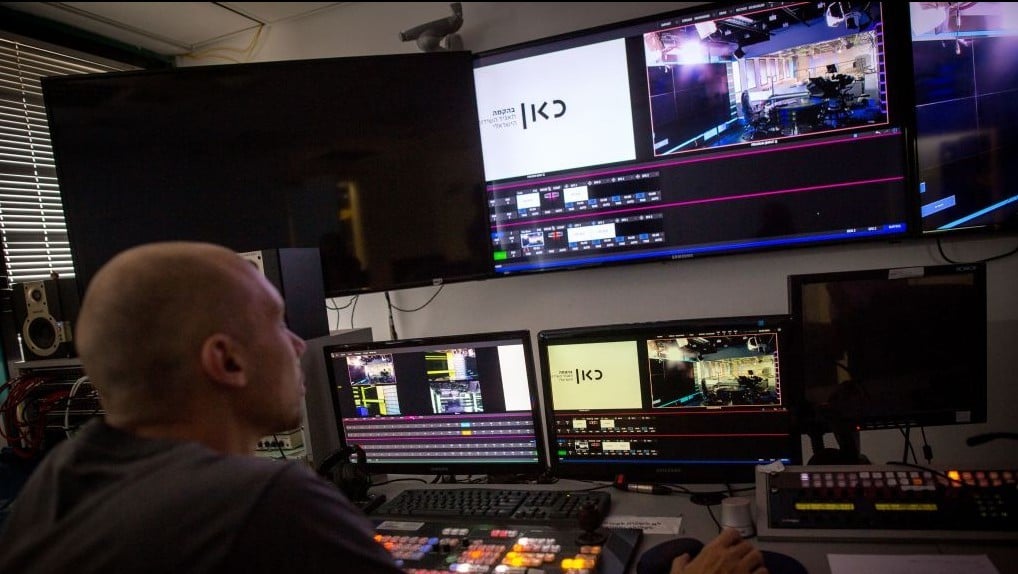
Following an all-night filibuster led by opposition lawmakers, the Knesset voted Tuesday morning to delay the opening of a new public broadcaster and prevent any move to begin transmission before the end of April 2017.
The bill, which amends sections of the vast public broadcast reforms approved by the Knesset last year, passed its final readings by 32-17, after a 13-hour debate.
The vote took place when opposition head Isaac Herzog and coalition MK Eli Cohen, who heads the Knesset Reform Committee, reached an agreement to end the filibuster.
In 2014, the Knesset passed wide-reaching reforms to close the ailing Israel Broadcasting Authority, which politicians at the time described as increasingly irrelevant and costly, and replace it with a new broadcasting corporation known in Hebrew as Kan. The reforms originally called for the establishment of a new broadcaster by March 31, 2016, but gave Kan directors the option to request an earlier date.
The amendment passed Tuesday pushed off the transmission date by a month and removed any possibility that broadcasting would begin earlier.
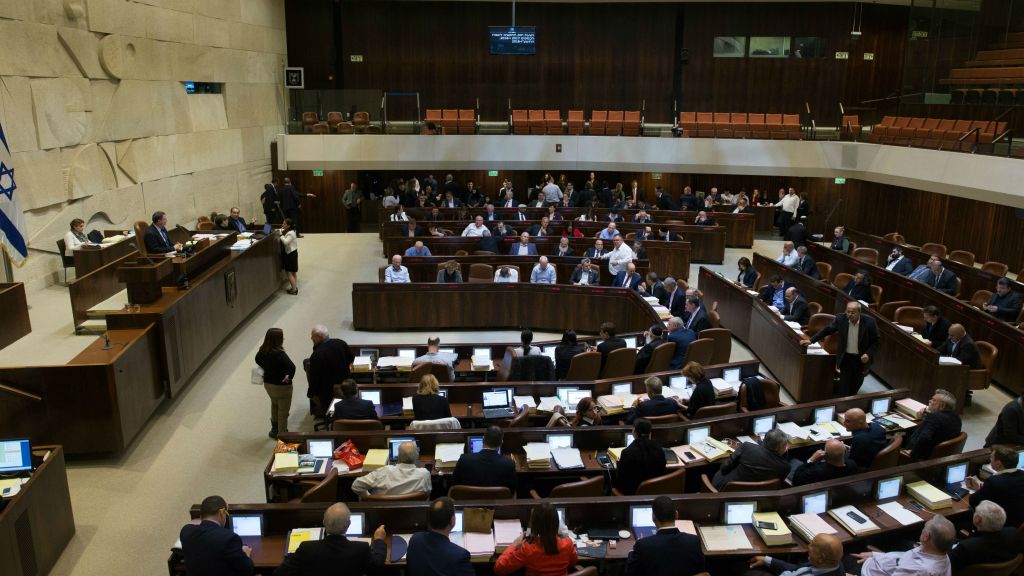
Responding to the vote, the Twitter account for Kan posted that “the countdown had started again.”
“On April 30 we will bring to Israel a quality independent and varied public broadcaster on all the platforms,” the tweet read.
Opposing the planned amendment, before it was voted on, two petitions were presented to the High Court demanding that Kan be allowed to go on air in January. The state has been ordered to give a response by Tuesday, a spokesman for the court told The Times of Israel.
The reforms, advanced by then-communications minister Gilad Erdan (who is now public security minister), aimed to ensure greater editorial independence for the new corporation compared to the IBA, exempting it from government oversight rules that apply to most other public corporations and severely curtailing the ability of politicians to intervene in content and senior staff appointments.
Responding to efforts by Prime Minister Benjamin Netanyahu, who also holds the post of communications minister, to delay the opening until 2018 and a Likud-led bill to cancel the legislation altogether, Kan’s management announced in October that it would be ready to begin broadcasting on January 1.
Critics from both the coalition and the opposition say Netanyahu’s fear of the corporation’s political independence was the real reason for the delays in its launch.
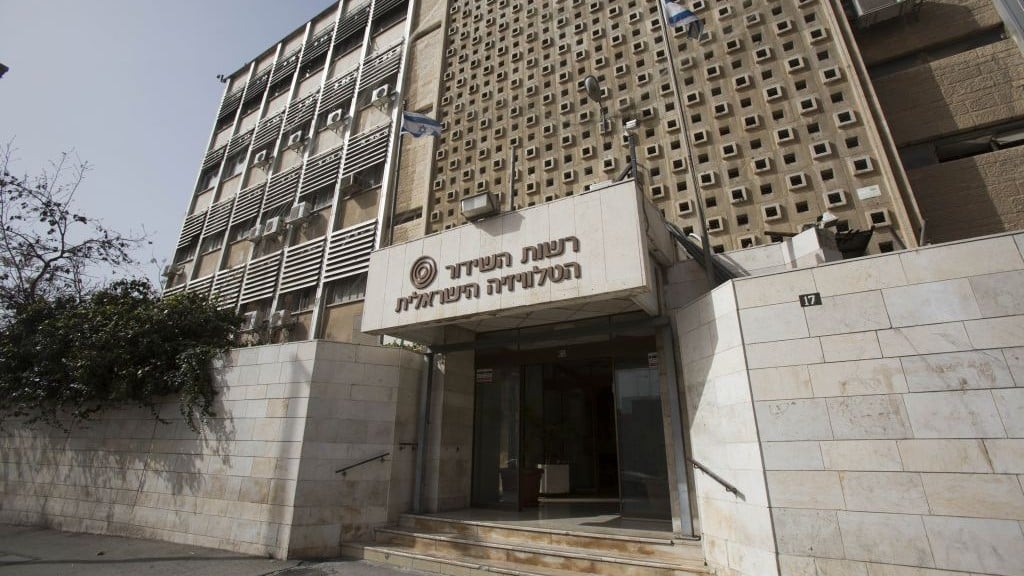
Likud officials have claimed that nixing the new corporation would save the state some NIS 2.5 billion ($658 million), a figure later ridiculed by the Finance Ministry and Erdan.
Speaking during the all-night filibuster, Zionist Union MK Eitan Cabel said Netanyahu wants a broadcaster that will support his political agenda.
“He want a broadcaster that he can ask in the morning, ‘Television television, who is the wisest man of all?’ And it will answer him: ‘You Benjamin Netanyahu, the first and foremost, the best among us.'”
In November, amid growing opposition over his planned reversal of the reforms, Netanyahu postponed a vote to dismantle the broadcasting corporation, agreeing instead to establish a temporary committee to asses the issue.
Netanyahu and Finance Minister Moshe Kahlon’s committee would look at whether the new broadcaster would — as the prime minister has claimed — incur prolific and wasteful costs, the two men announced in a joint statement.
The decision came following “Kahlon’s insistence that the budget for the public broadcaster would not exceed the allocated funds,” the statement read.









The Times of Israel Community.