

Modern memorials, scattered ruins: Exploring Jerusalem’s Pisgat Zeev
Hidden corners of the neighborhood reveal its storied past, with monuments to fallen Israeli soldiers and relics dating back to the ancient Greeks and Byzantines
 Add ToI as a Preferred Source on Google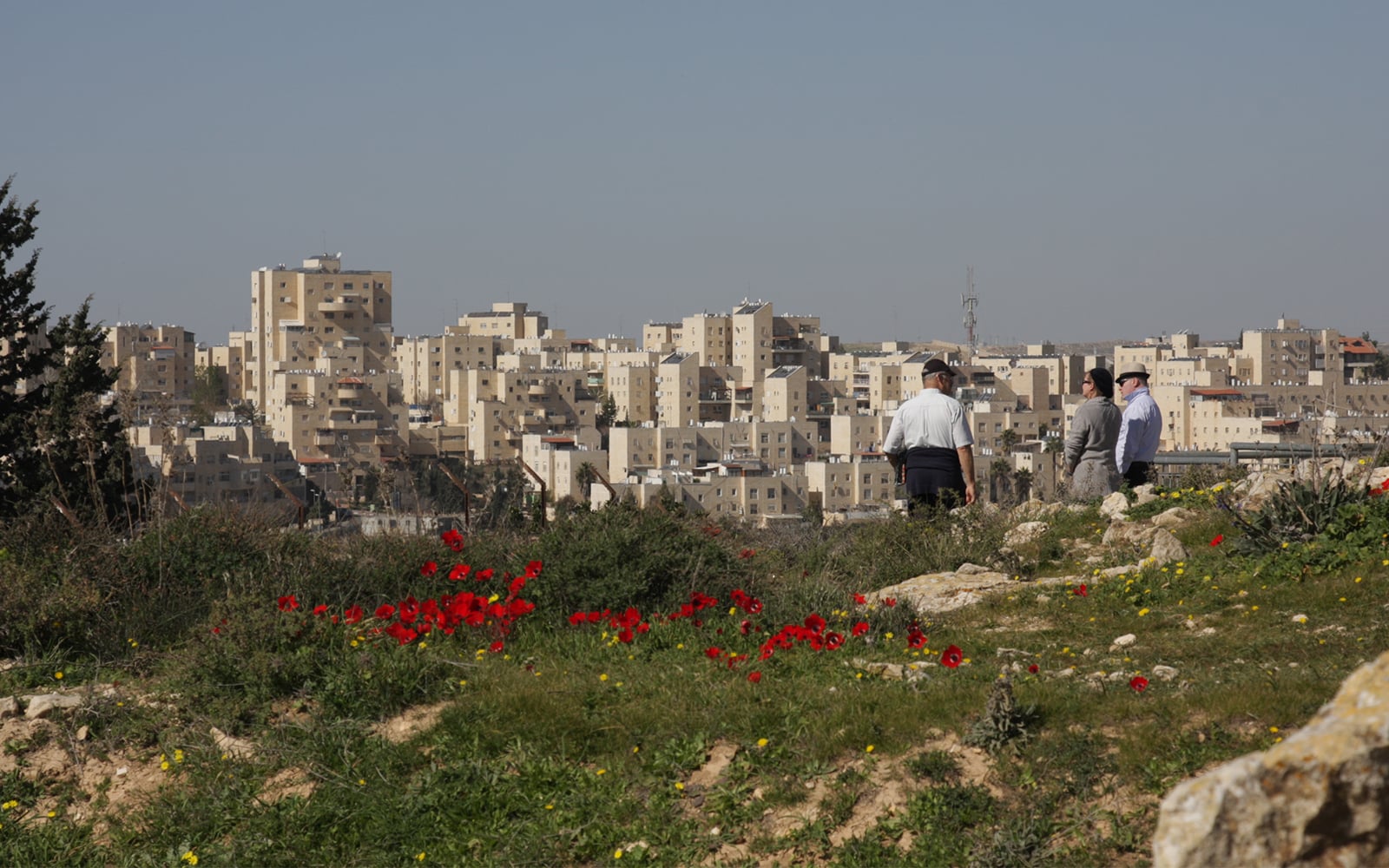
In the early 1920s, two Jewish villages were established just north of Jerusalem proper. Settled on land that was purchased by Jewish bankers, they were called Neve Yaakov and Atarot and were completely isolated from any other Jewish community.
By dint of incredibly hard work the settlers persevered, and near the end they hosted convalescents and vacationers, sold fruits and vegetables, opened a prestigious school, ran successful summer camps and operated a popular dairy farm.
Over the years, Neve Yaakov and Atarot suffered from many a sporadic Arab attack. But after the United Nations presented its partition plan on November 29, 1947, the situation became even worse: in addition to their assaults, Arabs set up roadblocks around the two communities and harassed any vehicle attempting to bring in visitors or supplies. Yet although the attacks became bolder and more frequent, men, women and children — joined by members of the Hagana — managed to fight off the enemy.
Finally, three days after Israel declared its independence (on May 14, 1948), Arabs attacked for 14 hours straight and the defenders ran out of ammunition. A decision was made to evacuate both of the communities and the settlers left in the dead of night, carrying a dozen wounded comrades on their shoulders. Jordan took over the villages, destroyed everything, and established a Jordanian Legion army camp on the land the settlers had cultivated.
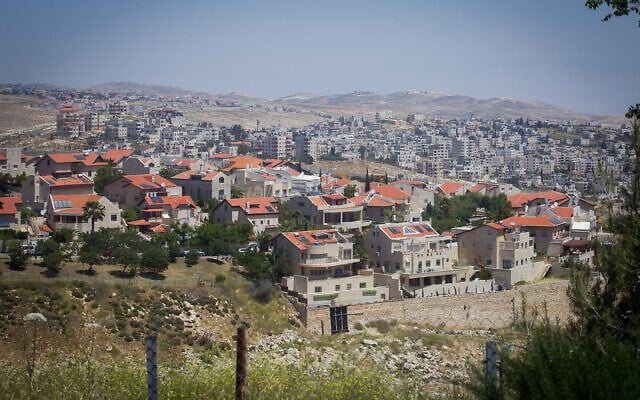
During the 1967 Six Day War, that same land was captured by the Israeli army and the whole area was incorporated into the Jerusalem Municipality. Today a very large Jerusalem suburb — called Neve Yaakov — thrives near the original site; Atarot moved to a locale not far from Ben Gurion airport.
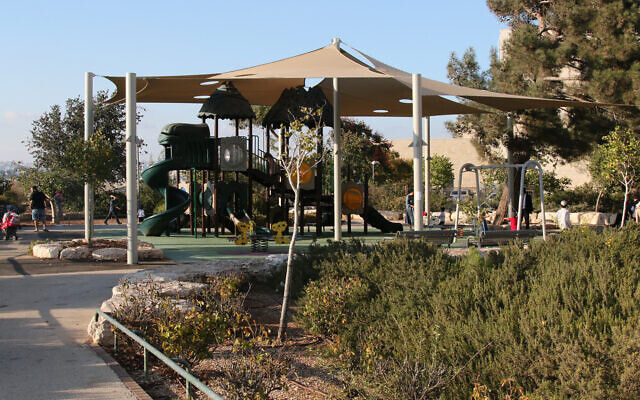
The story of the original settlers’ fierce attempts to defend their homes is vividly recalled in an unusual park called Gan HaG’vura (Garden of Heroism). Located on a hill in Pisgat Zeev, a rapidly growing suburb situated between modern Neve Yaakov and Jerusalem, it consists of playgrounds, lawns, and a path studded with photographs and signs (in Hebrew).
Gan HaG’vura is a memorial to the fallen of Neve Yaakov and Atarot, from people killed in the late 1930s during Arab attacks, to those traveling in convoys trying to bring in supplies. It is dedicated as well to soldiers who fell while helping settlers defend their homes.
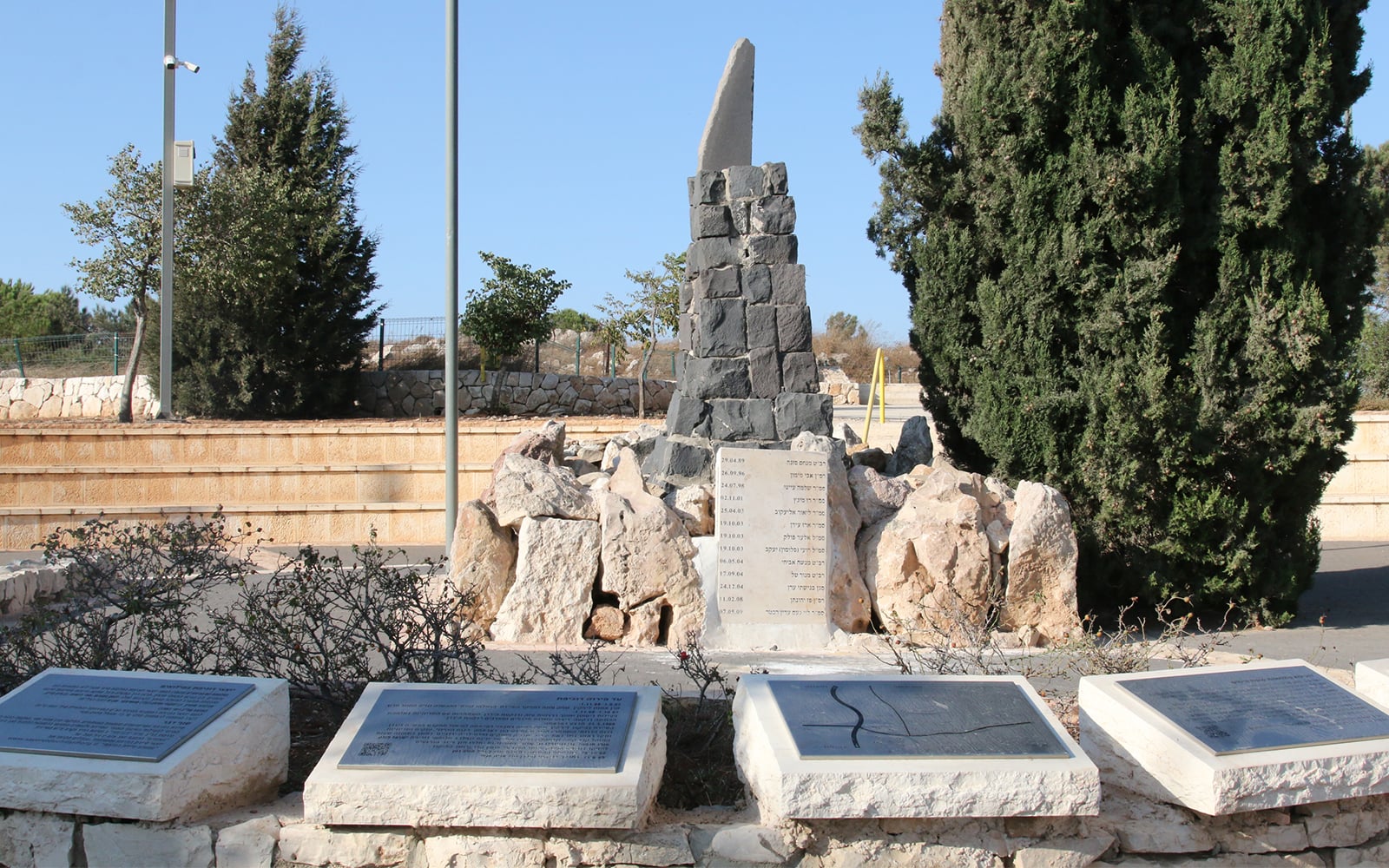
But there is yet another memorial site in Pisgat Zeev. Situated between the houses, a little archeological park features a monument to fallen soldiers from the Duchifat (hoopoe) Patrol, established in 1966 as part of the Paratroopers Brigade. Its soldiers participated in several battles during the Six Day War, and in the Battle of Karameh in 1968. While Duchifat was dismantled a year later and its soldiers were incorporated into other units, those killed in the 1973 Yom Kippur War, and the 1982 Peace in the Galilee War are also remembered at the site.
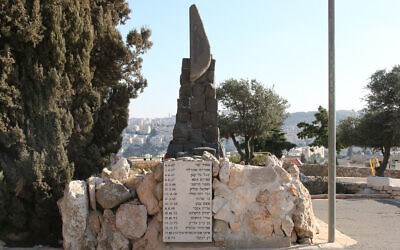
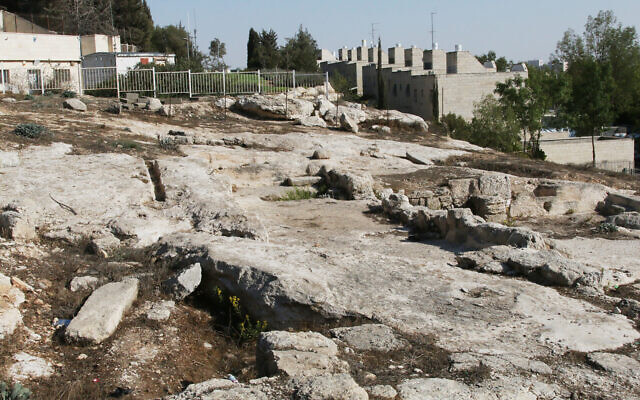
On our first visit to the andarta (the Hebrew word used for the war memorials found all over Israel), we noticed some broken mosaics nearby, along with evidence of hinges from doors that had stood on the site long ago. We made that trip seven years ago in spring when the area was a mass of blooming wildflowers.
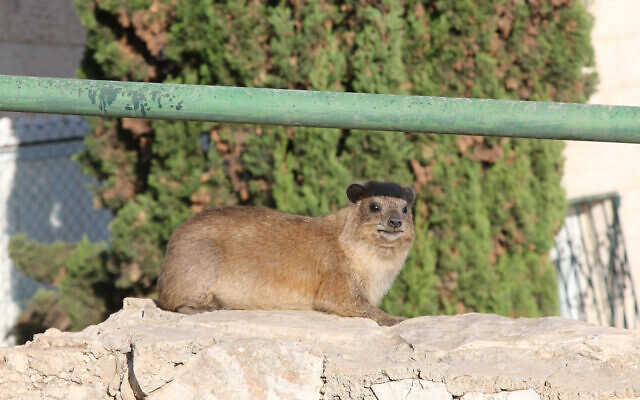
The Duchifat memorial is located in an archeological park called Ras a Tawil, which loosely translated from Arabic means the “top of the height.” Lurking nearby are a number of rock hyrax, squat, furry animals that are slightly larger than guinea pigs and belong to the elephant family. Since they love to sunbathe, they can be found sitting on low walls and rocks as they bask in the sun.
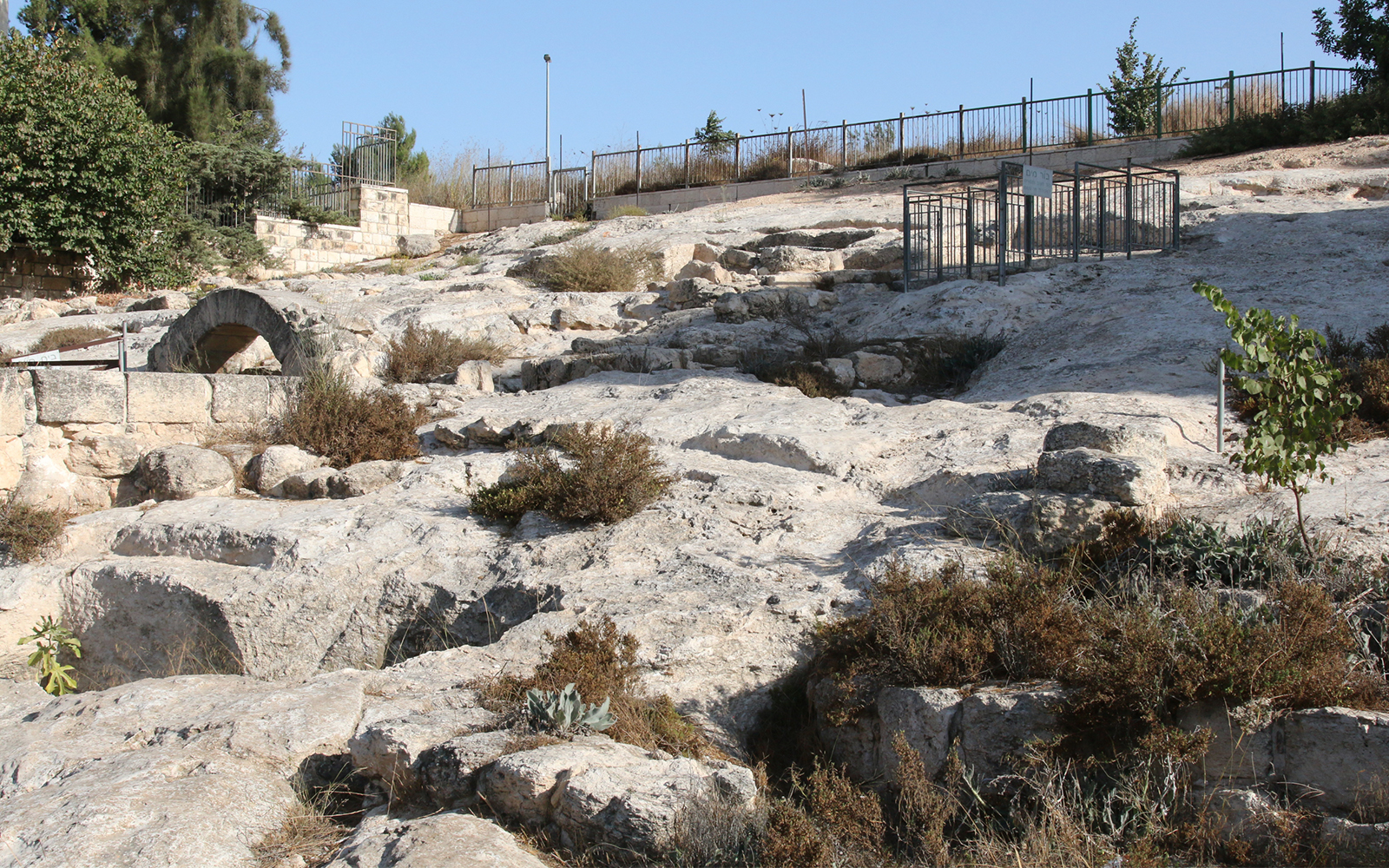
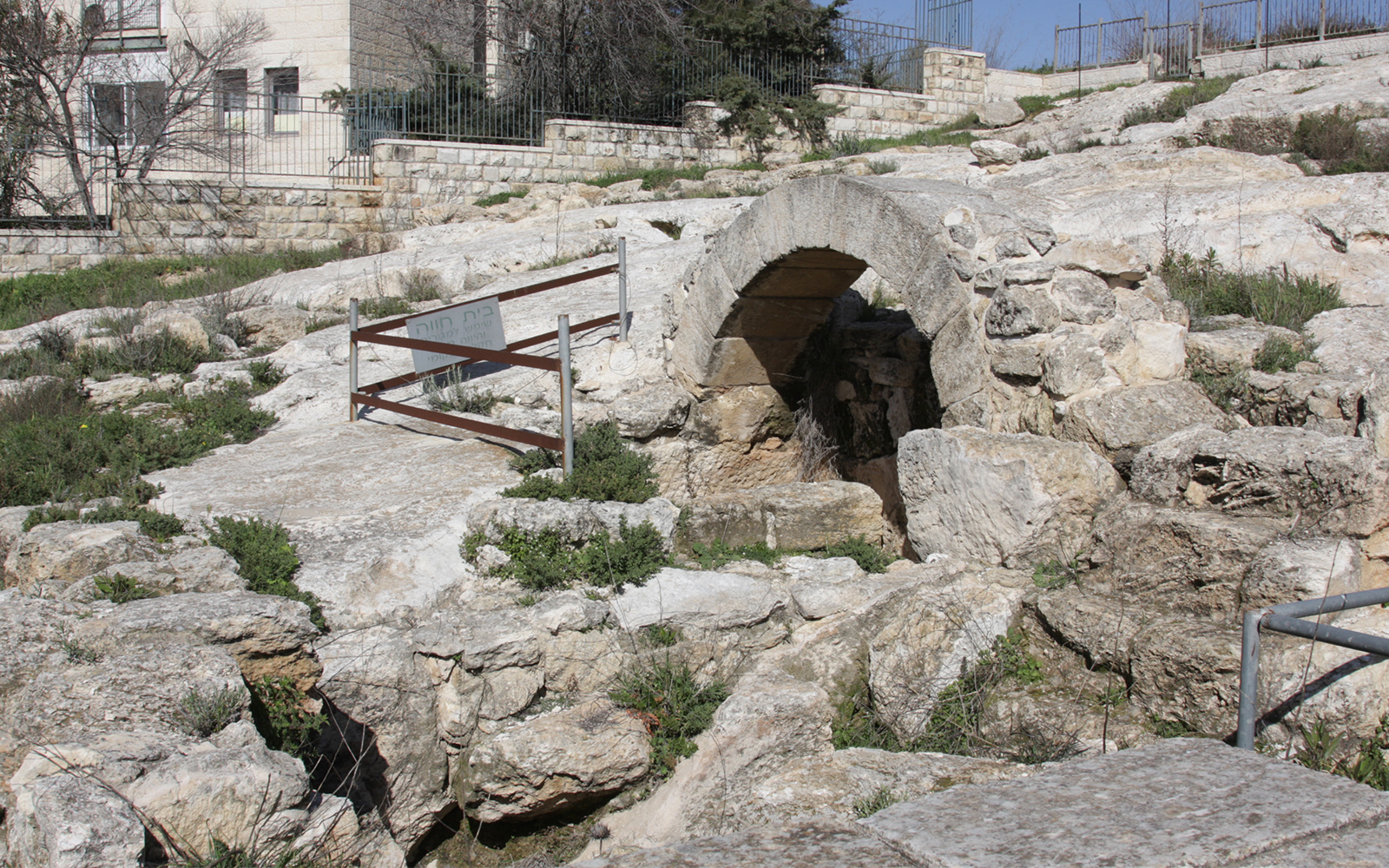
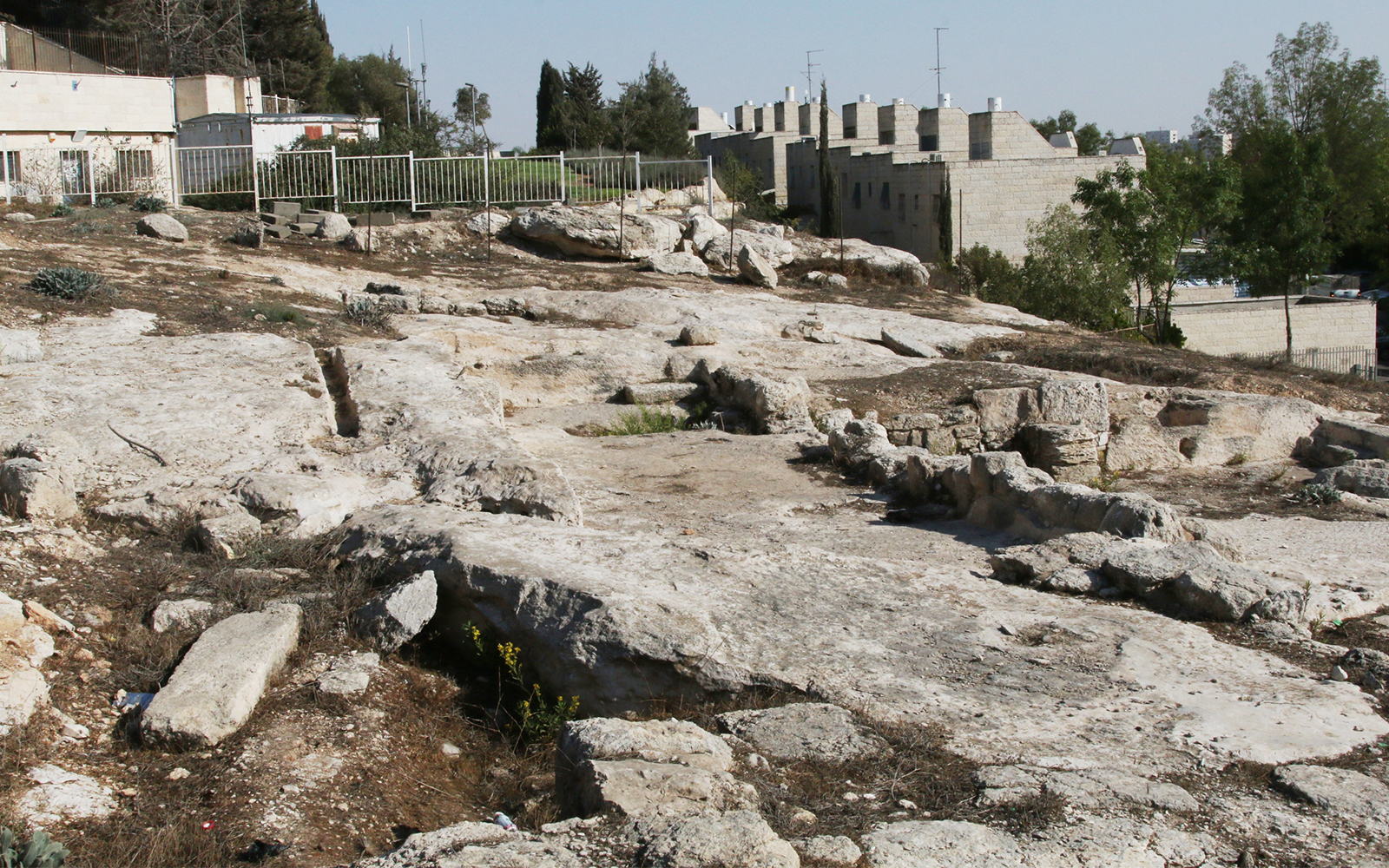
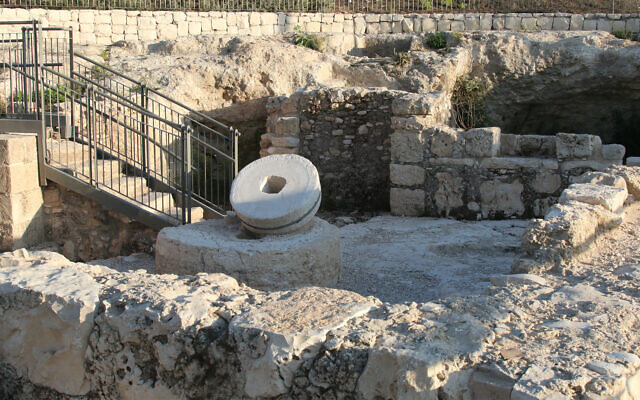
While the artifacts here are neither well-kept nor signposted, they date back about 1500 years and include caves — one of them with a set of stairs — and the remains of a Byzantine chapel. Maybe because it is such a desolate site, it is fun to walk around the excavations looking for doorsteps and other antiquities. There is a playground nearby.
Since that first visit we have “discovered” all kinds of archeological sites in Pisgat Zeev, places excavated in the 1980s and 1990s. Several are found next to landscaped gardens, grassy knolls and innovative playgrounds.
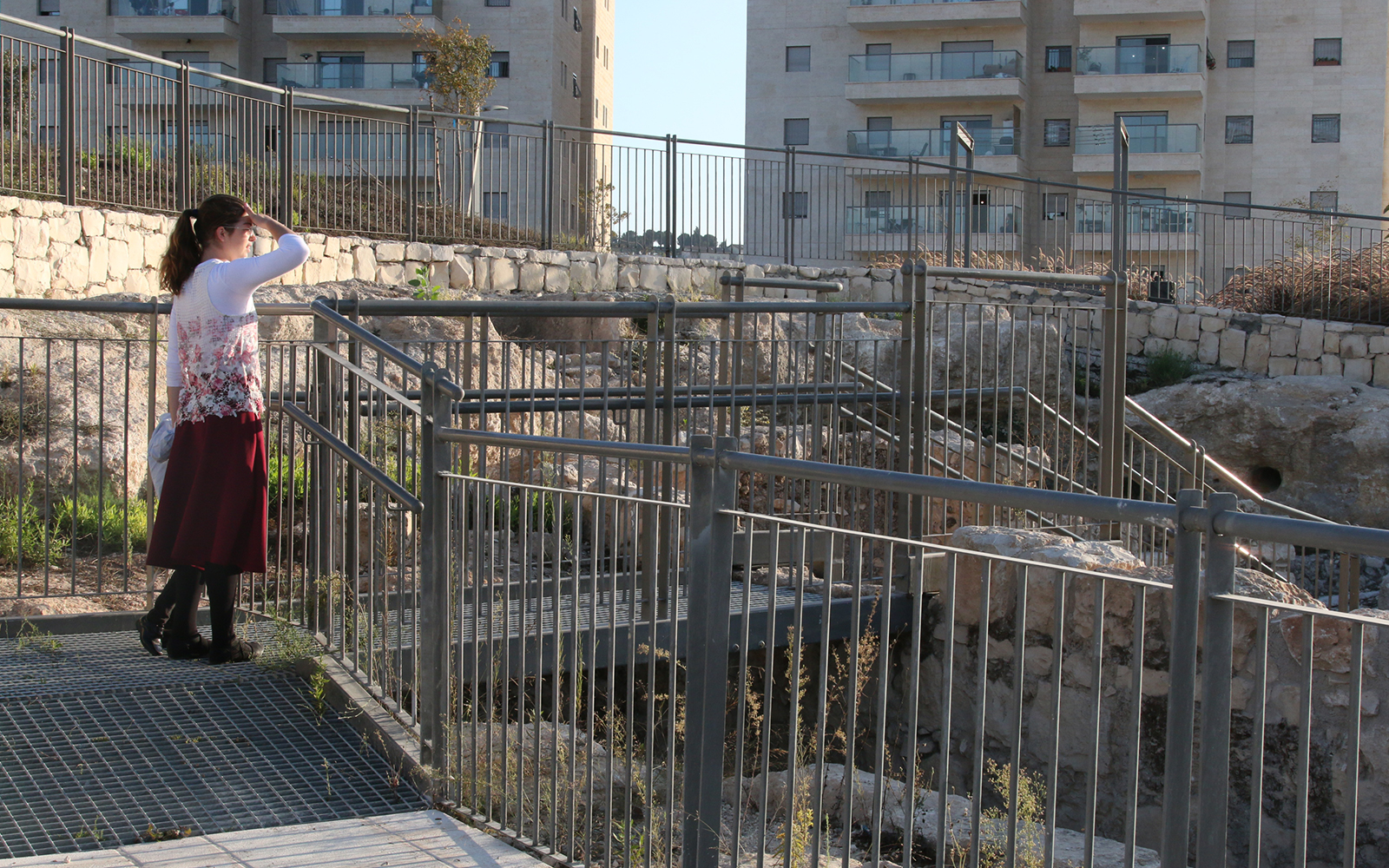
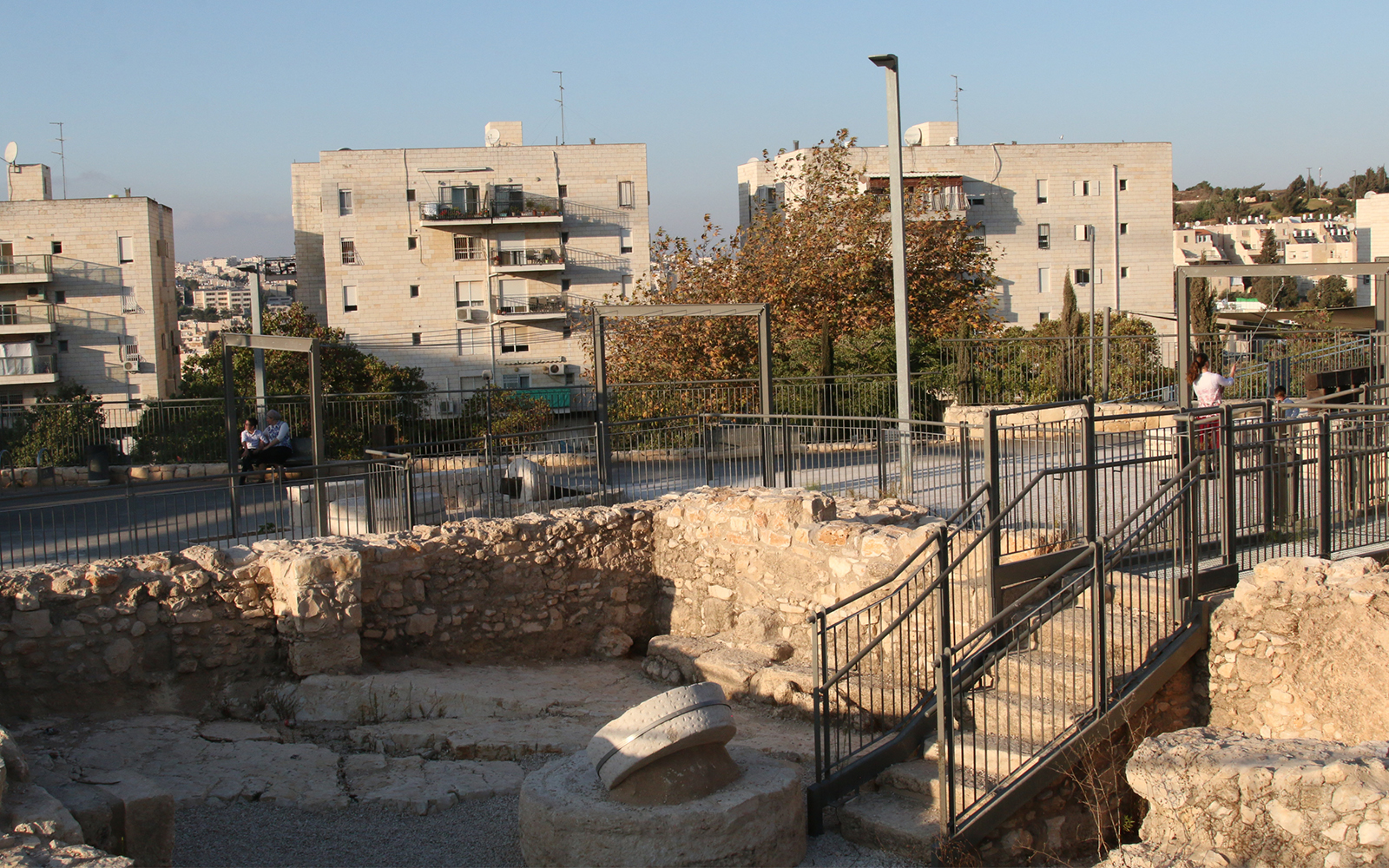
Much better preserved than Ras a Tawil, and even sporting a few signs, are the ruins at Gan HaYeda (Knowledge Park). Here archeologists uncovered remains of several Jewish ritual baths (mikvas) complete with steps dating back to the late Second Temple period two millennia ago. Also discovered were an oil press, and a wine press with a mosaic-covered stomping floor and a collecting bin.
Part of the same park, but cut off by a street and a parking lot, a third ruin is located next to a lovely park just below the Pisgat Zeev water tower. A winding path leads up to the tower’s roof, which offers a wonderful view in all directions. Visitors are meant, it seems, to guess at what they see at this archeological site, which includes a room, a wine press, and cisterns.
We got a surprise when we went to check out what sounded like a truly interesting site. It dates back to the Greek era (4th century B.C.E.) and was still going strong when the Mamelukes, and later the Turks, ruled the land of Israel. Today it is surrounded by buildings.
Dozens of steps led us up to a red stone path that wound around an enclosed hill. We were obviously in a park, for there were benches, lampposts, and there was a large patch of grass. But the artifacts — including the ritual baths, a house with seven rooms, and a bell-shaped columbarium — are apparently on the hill above the path and are off limits to the public. Still, the view as you walk the path is a beautiful one.
One more unnamed archeological site is easily recognized as a park. Along with a very large playground, benches, lawns, and some beautiful plants we couldn’t identify, it features well-preserved ancient and reconstructed oil presses.
Sticking out like a sore thumb, the Chabad Center next door is a replica of the Chabad headquarters in New York, which was built in 1920 in a medieval style, and is copied in similar structures all over the world. That’s because Menachem Mendel Schneerson, the rabbi who transformed Chabad into an influential Jewish movement and who many followers believe to be the Messiah, lived there from 1941 until his death in 1994. The building in New York, considered a holy site by Chabad members, attracts thousands of visitors each year.
—
Israelis who want to visit the different archeological and memorial sites in Pisgat Zeev can contact us by email for directions at israeltravels@gmail.com.
Aviva Bar-Am is the author of seven English-language guides to Israel.
Shmuel Bar-Am is a licensed tour guide who provides private, customized tours in Israel for individuals, families and small groups.










The Times of Israel Community.