

Earth safe from asteroid Apophis for 100 years, NASA says
A previously flagged potentially hazardous encounter in 2068 has now been ruled out as dangerous
 Add ToI as a Preferred Source on Google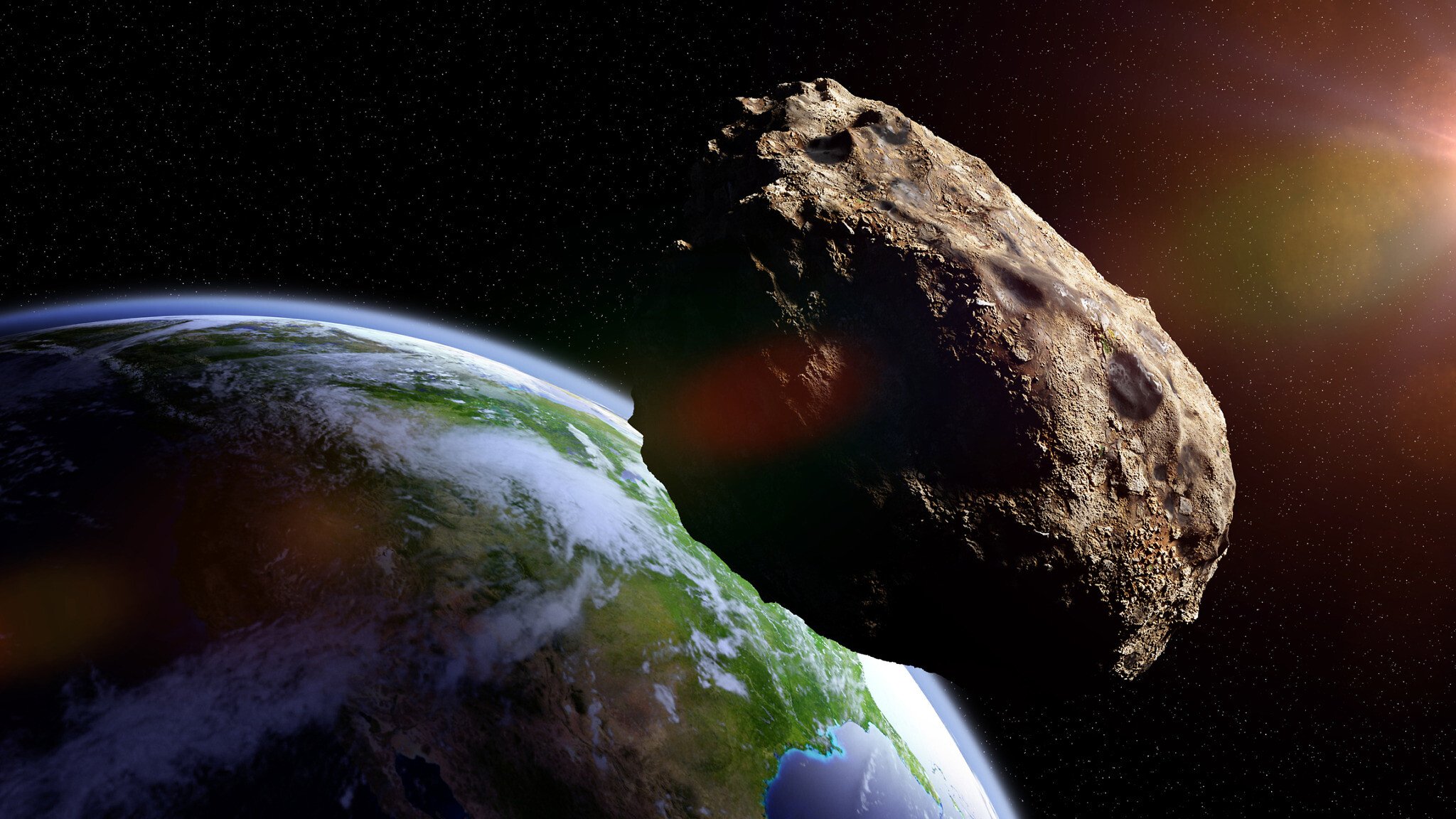
CAPE CANAVERAL, Florida (AP) — NASA has given Earth the all-clear for the next century from a particularly menacing asteroid.
The space agency announced this week that new telescope observations have ruled out any chance of Apophis smacking Earth in 2068.
That’s the same 1,100-foot (340-meter) space rock that was supposed to come frighteningly close in 2029 and again in 2036. NASA ruled out any chance of a strike during those two close approaches a while ago. But a potential 2068 collision had still loomed.
First detected in 2004, Apophis is now officially off NASA’s asteroid “risk list.”
“A 2068 impact is not in the realm of possibility anymore, and our calculations don’t show any impact risk for at least the next 100 years,” Davide Farnocchia of NASA’s Center for Near-Earth Object Studies, said in a statement Friday.
Scientists were able to refine Apophis’s orbit around the sun thanks to radar observations earlier this month, when the asteroid passed within 10.6 million miles (17 million kilometers).
Apophis will come within 20,000 miles (32,000 kilometers) on April 13, 2029 — about a tenth of the distance between the Earth and the moon — enabling astronomers to get a good look.
“When I started working with asteroids after college, Apophis was the poster child for hazardous asteroids,” Farnocchia said. “There’s a certain sense of satisfaction to see it removed from the risk list.”









The Times of Israel Community.