

Senior Iranian official warns Tehran could pull out of non-proliferation treaty
Secretary of Supreme National Security Council says option on table if Trump follows through on threats to change or abrogate 2015 nuclear deal
 Add ToI as a Preferred Source on Google
The secretary of the Iran’s Supreme National Security Council signaled Tuesday that Tehran could quit the Treaty on the Non-Proliferation of Nuclear Weapons if the US scraps a landmark nuclear deal signed between Iran and world powers.
“Signatory countries have right to quit [the NPT] if they feel their national interests are not safeguarded,” Ali Shamkhani said before leaving for a visit to Moscow. “This is one of the choices Iran has.”
US President Donald Trump is threatening to tear up the 2015 agreement aimed at curbing Iran’s nuclear efforts unless European capitals agree to supplement it with tougher controls on Tehran’s missile program and future ability to return to nuclear fuel enrichment.
Shamkhani said that Tehran would consider any move by the US to pull out of the accord or attempts to modify it as a “collapse” of the deal.
Earlier Tuesday, Iranian President Hassan Rouhani said the US would face “grave” consequences if Washington decides to withdraw from the 2015 Joint Comprehensive Plan of Action agreement that curbed Iran’s controversial nuclear enrichment program in exchange for lifting international sanctions on the Mideast nation.
“If someone wants to betray our nation and the deal, grave consequences will affect them,” Rouhani told supporters in the city of Tabriz during a visit to the area. State TV broadcast the speech.
The Iranian nation and government will “strongly resist” any plots by those who sit in the White House, he added but did not elaborate, only saying that Iran has prepared for “various scenarios” while it abided by its commitments under the deal.
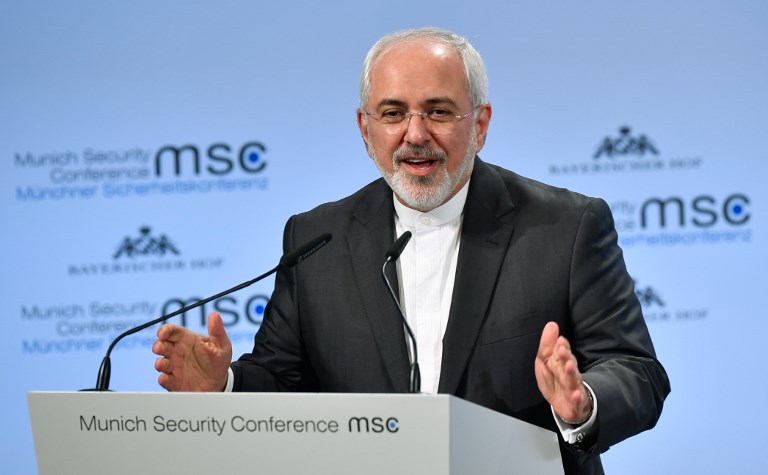
Iran has been upping the rhetoric over a possible US withdrawal from the nuclear deal, with Iranian Foreign Minister Mohammad Javad Zarif warning Saturday that Tehran was ready to “vigorously” resume uranium enrichment if the US ditched the accord.
Zarif told reporters in New York that Iran is not seeking to acquire a nuclear bomb, but that its “probable” response to a US withdrawal would be to restart production of enriched uranium – a key bomb-making ingredient.
Trump has set a May 12 deadline for the Europeans to “fix” the agreement, which provided for curbs to Iran’s nuclear program in exchange for relief from financial sanctions.
The fate of the deal was to be a key issue during French President Emmanuel Macron’s state visit to Washington that began Monday, which is to be followed by talks between the US president and German Chancellor Angela Merkel on Friday.
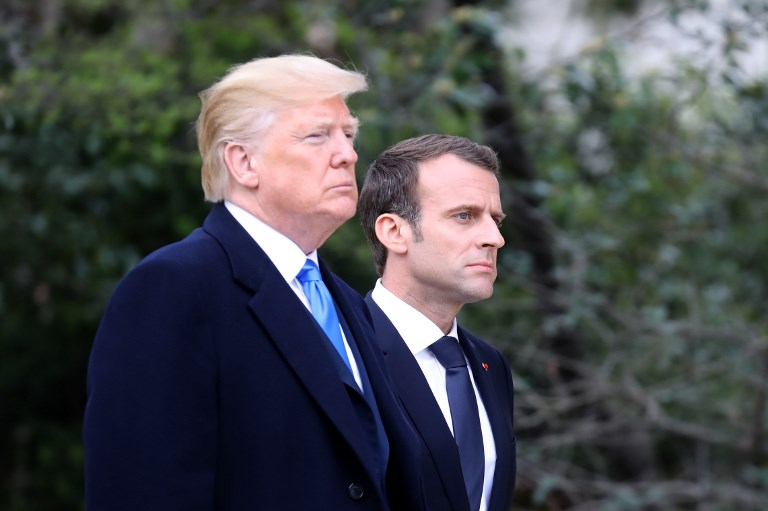
European officials say Trump’s demand to reopen the deal are impossible, and are scrambling to address his concerns on Tehran’s missile testing, inspections and the regime’s behavior in the region.
On Monday Russian Foreign Minister Sergey Lavrov said that he had agreed with his Chinese counterpart that the two countries would “obstruct” any attempt by Trump to “sabotage” the nuclear deal with Iran.







The Times of Israel Community.