

Shas said to join threat to bolt coalition over failure to pass draft exemption bill
Rabbis of Sephardic ultra-Orthodox faction to convene after Shavuot to discuss issue, party officials say, amid similar ultimatum from Ashkenazi counterpart UTJ
 Add ToI as a Preferred Source on Google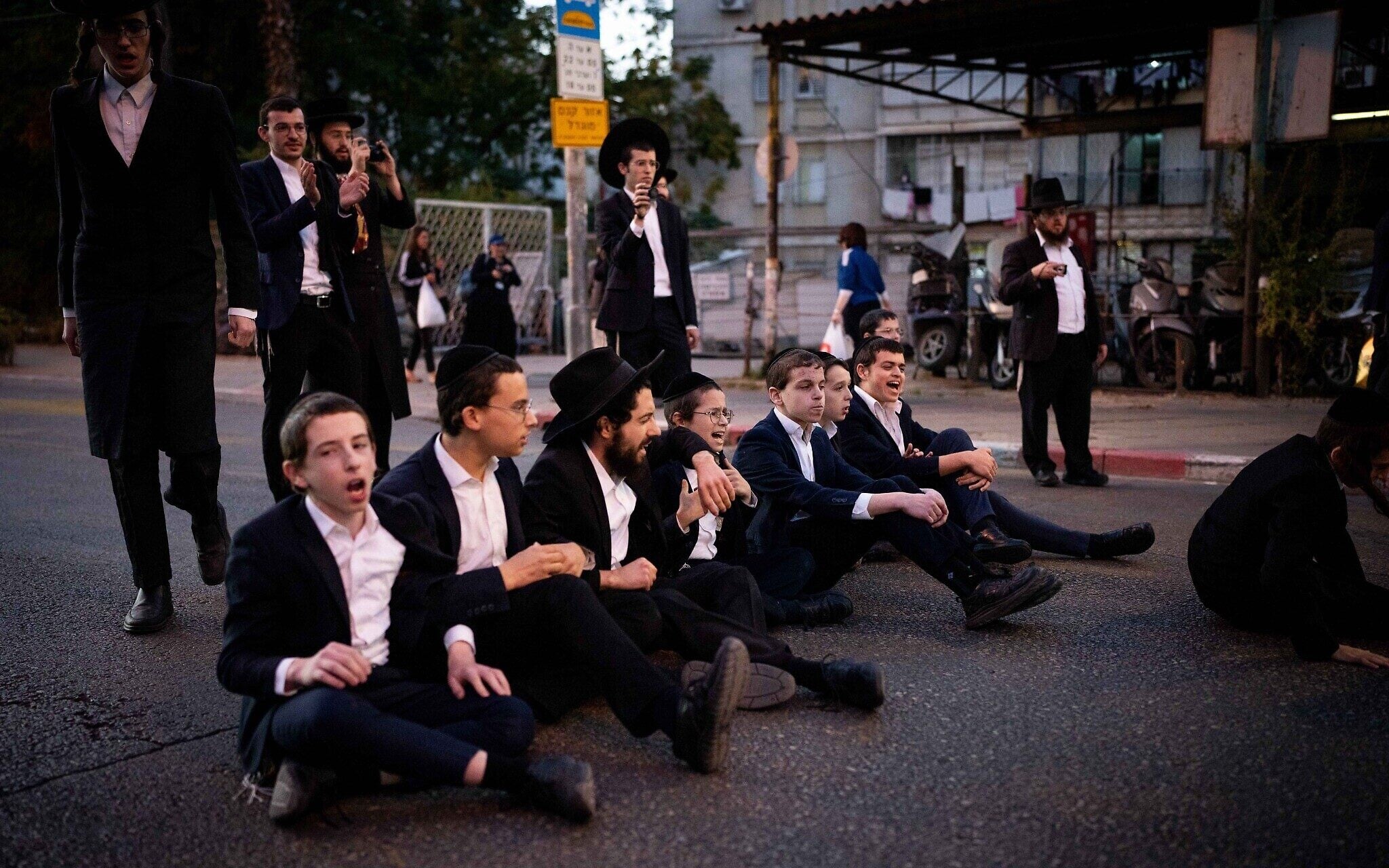
Amid the coalition’s failure to codify a Haredi exemption from military service, rabbis of the Sephardic ultra-Orthodox party Shas are reportedly set to decide after Monday’s Shavuot holiday whether to bolt the government, joining a similar ultimatum from Ashkenazi ultra-Orthodox party United Torah Judaism.
Unnamed senior Shas officials cited in a front-page report in HaDerech, the party’s official newspaper, said Shas’s Council of Torah Sages is expected to convene after the holiday to discuss the stalled legislation to protect yeshiva students’ full-time Torah study and keep them from being drafted.
The officials called on Prime Minister Benjamin Netanyahu to accelerate negotiations and prevent a political crisis. “We hope the prime minister will take responsibility and expedite the negotiations without delay,” they said.
The report in HaDerech came a day after reports emerged that UTJ’s chief, Housing Minister Yitzhak Goldknopf, and a host of other Hasidic lawmakers from the party were set to decide after Shavuot whether to stay in the government.
However, Haredi party officials cited by Kan news on Thursday said UTJ, which comprises Hasidic and non-Hasidic factions, was unlikely to leave the coalition and trigger a new election, because “in the best-case scenario we’ll end up with the same government.”
According to Kan, Goldknopf’s Gur Hasidic sect — the largest such group in Israel — has struck a more combative tone on the issue of Haredi enlistment than have Shas, some other Hasidic rabbis, including the leader of the powerful Belz sect, and UTJ’s non-Hasidic faction, Degel HaTorah.
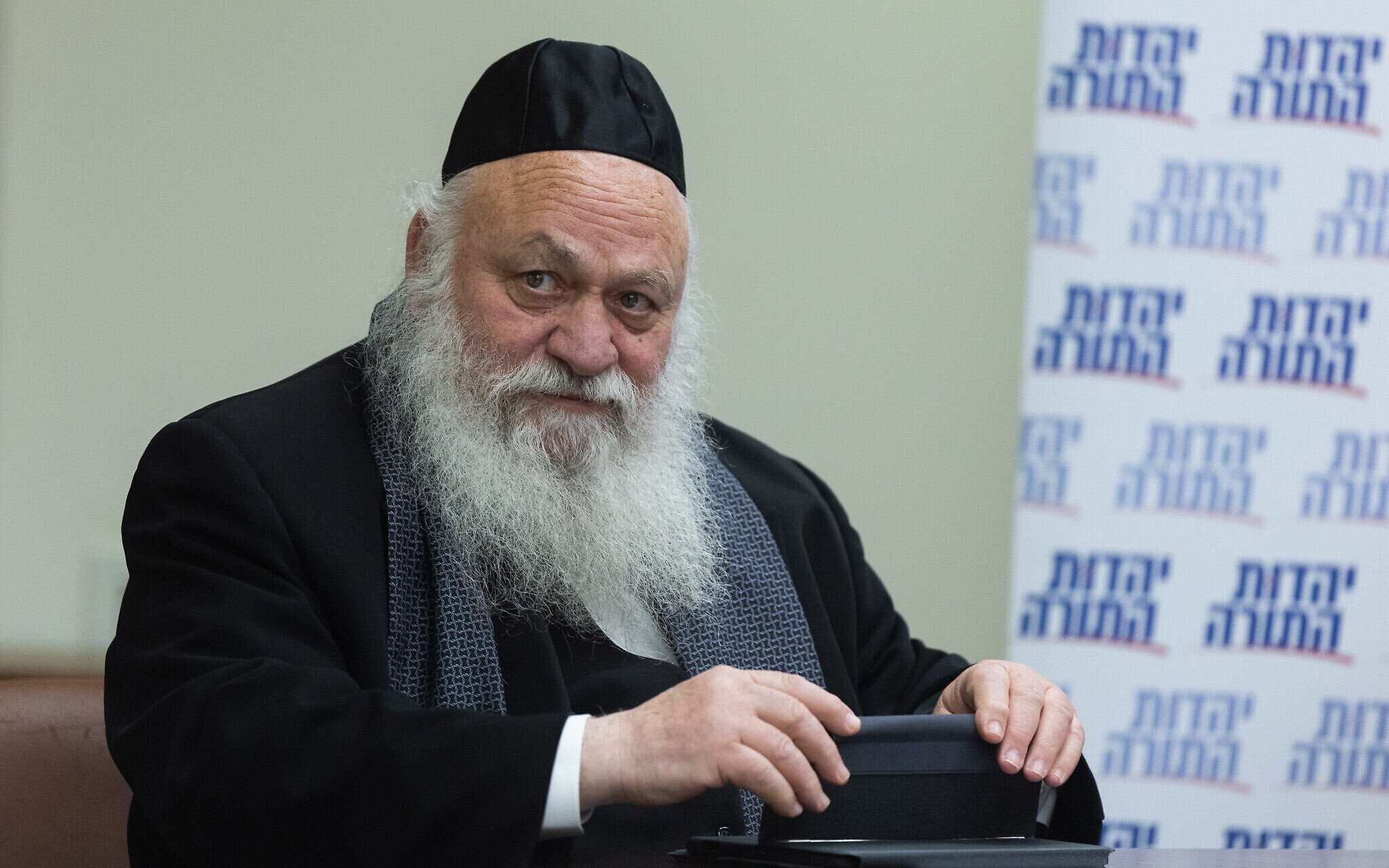
The network said Rabbi Nehemiah Alter, the son of the Gur sect’s leader, recently met with two prominent non-Hasidic UTJ rabbis in a bid to get them to join Goldknopf’s threat to bolt the government. Meanwhile, a UTJ source cited by Haaretz on Wednesday said Shas was trying to convince the Ashkenazi party to stay in the government.
Approximately 80,000 Haredi men between the ages of 18 and 24 are eligible for military service, but just over 1,800 Haredim have enlisted since last summer, far fewer than the military’s goal of 4,800.
Controversy surrounding the issue has reached a fever pitch as tens of thousands of reservists have served in the military for hundreds of days since the Hamas onslaught of October 7, 2023, when thousands of terrorists stormed southern Israel to kill some 1,200 people and take 251 hostages, sparking the war in Gaza.
Following a High Court ruling last year that there was no longer any legal basis to maintain longstanding exemptions of yeshiva students, Haredi parties have demanded new legislation to enable the practice to continue. However, some non-Haredi members of the coalition have said they will not agree to a bill that enables blanket exemptions.

The tensions have rocked Netanyahu’s government. In recent months, UTJ has boycotted Knesset legislation in protest of the government’s failure to pass a draft exemption law. Earlier this year, Goldknopf symbolically resigned from his secondary ministerial position as a minister in the Prime Minister’s Office over the issue.
Under MK Yuli Edelstein, a senior lawmaker from Netanyahu’s Likud party, the Knesset Foreign Affairs and Defense Committee has been revising a government-backed bill to regulate Haredi enlistment.
Edelstein has pledged that any law on the issue of Haredi service coming out of his committee would contain individual sanctions against draft dodgers and “significantly increase the IDF’s conscription base,” while rejecting suggestions to significantly limit the rate and scale of Haredim enlistment. Such legislation would likely be unacceptable to Haredi lawmakers.
Emanuel Fabian and Sam Sokol contributed to this report.








The Times of Israel Community.