

Smotrich to resume voting with coalition after compromise on reservist compensation
Deal with Netanyahu will see legislation on tax benefits brought to final votes next week; combat soldiers earning low wages will receive approximately NIS 3,000 ($936)
 Add ToI as a Preferred Source on Google
Sam Sokol is a former political correspondent at The Times of Israel. He was previously a reporter for the Jerusalem Post, Jewish Telegraphic Agency and Haaretz. He is the author of "Putin’s Hybrid War and the Jews"
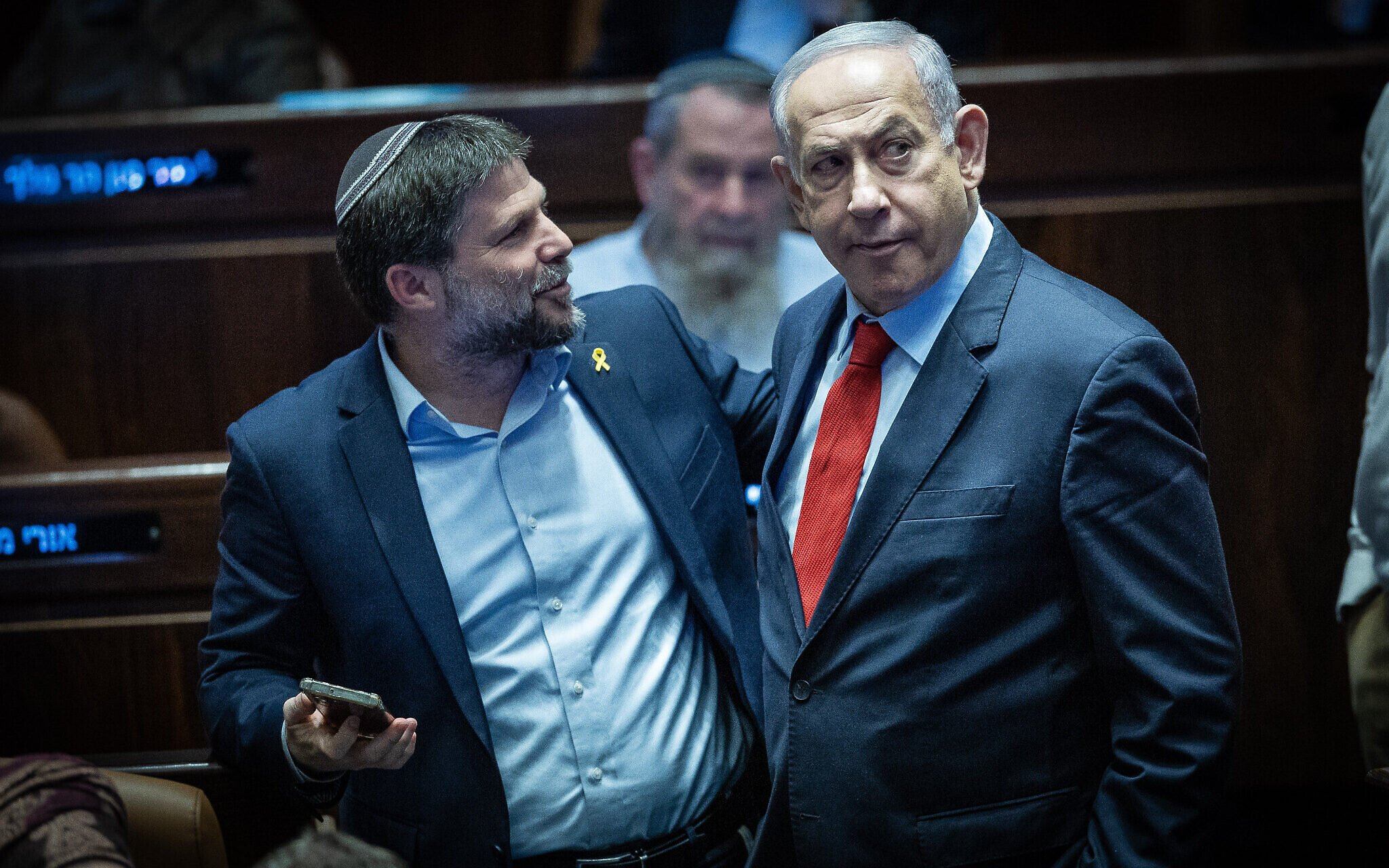
Finance Minister Bezalel Smotrich and Prime Minister Benjamin Netanyahu have announced a compromise on a bill providing tax benefits to IDF reservists, ending a nearly weeklong legislative boycott by Smotrich’s far-right Religious Zionism party.
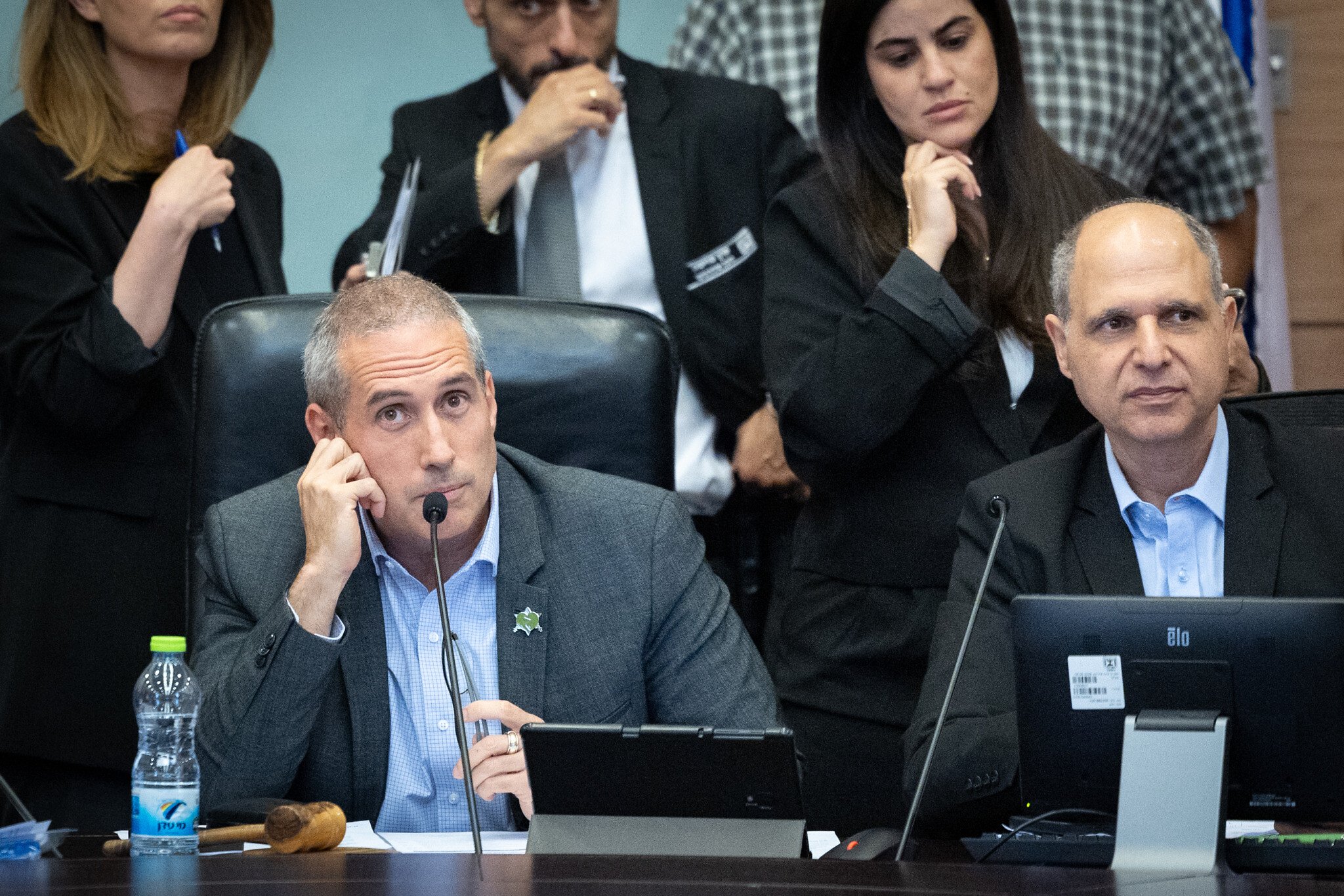
In a joint statement with Finance Committee Chairman Hanoch Milwidsky on Tuesday evening, they said that following a meeting with coalition whip Ofir Katz and Cabinet Secretary Yossi Fuchs, an agreement had been reached by which the bill would be advanced to the final two readings needed for it to pass into law next week.
“A clause will be added to the bill fixing compensation at approximately NIS 3,000 ($936) for reservist combat soldiers earning low wages, starting from 2026 onward,” the statement said. “As a result of the agreement, the Religious Zionism party will resume voting with the coalition.”
Because the new text of the bill has not yet been released, the exact details of those payments remain unclear.
Last Wednesday, Smotrich announced that his party would stop voting with the coalition until the Knesset passes the legislation providing tax credits for IDF reservists.
“Reservists come first. The State of Israel owes them everything, and this outweighs any political consideration. No MK is allowed to harm reservists,” he said.

Under Smotrich, the government allocated NIS 20 billion ($6 billion) for reservists, including an income tax credit worth up to NIS 1,000 ($306) per month and subsidies for reservist students and other related benefits.
The government approved the tax benefits in August and the legislation passed the first of three readings needed to become law, but it has since been held up in the Knesset Finance Committee.
If passed, the bill would grant income tax credit points to combat reservists on a graduated scale based on the number of days served. Reservists would receive more benefits depending on the time served and how many children they have.
However, Finance Committee chairman Milwidsky had complained that there were significant economic disparities in the bill, which he asserted discriminated against lower earners.
“I’m very sorry, but I can’t shake the feeling that in the finance minister’s office they’re more concerned with how they look in the media — with making it seem as though they support the reservists and are doing something — while in practice, when it comes time to actually do the work, they’re not really doing it,” he told the committee last month.
Milwidsky was basically arguing that “tax credit points — which are a regressive tool — actually create discrimination between high-income earners and people who pay little or no tax at all” and as things stand now “the more you earn, the greater your benefit,” committee member Vladimir Beliak (Yesh Atid) told The Times of Israel last week.
Responding to Smotrich’s threat at the time, coalition whip Katz said that “the bill in its current form drastically discriminates against many reservists, especially students and those with low incomes, who will not be able to take advantage of the benefit.”
Reservists have repeatedly complained about the personal and financial burden of their extended service since October 7, describing failing marriages, destroyed businesses and other hardships.
According to the Central Bureau of Statistics, 73% of reservists’ spouses who are self-employed reported suffering economic harm. One third of IDF reservists’ wives have considered getting divorced or separating since the beginning of the Gaza war in October 2023.
In a scathing report last Tuesday, State Comptroller Matanyahu Englman called out Smotrich, among others, for insufficient preparations for future emergencies following the COVID-19 pandemic, which would have made it easier to protect the economy during the war against Hamas in Gaza.

Smotrich’s announcement of his boycott came only a day after he clashed with the military over the 2026 budget, alleging that it was misusing the vast wartime funds allocated to it and singling out what he called the wasteful call-up of reserves for non-essential duties.
On Tuesday, Defense Ministry director Amir Baram slammed the Treasury for “delaying the signing of dozens of critical deals that affect fundamental security,” as the two bodies continue to clash over the budget.
“The Finance Ministry is holding back the Defense Ministry and delaying the signing of dozens of critical deals worth billions of shekels, including munitions, spare parts for tanks, drone acquisitions for combat units, protection for communities along the Lebanon and Gaza borders, and more,” he said.

To date, the two-year war has cost the economy NIS 250 billion ($76 billion), out of which NIS 180 billion was direct costs for defense and security needs, according to Smotrich. This year’s defense budget has already reached NIS 163 billion, and in 2026, it is projected to be around NIS 90 billion or 4.5% of GDP, according to the finance minister.
According to the timetable presented by the Finance Ministry, the 2026 budget will be submitted for government approval on December 4. The budget will then be submitted to the Knesset for approval in its first reading in early January, and in second and third readings in March. By law, the budget needs to be passed by the end of March, or new elections will be triggered.
Sharon Wrobel and Emanuel Fabian contributed to this report.







The Times of Israel Community.