

Southern discomfort
The situation is still tense in the south, Israel praises the latest Iranian sanctions, and writers wax poetic on Lionel Messi
 Add ToI as a Preferred Source on Google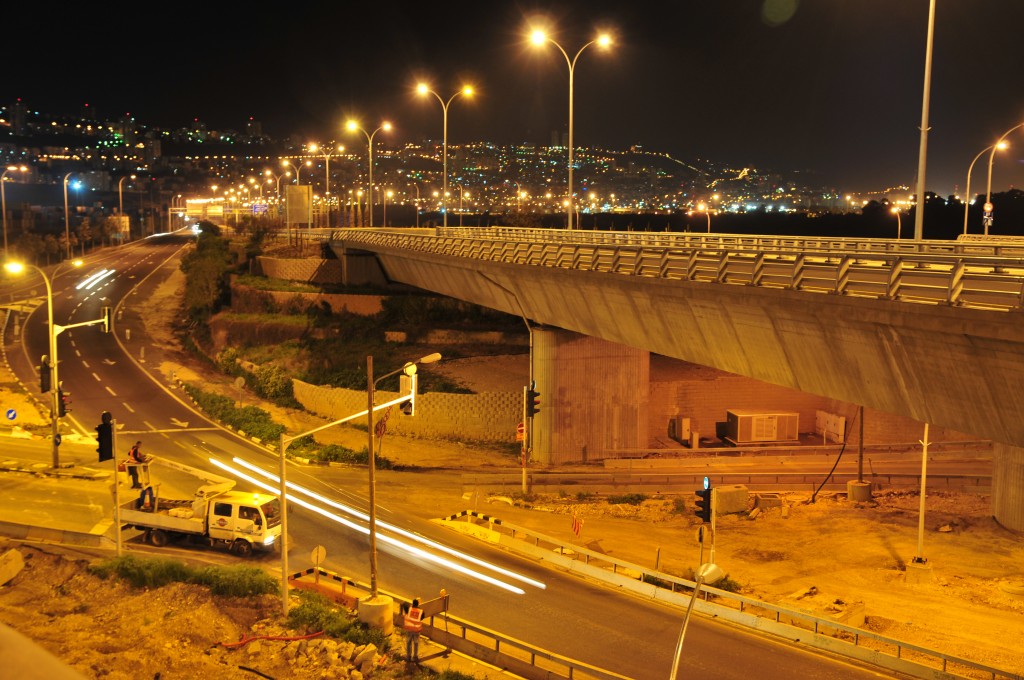
Rockets are still being fired into the southern part of Israel with all the major papers (except Yedioth Ahronoth) using their front pages to report on the continuing attacks.
Maariv sums up the situation in the south with its headline: “A paralyzing drizzle.” With rockets falling on cities like Ashdod, Ashkelon, and Beersheba, and mortars falling on settlements close to the Gaza border, the situation is tense despite a ceasefire.
Israel Hayom’s front page screams “The IDF warns: Major escalation” while the article on page 7 quotes security officials saying, “It is impossible to tolerate the continuation of (rocket) fire for any length of time. If the situation does not calm down the next steps will be a major escalation.” The article goes on to state the IDF understands that the rocket fire is from individual cells and against the wishes of the authorities in Gaza, and the Egyptians have requested from Defense Minister Ehud Barak that Israel restrain itself. But as the defense officials warn, Israel’s patience is running thin.
Haaretz reports that seven rockets were fired at the south yesterday. In his commentary piece, Yoel Marcus states that while Bibi and Barak pay lip service to the residents of the south, the government’s inaction and lack of ingenuity in finding solutions to terror is partly to blame for the current Gaza situation.
Yedioth Ahronoth reported that in a meeting with southern leaders, Moshe Ya’alon stated that “Our response is not enough, and we need to make clear that all who try to hurt our citizens will be doomed.”
All the papers discussed the continued school closings in the south. “Not taking any chances,” says the headline in Israel Hayom on another article about the southern situation. Mayors of the largest cities met yesterday and stated in contradiction to recommendations from the Home Front Command, schools would be closed again Friday in many cities across the south.
Israel Praises SWIFT Sanctions
Front-page news across all the papers this weekend was the announcement yesterday that the international banking company SWIFT will cease doing business in Iran.
Maariv’s article leads off with the headline: Hitting the Iranian’s pocket. Maariv columnist Yehuda Sharoni stated, “Disconnecting the Iranians from the system (SWIFT) will severely harm their economy and force them to search for alternative methods.”
Yedioth Ahronoth’s headline boasts “Iran’s money faucet is turned off.” Inside, Yedioth dedicates the first two pages to the Iranian threat. On page three in white and red letters the headline reads: “Judgment Day for sanctions.” Underneath the article, it points out for that for the first time Prime Minister Benjamin Netanyahu praised the sanctions, with his aides in Jerusalem telling the press that in his last meeting with President Obama he urged SWIFT to take action, urging Obama, “SWIFT, swiftly.”
Haaretz points out that while Bibi praised this move there is still a division within the government on how to handle the Iranian situation. Netanyahu and Barak doubt the effectiveness of sanctions while another group of ministers, including Moshe Ayalon and Eli Yishay, are willing to give the sanctions time before favoring a military strike.
Israel Hayom’s headline is a nice play on words: “Cleared from the clearing house.” Israel Hayom commentator Hazri Shteinlicht both praises and warns about the move, “This is one of the most significant steps to be taken and there aren’t many more impactful sanctions than this. However, if this does not work, the military option just took a giant step forward.”
Solider Attacked in Jerusalem
Israel Hayom and Yedioth Ahronoth used their front-page to tell about a female soldier who was stabbed on the new light-rail train in Jerusalem. A female soldier was riding the light rail train in Jerusalem when a Palestinian who was sitting next to her took out a knife and stabbed her repeatedly. The attacker then fled the train and was captured later at a checkpoint, where he reportedly confessed.
Israel Hayom includes an interview with the soldier’s mother and an op-ed piece arguing against calls to remove Arab neighborhoods from the light-rail system.
Yedioth Ahronoth took the sensationalist approach to the incident with its front-page headline: “One centimeter between life and death.” Underneath the page five article about the stabbing was a piece about Southern Command General Tal Russo, titled: “A knife between his teeth.” The article told how the Iron Dome system has changed the general’s reactions to attacks and now he uses a more thoughtful approach when before used more of a gut feeling.
Fewer Headaches for Haifa Residents
In a full page spread, Maariv reports on a new bridge in Haifa designed to alleviate daily traffic jams. The bridge will allow residents from northern Haifa to travel to the southern part of the city without having to stop at the constantly congested “Check Post” junction.
Maariv and Israel Hayom both had articles about the situation in Syria, albeit of very different flavors. Maariv focused on the Syrian revolution one year later in an article titled “Assad’s Victory.” In the piece Maariv writer Amit Cohen details how with the help of China and Russia and the lack of options for the rebels has allowed Assad to crush the rebellion and commit violence against his own people.
Yedioth Ahronoth was a little behind the curve (as reported by Haaretz yesterday) with its article how during the past year the Bashar Assad and his wife, Asma, purchased thousands of dollars worth of luxury goods while the uprising was occurring.
Sabbath Reading
The weekend supplements for the major papers all have a distinct cover story to keep readers over the weekend.
Haaretz’s weekend cover story is about legacy of Rehavam Ze’evi, the army general and right wing government minister who was assassinated by Palestinian terrorists in 2001. The article paints Ze’evi in a harsh light and discusses his politics, including his policy of transfer.
Yedioth Ahronoth dives into recent history and interviews Omri Sharon, son of comatose politician and former prime ministers, Ariel Sharon. The interview focuses on what the younger Sharon believes his father’s wishes and opinions would be if he awoke now.
Israel Hayom features an update on what is occurring in Gaza, with the headline: “Not Complete” and a picture of a group of soldier in front of an Iron Dome battery.
Maariv’s weekend supplement features a different type of cover story. Maariv brought in twelve different writers, including Ehud Olmert and Avrham Grant, to write about why Lionel Messi is the best soccer player ever.





The Times of Israel Community.